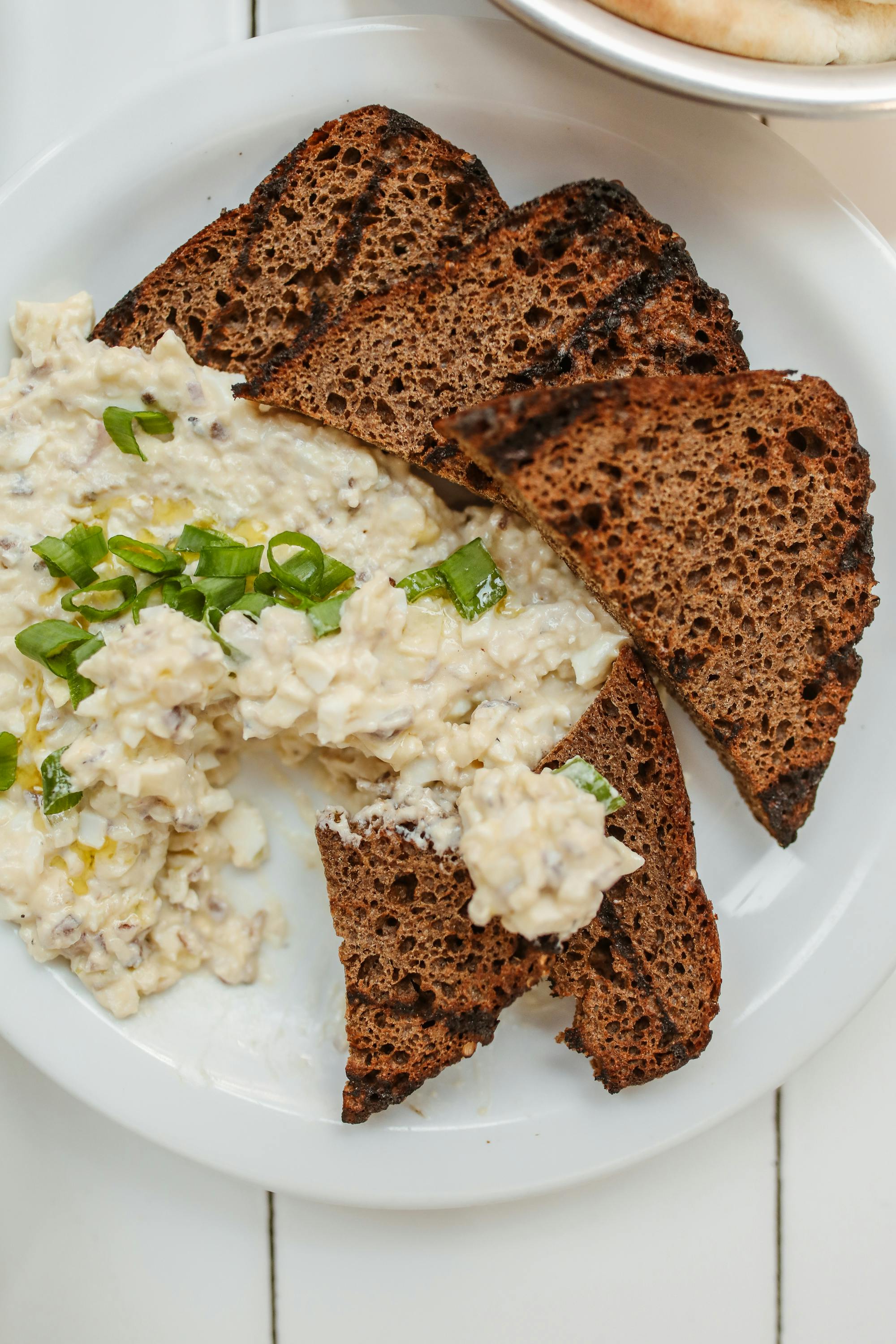
Photo: Polina Tankilevitch / Pexels
Icelandic
Plokkfiskur
The diets react (see scores below)
Common Ingredients
- cod
- potatoes
- onion
- milk
- butter
- flour
- white pepper
- rye bread
Specific recipes may vary.
Incompatible with 6 of 11 diets
Diet Ratings
Plokkfiskur is a traditional Icelandic fish stew that is fundamentally incompatible with ketogenic eating. While cod itself is an excellent keto-friendly protein, the dish is built around multiple high-carb ingredients: potatoes are a starchy vegetable that alone can contain 15-20g net carbs per 100g serving; flour is used as a thickener adding additional carbohydrate load; and rye bread is typically served alongside, adding significant grain-based carbs. Milk also contributes lactose-based carbs. The combination of potatoes, flour, and rye bread in a single dish makes this a high-carbohydrate meal that would almost certainly break ketosis even in modest portions. There is no practical way to make a standard serving keto-compatible without fundamentally altering the recipe.
Plokkfiskur is a traditional Icelandic fish stew containing multiple animal-derived ingredients that are all strictly excluded from a vegan diet. Cod is a fish (animal product), milk and butter are dairy products, and all three are unambiguously non-vegan. There is no version of this dish that could be considered vegan without fundamentally replacing its core ingredients.
Plokkfiskur is a traditional Icelandic fish stew that, despite featuring paleo-friendly cod and onion, is heavily compromised by multiple non-paleo ingredients. Milk and butter are dairy products excluded from strict paleo. Flour (wheat) is a grain and a core paleo exclusion. Rye bread is also a grain and doubly excluded. White pepper is a minor concern but generally tolerated. Potatoes are debated in paleo circles. The dish's foundation — a flour-thickened, milk-based sauce served with rye bread — makes it fundamentally incompatible with paleo principles. Even removing the rye bread as a side, the core stew still contains dairy and grain-based thickener, disqualifying it clearly.
Plokkfiskur is a traditional Icelandic fish stew built around cod, which is an excellent Mediterranean-friendly protein. However, the dish diverges from Mediterranean principles in its fat profile: butter is used as the primary fat rather than extra virgin olive oil, and a milk-based béchamel-style sauce adds saturated fat and dairy in quantities beyond moderate. The potatoes and onion are wholesome vegetables, and rye bread is a reasonable whole grain accompaniment. The dish is minimally processed and free of added sugars, which is positive. Overall, this is a nutritious, whole-food preparation centered on a Mediterranean-approved protein, but the butter-and-milk base rather than olive oil, plus the starchy white potato base, keeps it in the caution zone rather than a full approval.
Some Mediterranean diet practitioners would view this more favorably, noting that fish as the primary protein aligns perfectly with the diet's core principles, and that modest amounts of dairy (milk, butter) are permitted within traditional Mediterranean frameworks — particularly in regions like Southern France and parts of Italy where butter and cream sauces appear alongside fish. The dish could easily be adapted by substituting olive oil for butter to become fully Mediterranean-compliant.
Plokkfiskur is an Icelandic fish stew that is fundamentally incompatible with the carnivore diet. While the cod is an excellent carnivore-approved protein source and butter and milk have some standing in certain carnivore camps, the dish is heavily built around multiple plant-based and grain-based ingredients that are strictly excluded. Potatoes are a starchy plant food, onion is a vegetable, flour is a grain product used as a thickener, white pepper is a plant-derived spice, and rye bread (served alongside) is a grain product — all firmly in the avoid category. The dish's structure depends on these plant ingredients, making it impossible to classify as carnivore-compatible in any meaningful way. Even the most lenient carnivore practitioners who accept dairy would reject this dish outright due to the potatoes, flour, and bread.
Plokkfiskur (Icelandic fish stew/hash) contains multiple excluded ingredients that make it incompatible with Whole30. Butter is excluded dairy (only ghee/clarified butter is allowed). Milk is excluded dairy. Flour is a grain product, excluded. Rye bread is a grain product, excluded. The base of this dish — a butter-flour roux enriched with milk, served with rye bread — is fundamentally built on excluded ingredients. The cod, potatoes, onion, and white pepper are all compliant, but the dish cannot be made in its traditional form on Whole30.
Plokkfiskur contains multiple high-FODMAP ingredients that make it unsuitable during the elimination phase. Onion is one of the highest-FODMAP foods tested by Monash University, rich in fructans, and is a core ingredient in this dish with no low-FODMAP substitute implied. Rye bread is also high in fructans and should be avoided during elimination. Milk used in the white sauce contributes lactose, which is high-FODMAP unless a lactose-free alternative is used. Flour (wheat-based) used as a thickener adds further fructans. While cod, potatoes, and butter are all low-FODMAP, the combination of onion, rye bread, milk, and wheat flour makes this dish clearly high-FODMAP as traditionally prepared.
Plokkfiskur is an Icelandic fish stew made with cod, potatoes, onion, milk, butter, and flour, served with rye bread. Several components are strongly DASH-compatible: cod is an excellent lean protein, low in saturated fat and sodium; potatoes and onion are DASH-approved vegetables rich in potassium; and rye bread aligns with the whole grain emphasis of DASH. However, the dish raises moderate concerns. The butter-based white sauce (béchamel-style) contributes saturated fat, which DASH limits. Whole milk, if used, adds further saturated fat versus the low-fat or fat-free dairy DASH recommends. Traditional preparations can also be moderately salted, and the sodium content of rye bread varies. The dish is not inherently high-sodium or heavily processed, but the butter and full-fat milk content place it in the 'caution' zone rather than a clear approval. Prepared with reduced butter, low-fat or skim milk, and low-sodium rye bread, this dish could score higher (7-8) and approach full DASH approval.
NIH DASH guidelines specify low-fat or fat-free dairy and limited saturated fat, which the butter and whole milk in traditional plokkfiskur exceed. However, updated clinical interpretations note that recent research (e.g., the 2020-2025 Dietary Guidelines and emerging meta-analyses) has softened the stance on full-fat dairy and moderate butter use, and some DASH-aligned practitioners would approve a fish-and-vegetable dish like this with minor modifications rather than categorically cautioning against it.
Plokkfiskur is a traditional Icelandic fish stew built around cod — an excellent Zone-friendly lean protein — but its carbohydrate profile is problematic for Zone compliance. Potatoes are explicitly listed as an 'unfavorable' high-glycemic carbohydrate in Dr. Sears' Zone framework, and they serve as a primary ingredient here rather than an incidental one. The béchamel-style base (milk, butter, flour) adds saturated fat and more high-glycemic starch, further skewing the fat profile away from the preferred monounsaturated sources. The rye bread served alongside is a better carbohydrate choice than white bread but still a grain-based, moderate-glycemic addition. Onion is a favorable low-glycemic carb. The dish is not categorically impossible to fit into a Zone meal — the cod provides excellent lean protein blocks — but as traditionally prepared, the carbohydrate load from potatoes is heavy, the fat is primarily saturated (butter), and the ratio will skew well beyond 40/30/30 without significant modification. A Zone-adapted version would reduce potato portions sharply, substitute cauliflower for some potato, use olive oil instead of butter, and skip or minimize the flour roux. As served traditionally, it earns a caution rating.
Some Zone practitioners might note that cod is such an ideal protein source that the dish merits more credit — and that in small, carefully portioned servings, the potato content can be managed within unfavorable-carb block allowances. Dr. Sears' framework does not prohibit unfavorable carbs outright; it simply requires tighter portion control. A practitioner focused on real-world applicability might rate this a 5-6 with appropriate portioning guidance rather than a stricter caution.
Plokkfiskur is a traditional Icelandic fish stew built around cod, which is a lean white fish with modest anti-inflammatory properties (low in omega-3s compared to fatty fish like salmon or mackerel, but also low in pro-inflammatory saturated fat and free of harmful additives). Onion provides quercetin and other anti-inflammatory flavonoids. Rye bread, if made from whole grain rye, adds fiber and polyphenols — a meaningful positive. White pepper has mild anti-inflammatory properties similar to black pepper (piperine analog). These are genuine positives. The neutral-to-negative side: the dish is built on a butter-and-milk béchamel-style sauce and potatoes, both of which are anti-inflammatory neutrals at best. Butter contributes saturated fat, and milk (full-fat assumed in traditional preparation) adds more. Neither is a major concern in moderate amounts, but neither adds anti-inflammatory value. The flour-thickened sauce is a refined carbohydrate. Potatoes are a nutritionally acceptable starch but not anti-inflammatory standouts. Overall, the dish is wholesome and minimally processed — a real positive — but its anti-inflammatory profile is blunted by the butter-milk-flour base and reliance on white fish rather than omega-3-rich oily fish. Substituting salmon or a blend of white and fatty fish, using olive oil in place of butter, and choosing whole grain rye bread would substantially improve the profile.
Some anti-inflammatory practitioners following the Autoimmune Protocol (AIP) or stricter interpretations would flag this dish more negatively due to the dairy (milk and butter) and the refined flour in the roux, arguing these can drive gut permeability and systemic inflammation in sensitive individuals. Mainstream anti-inflammatory guidance (e.g., Dr. Weil) treats moderate dairy as acceptable and would view this dish as a reasonably neutral, whole-food preparation.
Plokkfiskur is an Icelandic fish stew made with cod, potatoes, onion, and a milk-butter-flour béchamel sauce. The cod is an excellent lean protein source that aligns well with GLP-1 dietary priorities, and onion adds mild fiber and micronutrients. However, the dish is moderately high in fat and refined carbohydrates relative to its protein density per calorie. The butter-flour-milk béchamel introduces saturated fat and refined starch, which slow digestion further on top of already slowed gastric emptying from GLP-1 medication, and may contribute to nausea or bloating. Potatoes are starchy with moderate glycemic impact and low protein density. The rye bread component is a meaningful positive — it adds fiber and is more nutrient-dense than white bread — but doesn't offset the béchamel concerns. Overall the dish can be acceptable in a small, controlled portion if cod content is maximized and butter is minimized, but the traditional recipe as prepared is not optimized for GLP-1 patients.
Some GLP-1-focused dietitians would view this dish more favorably given that cod is one of the leanest, highest-protein fish available and the overall fat content, while present, is modest compared to fried or heavily processed alternatives. The disagreement centers on how heavily to penalize béchamel-style sauces — clinicians focused on GI side effect management tend to flag them, while those focused on protein adequacy may accept them if the dish reliably delivers 20+ grams of protein per serving.
*See how scores were generated at our methodology page.
Nutritional profile
Six traits that cut across every diet.
Fiber & Plants
How much whole-plant food and fiber it delivers.
Healthy Fats
The quality of its fats (unsaturated, omega-3).
Whole / Unprocessed
How close it is to its natural, unprocessed form.
Gut Gentle
How easy it is on digestion (low FODMAP, few irritants).
Low Glycemic
How little it spikes your blood sugar.
Protein Density
How much protein it packs per calorie.
Controversy Index
Higher controversy = more disagreement between diets.
Diet-Specific Tips
 Mediterranean — 5/10
View tips
- Cod is an excellent Mediterranean-approved fish protein
- Butter replaces olive oil as the primary fat, increasing saturated fat content
- Milk-based sauce adds dairy beyond moderate levels
- Potatoes and onion are whole, unprocessed vegetables
- Rye bread is a reasonable whole-grain accompaniment
- No added sugars or highly processed ingredients
- Not a traditional Mediterranean dish but structurally adaptable
 DASH — 6/10
View tips
- Cod is a DASH-ideal lean protein — low in sodium, saturated fat, and rich in potassium and magnesium
- Potatoes and onion contribute potassium and fiber, consistent with DASH vegetable goals
- Butter adds saturated fat, which DASH explicitly limits
- Milk component ideally should be low-fat or skim per DASH guidelines; whole milk increases saturated fat load
- Rye bread is a whole grain positive, but sodium content varies by brand/preparation
- No added sugars, processed meats, or tropical oils — avoids several major DASH red flags
- Sodium level depends heavily on preparation; cod itself is naturally low-sodium but salted cod (if used) would shift verdict toward 'avoid'
 Zone — 5/10
View tips
- Cod is an ideal Zone lean protein — excellent omega-3 profile and low fat
- Potatoes are explicitly 'unfavorable' high-glycemic carbs in Zone methodology
- Butter-based béchamel introduces saturated fat rather than preferred monounsaturated fat
- Flour in the roux adds additional high-glycemic starch
- Rye bread is a better carb choice than white bread but still a grain-based addition
- Onion is a favorable Zone carbohydrate
- Dish could be Zone-adapted by substituting cauliflower for potatoes and olive oil for butter
- Traditional preparation skews the macronutrient ratio significantly away from 40/30/30
 Anti-Inflammatory — 5/10
View tips
- Cod is a lean, clean protein but low in omega-3s compared to fatty fish — a missed opportunity
- Butter and milk (béchamel base) contribute saturated fat — acceptable in moderation but not anti-inflammatory positives
- Refined flour thickener adds negligible nutritional value and minor refined carb load
- Onion provides quercetin and anti-inflammatory flavonoids
- Rye bread (if whole grain) contributes fiber and polyphenols — a genuine positive
- Dish is minimally processed and free of additives, trans fats, or added sugar — a clear strength
- White pepper has mild anti-inflammatory properties
- Traditional preparation with wholesome ingredients keeps this out of 'avoid' territory despite modest profile
 GLP-1 Friendly — 5/10
View tips
- Cod is a lean, high-quality protein source — strong positive
- Béchamel sauce (butter, flour, milk) adds saturated fat and refined starch — negative for GLP-1 GI tolerance
- Potatoes are starchy with low protein density, increasing glycemic load relative to nutritional value
- Rye bread is a fiber-positive addition compared to refined bread alternatives
- Dish is soft and easy to eat in small portions — favorable for reduced appetite
- Overall fat content is moderate rather than high, but butter use should be minimized
- Protein per calorie ratio is diluted by the potato and sauce base
- Traditional preparation may vary significantly in butter quantity, making scoring portion- and recipe-sensitive