Photo: Sokat Rachman / Pexels
Indonesian
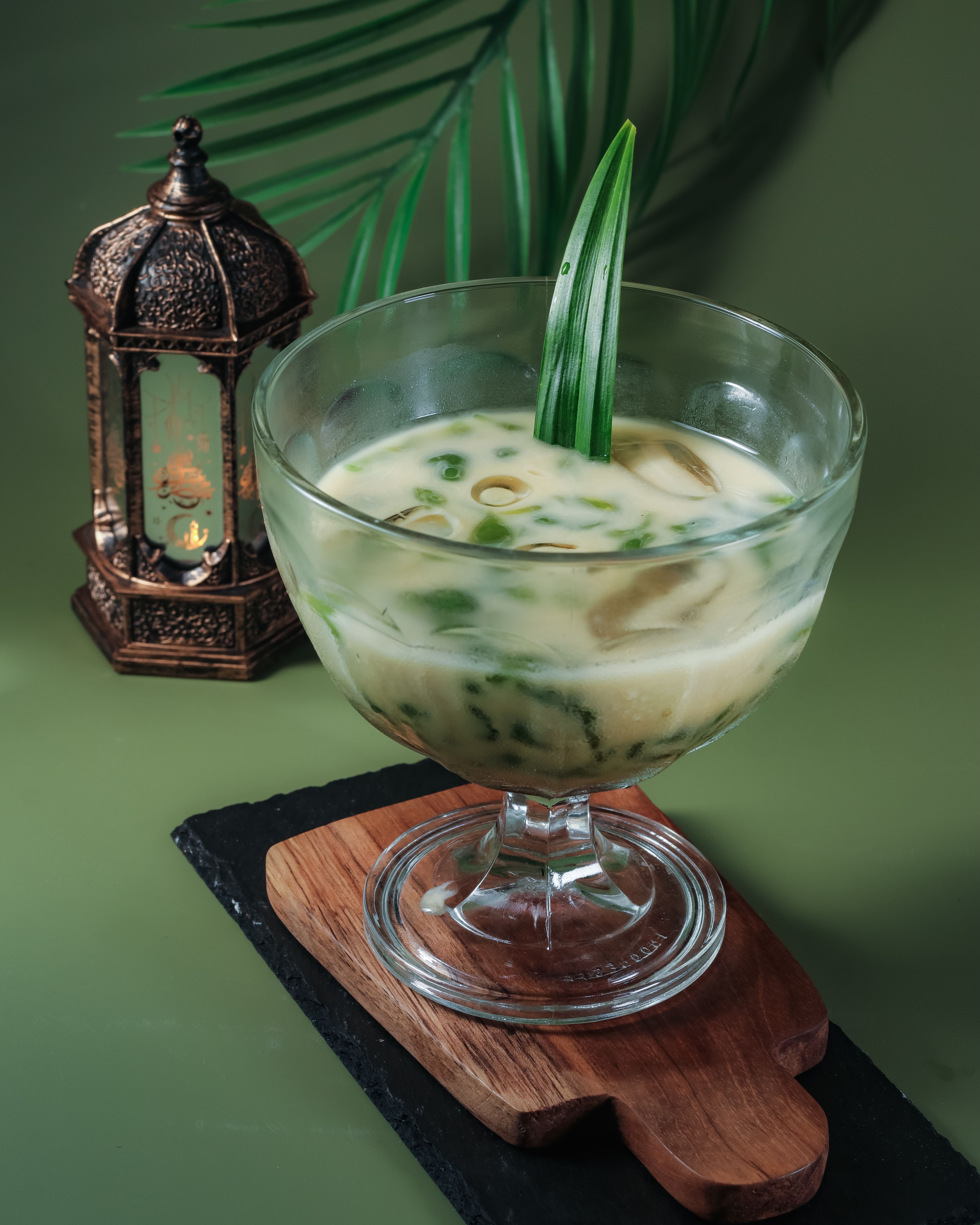
Es Cendol
The diets react (see scores below)
Common Ingredients
- rice flour
- pandan leaves
- coconut milk
- palm sugar
- ice
- water
- tapioca starch
- salt
Specific recipes may vary.
Incompatible with 8 of 11 diets
Diet Ratings
Es Cendol is fundamentally incompatible with a ketogenic diet. The dish is built on multiple high-carbohydrate ingredients: rice flour and tapioca starch form the cendol noodles, which are dense sources of net carbs with no meaningful fiber offset. Palm sugar is a significant added sugar used to sweeten the drink, directly spiking blood glucose and breaking ketosis. A standard serving easily delivers 50-80g of net carbs, far exceeding the entire daily keto allowance. The only keto-friendly component is coconut milk, which provides healthy fats, but it cannot redeem the dish given the overwhelming carbohydrate load from the other ingredients. There is no realistic portion size that makes this compatible with ketosis.
Es Cendol is a traditional Indonesian chilled dessert drink made entirely from plant-based ingredients. The cendol noodles are made from rice flour and tapioca starch colored and flavored with pandan leaves. The sweetener is palm sugar (derived from palm tree sap, not animals), and the creamy base is coconut milk rather than dairy. All listed ingredients — rice flour, pandan leaves, coconut milk, palm sugar, ice, water, tapioca starch, and salt — are fully plant-derived with no animal products or by-products present. This is a whole-food-leaning dish using minimally processed, traditional ingredients, which earns it a high score within the approve range.
Es Cendol contains multiple non-paleo ingredients that clearly disqualify it. Rice flour is a grain derivative, strictly excluded from paleo. Tapioca starch, while derived from cassava (a tuber), is a heavily processed, isolated starch with no nutritional value beyond carbohydrates — contrary to the whole-food paleo philosophy. Salt is excluded as an added ingredient. Palm sugar, while less refined than white sugar, is still a concentrated refined sweetener that falls outside approved paleo foods. Coconut milk and pandan leaves are paleo-compliant, but the foundational ingredients of this dish are grain-based and processed, making it firmly in avoid territory.
Es Cendol is a sweet Indonesian dessert drink that conflicts with Mediterranean diet principles on multiple fronts. Palm sugar is the primary sweetener, contributing significant added sugar. Coconut milk, while a plant-based fat, is high in saturated fat and is not part of the Mediterranean dietary tradition — olive oil is the canonical fat source. The base is made from refined rice flour and tapioca starch, both refined carbohydrates with minimal fiber or nutritional density. The dish is essentially a sweet, high-sugar, high-saturated-fat cold drink/snack with no meaningful nutritional alignment to Mediterranean principles. There are no vegetables, legumes, whole grains, or olive oil present.
Es Cendol is entirely plant-based and contains no animal products whatsoever. It is made from rice flour and tapioca starch (grains/starches), pandan leaves (a plant flavoring), coconut milk (plant-derived fat), palm sugar (a plant-based sweetener), and water with ice. Every single ingredient violates carnivore diet principles. Rice flour and tapioca starch are carbohydrate-dense plant foods, pandan is a plant extract, coconut milk is a plant oil/fat source, and palm sugar is a refined plant sugar. This dish represents essentially everything the carnivore diet excludes: grains, plant fats, plant sugars, and plant flavorings. There is no animal protein, no animal fat, and no animal-derived ingredient of any kind.
Es Cendol contains multiple Whole30-excluded ingredients. Rice flour is a grain product and is explicitly excluded. Palm sugar is an added sugar and is excluded. Tapioca starch, while not always explicitly listed, is a highly processed starch used in the same context as other excluded starches. The dish is also essentially a dessert/sweet snack drink, which would violate the spirit of the program even if individual ingredients could be made compliant. The combination of rice flour (grain), palm sugar (added sugar), and the overall dessert nature of this dish makes it clearly non-compliant.
Es Cendol's base ingredients are individually low-FODMAP: rice flour and tapioca starch (gluten-free, low-FODMAP), pandan leaves (no significant FODMAPs), water, ice, and salt are all safe. The two ingredients requiring caution are coconut milk and palm sugar. Coconut milk is low-FODMAP at ½ cup (125ml) per Monash but becomes high-FODMAP at larger amounts due to polyols (sorbitol). Es Cendol is typically served with a generous pour of coconut milk, making it easy to exceed the safe threshold in a standard serving. Palm sugar is less well-studied than other sugars, but it is primarily sucrose with some fructose; at typical Es Cendol sweetening levels (often quite sweet), excess fructose could become a concern depending on total quantity used. The dish does not contain fructans, GOS, lactose, or other major high-FODMAP ingredients, so it is not an outright avoid — but portion control of coconut milk in particular is essential during the elimination phase.
Monash University rates coconut milk as low-FODMAP at ½ cup but high-FODMAP beyond that; clinical FODMAP practitioners often advise caution with coconut milk-heavy dishes like Es Cendol because the standard serving in practice frequently exceeds this threshold. Palm sugar lacks direct Monash testing, adding further uncertainty for strict elimination phase adherence.
Es Cendol is a sweet Indonesian dessert drink built around ingredients that conflict directly with core DASH principles. Coconut milk is high in saturated fat from a tropical oil source, which DASH explicitly limits. Palm sugar, while less refined than white sugar, is still a significant source of added sugar — a category DASH discourages. The combination of coconut milk and palm sugar makes this a high-saturated-fat, high-added-sugar beverage with minimal nutritional benefit (low fiber, no meaningful potassium, calcium, or magnesium contributions relative to its caloric load). There is no lean protein, no whole grain benefit, and no significant micronutrient density. Salt adds sodium. This dish is essentially a dessert sweetened beverage with a tropical oil base, hitting two major DASH 'limit' categories simultaneously.
Es Cendol is a traditional Indonesian sweet dessert drink made almost entirely of high-glycemic, high-sugar ingredients with virtually no protein and no meaningful favorable fat. The primary components — rice flour and tapioca starch noodles — are high-glycemic refined starches that spike blood sugar rapidly. Palm sugar is a concentrated sugar source with a significant glycemic load. Coconut milk provides saturated fat rather than the monounsaturated fat the Zone favors. There is no protein whatsoever, making it impossible to achieve the 40/30/30 Zone ratio in any reasonable serving. The dish is essentially sugar + refined starch + saturated fat + ice — a combination that is antithetical to Zone principles. Unlike foods that merely require careful portioning, Es Cendol cannot be balanced into a Zone-friendly ratio without fundamentally transforming it into a different dish. It offers no lean protein, no low-glycemic carbohydrates, no monounsaturated fat, and no polyphenol density beyond the pandan. This places it firmly in the avoid category alongside other pure sugar-and-refined-starch desserts.
Es Cendol is a Southeast Asian chilled dessert with a mixed anti-inflammatory profile. On the positive side, pandan leaves contain flavonoids, alkaloids, and antioxidants with demonstrated anti-inflammatory properties in preliminary research. Coconut milk provides medium-chain triglycerides (MCTs), which some research associates with neutral-to-modest anti-inflammatory effects, though its high saturated fat content is a concern in larger amounts. However, palm sugar — while less refined than white sugar and retaining some minerals — is still an added sugar that raises blood glucose and can promote inflammatory markers like CRP when consumed regularly. The rice flour and tapioca starch base is largely refined starch with a high glycemic index, contributing to glycemic spikes that can promote inflammation. The dish is essentially a sweetened, starchy dessert with no meaningful protein, fiber, or omega-3 content. Overall, Es Cendol is an occasional-treat food: the pandan and modest coconut milk are mild positives, but the sugar load and refined starch base make it a pro-inflammatory choice if consumed frequently.
Some practitioners in the functional nutrition space view coconut milk's saturated fat (lauric acid) more favorably for its antimicrobial properties, and pandan is increasingly recognized for its antioxidant profile — a more lenient anti-inflammatory practitioner might rate this a '5' given traditional whole-food preparation. Conversely, stricter anti-inflammatory frameworks (e.g., those emphasizing low glycemic load) would flag the palm sugar and refined starch more harshly, potentially rating this closer to an 'avoid.'
Es Cendol is a cold Indonesian sweet dessert drink made from rice flour jelly noodles, coconut milk, and palm sugar syrup poured over shaved ice. It scores very poorly across nearly every GLP-1 dietary criterion. It contains no meaningful protein, negligible fiber, and is dominated by high-sugar palm sugar syrup and high-saturated-fat coconut milk. The caloric content is almost entirely from simple sugars and saturated fat — exactly the combination most likely to worsen GLP-1 side effects including nausea, reflux, and bloating. Coconut milk is high in saturated fat, which slows gastric emptying further on top of the medication's existing effect. The palm sugar delivers a rapid glucose spike with zero nutritional compensation. As a snack, it provides no protein to support the 100–120g daily target, no fiber to support digestion, and empty calories that GLP-1 patients — eating significantly reduced volumes — cannot afford. The cold, icy format may feel tolerable on a sensitive stomach but does not offset the nutritional deficits.
*See how scores were generated at our methodology page.
Nutritional profile
Six traits that cut across every diet.
Fiber & Plants
How much whole-plant food and fiber it delivers.
Healthy Fats
The quality of its fats (unsaturated, omega-3).
Whole / Unprocessed
How close it is to its natural, unprocessed form.
Gut Gentle
How easy it is on digestion (low FODMAP, few irritants).
Low Glycemic
How little it spikes your blood sugar.
Protein Density
How much protein it packs per calorie.
Controversy Index
Higher controversy = more disagreement between diets.
Diet-Specific Tips
 Vegan — 8/10
View tips
- Coconut milk is a fully plant-based dairy alternative — no animal milk involved
- Palm sugar is derived from palm tree sap, not an animal product
- Pandan leaves are a natural plant-based coloring and flavoring agent
- No eggs, gelatin, dairy, or other animal-derived ingredients in any component
- Tapioca starch and rice flour are both plant-derived starches
- Dish is largely whole-food and traditionally prepared, not heavily processed
 Low-FODMAP — 5/10
View tips
- Rice flour and tapioca starch are gluten-free and low-FODMAP
- Pandan leaves have no significant FODMAP content
- Coconut milk is low-FODMAP only at ≤½ cup (125ml); generous Es Cendol servings may exceed this
- Palm sugar is not directly tested by Monash; primarily sucrose but fructose content at high amounts is uncertain
- No fructans, GOS, or lactose in ingredient list
- Portion size of coconut milk is the primary risk factor during elimination phase
 Anti-Inflammatory — 4/10
View tips
- Palm sugar adds significant added sugar, promoting glycemic spikes and inflammatory markers
- Rice flour and tapioca starch are refined, high-glycemic carbohydrates with minimal fiber
- Pandan leaves contribute flavonoids and antioxidants — a modest anti-inflammatory positive
- Coconut milk provides MCTs but also saturated fat; anti-inflammatory status is debated
- No protein, omega-3s, or meaningful fiber to offset inflammatory potential
- Overall profile is a high-sugar, high-glycemic dessert best consumed only occasionally