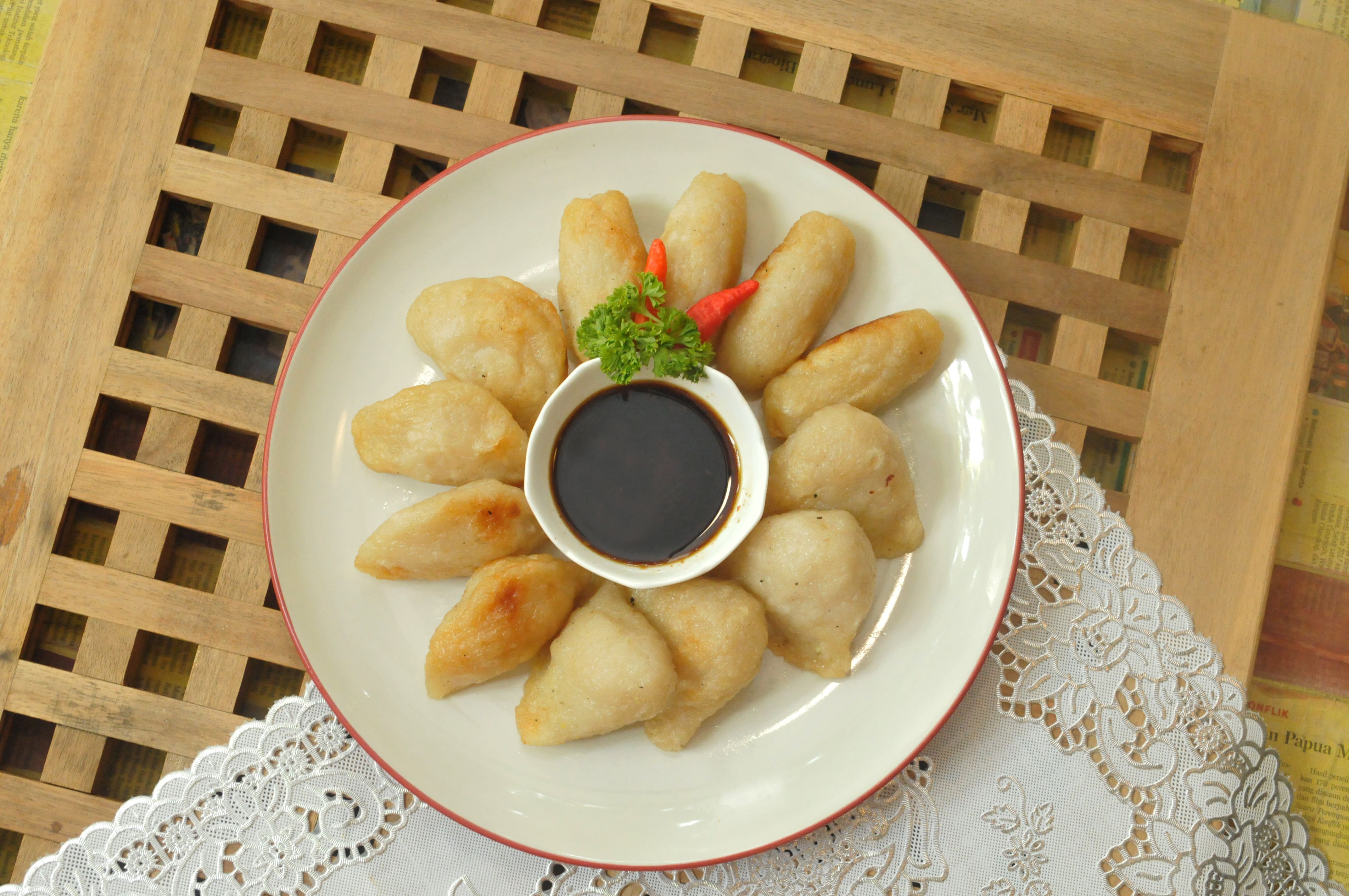
Photo: macarius draftStudio / Pexels
The diets react (see scores below)
Common Ingredients
- fish
- tapioca starch
- eggs
- garlic
- palm sugar
- tamarind
- vinegar
- chili
- cucumber
- dried shrimp
Specific recipes may vary.
Incompatible with 6 of 11 diets
Diet Ratings
Pempek is fundamentally incompatible with a ketogenic diet. The dish's primary structural ingredient is tapioca starch, one of the highest-carb starches available (approximately 88g net carbs per 100g). A single pempek piece can contain 20-30g+ of net carbs from tapioca alone, easily exceeding the entire daily keto carb budget. Compounding this, the accompanying cuko sauce is made with palm sugar and tamarind, both significant sources of sugar and carbohydrates. There is no realistic portion size that makes pempek keto-compatible — the tapioca starch is not an optional ingredient but the defining structural component of the dish. While the fish, eggs, and dried shrimp components are keto-friendly, they are overwhelmed by the carb-heavy tapioca and sweet sauce.
Pempek contains multiple animal-derived ingredients that are clearly excluded from a vegan diet. The dish is built on fish as its primary protein, incorporates eggs into the dough, and the accompanying cuko sauce includes dried shrimp. All three of these ingredients — fish, eggs, and shrimp — are animal products with no ambiguity in vegan classification. There is no meaningful debate within the vegan community about any of these ingredients.
Pempek is a traditional Indonesian fish cake that is fundamentally non-paleo due to tapioca starch as a primary structural ingredient. While tapioca (cassava starch) occupies a gray area in some paleo circles, in its highly processed starch form it acts more like a refined carbohydrate than a whole-food tuber — and is used here in large quantities as the dish's binding base. The accompanying cuko sauce introduces palm sugar (a natural sugar that would be caution-level at best) and vinegar, and dried shrimp may contain added salt or preservatives. Several individual ingredients are paleo-approved (fish, eggs, garlic, tamarind, chili, cucumber), but the dish as a whole is defined by its tapioca-heavy dough, making it structurally incompatible with paleo principles. The processing required to produce tapioca starch from cassava places it far from the whole-food tuber paleo authorities generally permit.
Pempek is a fish-based snack, which aligns well with the Mediterranean diet's emphasis on seafood 2-3 times weekly. Fish as the primary protein is a strong positive. However, tapioca starch is a refined, low-nutrient carbohydrate with no fiber, which conflicts with the preference for whole grains. The cuko dipping sauce contains palm sugar (added sugar) and dried shrimp, adding extra sodium and saturated components. The dish also uses eggs, which are acceptable in moderation. Overall, the fish foundation is commendable, but the refined starch base and sugary dipping sauce pull it away from Mediterranean ideals. It can be consumed occasionally but is not a staple.
Some Mediterranean diet practitioners emphasize the overall dietary pattern over individual ingredient purity, arguing that a fish-forward snack with garlic, tamarind, vinegar, and cucumber is meaningfully better than most processed snacks and acceptable in the broader spirit of the diet. Others would note that tapioca is a whole-food-derived starch used in traditional cuisines, similar to how white rice appears in some Mediterranean regional traditions.
Pempek is fundamentally incompatible with the carnivore diet. While it contains some animal-derived ingredients (fish, eggs, dried shrimp), the dish is built around tapioca starch — a plant-derived carbohydrate — as a primary binder and structural component. The accompanying cuko sauce contains palm sugar (a plant-derived sweetener), tamarind (a legume-family fruit), vinegar (typically plant-fermented), and chili (a plant). The dish also includes cucumber, another plant food. The majority of ingredients by category are explicitly excluded on carnivore. Even a lenient carnivore practitioner cannot approve a dish where plant-derived starch is a foundational ingredient, not a minor additive. The animal components (fish, eggs, shrimp) are carnivore-appropriate in isolation, but they cannot redeem a dish that is structurally dependent on excluded plant foods.
Pempek contains tapioca starch as a primary structural ingredient, which is a starch used to bind the fish cake. More critically, the accompanying cuko dipping sauce contains palm sugar, which is an added sugar explicitly excluded on Whole30. Tapioca starch itself, while derived from cassava (a root vegetable), is a highly processed starch used here to create a dough-like fish cake — functionally equivalent to a noodle or processed grain product. Additionally, the dish as a whole falls into the 'recreating processed/junk food' category (fish cakes/fritters with a sweet-sour dipping sauce). The palm sugar in the cuko sauce alone disqualifies the dish. Even setting aside the sugar, the tapioca-based fish cake structure is problematic as it mimics excluded baked/processed food formats.
Pempek is a traditional Indonesian fish cake served with a sweet-sour dipping sauce (cuko). While several individual components are low-FODMAP (fish, tapioca starch, eggs, vinegar, chili, cucumber), the dish has multiple significant FODMAP concerns. Garlic in the fish cake batter is a high-FODMAP ingredient due to fructans — even small amounts are problematic during elimination. The cuko dipping sauce contains palm sugar (generally low-FODMAP in small amounts) and tamarind, which is low-FODMAP in small servings per Monash but often used in larger quantities in sauces. Dried shrimp is typically low-FODMAP, but the cumulative FODMAP load from garlic alone makes this dish unsuitable during elimination. Traditional recipes almost universally include garlic directly in the fish cake mixture, not as an infused oil, meaning the fructans are fully present.
Monash University has not specifically tested pempek as a dish, so FODMAP ratings rely on ingredient-by-ingredient assessment. Some FODMAP practitioners might suggest garlic could be replaced with garlic-infused oil to make a modified version low-FODMAP, but traditional pempek as served would still be classified as avoid during elimination phase due to garlic fructans.
Pempek is a Indonesian fish cake made primarily from fish and tapioca starch, served with a sweet-sour-spicy cuko sauce. The fish base aligns well with DASH principles as lean protein, and ingredients like cucumber and tamarind add nutritional value. However, several factors reduce its DASH compatibility: (1) Dried shrimp is very high in sodium, a major DASH concern; (2) Tapioca starch is a refined carbohydrate with minimal fiber, contrasting with DASH's emphasis on whole grains; (3) Palm sugar adds significant refined sugar; (4) The cuko dipping sauce combines high-sodium dried shrimp with palm sugar, creating a condiment high in both sodium and added sugar. The dish as commonly consumed in Indonesia is typically deep-fried before serving, adding saturated fat concerns. The fish itself is a DASH-friendly protein, but the overall preparation and sauce significantly compromise its alignment with DASH guidelines.
NIH DASH guidelines emphasize fish as an excellent lean protein and would view the fish base favorably, but the high-sodium dried shrimp and refined tapioca starch create concern under standard DASH interpretation. Some DASH-oriented clinicians note that if pempek is prepared steamed (not fried), sodium-reduced, and portioned appropriately, the fish-forward protein profile could be acceptable — though the cuko sauce would still need significant modification to reduce sodium and added sugar.
Pempek is a traditional Indonesian fish cake made primarily from fish (ground fish paste) and tapioca starch, served with a sweet-sour-spicy sauce (cuko) made from palm sugar, tamarind, vinegar, and chili. The fish base is a positive Zone element — fish is a lean, anti-inflammatory protein source rich in omega-3s. However, tapioca starch is the dominant carbohydrate binder, and it is a high-glycemic, low-nutrient starch with no fiber, making it an 'unfavorable' carb in Zone terminology. The cuko sauce introduces significant palm sugar, which is a concentrated sugar source that spikes glycemic load considerably. Together, the tapioca + palm sugar combination creates a high-glycemic carbohydrate profile that is difficult to balance within Zone blocks. The dish also lacks meaningful low-glycemic vegetables as primary components — cucumber is present but in small garnish quantities. The protein-to-carb ratio is skewed heavily toward carbohydrates. While small portions could be accommodated in a Zone meal with careful block accounting (treating it as a carb-heavy snack with some protein), the structural design of pempek makes achieving a 40/30/30 ratio very difficult without significant modification. The dried shrimp adds protein, and the chili offers some polyphenol benefit, but these do not overcome the glycemic challenges.
Some Zone practitioners might argue that fish-based pempek, eaten in very small portions as a protein-forward snack, can contribute lean protein blocks — particularly if the cuko sauce is minimized or replaced with a lower-sugar version. Dr. Sears' later anti-inflammatory framework would actually appreciate the omega-3-rich fish base and the polyphenol content of chili and tamarind. If portion-controlled strictly (1 small piece with minimal sauce), the glycemic impact could be moderated, pushing the rating closer to a 5-6 caution range for disciplined Zone practitioners.
Pempek is an Indonesian fish cake made from ground fish and tapioca starch, served with a sweet-sour-spicy sauce (cuko) made from palm sugar, tamarind, vinegar, and chili, often accompanied by cucumber and dried shrimp. The dish has a genuinely mixed anti-inflammatory profile. On the positive side, fish is the primary protein, providing omega-3 fatty acids (EPA/DHA), lean protein, and anti-inflammatory properties — especially if made with mackerel or tenggiri (Spanish mackerel), the traditional choice. Garlic and chili contribute anti-inflammatory polyphenols and capsaicin. Tamarind offers antioxidants. The cucumber garnish provides hydration and mild antioxidants. The cuko dipping sauce contains chili (anti-inflammatory) and tamarind (antioxidant), but also palm sugar, which contributes added sugar — a meaningful concern. Palm sugar is less refined than white sugar and has a lower glycemic index with trace minerals, but it still represents added sugar in a non-trivial amount given how heavily the sauce is used. Tapioca starch is a refined carbohydrate with minimal nutritional value, and the fish cake itself is predominantly tapioca, meaning the overall dish is high in refined starch. Dried shrimp are a concentrated source of protein but also high in sodium. The cooking method matters — pempek is typically deep-fried before serving, which reduces its overall anti-inflammatory score, though some versions are boiled. The net profile is moderately pro-inflammatory due to refined tapioca starch dominance, added palm sugar, sodium from dried shrimp, and deep-frying, offset by genuine anti-inflammatory contributions from fish, garlic, chili, and tamarind.
Some anti-inflammatory practitioners might rate pempek more favorably if the fish content is high relative to tapioca and if boiled rather than fried — the omega-3 contribution from mackerel-based pempek is meaningful and the cuko sauce's tamarind and chili have documented anti-inflammatory properties. Conversely, strict anti-inflammatory protocols would flag the refined tapioca starch, added palm sugar, and deep-frying more harshly, potentially pushing this toward 'avoid' territory for those managing active inflammatory conditions.
Pempek is a traditional Indonesian fish cake made with ground fish and tapioca starch, served with a sweet-sour-spicy dipping sauce (cuko) made from palm sugar, tamarind, vinegar, and chili. The fish base provides a meaningful protein source, and the overall fat content is relatively low since the fish is not fried in the traditional sense — though many pempek varieties (notably kapal selam and lenjer) are deep-fried before serving, which significantly worsens its GLP-1 profile. The tapioca starch is the dominant structural ingredient and contributes refined, low-fiber carbohydrates with minimal nutritional density — a notable weakness given that GLP-1 patients need every calorie to count. The cuko dipping sauce introduces palm sugar (high glycemic, empty calories), chili (potential reflux and nausea trigger on GLP-1s), and vinegar (generally tolerated, may aid blood sugar). Dried shrimp adds a small protein and sodium boost but is a minor contributor. Cucumber provides hydration and minimal fiber. The dish's protein-to-carb ratio is poor relative to ideal GLP-1 snacks, and the typical fried preparation and spicy, sugary dipping sauce create compounding GLP-1 side effect risks. If prepared steamed or boiled (not fried) and the cuko sauce is used sparingly or modified to reduce sugar and chili, pempek becomes a more acceptable occasional option. As typically served, it warrants a caution rating.
Some GLP-1-aware dietitians working with Southeast Asian patient populations would note that the fish content, though diluted by starch, still provides lean animal protein in a culturally familiar format, and that completely avoiding traditional foods can undermine long-term dietary adherence — a clinically meaningful concern. Others would rate the fried versions more firmly as 'avoid' given the high-fat, high-glycemic, and spicy-sauce combination that maps directly onto known GLP-1 side effect triggers.
*See how scores were generated at our methodology page.
Nutritional profile
Six traits that cut across every diet.
Fiber & Plants
How much whole-plant food and fiber it delivers.
Healthy Fats
The quality of its fats (unsaturated, omega-3).
Whole / Unprocessed
How close it is to its natural, unprocessed form.
Gut Gentle
How easy it is on digestion (low FODMAP, few irritants).
Low Glycemic
How little it spikes your blood sugar.
Protein Density
How much protein it packs per calorie.
Controversy Index
Higher controversy = more disagreement between diets.
Diet-Specific Tips
 Mediterranean — 5/10
View tips
- Fish is the primary protein — strongly aligned with Mediterranean seafood guidelines
- Tapioca starch is a refined carbohydrate lacking fiber — not in line with whole grain preference
- Palm sugar in cuko sauce adds significant refined/added sugar
- Garlic, tamarind, vinegar, cucumber, and chili are plant-based and beneficial
- Dried shrimp adds extra sodium and processed seafood element
- Eggs are present in moderation — acceptable
- No olive oil; preparation typically involves frying in palm or vegetable oil
 DASH — 4/10
View tips
- Fish is a DASH-approved lean protein source
- Dried shrimp significantly elevates sodium content — a primary DASH concern
- Tapioca starch is a refined carbohydrate lacking fiber, not aligned with DASH whole grain emphasis
- Palm sugar adds substantial refined/added sugar
- Commonly deep-fried, increasing saturated fat content
- Cuko sauce combines high sodium (dried shrimp) with high sugar (palm sugar), doubly problematic for DASH
- Cucumber adds a DASH-friendly vegetable component
- Chili and vinegar are low-sodium flavor enhancers consistent with DASH
- Portion control and preparation method (steamed vs. fried) significantly affect DASH compatibility
 Zone — 4/10
View tips
- Tapioca starch is a high-glycemic, zero-fiber carbohydrate — an 'unfavorable' Zone carb
- Palm sugar in cuko sauce significantly raises glycemic load of the dish
- Fish base is an excellent lean, omega-3-rich Zone protein source
- Carbohydrate-to-protein ratio is structurally imbalanced (carb-heavy by design)
- Minimal low-glycemic vegetables — cucumber present only as garnish
- Dried shrimp adds supplementary protein blocks
- Tamarind and chili provide some polyphenol benefit per Sears' anti-inflammatory focus
- Difficult to achieve 40/30/30 ratio without heavily modifying the traditional recipe
 Anti-Inflammatory — 5/10
View tips
- Fish (especially mackerel) provides omega-3 fatty acids — anti-inflammatory positive
- Tapioca starch dominates the dish and is a refined carbohydrate with minimal nutritional value
- Cuko sauce contains palm sugar (added sugar) — pro-inflammatory concern
- Chili, garlic, and tamarind contribute anti-inflammatory polyphenols and antioxidants
- Typically deep-fried, increasing inflammatory load from oxidized fats
- Dried shrimp add protein but significantly increase sodium content
- Cucumber garnish provides mild antioxidants and fiber
 GLP-1 Friendly — 5/10
View tips
- Fish provides lean protein but is heavily diluted by tapioca starch, reducing protein density per calorie
- Tapioca starch is a refined, low-fiber carbohydrate — poor nutrient density for GLP-1 patients eating smaller portions
- Traditional preparation is often deep-fried, adding significant fat and worsening GI side effects
- Cuko dipping sauce contains palm sugar (high glycemic, empty calories) and chili (reflux/nausea risk on GLP-1s)
- Steamed or boiled versions are meaningfully better than fried versions
- Low fiber content does not support GLP-1-related constipation management
- Cucumber adds minor hydration benefit; dried shrimp adds minimal protein and high sodium
- Portion sensitivity is high — small servings limit sugar and fat exposure but also limit protein intake