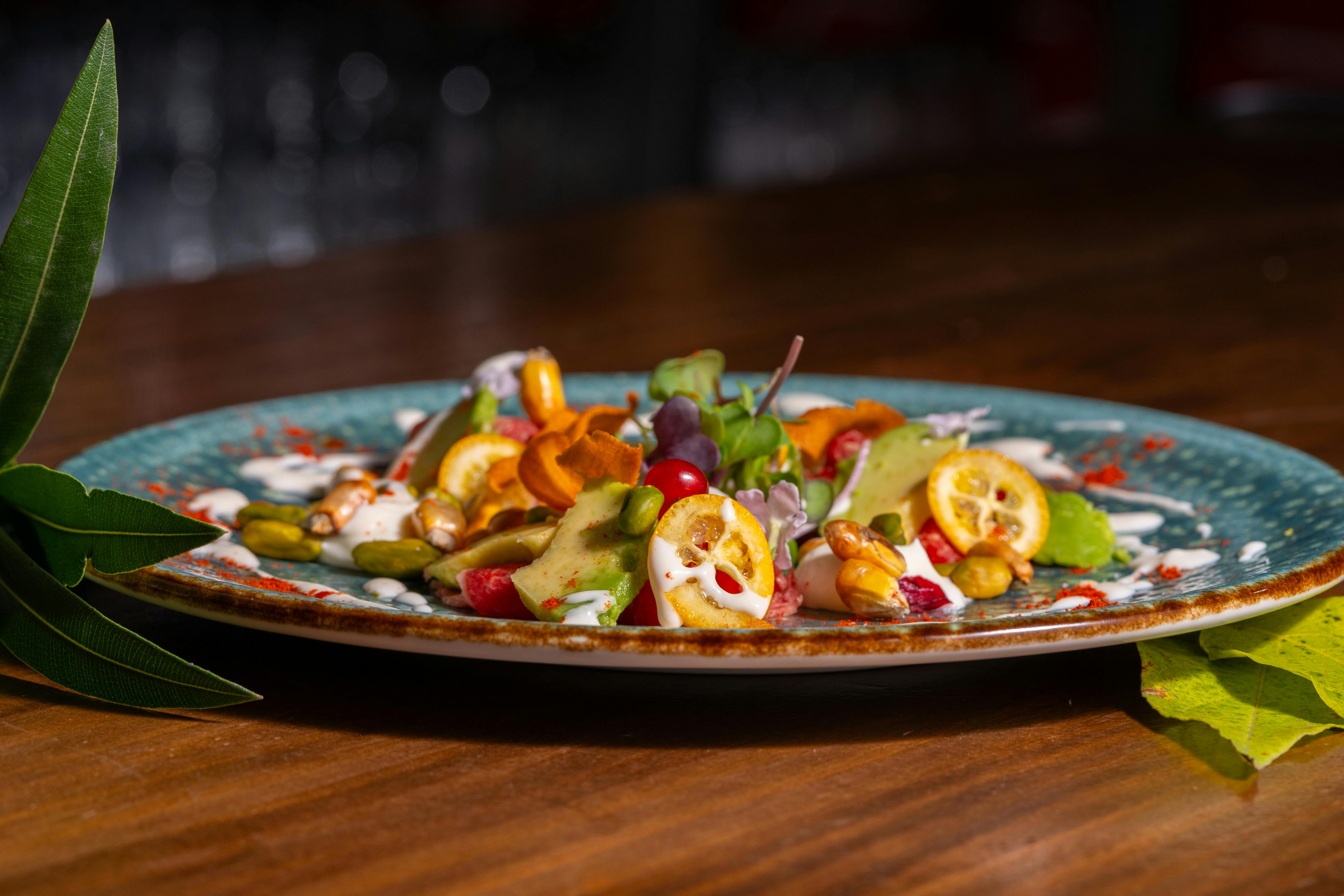
Photo: Nano Erdozain / Pexels
The diets react (see scores below)
Common Ingredients
- green mango
- pineapple
- jicama
- cucumber
- palm sugar
- tamarind
- chili
- peanuts
- shrimp paste
- lime
Specific recipes may vary.
Incompatible with 6 of 11 diets
Diet Ratings
Rujak is fundamentally incompatible with a ketogenic diet. The dish is built around high-sugar tropical fruits (pineapple, green mango) and jicama, all of which carry significant net carbs. The sauce is made with palm sugar and tamarind, both of which are concentrated sources of sugar and carbohydrates. A standard serving of Rujak would easily contain 40-60g+ of net carbs from the fruits alone, before accounting for the palm sugar dressing. The only keto-friendly elements are cucumber (in small amounts), chili, peanuts (in moderation), shrimp paste, and lime juice — but these are overwhelmed by the carb load of the other ingredients. This dish cannot be meaningfully adapted to keto without replacing its core components entirely.
Rujak contains shrimp paste (terasi/belacan), which is an animal-derived ingredient made from fermented shrimp. This is a core component of the traditional sauce that provides its characteristic umami flavor, making the dish clearly non-vegan. All other ingredients — green mango, pineapple, jicama, cucumber, palm sugar, tamarind, chili, peanuts, and lime — are fully plant-based. However, the shrimp paste alone disqualifies the dish from vegan compliance. Vegan versions of rujak do exist using miso paste, soy sauce, or fermented black bean paste as substitutes, but the traditional recipe as listed here is not vegan.
Rujak contains several non-paleo ingredients that disqualify it from approval. Peanuts are a legume and explicitly excluded from the paleo diet. Shrimp paste (terasi/belacan) is a heavily fermented, processed condiment with added salt, placing it firmly in the avoid category. Palm sugar, while more natural than refined sugar, is still a concentrated refined sweetener that falls outside strict paleo guidelines. The remaining ingredients — green mango, pineapple, jicama, cucumber, tamarind, chili, and lime — are all paleo-compliant fruits and vegetables. However, with two clearly non-paleo ingredients (peanuts, shrimp paste) and one avoid-category sweetener (palm sugar), the dish as traditionally prepared cannot be approved or even placed in the caution zone.
Rujak is largely plant-forward, featuring an array of fruits and vegetables (green mango, pineapple, jicama, cucumber) and peanuts, which align well with Mediterranean diet principles emphasizing whole plant foods, legumes, and nuts. However, the dish contains palm sugar (an added sugar), shrimp paste (a fermented, processed condiment not typical of Mediterranean traditions), and tamarind-chili sauce with notable added sweetener. The peanuts and fresh produce are positive elements, and the overall dish is not heavily processed or high in saturated fat. The main concerns are the palm sugar contributing added sugars and the shrimp paste as a processed ingredient. Lime, chili, and tamarind are acceptable flavor components. This dish lands in the caution zone: the plant-heavy base is commendable, but the added sugar and processed shrimp paste hold it back from a full approval.
Some Mediterranean diet practitioners with a broader, ingredient-flexible interpretation might view this as largely approvable given its overwhelming reliance on fresh fruit, vegetables, and nuts with minimal saturated fat — arguing that small amounts of added sugar in a predominantly whole-food dish are acceptable. Others following stricter no-added-sugar guidelines would score it lower toward the avoid range.
Rujak is an Indonesian fruit and vegetable salad that is almost entirely plant-based. The ingredient list includes green mango, pineapple, jicama, cucumber, palm sugar, tamarind, chili, and peanuts — all strictly excluded on a carnivore diet. Even the shrimp paste (belacan), the only animal-derived ingredient, is a minor condiment component and does not redeem the dish. Palm sugar and tamarind are sugar/plant sources, peanuts are legumes, and all the produce is forbidden plant food. This dish has no meaningful animal protein or fat and is fundamentally incompatible with carnivore principles.
Rujak contains two clearly excluded ingredients: peanuts (a legume, explicitly prohibited on Whole30) and palm sugar (an added sugar, explicitly prohibited). The dressing is built around these two ingredients — the palm sugar-tamarind-chili-peanut sauce is the defining element of the dish. Even if the fruit and vegetable components (green mango, pineapple, jicama, cucumber, tamarind, chili, lime) are individually compliant, the foundational sauce cannot be made compliant without fundamentally changing the dish. Shrimp paste (terasi/belacan) is generally compliant as a fermented seafood product, and the fruits/vegetables are all Whole30-friendly. However, the peanut and palm sugar components are non-negotiable exclusions.
Rujak contains multiple high-FODMAP ingredients that make it problematic during the elimination phase. Pineapple is low-FODMAP only at small servings (140g per Monash) but is typically used generously in rujak, risking excess fructose and fructans at larger portions. Green mango is high-FODMAP due to excess fructose. Palm sugar is largely sucrose and is generally considered low-FODMAP in small amounts, but the quantity used in rujak sauce can be significant. Tamarind paste has limited Monash data and is used in moderate amounts. Shrimp paste (belacan/terasi) contains fermented ingredients and lacks clear Monash testing. Most critically, peanuts are moderate-FODMAP (GOS) at standard servings — Monash rates 28g as low-FODMAP, but rujak often uses generous amounts of peanut sauce. Jicama, cucumber, chili, and lime are generally low-FODMAP. The combination of green mango (high fructose), potentially excess pineapple, uncertain shrimp paste, and GOS from peanuts at realistic serving sizes makes this dish very difficult to consume safely during elimination.
Monash University rates pineapple as low-FODMAP at 140g and peanuts as low-FODMAP at 28g, so some FODMAP practitioners might argue that a carefully portioned version of rujak with controlled peanut amounts and limited pineapple could be cautiously tolerated. However, green mango remains problematic, and the composite FODMAP load of the full dish at a standard Indonesian serving makes the 'caution' threshold difficult to stay within in practice.
Rujak features several DASH-friendly ingredients — green mango, pineapple, jicama, cucumber, and lime are rich in fiber, potassium, and antioxidants, aligning well with the DASH emphasis on fruits and vegetables. However, the dish is pulled toward caution by three components: (1) shrimp paste (belacan/terasi), which is extremely high in sodium and a DASH red flag, though it is used in small quantities as a condiment; (2) palm sugar, which contributes added sugars — DASH limits sweets; and (3) peanuts, which are acceptable in moderation under DASH but add caloric density. The fruit-and-vegetable base is genuinely strong, but the sodium load from shrimp paste and the added sugar from palm sugar prevent a full approval. If shrimp paste were omitted or reduced and palm sugar minimized, this dish could approach an approve rating.
NIH DASH guidelines explicitly limit sodium and added sugars, which shrimp paste and palm sugar both contribute; however, some DASH-oriented clinicians note that the small quantity of shrimp paste used as a flavor base and the natural fruit acids from tamarind and lime may not meaningfully impact overall daily sodium or sugar budgets, and would consider a portion-controlled serving of rujak acceptable within a DASH meal plan.
Rujak is an Indonesian fruit and vegetable salad with a sweet-spicy-sour sauce. The dish has a mixed Zone profile. On the positive side, green mango, cucumber, and jicama are relatively low-glycemic, and the chili, tamarind, and lime contribute polyphenols and anti-inflammatory value consistent with Zone principles. Peanuts provide some monounsaturated fat and a small protein contribution. However, the dish is problematic for Zone adherents primarily because of palm sugar, which is a high-glycemic sweetener that typically appears in significant quantity in the rujak sauce — this is the central issue. Pineapple is also a moderately high-glycemic fruit. The combination of palm sugar and pineapple means the carbohydrate load is both high in quantity and elevated in glycemic index. There is no meaningful protein source (shrimp paste contributes trace amounts), making it impossible to hit a 40/30/30 ratio as a standalone dish — it skews heavily carbohydrate with very little protein or fat. Peanuts add some fat but are omega-6 heavy, which conflicts with Sears' anti-inflammatory emphasis on monounsaturated and omega-3 fats. As a side component of a Zone meal — paired with lean protein and monounsaturated fat — the vegetable elements (cucumber, jicama, green mango) could work if the palm sugar sauce is minimized or substituted. As typically prepared and served, however, rujak is a high-carb, low-protein, omega-6-fat-containing dish that requires significant modification to fit Zone ratios.
Some Zone practitioners would be more lenient with rujak if consumed in small portions, treating the vegetables (green mango, jicama, cucumber) as favorable low-GI carb blocks and pairing the dish with a lean protein on the side. The tamarind, lime, and chili contribute polyphenols aligned with Sears' later anti-inflammatory Zone refinements, and a small serving could occupy a carb block within a broader Zone-compliant meal. The key variable is how much palm sugar is used — a reduced-sugar version could push this dish closer to a score of 5-6.
Rujak is a colorful Indonesian fruit and vegetable salad with a genuinely mixed anti-inflammatory profile. On the positive side, the base ingredients are strongly anti-inflammatory: green mango and pineapple provide vitamin C, antioxidants, and bromelain (an enzyme with demonstrated anti-inflammatory properties); jicama offers prebiotic fiber; cucumber is hydrating and mildly anti-inflammatory; tamarind contains polyphenols and antioxidants; chili pepper contributes capsaicin, a well-documented anti-inflammatory compound; lime adds vitamin C and flavonoids; and peanuts provide some resveratrol and monounsaturated fats, though they are a legume with moderate omega-6 content. The sauce binder, however, introduces complications. Palm sugar is a form of added sugar — less refined than white sugar and with a lower glycemic index, but still a significant source of added sugar that can promote inflammation in quantity. Shrimp paste (terasi/belacan) is a fermented product that adds sodium and is processed, though fermented foods carry some probiotic benefit. The overall dish leans toward a whole-food, plant-forward profile with vibrant antioxidant-rich fruits and vegetables, but the palm sugar-heavy dressing and shrimp paste prevent a full 'approve' rating. Portion size and the ratio of sauce to vegetables matter considerably — a light-dressed rujak is closer to approve, while a heavily sweetened version tips toward caution.
Some anti-inflammatory practitioners may rate this higher, arguing that palm sugar is a minimally processed traditional sweetener with trace minerals and a lower glycemic index than refined sugar, and that the overwhelming antioxidant load from the fruit and chili base outweighs the sugar concern. Conversely, stricter anti-inflammatory and autoimmune protocols (e.g., AIP-adjacent approaches) might flag the peanuts (lectins, omega-6) and shrimp paste (processed, high sodium) as additional concerns, potentially pushing the score lower.
Rujak is a fruit and vegetable salad with high water content, meaningful fiber from green mango, pineapple, jicama, and cucumber, and some digestive enzyme activity from the pineapple. However, it has virtually no protein (peanuts contribute a small amount but not enough to meet GLP-1 protein-per-meal targets of 15-30g), and the palm sugar-based sauce adds a meaningful sugar load that provides empty calories — a significant concern given the reduced caloric budget on GLP-1 medications. The chili and shrimp paste may worsen nausea or reflux in GLP-1 patients who are sensitive to spicy or pungent ingredients, particularly around injection day. The peanut component does add some unsaturated fat and a modest protein contribution, but the overall dish remains low in protein density per calorie. As an occasional side dish or small-portion accompaniment paired with a lean protein source, it is acceptable; as a standalone meal or snack it fails to meet GLP-1 nutritional priorities.
Some GLP-1-focused dietitians may view this more favorably as a high-hydration, high-fiber, plant-forward option that supports digestion and fullness — particularly for patients struggling with GI side effects who need lighter, easier-to-digest foods. Others will flag the palm sugar and spice level as disqualifying, especially for patients with blood sugar sensitivity or reflux, making individual tolerance the key variable here.
*See how scores were generated at our methodology page.
Nutritional profile
Six traits that cut across every diet.
Fiber & Plants
How much whole-plant food and fiber it delivers.
Healthy Fats
The quality of its fats (unsaturated, omega-3).
Whole / Unprocessed
How close it is to its natural, unprocessed form.
Gut Gentle
How easy it is on digestion (low FODMAP, few irritants).
Low Glycemic
How little it spikes your blood sugar.
Protein Density
How much protein it packs per calorie.
Controversy Index
Higher controversy = more disagreement between diets.
Diet-Specific Tips
 Mediterranean — 5/10
View tips
- Rich in fresh fruits and vegetables (mango, pineapple, cucumber, jicama) — strongly aligned with Mediterranean principles
- Peanuts provide plant-based protein and healthy fats, consistent with legume/nut emphasis
- Palm sugar is an added sugar, contradicting Mediterranean diet guidance to minimize added sugars
- Shrimp paste is a processed, fermented condiment not typical of Mediterranean traditions
- No olive oil or Mediterranean-specific fats present
- No red meat, refined grains, or highly processed ingredients beyond shrimp paste
- Lime, chili, and tamarind are acceptable natural flavorings
 DASH — 5/10
View tips
- Shrimp paste is very high in sodium, conflicting with DASH sodium limits
- Palm sugar adds significant refined/added sugar, which DASH discourages
- Fruit and vegetable base (mango, pineapple, jicama, cucumber) is DASH-positive and rich in fiber and potassium
- Peanuts are acceptable in moderation under DASH but add calories and fat
- Tamarind and lime contribute beneficial micronutrients with minimal sodium
- Sodium impact depends heavily on amount of shrimp paste used; low-sodium adaptation possible
 Zone — 4/10
View tips
- Palm sugar is a high-glycemic sweetener that dominates the sauce and drives up glycemic load
- No significant lean protein source — shrimp paste is negligible; dish cannot achieve 40/30/30 alone
- Pineapple is moderately high-glycemic, compounding the sugar load
- Green mango, jicama, and cucumber are Zone-favorable low-glycemic vegetables
- Peanuts provide fat but are omega-6 heavy, conflicting with Zone's monounsaturated fat preference
- Tamarind, lime, and chili contribute polyphenols consistent with anti-inflammatory Zone principles
- Dish requires pairing with lean protein and fat, and sauce reduction, to approach Zone compatibility
 Anti-Inflammatory — 6/10
View tips
- Pineapple bromelain: anti-inflammatory enzyme with supporting research
- Chili pepper capsaicin: well-documented anti-inflammatory compound
- Green mango, cucumber, jicama: antioxidant-rich, high-fiber whole foods
- Tamarind and lime: polyphenol and vitamin C contributors
- Palm sugar: added sugar, pro-inflammatory in excess despite lower GI than refined sugar
- Peanuts: moderate omega-6 content and lectin considerations, but also resveratrol
- Shrimp paste: fermented (mild probiotic benefit) but highly processed and high sodium
- No refined oils or trans fats: positive structural factor
 GLP-1 Friendly — 4/10
View tips
- Negligible protein — does not meet 15-30g per meal target
- High fiber from jicama, green mango, cucumber, and pineapple — supports digestion and GLP-1 side effect management
- High water content from fruits and vegetables — supports hydration
- Palm sugar adds significant simple sugars — empty calories in a reduced-calorie context
- Chili and shrimp paste may worsen nausea, reflux, or GI discomfort in GLP-1 patients
- Peanuts add modest unsaturated fat and minimal protein but not enough to rescue protein deficiency
- Acceptable only as a side dish paired with a high-protein main; inadequate as a standalone meal