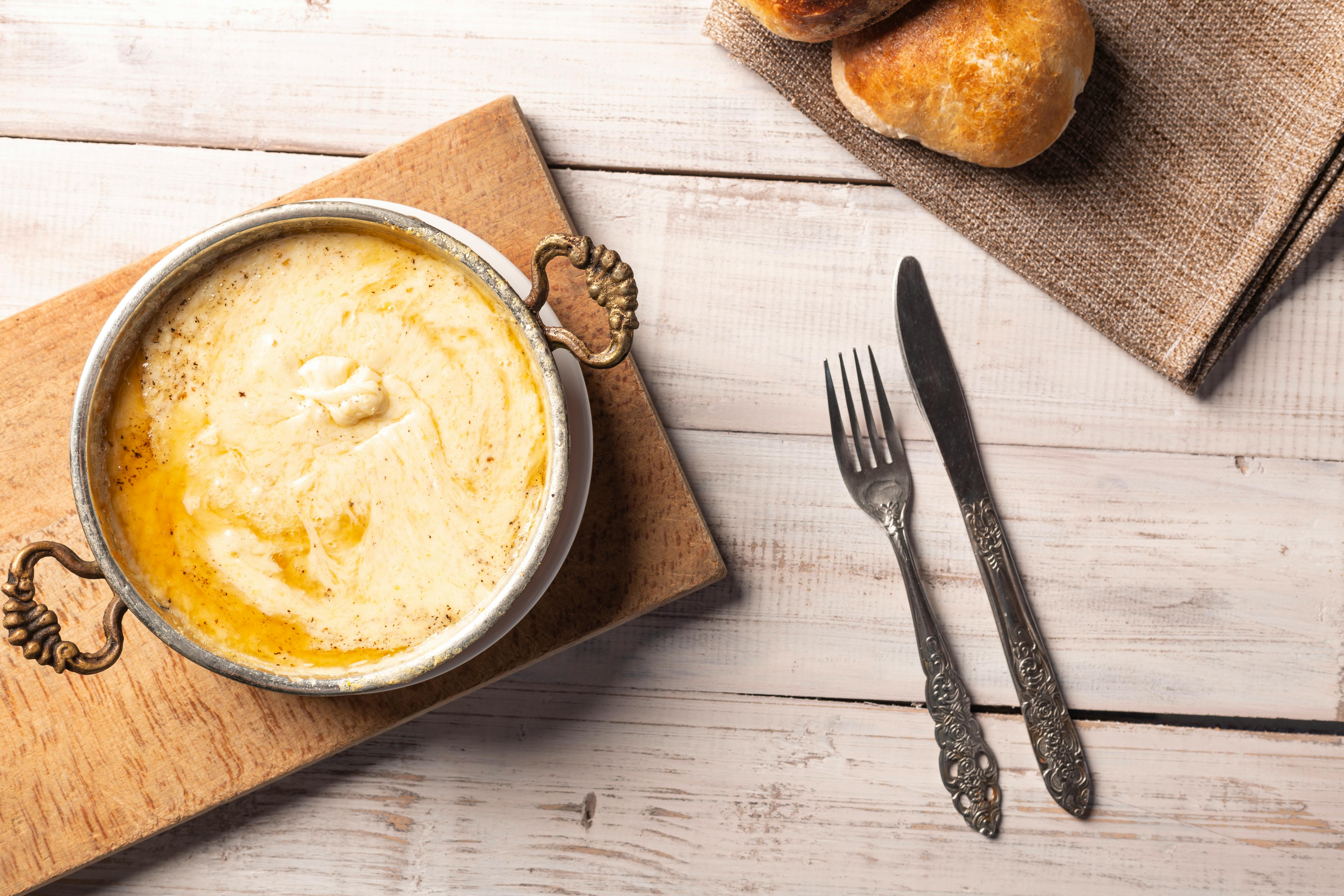
Jamaican
Cornmeal Porridge
The diets react (see scores below)
Common Ingredients
- cornmeal
- milk
- coconut milk
- cinnamon
- nutmeg
- vanilla
- condensed milk
- sugar
Specific recipes may vary.
Incompatible with 10 of 11 diets
Diet Ratings
Jamaican Cornmeal Porridge is fundamentally incompatible with a ketogenic diet. Cornmeal alone is a high-carb grain product with roughly 70g of net carbs per 100g dry weight, making a single serving easily exceed the entire daily keto carb budget of 20-50g. This is compounded by the addition of condensed milk and sugar, which are concentrated sources of added sugar that would immediately disrupt ketosis. Regular milk also contributes lactose (milk sugar). There is no reasonable portion size or modification that could make this dish keto-compatible while retaining its identity — the base ingredient itself is the problem.
Jamaican Cornmeal Porridge as traditionally prepared contains multiple animal-derived ingredients that disqualify it from a vegan diet. The ingredient list includes milk (dairy) and condensed milk (dairy), both of which are clear animal products. While cornmeal, coconut milk, cinnamon, nutmeg, vanilla, and sugar are all plant-based, the presence of dairy milk and condensed milk makes this dish non-vegan. A vegan version could be made by substituting dairy milk with a plant-based milk (e.g., oat, almond, or additional coconut milk) and replacing condensed milk with sweetened coconut condensed milk or a similar plant-based alternative, in which case it would score highly.
Cornmeal Porridge is fundamentally incompatible with the Paleo diet. Cornmeal is a grain (derived from corn/maize), which is explicitly excluded from the Paleo framework. Beyond the base ingredient, this dish stacks multiple additional non-Paleo components: milk and condensed milk are dairy products, refined sugar and condensed milk contain processed/refined sugar, and the overall dish is a processed, cooked grain preparation. There are no salvageable Paleo-compliant elements in this recipe beyond the spices (cinnamon, nutmeg, vanilla). Coconut milk is the only ingredient that would otherwise be Paleo-approved, but it cannot offset the numerous core violations.
Cornmeal Porridge as prepared here contains multiple ingredients that conflict with Mediterranean diet principles. Condensed milk and added sugar represent significant sources of added sugars, which are explicitly discouraged. Coconut milk, while a plant-based fat, is high in saturated fat and is not part of the Mediterranean fat tradition (olive oil is the canonical primary fat). The base ingredient, cornmeal, is a refined grain in its typical porridge form, lacking the fiber and nutritional profile of whole grains emphasized in the diet. The combination of sweetened condensed milk, added sugar, and coconut milk makes this a high-sugar, high-saturated-fat dish with no meaningful protein or plant-forward nutritional benefit. The spices (cinnamon, nutmeg, vanilla) are neutral, but they cannot offset the problematic core ingredients.
Cornmeal Porridge is fundamentally incompatible with the carnivore diet. The primary ingredient, cornmeal, is a grain and entirely plant-derived — a direct violation of carnivore principles. The dish is further compounded by coconut milk (plant-derived), cinnamon, nutmeg, and vanilla (plant-based spices), condensed milk (heavily processed, sugar-laden dairy), and added sugar. Even the regular milk, the only marginally carnivore-adjacent ingredient, is overshadowed by the overwhelming plant and processed content. This dish has no meaningful animal-derived protein or fat and is built around a grain base with sweeteners — essentially the opposite of what the carnivore diet prescribes.
Cornmeal Porridge contains multiple excluded ingredients that make it clearly non-compliant with Whole30. Cornmeal is a corn-derived grain, which is explicitly excluded. Milk is dairy, also excluded. Condensed milk is both dairy and contains added sugar — doubly excluded. Sugar itself is an excluded added sweetener. Even setting aside the spirit-of-the-program concerns, this dish fails on at least four separate Whole30 rules simultaneously.
Jamaican Cornmeal Porridge contains two high-FODMAP ingredients that make it unsuitable during the elimination phase. First, regular cow's milk is high in lactose and is used as a primary liquid base — a standard serving would deliver a significant lactose load. Second, condensed milk is essentially concentrated sweetened cow's milk, making it extremely high in lactose and also very high in sugar. These two dairy ingredients together create a substantial FODMAP problem. Cornmeal itself is low-FODMAP (it's a gluten-free grain). Coconut milk is low-FODMAP at small servings (up to 1/2 cup per Monash), cinnamon, nutmeg, and vanilla extract are low-FODMAP, and plain sugar (sucrose) is low-FODMAP. However, the combination of regular milk and condensed milk as core ingredients in a porridge base means this dish is high-FODMAP at any standard serving size. To make it low-FODMAP, one would need to substitute lactose-free milk or a suitable plant-based milk (e.g., rice milk, almond milk at ≤1/4 cup) and eliminate or replace the condensed milk with a lactose-free sweetened alternative.
Jamaican Cornmeal Porridge as traditionally prepared contains multiple ingredients that conflict with DASH diet principles. The combination of condensed milk (very high in added sugar and saturated fat), coconut milk (high in saturated fat from tropical oils, which DASH explicitly limits), and added sugar creates a dish that is high in saturated fat, added sugars, and calories with minimal nutritional benefit relative to DASH goals. Condensed milk alone can contribute 20-25g of sugar per serving and significant saturated fat. Coconut milk is a tropical oil derivative that DASH guidelines specifically flag as a food to limit. While cornmeal itself is a whole grain that aligns with DASH principles, and spices like cinnamon, nutmeg, and vanilla are neutral, the sweetening agents and coconut milk dominate the nutritional profile negatively. The regular milk component is the only clearly DASH-compatible element, and even that is undermined by the full-fat coconut milk alongside it.
Jamaican Cornmeal Porridge is essentially a high-glycemic carbohydrate bomb with almost no redeeming Zone-compatible qualities. The base ingredient — cornmeal — is a high-glycemic grain that Sears classifies as an unfavorable carbohydrate. This is then compounded by two explicit sugar sources: refined white sugar and condensed milk, which is heavily sweetened concentrated milk. The result is a dish that is overwhelmingly carbohydrate-heavy with a glycemic load that would cause a dramatic insulin spike — precisely the hormonal response the Zone Diet is designed to prevent. There is no meaningful lean protein to balance the carbohydrates (milk provides minor protein, but far below the 1:1 carb-to-protein block ratio required), and the fat profile is dominated by saturated fat from coconut milk rather than favorable monounsaturated fats. The spices (cinnamon, nutmeg, vanilla) are the only Zone-positive elements, as polyphenol-rich spices align with Sears' anti-inflammatory principles, but they are nutritionally negligible here. Even with careful portioning, the dish cannot be restructured into Zone balance without fundamentally changing its character — you cannot portion-control added condensed milk and sugar into a Zone-friendly meal. This dish fails on the Zone's core macronutrient ratio, glycemic control, and anti-inflammatory priorities simultaneously.
Jamaican Cornmeal Porridge has a mixed anti-inflammatory profile. On the positive side, cinnamon and nutmeg are anti-inflammatory spices, and cornmeal provides some fiber and whole grain benefit (depending on how refined it is). However, the dish as traditionally prepared is heavily loaded with added sugars — both condensed milk (which is high in added sugar and saturated fat) and additional white sugar are significant pro-inflammatory ingredients. Condensed milk also contributes full-fat dairy and saturated fat. Coconut milk adds saturated fat (primarily medium-chain triglycerides, which are more metabolically neutral than long-chain saturated fats, but still not anti-inflammatory at high volumes). Vanilla is neutral to mildly beneficial. The net effect is a high-glycemic, sugar-dense dish that can drive insulin spikes and promote inflammatory markers like CRP — largely negating the modest benefits from the spices and cornmeal. A modified version with unsweetened coconut milk, reduced or no added sugar, and whole-grain cornmeal could shift the profile more favorably, but as traditionally prepared, caution is warranted.
Jamaican cornmeal porridge as traditionally prepared is a poor fit for GLP-1 patients. The combination of condensed milk, added sugar, and coconut milk creates a high-sugar, high-saturated-fat dish with negligible protein and low fiber. Condensed milk and sugar together drive a significant glycemic spike, directly counterproductive to blood sugar stabilization — a core goal for most GLP-1 patients. Coconut milk adds saturated fat, which worsens nausea, bloating, and reflux that are already common GLP-1 side effects. Cornmeal itself provides minimal fiber compared to whole grains and offers almost no protein. With reduced appetite on GLP-1 medications, this dish represents nearly empty calories — no meaningful protein to protect muscle mass, no substantial fiber to support digestion or fullness, and a fat and sugar load likely to exacerbate GI side effects. It fails on the two highest-priority criteria (protein and fiber) while actively triggering concerns on criteria three through eight.
*See how scores were generated at our methodology page.
Nutritional profile
Six traits that cut across every diet.
Fiber & Plants
How much whole-plant food and fiber it delivers.
Healthy Fats
The quality of its fats (unsaturated, omega-3).
Whole / Unprocessed
How close it is to its natural, unprocessed form.
Gut Gentle
How easy it is on digestion (low FODMAP, few irritants).
Low Glycemic
How little it spikes your blood sugar.
Protein Density
How much protein it packs per calorie.
Controversy Index
Higher controversy = more disagreement between diets.
Diet-Specific Tips
 Anti-Inflammatory — 4/10
View tips
- High added sugar load from condensed milk and granulated sugar — strongly pro-inflammatory
- Condensed milk contributes saturated fat and full-fat dairy
- Coconut milk adds saturated fat (MCTs — more neutral than long-chain but still limit-worthy)
- Cinnamon and nutmeg provide modest anti-inflammatory polyphenols
- Cornmeal offers some fiber but is a refined carbohydrate in most commercial forms
- High glycemic index dish likely to spike blood glucose and insulin
- No significant source of omega-3s, antioxidants, or polyphenols to offset sugar/fat burden