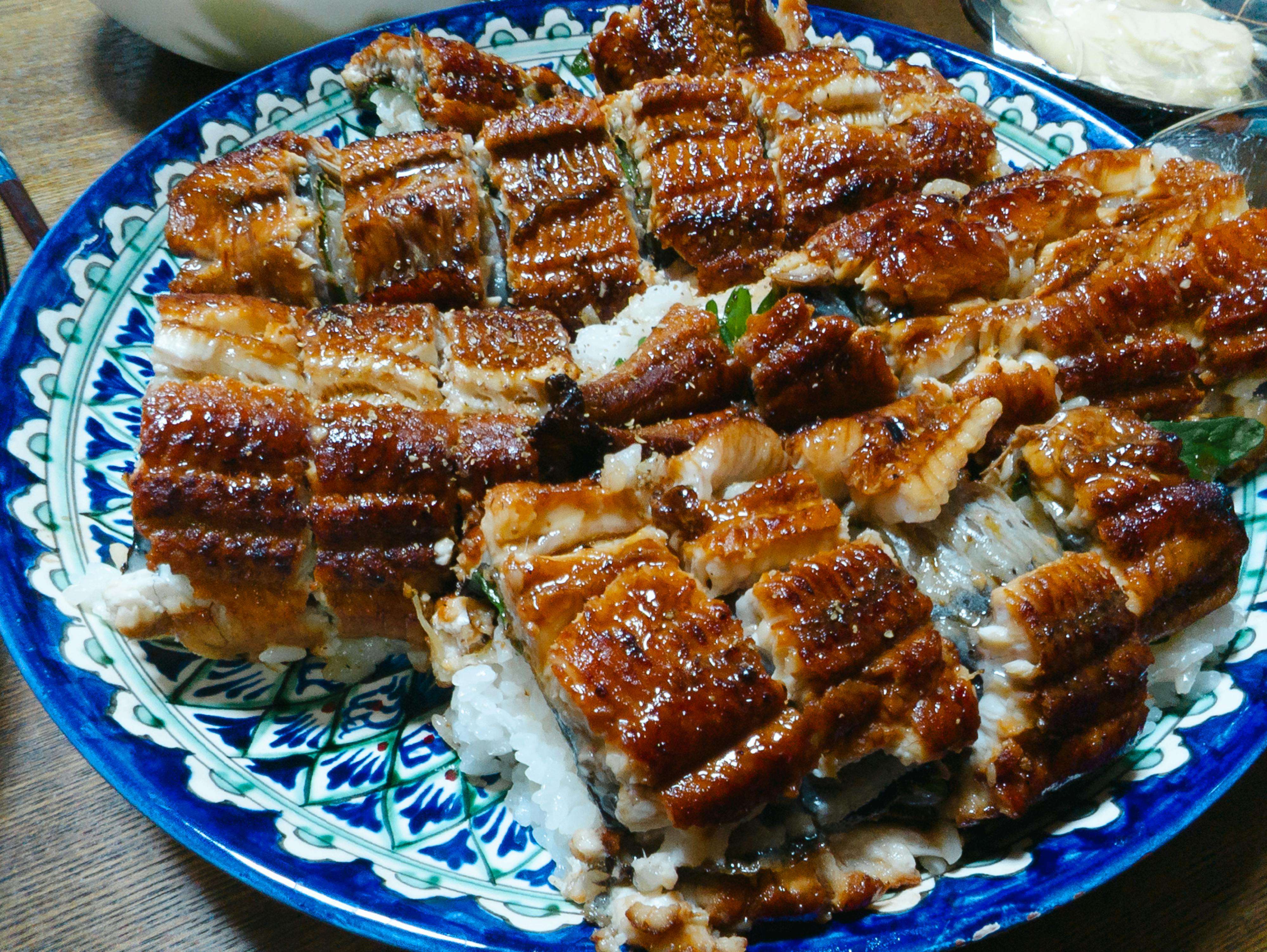
Photo: Markus Winkler / Pexels
Japanese
Hitsumabushi
The diets react (see scores below)
Common Ingredients
- eel
- rice
- soy sauce
- mirin
- sugar
- dashi
- green onion
- wasabi
Specific recipes may vary.
Incompatible with 5 of 11 diets
Diet Ratings
Hitsumabushi is fundamentally incompatible with ketogenic diet. The dish is built on a substantial base of white rice, which alone contributes approximately 40-50g of net carbs per standard serving, instantly exceeding or maxing out the entire daily keto carb allowance. Beyond rice, the tare sauce contains mirin (a sweet rice wine) and added sugar, further spiking carbohydrate and sugar content. Soy sauce also contributes minor carbs. While the eel itself is an excellent keto protein and fat source — rich in omega-3s and healthy fats — it is completely undermined by the surrounding ingredients. There is no realistic portion adjustment that makes this dish keto-compatible while remaining recognizable as Hitsumabushi.
Hitsumabushi is a traditional Japanese dish centered on grilled eel (unagi) served over rice with a sweet soy-based tare sauce. Eel is unambiguously a fish — an animal product — making this dish incompatible with a vegan diet. Additionally, dashi in its traditional form is typically made from katsuobushi (dried bonito flakes) or a combination of fish and kombu, adding a second animal-derived ingredient. There is no ambiguity here: the primary protein is a vertebrate animal, and the dish cannot be considered vegan in any mainstream interpretation of the term.
Hitsumabushi is fundamentally incompatible with paleo due to multiple core violations. Rice is a grain and is excluded under strict paleo rules. Soy sauce contains both soy (a legume) and wheat (a grain), making it doubly non-paleo. Mirin is a sweetened rice wine — again grain-based and containing refined sugar. Sugar itself is a refined sweetener explicitly excluded. Dashi (typically made from kombu and bonito flakes) is the one component that is largely paleo-acceptable, as is the eel itself (an excellent paleo protein), along with green onion and wasabi. However, the dish is structurally built around rice and sauced with soy sauce, mirin, and sugar — all of which are clear avoid-category ingredients. The majority of the dish's components and its defining character are non-paleo.
Hitsumabushi features eel, a fatty fish rich in omega-3s and protein, which aligns well with the Mediterranean diet's emphasis on fish and seafood 2-3 times weekly. However, several factors temper enthusiasm: the dish uses white rice (a refined grain) rather than whole grains; the eel sauce contains added sugar and mirin (a sweet rice wine), contributing significant added sugars; and soy sauce introduces high sodium. The dashi broth, green onion, and wasabi are innocuous or mildly positive. Eel specifically is less commonly consumed than Mediterranean staples like sardines or salmon, but its fatty fish profile is nutritionally compatible. The combination of white rice and sweet sauce makes this a moderate-caution dish overall — acceptable occasionally but not a Mediterranean staple.
Some Mediterranean diet researchers take a broader view, noting that traditional coastal Japanese diets share many longevity-promoting features with Mediterranean eating patterns, including high fish consumption and minimal red meat. From this 'dietary pattern' perspective, an occasional eel dish over rice could be seen as compatible, particularly given eel's rich omega-3 content. However, mainstream Mediterranean diet guidelines specifically flag added sugars and refined grains as components to minimize.
Hitsumabushi is fundamentally incompatible with the carnivore diet. While eel (unagi) is an approved animal protein, it is served over rice (a grain — entirely excluded), and the accompanying sauce contains soy sauce (fermented soy — a legume), mirin (sweet rice wine), and sugar (refined carbohydrate). The dish is also garnished with green onion (plant) and wasabi (plant). Every ingredient except the eel itself violates carnivore principles. The plant-based components are not incidental — rice is the base of the dish, the sauce is integral, and the condiments are defining elements of the Hitsumabushi experience. This is not a dish that can be adapted; it is structurally a grain bowl with a glazed fish topping.
Hitsumabushi contains multiple excluded ingredients that make it incompatible with Whole30. Rice is a grain and is explicitly excluded from the program. Sugar is an added sweetener, also explicitly excluded. Mirin is a sweet rice wine that contains both alcohol and sugar, making it doubly excluded. Soy sauce typically contains wheat (a grain) and soy (a legume), both excluded — coconut aminos would be the compliant substitute. The eel, dashi (if made from kombu and bonito), green onion, and wasabi are generally compliant, but the combination of rice, sugar, mirin, and soy sauce means this dish as traditionally prepared is firmly off-limits.
Hitsumabushi is a traditional Nagoya dish of grilled eel (unagi) over rice, served with condiments. Breaking down each ingredient: Eel itself is a protein and is low-FODMAP. White rice is low-FODMAP (approved). Soy sauce is low-FODMAP in typical serving amounts (up to 2 tablespoons). Mirin contains sugars but is generally used in small quantities and considered low-FODMAP in standard culinary amounts. Sugar is low-FODMAP. Dashi (typically made from kombu and bonito flakes) is low-FODMAP. Wasabi in small amounts is generally considered low-FODMAP. The primary concern is green onion (scallion): the green tops are low-FODMAP, but the white bulb portions are high-FODMAP due to fructans. In Japanese cooking, green onion garnish often includes white portions. Additionally, unagi sauce (a sweet soy glaze used on eel) is typically made with soy sauce, mirin, and sugar, which individually are fine, but commercial unagi sauces may contain garlic or onion-derived ingredients or HFCS. The dish as traditionally prepared sits in 'caution' territory primarily due to the green onion portions used and potential hidden ingredients in commercial sauces, though it is relatively low-FODMAP compared to many other dishes if green tops only are used.
Monash University rates the green tops of scallions/green onions as low-FODMAP, but many clinical FODMAP practitioners advise patients to confirm which part is used, as the white bulb is high in fructans. Commercial unagi glazes may also contain undisclosed high-FODMAP ingredients, making home-prepared versions safer than restaurant versions during the elimination phase.
Hitsumabushi features grilled eel over rice with a tare sauce made from soy sauce, mirin, and sugar — a combination that creates notable concerns for DASH compliance. Eel (unagi) is a lean fish providing protein and some omega-3s, which aligns with DASH's emphasis on fish. However, the traditional soy sauce-based tare glaze is high in sodium, and eel itself when prepared as kabayaki is typically lacquered with multiple layers of this sauce, pushing sodium content well above DASH-friendly levels (a typical serving can exceed 800-1,200mg sodium). Mirin and sugar add significant refined sugar content, which DASH limits. On the positive side, white rice provides energy but lacks the fiber of DASH-preferred whole grains, and the dish does include some beneficial micronutrients from eel (vitamin A, D, B12). Green onion and wasabi are DASH-friendly garnishes. The overall dish is acceptable occasionally but the high sodium from soy sauce tare and added sugars from mirin/sugar make it a poor fit for regular DASH consumption, particularly for those on the stricter 1,500mg sodium target.
NIH DASH guidelines would flag this dish primarily for its high sodium from soy sauce and the refined carbohydrate base of white rice. However, updated clinical interpretations note that eel is a nutrient-dense fish with beneficial fats and micronutrients, and some DASH-oriented dietitians allow traditional Japanese dishes occasionally given the overall dietary pattern context — portion control and requesting reduced-sodium soy sauce can substantially improve compliance.
Hitsumabushi presents a mixed Zone Diet profile. Eel (unagi) is actually a favorable protein source — it provides lean-to-moderate protein with notable omega-3 fatty acids and monounsaturated fat content, aligning well with Zone anti-inflammatory principles. However, the dish is built on a foundation of white rice, which is a high-glycemic carbohydrate that Dr. Sears explicitly classifies as 'unfavorable' in Zone terminology. The tare sauce compounds the issue: mirin and sugar add significant fast-digesting carbohydrates and drive up the glycemic load considerably. These sugars make it difficult to maintain the 40/30/30 ratio without dramatic portion reduction of the rice. On the positive side, green onion adds polyphenols, wasabi has anti-inflammatory properties, and dashi is essentially calorie-neutral. The dish could theoretically be portioned into Zone blocks — for instance, a very small rice portion (roughly 1/3 cup cooked) alongside adequate eel — but in its traditional serving size, white rice dominates the carbohydrate load and the sweet glaze adds glycemic stress. This is a 'caution' food that requires aggressive portion control of the rice and sauce components to fit Zone parameters.
Hitsumabushi is a traditional Japanese eel (unagi) rice dish that presents a genuinely mixed anti-inflammatory profile. On the positive side, freshwater eel is a meaningful source of omega-3 fatty acids (EPA and DHA), along with vitamins A, D, B12, and zinc — all nutrients associated with reduced inflammatory markers. The dashi (typically kombu and bonito) adds glutamates and trace minerals without inflammatory concern. Green onions contribute quercetin and other anti-inflammatory polyphenols, and wasabi contains isothiocyanates with documented anti-inflammatory properties. However, several factors temper the score: the eel is traditionally glazed and grilled with a tare sauce made from soy sauce, mirin, and sugar, creating a preparation that is notably high in added sugar and sodium. The added sugar content is a meaningful pro-inflammatory concern per the anti-inflammatory framework. White rice, the base of the dish, is a refined carbohydrate with a high glycemic index, contributing to postprandial glucose spikes that can promote inflammatory signaling. The portion of omega-3s in eel, while real, is lower than in fatty fish like salmon or mackerel. The net result is a dish with genuine anti-inflammatory ingredients offset by a high-sugar glaze and refined grain base — squarely in 'caution' territory when evaluated holistically.
Some anti-inflammatory practitioners (aligned with Japanese longevity diet research) would rate eel more favorably, noting that traditional Japanese dietary patterns as a whole — of which unagi is a part — are associated with dramatically lower inflammatory disease rates; the omega-3s, micronutrients, and fermented soy components could push this toward approval in a broader dietary context. Conversely, stricter anti-inflammatory frameworks (e.g., those emphasizing glycemic control) would flag the sugar-heavy tare glaze and white rice base more severely and score this closer to a 3-4.
Hitsumabushi is a traditional Japanese eel (unagi) rice dish where the eel is grilled and glazed with a sweet tare sauce made from soy sauce, mirin, and sugar. It has genuine strengths for GLP-1 patients — eel is a real protein source and contains omega-3 fatty acids — but several factors push it into caution territory. First, unagi is notably high in fat compared to leaner fish like salmon or cod, with a typical serving delivering significant saturated fat alongside the beneficial unsaturated fat. Second, the sweet glaze (mirin + sugar) adds meaningful sugar load with low nutritional return. Third, the white rice base is a refined carbohydrate with low fiber and high glycemic impact, which is suboptimal when fiber and nutrient density per calorie are priorities. Fourth, portion sizes in a traditional Hitsumabushi serving are substantial, and the rice-heavy composition means a patient eating small volumes may under-consume protein relative to carbohydrates. The condiments (wasabi, green onion, dashi broth) are genuinely beneficial — dashi adds hydration and umami with minimal calories, wasabi in small amounts is unlikely to cause significant GI distress for most patients, and green onion adds minor fiber and micronutrients. This dish is not a GLP-1 dietary staple, but it is not in avoid territory either — it can be consumed mindfully with portion awareness, emphasis on the eel over rice, and in a context where the day's overall protein and fiber targets are being met.
Some GLP-1-focused dietitians would rate unagi more favorably given its omega-3 content and the meal's overall lower processing level compared to typical Western restaurant options, arguing that the fat profile is predominantly unsaturated and the sugar quantity in a glaze is modest per serving. Others are stricter about the refined rice base and sweet glaze, particularly for patients managing blood sugar alongside weight, and would recommend swapping to a smaller rice portion or a cauliflower rice alternative to improve the dish's glycemic and fiber profile.
*See how scores were generated at our methodology page.
Nutritional profile
Six traits that cut across every diet.
Fiber & Plants
How much whole-plant food and fiber it delivers.
Healthy Fats
The quality of its fats (unsaturated, omega-3).
Whole / Unprocessed
How close it is to its natural, unprocessed form.
Gut Gentle
How easy it is on digestion (low FODMAP, few irritants).
Low Glycemic
How little it spikes your blood sugar.
Protein Density
How much protein it packs per calorie.
Controversy Index
Higher controversy = more disagreement between diets.
Diet-Specific Tips
 Mediterranean — 5/10
View tips
- Eel is a fatty fish rich in omega-3s, supporting the Mediterranean fish consumption goal
- White rice is a refined grain, not preferred over whole grains in Mediterranean guidelines
- Eel sauce contains added sugar and mirin, contributing excess added sugars
- High sodium content from soy sauce is a concern
- No olive oil or plant-based fats; dish relies on eel's own fat
- Green onion and wasabi are minor positive/neutral contributors
- Dashi is a light, low-calorie broth with minimal nutritional concern
 Low-FODMAP — 5/10
View tips
- Eel (unagi) is a pure protein — low-FODMAP
- White rice is low-FODMAP and safe
- Green onion: green tops are low-FODMAP, white bulb portions are high-FODMAP (fructans)
- Dashi (kombu + bonito) is low-FODMAP
- Soy sauce and mirin are low-FODMAP in standard culinary amounts
- Commercial unagi sauce may contain hidden high-FODMAP ingredients (garlic, HFCS, onion extract)
- Wasabi in small garnish amounts is generally considered low-FODMAP
- Restaurant preparation makes ingredient control difficult
 DASH — 4/10
View tips
- High sodium from soy sauce-based tare glaze (estimated 800-1,200mg+ per serving)
- Eel is a lean fish with omega-3s and micronutrients — aligns with DASH fish recommendations
- White rice lacks fiber compared to DASH-preferred whole grains
- Mirin and sugar add refined/added sugars that DASH limits
- Green onion and wasabi are DASH-compatible garnishes
- Low-sodium soy sauce substitution would meaningfully improve DASH score
- Traditional preparation involves multiple tare baste applications, compounding sodium load
 Zone — 4/10
View tips
- White rice is a high-glycemic 'unfavorable' carbohydrate per Sears' Zone framework
- Mirin and sugar in the tare glaze add fast-digesting carbohydrates and spike glycemic load
- Eel is a favorable protein with omega-3s and monounsaturated fat content supporting Zone anti-inflammatory goals
- Traditional serving size is rice-heavy, making 40/30/30 ratio difficult to achieve without portioning adjustments
- Green onion and wasabi contribute polyphenols consistent with Zone anti-inflammatory focus
- Could be adapted for Zone by significantly reducing rice portion and limiting sauce quantity
 Anti-Inflammatory — 5/10
View tips
- Eel provides omega-3 fatty acids (EPA/DHA), vitamins A, D, and B12 — anti-inflammatory positives
- High-sugar tare glaze (mirin + sugar) is a notable pro-inflammatory concern
- White rice base is a refined carbohydrate with high glycemic index
- Wasabi contains isothiocyanates with anti-inflammatory properties
- Green onions contribute quercetin and anti-inflammatory polyphenols
- Dashi is a clean, minimally processed umami base with no inflammatory concern
- High sodium from soy sauce — not directly inflammatory but a moderation concern
- Eel's omega-3 content is moderate, not as high as salmon or sardines
 GLP-1 Friendly — 5/10
View tips
- Eel is a meaningful protein source but higher in fat than lean fish options
- Fat profile is predominantly unsaturated with omega-3s, which is preferred over saturated fat
- Sweet mirin-sugar glaze adds sugar with low nutritional value
- White rice base is low fiber and high glycemic — counterproductive for GLP-1 dietary goals
- Traditional serving size is rice-heavy, reducing protein-to-carb ratio in small-volume eating
- Dashi broth component supports hydration, which is beneficial on GLP-1s
- Wasabi in small amounts is generally tolerable but may cause mild reflux in sensitive patients
- Green onion adds minor fiber and micronutrients
- Dish is not fried or ultra-processed, which is a relative advantage
- Best consumed with reduced rice portion and emphasis on the eel component