Japanese
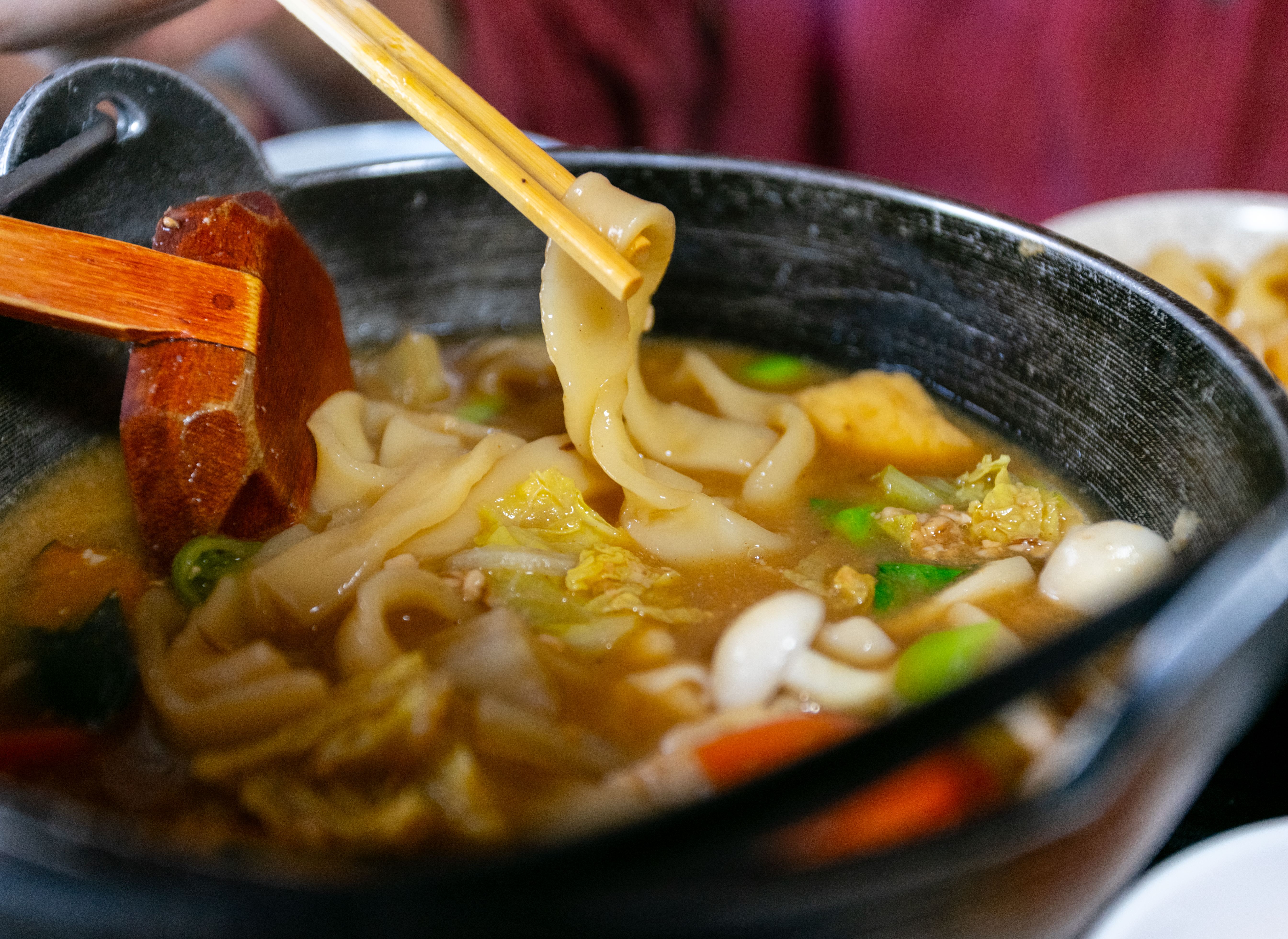
Ishikari Nabe
The diets react (see scores below)
Common Ingredients
- salmon
- miso
- cabbage
- potato
- onion
- tofu
- konnyaku
- dashi
Specific recipes may vary.
Incompatible with 6 of 11 diets
Diet Ratings
Ishikari Nabe is fundamentally incompatible with a ketogenic diet primarily due to potato, which is a high-starch vegetable and a major net carb contributor. A single medium potato can contain 30-35g of net carbs, immediately threatening or exceeding the daily keto limit on its own. Miso paste adds moderate carbs (3-5g per serving), and onion contributes additional sugars. While several ingredients are keto-friendly — salmon is an excellent high-fat protein, tofu and konnyaku (glucomannan-based, near-zero net carbs) are fine, cabbage is low-carb in reasonable portions, and dashi is essentially carb-free — the potato is a dealbreaker that cannot be overlooked. Even a small portion of this dish as traditionally prepared would likely push net carbs well over the daily limit. The dish could theoretically be modified (removing potato, reducing miso quantity), but as presented in its standard form, it must be avoided.
Ishikari Nabe contains multiple animal-derived ingredients that disqualify it from a vegan diet. Salmon is a fish and therefore an animal product, making it a direct violation of vegan principles. Dashi, in its traditional form, is made from katsuobushi (dried bonito flakes) and/or niboshi (dried sardines), both of which are fish products. These two ingredients alone are sufficient to render the dish non-vegan. The remaining ingredients — miso, cabbage, potato, onion, tofu, and konnyaku — are plant-based and would be acceptable on a vegan diet, but they cannot offset the presence of animal products in the dish.
Ishikari Nabe contains multiple core paleo violations that make it clearly incompatible with the diet. Miso is a fermented soybean paste — a legume-based product strictly excluded from paleo. Tofu is also derived from soy, another clear legume exclusion. Konnyaku (konjac) is a heavily processed food product made from konjac corm starch, far removed from any whole food a Paleolithic human would have consumed. Dashi, while often made from fish and seaweed, commercially typically contains additives or MSG, and even traditional versions may include soy-based ingredients. Potato sits in a debated gray area, but the other violations are definitive. The paleo-compliant ingredients — salmon, cabbage, and onion — are outnumbered by non-compliant ones. This dish cannot be adapted to paleo without fundamentally changing its character.
Ishikari Nabe is a Japanese salmon hot pot that aligns well with Mediterranean diet principles despite its non-Mediterranean origin. Salmon is an oily fish rich in omega-3 fatty acids, fulfilling the diet's recommendation of fish 2-3 times weekly. The dish is loaded with plant-based ingredients — cabbage, potato, onion, tofu, and konnyaku — providing fiber, vitamins, and plant protein. Tofu (a legume-derived food) and konnyaku (a low-calorie plant-based ingredient) further reinforce the plant-forward nature. Miso and dashi add sodium and umami but are minimally processed fermented/natural ingredients. The dish contains no red meat, added sugars, or refined grains. The main caveat is that miso can be high in sodium, and the dish is not prepared with olive oil (using dashi as a base instead), which slightly distances it from strict Mediterranean practice.
Some Mediterranean diet purists would note that dashi (typically made from kombu and bonito flakes) and miso are not traditional Mediterranean ingredients, and the absence of olive oil as the primary fat means the dish lacks a core Mediterranean pillar. However, most modern Mediterranean diet interpretations focus on dietary patterns (fish, vegetables, legumes, minimal processed foods) over strict geographic ingredient origins.
Ishikari Nabe is fundamentally incompatible with the carnivore diet. While it does contain salmon — an approved animal protein — the dish is overwhelmingly plant-based. Miso is a fermented soybean paste (legume-derived), cabbage and onion are vegetables, potato is a starchy tuber, tofu is processed soy (legume-derived), konnyaku is a plant-derived gel made from konjac corm, and dashi typically includes kombu (seaweed) alongside bonito flakes. The single animal ingredient (salmon) is completely outnumbered and outweighed by multiple plant-based and processed plant-derived ingredients. No amount of the carnivore community debates whether vegetables, soy products, and starchy tubers are acceptable — they are universally excluded.
Ishikari Nabe contains two clearly excluded ingredients: miso and tofu. Miso is a fermented soybean paste and tofu is made from soy — both are soy-based legume products explicitly excluded on Whole30. Konnyaku (konjac) is a plant-based jelly that is technically Whole30-compatible, and the remaining ingredients (salmon, cabbage, potato, onion, dashi) are generally compliant (assuming dashi is made from kombu and bonito without additives). However, the presence of miso and tofu makes this dish non-compliant as traditionally prepared.
Ishikari Nabe contains multiple high-FODMAP ingredients that make it unsuitable during the elimination phase. Onion is one of the highest-fructan foods and is high-FODMAP at any serving size. Miso, while used in smaller quantities, is typically made from soybeans and/or barley/wheat and contains GOS and fructans — though small amounts of miso (1 tablespoon) may be tolerable, the dish typically uses a meaningful quantity. Potato is low-FODMAP at moderate servings (up to ~75g), and salmon, cabbage (up to 75g), firm tofu (up to 170g), and dashi (kombu/bonito-based) are generally low-FODMAP. Konnyaku (konjac) is low-FODMAP. However, the presence of onion alone — a staple ingredient used in full quantities in this dish — is disqualifying for the elimination phase. The combination of onion and miso in traditional preparation makes this dish clearly high-FODMAP without significant recipe modification.
Ishikari Nabe is a Japanese hot pot centered on salmon, vegetables (cabbage, potato, onion), tofu, konnyaku, and a miso-dashi broth. Many ingredients are highly DASH-compatible: salmon provides omega-3 fatty acids and lean protein; cabbage, potato, and onion are potassium- and fiber-rich vegetables; tofu and konnyaku are plant-based proteins with minimal saturated fat. However, the dish's primary concern is sodium. Miso is inherently high in sodium (roughly 600–900mg per tablespoon), and dashi (especially commercial dashi) adds additional sodium. A typical serving of miso-based nabe can easily deliver 800–1,400mg of sodium, representing a significant portion of the standard DASH limit (2,300mg/day) and potentially exceeding a single-meal allowance on the stricter 1,500mg/day low-sodium DASH protocol. The dish is not categorically DASH-incompatible — the protein, vegetables, and overall fat profile are favorable — but the miso-dashi broth requires meaningful portion control or intentional modification (reduced-sodium miso, less dashi, or reduced broth consumption) to fit comfortably within DASH targets.
NIH DASH guidelines broadly limit high-sodium condiments and broths like miso, placing this dish in caution territory. However, some updated DASH-oriented clinicians note that fermented soy foods like miso offer potential cardiovascular benefits (probiotics, isoflavones) and argue that sodium from fermented sources may behave differently metabolically — suggesting home-prepared low-sodium miso nabe could be treated more permissively within a DASH framework.
Ishikari Nabe is a Hokkaido-style salmon hot pot that has several strong Zone-friendly elements but requires careful portioning due to one problematic ingredient. Salmon is an excellent Zone protein — lean, rich in omega-3 fatty acids, and highly anti-inflammatory, aligning perfectly with Sears' emphasis on EPA/DHA. Tofu adds vegetarian protein and minimal fat. Cabbage, onion, and konnyaku are all very low-glycemic, favorable Zone carbohydrates. Miso and dashi provide flavor with minimal macronutrient impact. The significant issue is potato, which is a high-glycemic carbohydrate explicitly listed as unfavorable in Zone methodology — it causes rapid insulin spikes and is difficult to balance within a 40/30/30 block structure. If potato is used minimally or omitted, this dish could score 7-8. As traditionally prepared with standard potato portions, it requires modification. The dish's overall structure — broth-based, protein-centered, vegetable-heavy — is inherently Zone-compatible with that one adjustment.
Some Zone practitioners argue that in a broth-heavy nabe dish, the potato quantity per serving is naturally limited, and when combined with the fiber from cabbage, konnyaku (which is almost pure glucomannan fiber with near-zero net carbs), and tofu's protein, the overall glycemic load remains manageable. Sears' later writings also emphasize polyphenol-rich foods and anti-inflammatory profiles, both of which this dish supports strongly via salmon's omega-3s and miso's fermented polyphenols — suggesting a more lenient view of the occasional high-GI ingredient in an otherwise favorable context.
Ishikari Nabe is a Hokkaido-style hot pot centered on salmon, one of the richest dietary sources of omega-3 fatty acids (EPA and DHA), which directly reduce pro-inflammatory eicosanoids and lower CRP and IL-6 markers. Miso, a fermented whole soy food, is explicitly emphasized in anti-inflammatory frameworks for its isoflavones, probiotics, and antioxidant activity. Tofu adds additional whole soy protein. Dashi (typically kombu and bonito) provides iodine and glutamates with minimal inflammatory burden. Cabbage and onion contribute quercetin, sulforaphane precursors, and diverse polyphenols. Konnyaku (konjac) is a glucomannan-rich fiber source associated with gut microbiome support and reduced inflammatory markers. The only ingredient warranting mild scrutiny is potato, a nightshade starch with moderate glycemic load — but in the context of a broth-based soup with abundant protein, fiber, and omega-3s, its glycemic impact is blunted significantly. There are no refined carbohydrates, added sugars, seed oils, trans fats, or processed ingredients. This dish is nearly an ideal anti-inflammatory meal: fatty fish + fermented soy + diverse vegetables + prebiotic fiber in a low-fat broth format.
Ishikari Nabe is a well-suited dish for GLP-1 patients. Salmon provides high-quality protein with beneficial omega-3 fatty acids, and the broth-based format makes it easy to digest and hydrating. Tofu adds additional plant-based protein and is gentle on the stomach. Cabbage and onion contribute fiber and micronutrients with very low caloric density. Miso adds depth of flavor along with probiotics and is used in small quantities, so sodium is a consideration but not disqualifying. Konnyaku (konjac) is extremely low in calories and high in glucomannan fiber, supporting digestion and satiety. Potato adds some starchy carbohydrate and potassium, which is useful for hydration and electrolyte balance, though it is the least nutrient-dense ingredient per calorie. Dashi is a light, low-fat broth base. The soup format is ideal for GLP-1 patients — small portions are satisfying, it is easy to digest, and the liquid component supports hydration. The primary caution is that salmon is a moderately fatty fish; while the fat is predominantly beneficial omega-3, it may occasionally worsen nausea in patients with high GLP-1 side effect burden. Sodium in miso-based dishes can be elevated, which warrants attention for patients with hypertension.
Some GLP-1-focused dietitians flag miso-based soups for sodium content, which can exacerbate water retention or conflict with cardiac comorbidities common in this population; others consider the probiotic and fermented food benefits a net positive. Salmon's fat content is generally viewed favorably due to its omega-3 profile, but clinicians managing patients with severe nausea or gastroparesis-like slowing occasionally recommend lower-fat white fish instead.
*See how scores were generated at our methodology page.
Nutritional profile
Six traits that cut across every diet.
Fiber & Plants
How much whole-plant food and fiber it delivers.
Healthy Fats
The quality of its fats (unsaturated, omega-3).
Whole / Unprocessed
How close it is to its natural, unprocessed form.
Gut Gentle
How easy it is on digestion (low FODMAP, few irritants).
Low Glycemic
How little it spikes your blood sugar.
Protein Density
How much protein it packs per calorie.
Controversy Index
Higher controversy = more disagreement between diets.
Diet-Specific Tips
 Mediterranean — 8/10
View tips
- Salmon provides high-quality omega-3 fatty acids consistent with Mediterranean fish recommendations
- Abundant plant-based ingredients: cabbage, onion, potato, tofu, konnyaku
- Tofu contributes plant protein similar to Mediterranean legume emphasis
- Miso adds sodium but is a fermented, minimally processed ingredient
- No olive oil used — dish relies on dashi broth as the base fat/flavor
- No red meat, refined grains, or added sugars
- Whole-food preparation aligns with Mediterranean anti-processed food principles
 DASH — 5/10
View tips
- Miso is high in sodium (~600–900mg per tablespoon), driving the primary DASH concern
- Dashi (especially commercial) adds additional sodium load
- Salmon is a DASH-encouraged lean fish rich in omega-3 fatty acids
- Cabbage, potato, and onion are potassium- and fiber-rich DASH-approved vegetables
- Tofu is a DASH-compatible plant-based protein
- Konnyaku is very low in calories and sodium, essentially neutral
- Overall saturated fat content is low, which aligns well with DASH fat targets
- Low-sodium miso and homemade dashi would significantly improve DASH compatibility
 Zone — 6/10
View tips
- Salmon is a premium Zone protein with high omega-3/EPA+DHA content, strongly anti-inflammatory
- Potato is an explicitly 'unfavorable' high-glycemic carbohydrate in Zone methodology
- Konnyaku (konjac) is near-zero net carbs due to glucomannan fiber — a very favorable Zone carb filler
- Cabbage and onion are low-glycemic favorable Zone carbohydrates
- Tofu adds complementary vegetarian protein blocks
- Miso contributes sodium but negligible macronutrients; fermented polyphenols are Zone-positive
- Broth-based preparation naturally controls fat content, supporting Zone fat ratios
- Dish can be made fully Zone-compliant by reducing or substituting potato with additional low-GI vegetables
 Anti-Inflammatory — 9/10
View tips
- Salmon is a top-tier omega-3 source (EPA/DHA), directly reducing inflammatory cytokines
- Miso is a fermented whole soy food emphasized in anti-inflammatory pyramids for isoflavones and probiotics
- Tofu adds additional anti-inflammatory soy protein and isoflavones
- Konnyaku provides glucomannan fiber, supporting gut microbiome and reducing inflammatory markers
- Cabbage and onion contribute quercetin and polyphenols with antioxidant activity
- Dashi is a clean, minimally processed broth base with no inflammatory additives
- No seed oils, refined carbohydrates, added sugars, or trans fats
- Potato is a moderate-glycemic nightshade but its impact is substantially blunted in this high-fiber, high-protein soup context
 GLP-1 Friendly — 8/10
View tips
- High-quality omega-3 protein from salmon
- Tofu adds additional low-fat plant protein
- Broth base supports hydration — important given reduced thirst on GLP-1s
- Konnyaku is an excellent low-calorie, high-fiber addition that aids digestion and satiety
- Cabbage and onion provide fiber and micronutrients at very low caloric cost
- Potato is starchy but contributes potassium and electrolyte support
- Miso adds sodium — portion awareness recommended, especially for hypertensive patients
- Soup format is ideal for small, satisfying portions suitable for reduced appetite