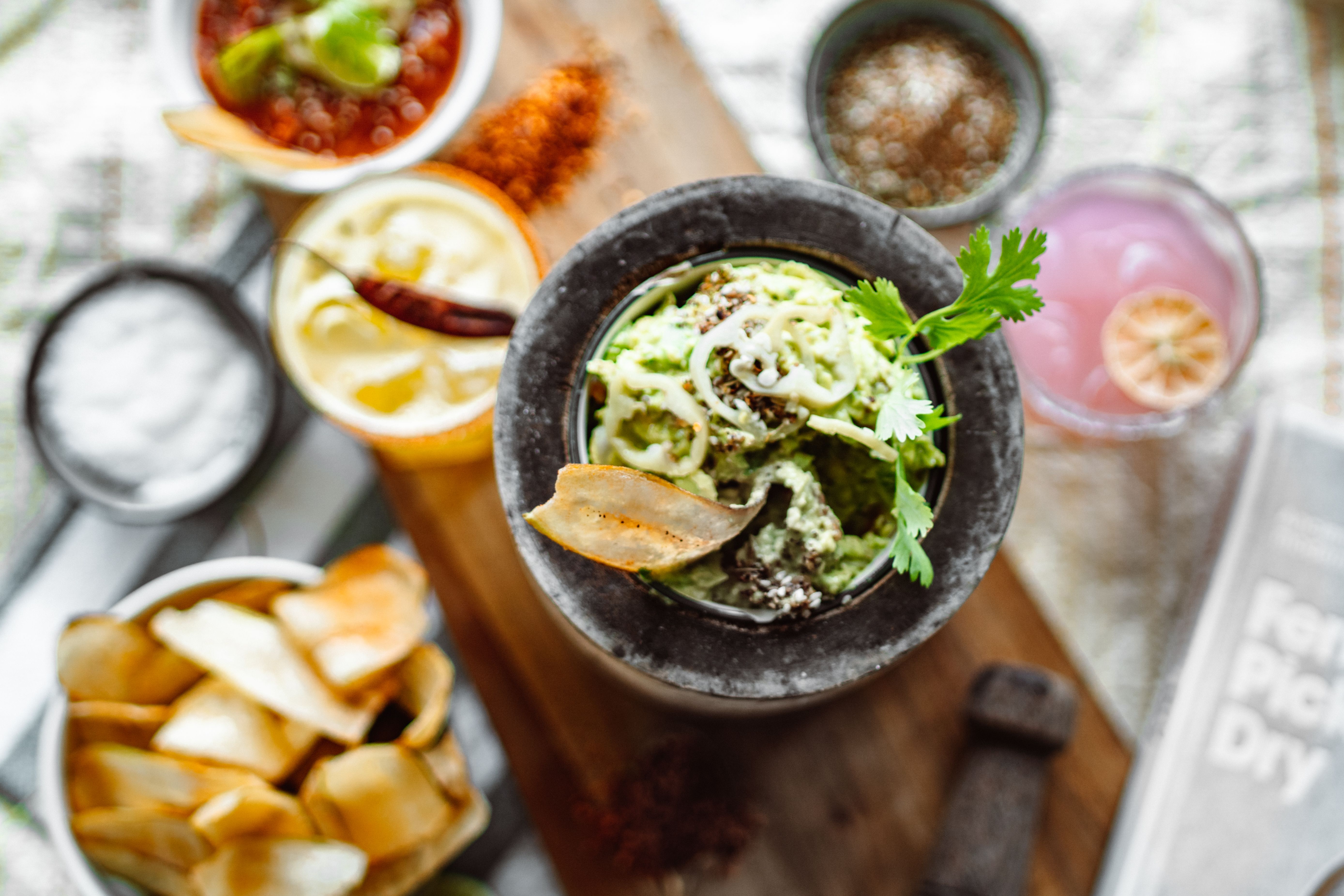
Photo: ROMAN ODINTSOV / Pexels
The diets react (see scores below)
Common Ingredients
- potatoes
- spinach
- maize
- beans
- pumpkin leaves
- onion
- salt
Specific recipes may vary.
Incompatible with 5 of 11 diets
Diet Ratings
Mukimo is a traditional Kenyan dish that is fundamentally incompatible with a ketogenic diet. Its core ingredients — potatoes, maize, and beans — are all high-carbohydrate foods that would individually exceed or severely strain the daily net carb limit of 20-50g. Potatoes are starchy vegetables with roughly 15-17g net carbs per 100g; maize (corn) contributes approximately 17-19g net carbs per 100g; and beans add another 8-12g net carbs per 100g cooked. Combined in a single dish, a standard serving would easily deliver 50-80g or more of net carbs, instantly breaking ketosis. The spinach, pumpkin leaves, and onion are relatively low-carb, but they cannot offset the massive carbohydrate load from the starchy staples. There is no meaningful fat content in this dish, and it lacks the macronutrient profile required for keto (high fat, moderate protein, very low carbs).
Mukimo is a traditional Kenyan dish made entirely from whole plant foods. All listed ingredients — potatoes, spinach, maize, beans, pumpkin leaves, onion, and salt — are unambiguously plant-based with no animal-derived components. The dish is nutrient-dense, combining starchy carbohydrates (potatoes, maize), plant protein and fiber (beans), and leafy greens (spinach, pumpkin leaves), making it an excellent whole-food vegan option. There is no processing concern and no animal product of any kind. It scores very highly under whole-food plant-based criteria.
Mukimo contains multiple paleo-disqualifying ingredients. Maize (corn) is a grain and strictly excluded from paleo. Beans are legumes, also firmly excluded. Salt is an excluded additive. White potatoes are debated but even setting that aside, the combination of maize and beans alone makes this dish clearly non-paleo. The spinach, pumpkin leaves, and onion are paleo-approved vegetables, but they cannot redeem a dish built around grains and legumes as core structural ingredients.
Mukimo is a whole-food, plant-based dish combining vegetables, legumes, and starchy staples — all categories strongly encouraged by the Mediterranean diet. Beans provide plant protein and fiber; spinach and pumpkin leaves are nutrient-dense leafy greens; maize and potatoes offer complex carbohydrates. Onion adds phytonutrients, and the dish is free from added sugars, processed ingredients, or unhealthy fats. The combination aligns closely with the Mediterranean emphasis on plant-forward, minimally processed eating. The primary caveat is that maize and potatoes are higher-glycemic starches, and the Mediterranean diet traditionally favors whole grains like barley, farro, or bulgur over refined or starchy staples. However, in whole form with fiber-rich accompaniments, these are acceptable.
Some Mediterranean diet purists may note that potatoes and maize are not traditional Mediterranean staples and carry a higher glycemic load compared to preferred whole grains; modern clinical guidelines (e.g., Oldways Mediterranean Diet Pyramid) emphasize whole grains like wheat, oats, and barley as the primary carbohydrate base, potentially rating this dish slightly lower on that basis.
Mukimo is a traditional Kenyan dish composed entirely of plant-based ingredients — potatoes, spinach, maize, beans, pumpkin leaves, and onion. It contains zero animal products. Every single ingredient is explicitly excluded on the carnivore diet. Potatoes and maize are starchy carbohydrates, beans are legumes, and spinach, pumpkin leaves, and onion are plant foods — all categorically banned. Salt is the only carnivore-compatible component. This dish is fundamentally incompatible with carnivore principles at every level.
Mukimo contains maize (corn) and beans, both of which are explicitly excluded on the Whole30 program. Maize is a grain and beans are legumes — two of the core food categories eliminated during the 30 days. The remaining ingredients (potatoes, spinach, pumpkin leaves, onion, salt) are all Whole30-compliant, but the presence of maize and beans makes this dish incompatible with the program in its traditional form.
Mukimo contains multiple high-FODMAP ingredients that make it unsuitable during the elimination phase. Beans (GOS and fructans — high-FODMAP at virtually any serving size), onion (fructans — one of the highest FODMAP foods per Monash), and maize/corn (fructans at larger servings) are the primary concerns. Potatoes are low-FODMAP and spinach is low-FODMAP at standard servings. Pumpkin leaves lack direct Monash testing but are generally considered low-risk leafy greens. However, the combination of beans and onion alone makes this dish clearly high-FODMAP with no realistic way to modify it without fundamentally changing the recipe. Even small amounts of onion are problematic for most people during elimination, and beans are a primary GOS source to avoid.
Monash University rates canned and rinsed legumes as lower-FODMAP than dried (GOS leaches into the liquid), and some clinical FODMAP dietitians permit very small portions of well-rinsed canned beans (e.g., 1/4 cup canned chickpeas). However, traditional Mukimo uses whole cooked beans in significant quantities, and onion remains a hard avoid regardless of preparation, so this nuance does not rescue the dish during elimination.
Mukimo is a traditional Kenyan dish made by mashing together potatoes, spinach, maize, beans, pumpkin leaves, and onion — a nutrient-dense combination that aligns strongly with DASH diet principles. The dish is rich in potassium (potatoes, spinach), magnesium and fiber (beans, maize), and calcium (spinach, pumpkin leaves). Beans provide plant-based protein and soluble fiber, both emphasized in DASH. Spinach and pumpkin leaves are DASH-core vegetables high in potassium and magnesium. The primary concern is added salt: home preparation can vary widely, and if salt is used liberally, sodium content could approach or exceed DASH thresholds. Prepared with minimal salt (or low-sodium seasoning), this dish is an excellent DASH-compatible choice. There is no saturated fat, no added sugar, no processed ingredients, and no red meat. Maize adds carbohydrate density, requiring modest portion control for those managing caloric intake, but whole-grain maize is acceptable within DASH guidelines.
NIH DASH guidelines do not explicitly address traditional composite dishes like Mukimo, requiring extrapolation from individual food categories. Some DASH-oriented clinicians might flag the relatively high carbohydrate load from potatoes and maize as a concern for individuals with insulin resistance or metabolic syndrome, though standard DASH does not restrict starchy vegetables or whole grains beyond general portion guidance.
Mukimo is a traditional Kenyan mash combining potatoes, maize, beans, spinach, and pumpkin leaves. From a Zone perspective, this dish has significant macro imbalance challenges. Potatoes and maize are both classified as 'unfavorable' high-glycemic carbohydrates in Zone terminology — potatoes are explicitly listed by Dr. Sears as carbs to avoid, and maize/corn is similarly high-glycemic. These two ingredients together create a high-glycemic carbohydrate load that would spike insulin and work against Zone hormonal balance. The beans provide some protein and fiber, but the protein content is modest relative to the carbohydrate density of the dish. The positive elements are the spinach and pumpkin leaves — both favorable Zone vegetables — and the onion. The dish has no added fat, which means fat blocks would need to come entirely from accompaniments. As a side dish with no lean protein and dominated by unfavorable high-glycemic starches, Mukimo is difficult to Zone-balance without significant modification (e.g., drastically reducing or eliminating potatoes and maize, increasing the bean and leafy green proportion, and pairing with lean protein and monounsaturated fat). It scores a 4 — usable in a Zone context only with careful portioning and substantial accompaniment adjustments.
Mukimo is a traditional Kenyan dish made by mashing potatoes with greens (spinach, pumpkin leaves), maize, beans, and onion — a whole-food, plant-based combination with a strong anti-inflammatory profile overall. Spinach and pumpkin leaves are rich in antioxidants (vitamins C, E, K, carotenoids like lutein and beta-carotene) that help suppress inflammatory markers. Beans provide fiber, plant protein, and polyphenols associated with reduced CRP levels. Onion contributes quercetin, a well-studied anti-inflammatory flavonoid. Maize (whole corn) adds fiber and some antioxidants, including ferulic acid. Potatoes, while sometimes flagged in autoimmune protocols as nightshades, are generally considered acceptable in anti-inflammatory diets for the general population due to their potassium, vitamin C, and resistant starch content. The dish contains no added sugar, no processed oils, no refined carbohydrates, and no pro-inflammatory additives — making it a nutritionally clean, fiber-rich side. The only mild caution is the combination of high-glycemic potatoes with maize, which could modestly raise the glycemic load of the dish, and the nightshade concern for autoimmune-sensitive individuals.
Autoimmune Protocol (AIP) and some functional medicine practitioners (e.g., Dr. Tom O'Bryan) would flag potatoes as nightshades containing solanine and glycoalkaloids that may exacerbate inflammation in individuals with autoimmune conditions or leaky gut. Mainstream anti-inflammatory authorities including Dr. Andrew Weil and most evidence-based nutritionists consider potatoes acceptable for the general population, especially when combined with fiber-rich legumes and greens as in this dish.
Mukimo is a traditional Kenyan dish made by mashing potatoes with spinach, maize, beans, and pumpkin leaves. It has meaningful nutritional strengths for a GLP-1 patient: the beans provide plant-based protein and fiber, and the leafy greens (spinach, pumpkin leaves) add micronutrient density and fiber with very low caloric cost. The dish is low in fat and easy to prepare in small portions. However, as a side dish with no dedicated primary protein source, the overall protein content per serving is modest — beans contribute some protein but not enough to meet the 15–30g per meal target on their own, especially when portioned as a side. The starchy base (potatoes and maize) makes this carbohydrate-dominant, which is acceptable but not ideal when calorie budgets are tight and every bite must prioritize protein. The mashed texture is actually a positive for GLP-1 patients with slowed gastric emptying, as it is easy to digest. This dish works best as a complement to a lean protein main (e.g., grilled fish or chicken breast), not as a standalone meal for GLP-1 patients.
Some GLP-1-focused dietitians would rate this more favorably, arguing that beans provide sufficient plant protein and fiber together to justify a higher score, particularly for patients following plant-based diets where bean-based dishes are a primary protein vehicle. Others would caution more strongly against the high glycemic load of mashed potatoes and maize, arguing that blood sugar stability should weigh more heavily in the scoring for patients who may also have insulin resistance.
*See how scores were generated at our methodology page.
Nutritional profile
Six traits that cut across every diet.
Fiber & Plants
How much whole-plant food and fiber it delivers.
Healthy Fats
The quality of its fats (unsaturated, omega-3).
Whole / Unprocessed
How close it is to its natural, unprocessed form.
Gut Gentle
How easy it is on digestion (low FODMAP, few irritants).
Low Glycemic
How little it spikes your blood sugar.
Protein Density
How much protein it packs per calorie.
Controversy Index
Higher controversy = more disagreement between diets.
Diet-Specific Tips
 Vegan — 9/10
View tips
- All ingredients are whole plant foods
- Beans provide plant-based protein and fiber
- Multiple leafy greens (spinach, pumpkin leaves) add micronutrient density
- No animal products, dairy, eggs, or animal-derived additives
- Maize and potatoes provide complex carbohydrates
- Minimal processing — a traditionally home-cooked dish
- No ethically contested ingredients within vegan discourse
 Mediterranean — 8/10
View tips
- Rich in plant-based vegetables (spinach, pumpkin leaves, onion)
- Beans provide excellent plant protein and fiber — a Mediterranean cornerstone
- No added sugars, processed foods, or unhealthy fats
- Maize and potatoes are higher-glycemic starches, not traditional Mediterranean grains
- Whole-food preparation with minimal processing
- Legume inclusion strongly aligns with Mediterranean principles
 DASH — 8/10
View tips
- Beans and spinach provide DASH-emphasized potassium, magnesium, and fiber
- Pumpkin leaves and spinach are high-nutrient DASH-core vegetables
- No saturated fat, added sugar, or processed ingredients
- Salt content is the primary DASH risk — preparation-dependent; low-sodium version scores higher (9/10)
- Beans supply plant-based protein consistent with DASH lean protein recommendations
- Whole maize contributes complex carbohydrates and fiber, acceptable within DASH portion limits
- No low-fat dairy or lean animal protein limits nutrient completeness but does not disqualify the dish
 Zone — 4/10
View tips
- Potatoes are explicitly 'unfavorable' high-glycemic carbohydrates in Zone terminology and should be avoided
- Maize/corn is similarly high-glycemic and unfavorable in Zone diet
- Spinach and pumpkin leaves are favorable Zone vegetables, adding polyphenols and low-glycemic carbs
- Beans provide some protein and fiber, moderating glycemic impact slightly, but protein content is insufficient for Zone protein blocks
- No lean protein source — this is a carbohydrate-heavy side with no Zone protein block built in
- No added fat — monounsaturated fat must come entirely from accompaniments to achieve 30% fat ratio
- High starch content makes achieving 40/30/30 ratio very difficult without major portion modification
 Anti-Inflammatory — 8/10
View tips
- Spinach and pumpkin leaves provide antioxidants, carotenoids, and vitamins C/K with anti-inflammatory properties
- Beans contribute fiber, plant protein, and polyphenols associated with reduced inflammatory markers
- Onion supplies quercetin, a well-researched anti-inflammatory flavonoid
- Whole-food, plant-based dish with no processed oils, added sugars, or artificial additives
- Potatoes are nightshades — acceptable for general population but potentially problematic for autoimmune-sensitive individuals
- Potato + maize combination moderately raises glycemic load, a minor anti-inflammatory consideration
- No omega-3 sources present, but dish has a favorable overall inflammatory profile for a plant-based side
 GLP-1 Friendly — 5/10
View tips
- Beans contribute plant protein and fiber — a genuine nutritional positive
- Spinach and pumpkin leaves add micronutrients and fiber with minimal calories
- Carbohydrate-dominant profile (potatoes, maize) limits protein density per calorie
- Does not meet 15–30g protein per meal target as a standalone dish or side
- Low fat content is a positive — unlikely to worsen GLP-1 GI side effects
- Mashed/soft texture supports easy digestibility — appropriate for slowed gastric emptying
- Best used as a side paired with a lean protein main to complete the meal nutritionally