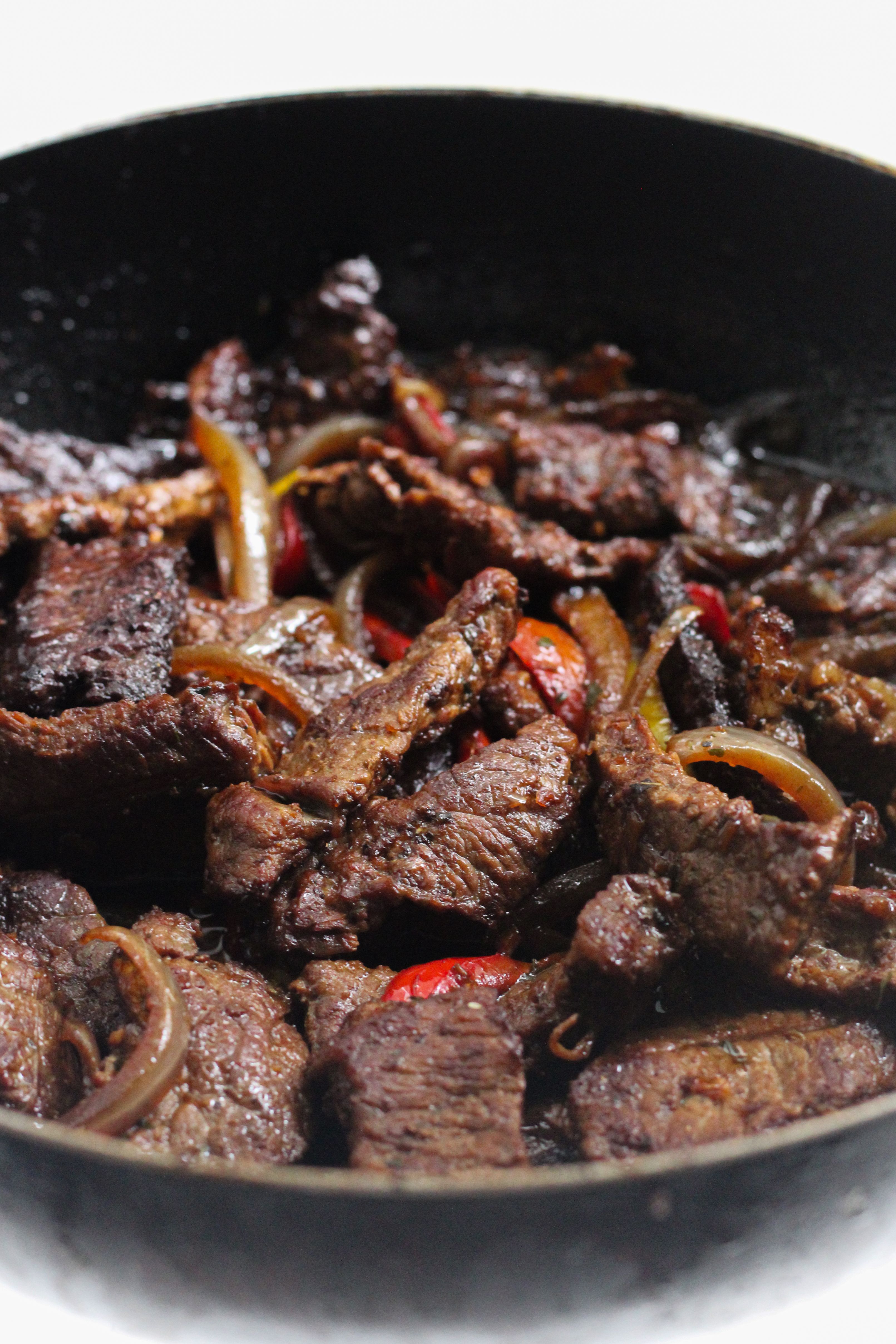
Photo: Nanda Mends / Pexels
The diets react (see scores below)
Common Ingredients
- beef
- coconut
- onion
- curry leaves
- black pepper
- garam masala
- ginger
- garlic
- coconut oil
Specific recipes may vary.
Incompatible with 6 of 11 diets
Diet Ratings
Beef Fry is fundamentally keto-compatible. Beef provides high-quality protein and fat, coconut oil is an ideal keto fat, and the spices (black pepper, garam masala, ginger, garlic, curry leaves) add negligible carbs. The main consideration is onion, which adds some net carbs (typically 5-8g per standard serving portion used in a dry fry), and shredded coconut, which adds fiber alongside moderate net carbs (~2-4g per serving). Combined, the dish likely lands at 6-12g net carbs per serving depending on portions — manageable within a daily keto budget. Garam masala may contain trace amounts of starchy binders in commercial blends, but this is negligible. Overall, this is a naturally high-fat, high-protein dish well-suited to keto.
Some strict keto practitioners flag onion as a caution ingredient due to its moderate carb content, arguing that even small amounts can accumulate across meals and push daily totals over the limit. Additionally, certain clinical keto protocols flag coconut meat for its carb contribution, preferring pure coconut oil only.
Beef Fry is a non-vegan dish. Beef is the primary protein and a core ingredient — it is animal flesh and is entirely incompatible with a vegan diet. While the remaining ingredients (coconut, onion, curry leaves, black pepper, garam masala, ginger, garlic, coconut oil) are all plant-based, the presence of beef alone is sufficient to disqualify this dish from any vegan classification.
Beef Fry is an excellent paleo-compliant dish. All ingredients align well with Paleolithic eating principles: beef is a primary paleo protein, coconut and coconut oil are approved paleo fats, and onion, curry leaves, black pepper, garam masala (a blend of whole spices), ginger, and garlic are all whole, unprocessed herbs, vegetables, and spices available in nature. Coconut oil is explicitly preferred over seed oils in the paleo framework. There are no grains, legumes, dairy, refined sugars, seed oils, or processed additives present. The dish is a whole-food, minimally processed preparation that closely mirrors what hunter-gatherers could have assembled.
Beef Fry is problematic for the Mediterranean diet on multiple fronts. Beef is a red meat that Mediterranean diet guidelines restrict to a few times per month at most, and a 'fry' preparation typically involves substantial amounts of fat. The use of coconut oil rather than extra virgin olive oil further conflicts with core Mediterranean principles, as coconut oil is high in saturated fat and is not a traditional Mediterranean ingredient. Coconut itself, while a plant food, is not part of the Mediterranean dietary pattern and adds significant saturated fat. The spice blend and aromatics (onion, ginger, garlic, curry leaves) are benign or even beneficial, but they cannot offset the primary concerns of red meat as the protein base combined with coconut-derived fats.
Some modern Mediterranean diet interpreters take a broader view of plant-based fats, and a small portion of beef consumed only occasionally might be framed as fitting within the 'few times per month' red meat allowance. However, the combination of beef AND coconut oil makes this doubly problematic even under the most lenient interpretations.
Beef Fry is built around a carnivore-approved protein (beef), but the dish is heavily plant-laden in a way that goes far beyond minor seasoning. Coconut (a fruit), onion, curry leaves, ginger, garlic, garam masala (a spice blend), and coconut oil (a plant-derived oil) are all excluded on the carnivore diet. The plant ingredients are not trace additives — they are structural, flavor-defining components of the dish. Coconut oil alone disqualifies it from a strict carnivore standpoint (animal fats like tallow or lard are required). The combination of multiple plant foods, spices, and plant oil makes this dish incompatible with carnivore principles despite the beef base.
Beef Fry is a straightforward Indian dish made entirely from Whole30-compliant ingredients. Beef is an approved protein, coconut and coconut oil are approved natural fats, onion and curry leaves are vegetables/herbs, and black pepper, garam masala, ginger, and garlic are all approved spices and aromatics. There are no excluded ingredients — no grains, legumes, dairy, added sugars, or other prohibited items. This is a clean, whole-food preparation that aligns well with the Whole30 program's intent.
Beef Fry contains multiple high-FODMAP ingredients that make it unsuitable during the elimination phase. Garlic is one of the highest FODMAP foods known (fructans), rated avoid at any culinary quantity. Onion is similarly high in fructans and is a major FODMAP offender at any standard cooking portion. Garam masala is a spice blend that typically contains high-FODMAP ingredients such as onion and garlic powder. While beef itself is FODMAP-free, coconut oil is FODMAP-free, curry leaves are low-FODMAP, black pepper is low-FODMAP at typical culinary amounts, ginger is low-FODMAP at up to 1 teaspoon, and coconut meat is low-FODMAP at small servings (up to 1/2 cup fresh), the presence of both garlic and onion as core structural ingredients — not trace amounts — makes this dish a clear avoid. There is no realistic way to eat a standard serving of this dish without consuming a significant FODMAP load from these two ingredients alone.
Beef Fry is highly incompatible with the DASH diet for multiple reasons. Red meat (beef) is explicitly limited on DASH due to its saturated fat and cholesterol content. Coconut oil is a tropical oil high in saturated fat, which DASH guidelines specifically advise against. The dish also contains coconut (high in saturated fat), compounding the saturated fat burden. Together, these ingredients make this dish a triple strike against DASH principles: red meat + coconut oil + coconut all contribute substantially to saturated fat intake in a single serving. While the spices (black pepper, garam masala, ginger, garlic) and onion are DASH-friendly, and the sodium content may be relatively moderate compared to other prepared dishes, the core protein and fat sources fundamentally conflict with DASH dietary patterns.
Beef Fry presents several Zone Diet challenges. The primary protein (beef) can work in Zone if lean cuts are chosen, but traditional Beef Fry often uses fatty cuts, pushing saturated fat above Zone-friendly levels. More problematically, the dish features two significant sources of saturated fat: coconut (grated or shredded) and coconut oil — both high in saturated fat, which Dr. Sears in his earlier works explicitly discouraged. The carbohydrate profile is actually Zone-friendly: onion, curry leaves, ginger, and garlic are all low-glycemic vegetables, and spices like black pepper and garam masala are negligible in carb load and are polyphenol-rich (a Zone positive). However, there are no substantial carbohydrate blocks present, meaning this dish would need to be paired with favorable carb sources (non-starchy vegetables, a small amount of fruit) to achieve the 40/30/30 ratio. As a standalone main, it is a high-fat, moderate-protein dish skewed heavily toward saturated fat — not the monounsaturated fat profile Zone prefers. Portion control of the beef and coconut is essential. With lean beef, reduced coconut, and served alongside a large vegetable portion, it can be incorporated cautiously.
Dr. Sears' later writings (particularly 'The OmegaRx Zone' and his anti-inflammatory evolution) acknowledged that medium-chain triglycerides (MCTs) in coconut oil have a distinct metabolic profile from long-chain saturated fats, and some Zone practitioners now treat small amounts of coconut oil as acceptable. Additionally, the polyphenol-rich spices (black pepper, garam masala, curry leaves, ginger, garlic) align well with Sears' later anti-inflammatory emphasis. A more lenient Zone practitioner might rate this a 5-6 if lean beef is used and coconut portions are modest.
Beef Fry presents a mixed anti-inflammatory profile. On the negative side, beef is a red meat high in saturated fat and arachidonic acid, both associated with pro-inflammatory pathways; the anti-inflammatory framework clearly places red meat in the 'limit' category. Coconut oil, while debated, is high in saturated fat (lauric acid) and is generally flagged as a food to moderate under mainstream anti-inflammatory guidelines. On the positive side, the spice profile is genuinely impressive: black pepper contains piperine (shown to reduce TNF-alpha and IL-6), ginger has well-documented anti-inflammatory gingerols, garlic contains allicin and organosulfur compounds with anti-inflammatory activity, and garam masala typically includes turmeric, coriander, and cardamom — all polyphenol-rich. Curry leaves are rich in antioxidants including carbazole alkaloids. Onions provide quercetin. Coconut (the flesh) provides medium-chain triglycerides and some fiber. The dish is not processed, contains no refined carbohydrates or added sugars, and the spice complexity is a meaningful anti-inflammatory contribution. However, the central protein source (beef) and cooking fat (coconut oil) prevent this from reaching 'approve' status under standard anti-inflammatory frameworks. Occasional consumption in modest portions is acceptable — particularly if the cut is lean — but this is not a dish to eat regularly on an anti-inflammatory diet.
Coconut oil is contested: Dr. Weil and mainstream anti-inflammatory nutrition recommend limiting it due to high saturated fat content, while proponents of ancestral and paleo diets argue lauric acid raises HDL and has antimicrobial properties that may not be straightforwardly pro-inflammatory. Similarly, some researchers (e.g., within the context of whole-food, traditionally prepared red meat) argue that grass-fed beef has a more favorable omega-3:omega-6 ratio and may be less inflammatory than conventional grain-fed beef, though the anti-inflammatory consensus still places red meat in the 'limit' category regardless of sourcing.
Beef Fry is a Kerala-style dry preparation where beef is slow-cooked and then pan-fried or roasted in coconut oil with grated or shredded coconut. This combination creates a very high total fat dish: fatty cuts of beef (typically used in this preparation) contribute significant saturated fat, coconut adds additional saturated fat from medium-chain triglycerides, and coconut oil further compounds the fat load. High-fat meals are among the most problematic foods for GLP-1 patients — they worsen nausea, bloating, and reflux by compounding the already-slowed gastric emptying caused by the medication. The dry-fry preparation style also typically produces a dense, heavy texture that sits in the stomach for an extended period, amplifying GI discomfort. While beef does provide meaningful protein, the saturated fat burden from three coconut-derived fat sources simultaneously (coconut flesh, coconut oil, and the fat from beef itself) makes this dish a poor match for GLP-1 dietary guidelines. The spice profile (black pepper, garam masala) is moderate and unlikely to cause significant reflux on its own, but combined with the high fat content, GI irritation risk increases substantially. Nutrient density per calorie is low relative to the fat and calorie load.
Some GLP-1-focused dietitians acknowledge that beef provides a complete amino acid profile and adequate protein per serving, and may permit lean beef cuts in moderation for patients who tolerate red meat well. However, the consensus concern here is not red meat alone but the triple coconut fat load combined with a fatty beef cut and a frying preparation method — a combination most obesity medicine practitioners would advise against regardless of individual protein needs.
*See how scores were generated at our methodology page.
Nutritional profile
Six traits that cut across every diet.
Fiber & Plants
How much whole-plant food and fiber it delivers.
Healthy Fats
The quality of its fats (unsaturated, omega-3).
Whole / Unprocessed
How close it is to its natural, unprocessed form.
Gut Gentle
How easy it is on digestion (low FODMAP, few irritants).
Low Glycemic
How little it spikes your blood sugar.
Protein Density
How much protein it packs per calorie.
Controversy Index
Higher controversy = more disagreement between diets.
Diet-Specific Tips
 Keto — 8/10
View tips
- Beef is a high-protein, high-fat keto staple with zero carbs
- Coconut oil is an ideal keto fat, rich in MCTs
- Onion contributes the most significant net carbs (~5-8g depending on portion)
- Shredded coconut adds moderate net carbs but also fiber, reducing net carb impact
- Spices (black pepper, garam masala, ginger, garlic, curry leaves) are low-carb and keto-friendly
- No grains, sugars, or starchy vegetables present
- Whole, unprocessed ingredients align with keto food quality standards
 Paleo — 9/10
View tips
- Beef is a core paleo-approved protein source
- Coconut oil is a preferred paleo cooking fat, replacing seed oils
- All spices (black pepper, garam masala, ginger, garlic) are whole and unprocessed
- Coconut adds healthy paleo-friendly fats
- No grains, legumes, dairy, or refined sugars present
- Onion and curry leaves are whole vegetables/herbs — fully paleo-compliant
- No added salt flagged in ingredient list, though garam masala blends may sometimes contain it
 Whole30 — 9/10
View tips
- Beef is an explicitly approved protein on Whole30
- Coconut oil is an approved natural fat
- All spices (black pepper, garam masala, ginger, garlic) are Whole30-compliant
- Curry leaves are an approved herb/seasoning
- No grains, dairy, legumes, or added sugars present
- Coconut (shredded/grated) is a whole food and fully compliant
- Dish is a genuine whole-food preparation, not a recreation of a junk food or baked good
 Zone — 4/10
View tips
- Beef protein is Zone-usable but must be a lean cut to avoid excess saturated fat
- Coconut and coconut oil are high in saturated fat — Zone classifies these as unfavorable fats
- No monounsaturated fats present (Zone prefers olive oil, avocado, almonds)
- Spice blend (ginger, garlic, black pepper, garam masala, curry leaves) is polyphenol-rich — a Zone positive
- Carbohydrate block is very low — dish must be paired with favorable carbs to achieve 40/30/30
- No high-glycemic carbohydrates present, which is a Zone positive
- Dish lacks a complete Zone macro balance on its own — functions only as a protein/fat component
 Anti-Inflammatory — 4/10
View tips
- Beef (red meat) is pro-inflammatory — high in saturated fat and arachidonic acid; should be limited per anti-inflammatory guidelines
- Coconut oil is high in saturated fat — classified as a food to limit or moderate in most anti-inflammatory frameworks
- Black pepper (piperine), ginger (gingerols), and garlic (allicin) are well-established anti-inflammatory spices
- Curry leaves and onions provide antioxidants and quercetin
- Garam masala contributes polyphenol-rich spices including likely turmeric and cardamom
- No refined carbohydrates, added sugars, or artificial additives — a whole-food preparation
- The dish's anti-inflammatory spice profile partially offsets but does not override the pro-inflammatory central ingredients