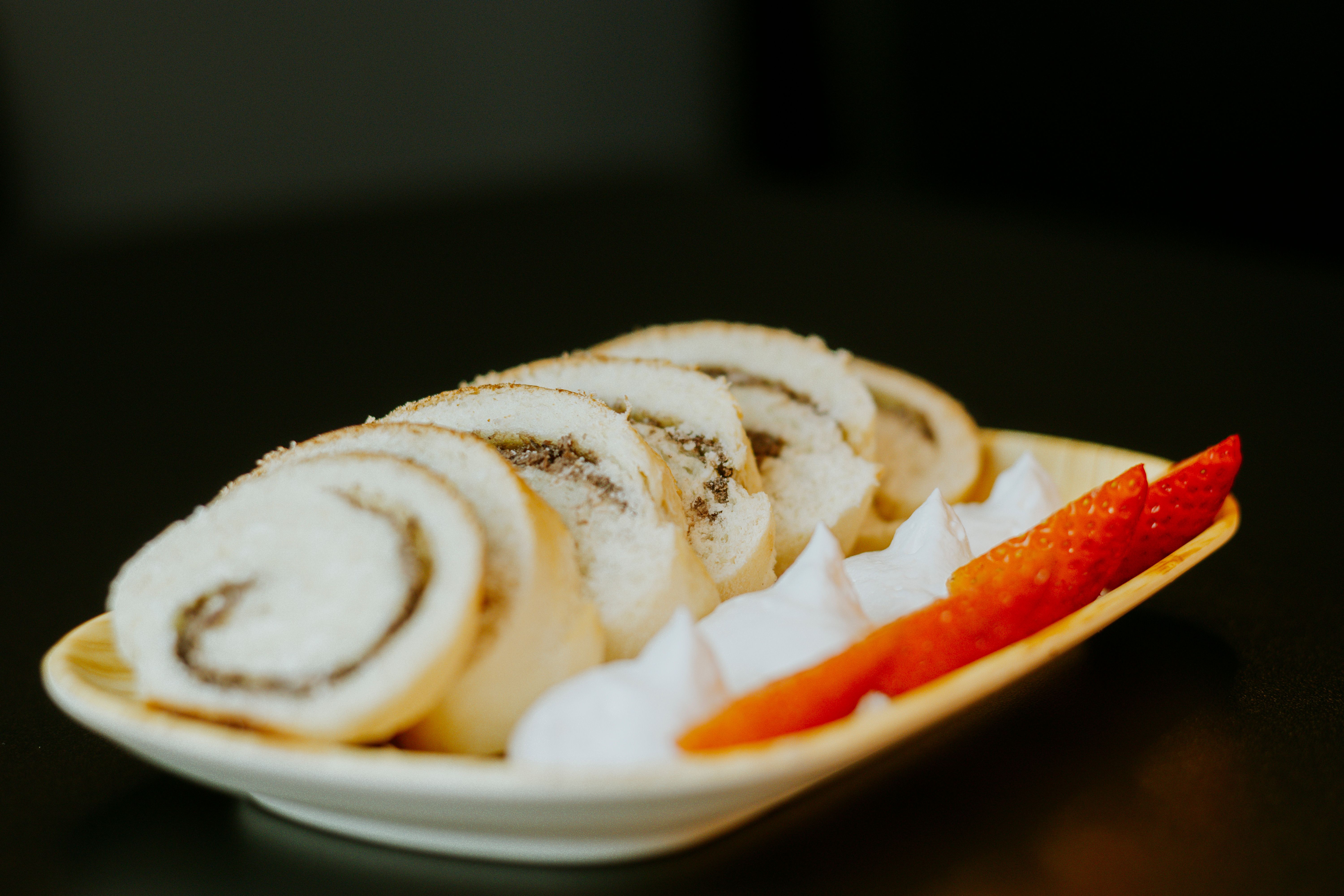
Photo: Vitor Diniz / Pexels
Indian
Puttu and Kadala
The diets react (see scores below)
Common Ingredients
- rice flour
- grated coconut
- black chickpeas
- onion
- coconut
- garam masala
- curry leaves
- mustard seeds
Specific recipes may vary.
Incompatible with 5 of 11 diets
Diet Ratings
Puttu and Kadala is fundamentally incompatible with a ketogenic diet. Puttu is made from rice flour, which is a high-carb grain-based ingredient containing roughly 70-75g of net carbs per 100g. Black chickpeas (kadala) are legumes with approximately 45-50g net carbs per 100g cooked. Together, these two primary components deliver an enormous carbohydrate load that would far exceed the entire daily keto carb allowance (20-50g) in a single serving. While coconut and spices are keto-friendly, they are minor components that do not offset the overwhelmingly high-carb base ingredients. This dish offers negligible fat relative to its carb content and would immediately break ketosis.
Puttu and Kadala is a traditional Kerala breakfast dish that is entirely plant-based. Puttu is made from rice flour and grated coconut, steamed in a cylindrical mold, and Kadala curry is made from black chickpeas (kala chana) cooked with onion, coconut, and spices including garam masala, curry leaves, and mustard seeds. Every ingredient in this dish is derived from plants — grains, legumes, and vegetables. There are no animal products, dairy, eggs, or animal-derived additives. This is also a whole-food, minimally processed meal, which places it at the high end of the approval scale. It is naturally vegan and nutritionally well-rounded, combining complex carbohydrates from rice flour with plant protein and fiber from black chickpeas.
Puttu and Kadala contains multiple core non-paleo ingredients with no ambiguity. Rice flour is a grain derivative, explicitly excluded from the paleo diet. Black chickpeas (kala chana) are legumes, also clearly excluded. These two ingredients form the very foundation of the dish — puttu is made from rice flour, and kadala curry is built around chickpeas — making the dish fundamentally incompatible with paleo principles. The remaining ingredients (grated coconut, onion, curry leaves, garam masala, mustard seeds) are paleo-friendly, but they are merely supporting components that cannot redeem the dish's non-paleo base.
Puttu and Kadala is a plant-forward dish centered on black chickpeas (legumes) and rice flour, both of which align well with Mediterranean diet principles emphasizing legumes and whole grains. Black chickpeas are an excellent source of plant protein and fiber, strongly encouraged in the Mediterranean pattern. Coconut and coconut-based ingredients are the primary concern — coconut is high in saturated fat and is not traditional in Mediterranean cuisine, where olive oil is the dominant fat. However, the amounts used here are moderate (as a flavoring/textural element rather than a cooking fat), and the overall dish remains plant-based, minimally processed, and nutritionally dense. The spices (garam masala, curry leaves, mustard seeds) and aromatics (onion) add flavor without contradicting Mediterranean principles.
Some Mediterranean diet authorities would rate this lower due to the coconut content — coconut is high in saturated fat and entirely absent from traditional Mediterranean food cultures. Modern clinical interpretations of the Mediterranean diet, such as those used in the PREDIMED study, would flag coconut as a non-traditional fat that should not substitute for olive oil, potentially warranting a 'caution' rating.
Puttu and Kadala is entirely plant-based and completely incompatible with the carnivore diet. The dish consists of rice flour (grain), grated coconut (plant fat/fruit), black chickpeas (legume), onion (vegetable), garam masala (plant spice blend), curry leaves (plant herb), and mustard seeds (plant seed). Every single ingredient is plant-derived. There is no animal product whatsoever in this dish. This violates every tier of the carnivore diet, including the most lenient interpretations. The primary protein source is legumes (chickpeas), which are explicitly excluded, and the base is a grain flour. This dish represents the antithesis of carnivore eating.
Puttu and Kadala contains two excluded ingredient categories that make it non-compliant with Whole30. First, rice flour is a grain product — rice is explicitly excluded on Whole30. Second, black chickpeas (kala chana) are legumes, which are also explicitly excluded on Whole30. The presence of either ingredient alone would be disqualifying; this dish contains both. The remaining ingredients (grated coconut, onion, garam masala, curry leaves, mustard seeds) are all Whole30-compliant, but they cannot redeem a dish built on excluded foundations.
Puttu and Kadala contains two major high-FODMAP ingredients that make this dish unsuitable during the elimination phase. Black chickpeas (kala chana) are legumes high in GOS (galacto-oligosaccharides) and are high-FODMAP at any standard serving size. Onion is one of the highest fructan-containing foods and is a primary trigger food that must be avoided entirely during elimination. Rice flour and grated coconut are low-FODMAP at standard servings. Curry leaves, mustard seeds, and garam masala in typical culinary quantities are generally low-FODMAP. Coconut (fresh/grated) is low-FODMAP at around 1/2 cup. However, the combination of black chickpeas and onion as core structural ingredients — not minor seasonings — makes this dish fundamentally high-FODMAP. There is no realistic portion reduction that would make the standard Kadala curry low-FODMAP while remaining a recognizable dish.
Puttu and Kadala Curry is a traditional Kerala breakfast combining steamed rice flour cylinders with black chickpea (kala chana) curry. The dish has several DASH-positive elements: black chickpeas are an excellent source of plant protein, fiber, potassium, and magnesium — all nutrients DASH actively promotes. The spices (garam masala, curry leaves, mustard seeds) are sodium-free and nutritionally neutral or beneficial. Rice flour is a refined grain rather than a whole grain, which is less ideal than DASH's emphasis on whole grains, though it is lower in sodium. The primary DASH concern is the repeated use of coconut — both grated coconut in the puttu and coconut in the kadala curry. Coconut is high in saturated fat from tropical oils, which DASH explicitly limits. Depending on the quantity used, saturated fat intake could be meaningful. The dish is not inherently high in sodium if prepared at home without added salt, but typical preparations may include moderate salt. Overall, the legume base and vegetable accompaniments are DASH-friendly, but the coconut content introduces a caution flag that prevents a full approval.
NIH DASH guidelines explicitly limit tropical oils like coconut due to saturated fat content. However, some updated clinical interpretations note that coconut in whole food form (grated coconut vs. coconut oil) contains fiber and medium-chain triglycerides with a different metabolic profile, and emerging cardiovascular nutrition research does not uniformly condemn moderate whole coconut use — some DASH-aligned dietitians in South Asian practice contexts allow it in modest portions.
Puttu and Kadala is a traditional Kerala breakfast combining steamed rice flour cylinders with black chickpea curry. From a Zone perspective, this dish presents a mixed profile. The black chickpeas (kadala) are a genuine Zone positive — they are a legume-based protein source with fiber, a moderate glycemic index, and reasonable protein content, fitting well as a Zone protein-carb block. However, the rice flour base (puttu) is a refined, high-glycemic carbohydrate that Zone methodology classifies as 'unfavorable' — similar to white rice in its glycemic impact, it drives insulin response without the fiber buffering that whole grains or vegetables would provide. The coconut content (both in puttu and kadala) adds saturated fat rather than the preferred monounsaturated fats (olive oil, avocado, almonds). While Dr. Sears' later anti-inflammatory writings acknowledge coconut's medium-chain triglycerides somewhat more favorably, it still doesn't align with his primary fat recommendations. The dish also lacks the lean animal protein (chicken, fish, egg whites) or low-fat dairy that Zone considers ideal protein sources. The macronutrient ratio skews heavily carbohydrate, with inadequate lean protein and the wrong fat profile. Spices (garam masala, curry leaves, mustard seeds) are Zone-neutral or mildly positive for polyphenol content. In practical terms, a small portion could be incorporated into a Zone meal with added lean protein and adjusted portions, but as served it is difficult to balance.
Some Zone practitioners note that black chickpeas are among the most favorable legume choices in the Zone framework — high fiber, moderate glycemic index, and a decent protein-to-carb ratio — and that Sears' later work (The Anti-Inflammation Zone) takes a more nuanced view of coconut fat. From this perspective, kadala curry on its own would score notably higher (6-7), and the dish's main liability is specifically the rice flour puttu rather than the whole combination. A practitioner could argue that reducing the puttu portion significantly and increasing the chickpea curry brings the dish closer to Zone compliance.
Puttu and Kadala is a traditional Kerala breakfast combining steamed rice flour cylinders with a spiced black chickpea curry. The dish has a genuinely strong anti-inflammatory profile overall. Black chickpeas (kala chana) are legumes emphasized in anti-inflammatory frameworks — they are rich in fiber, plant protein, and polyphenols that help reduce CRP and other inflammatory markers. Garam masala typically contains turmeric, coriander, cumin, and black pepper — several of which have well-documented anti-inflammatory properties (curcumin in turmeric, piperine in pepper). Curry leaves and mustard seeds are antioxidant-rich spices used in Ayurvedic and anti-inflammatory traditions. Coconut appears in both the puttu and the curry; while coconut's saturated fat (lauric acid) is debated, it is used here as a whole food in culinary amounts rather than as a refined oil, which most anti-inflammatory frameworks treat more leniently. Rice flour is a refined carbohydrate and the weakest element — it lacks the fiber and nutrient density of whole grains, and in large portions could modestly raise glycemic load. However, the combination with high-fiber chickpeas substantially blunts this glycemic impact. Overall, the dish is a fiber-rich, legume-centered, spice-forward meal with no processed ingredients, added sugars, or industrial seed oils.
Coconut's high saturated fat content is a point of ongoing debate: mainstream anti-inflammatory nutrition (including Dr. Weil's framework) treats whole coconut in culinary amounts as acceptable, but some updated anti-inflammatory guidelines caution that any meaningful saturated fat intake — even from coconut — may promote inflammation in certain individuals. Additionally, rice flour as a refined grain is a minor concern; strict anti-inflammatory practitioners would prefer whole-grain alternatives.
Puttu and Kadala is a traditional Kerala breakfast combining steamed rice flour cylinders with black chickpea curry. The black chickpeas (kadala) are the nutritional highlight — a strong plant-based protein and fiber source that directly supports GLP-1 dietary priorities. However, the dish has notable limitations. The rice flour base (puttu) is a refined-to-semi-refined carbohydrate with low protein density and moderate glycemic load. Grated coconut appears twice in the ingredient list (in the puttu and in the curry), contributing meaningful saturated fat, which conflicts with the low-fat priority and may worsen GLP-1 GI side effects like nausea and bloating. The spice blend (garam masala, mustard seeds, curry leaves) is generally well-tolerated and not problematic at typical quantities. Overall protein per serving is moderate but may fall short of the 15–30g per meal target depending on portion size of kadala relative to puttu. The dish is steamed rather than fried, which is a digestibility positive. Fiber content from chickpeas is genuinely strong. The main concerns are the coconut fat load and the carbohydrate-heavy puttu base with limited protein density.
Some GLP-1-focused dietitians working with South Asian patients may rate this more favorably, noting that black chickpeas provide meaningful protein and fiber in a culturally appropriate format and that coconut fat in traditional quantities is modest. Others emphasize that the saturated fat from double coconut use and the low protein density of the rice flour base make this a poor fit for the high protein-per-calorie priority central to GLP-1 nutrition guidance.
*See how scores were generated at our methodology page.
Nutritional profile
Six traits that cut across every diet.
Fiber & Plants
How much whole-plant food and fiber it delivers.
Healthy Fats
The quality of its fats (unsaturated, omega-3).
Whole / Unprocessed
How close it is to its natural, unprocessed form.
Gut Gentle
How easy it is on digestion (low FODMAP, few irritants).
Low Glycemic
How little it spikes your blood sugar.
Protein Density
How much protein it packs per calorie.
Controversy Index
Higher controversy = more disagreement between diets.
Diet-Specific Tips
 Vegan — 9/10
View tips
- Rice flour is fully plant-based
- Grated coconut is plant-derived
- Black chickpeas are an excellent plant protein source
- All spices (garam masala, curry leaves, mustard seeds) are plant-based
- No dairy, eggs, or animal-derived ingredients present
- Whole-food, minimally processed ingredients throughout
- Naturally vegan — not an adapted or substituted version of a non-vegan dish
 Mediterranean — 7/10
View tips
- Black chickpeas are an excellent legume protein, core to Mediterranean diet
- Rice flour is a refined grain, though less processed than white bread or pasta
- Coconut is high in saturated fat and non-traditional in Mediterranean cuisine
- No added sugars, red meat, or highly processed ingredients
- Plant-forward, whole-food dish with beneficial spices and aromatics
- Olive oil is absent as the primary fat — replaced by coconut
 DASH — 5/10
View tips
- Black chickpeas are DASH-positive: high in fiber, plant protein, potassium, and magnesium
- Coconut (used twice — in puttu and curry) is a tropical saturated fat source explicitly limited by DASH
- Rice flour is a refined grain, not a whole grain as DASH prefers
- Spices and aromatics (garam masala, curry leaves, mustard seeds, onion) add no sodium and are DASH-neutral or beneficial
- Home preparation allows sodium control, but typical recipes may include moderate added salt
- No red meat, added sugars, or full-fat dairy — positive DASH attributes
- Portion of coconut used matters significantly; smaller amounts improve DASH compatibility
 Zone — 4/10
View tips
- Rice flour (puttu) is a refined, high-glycemic carbohydrate — classified 'unfavorable' in Zone
- Black chickpeas are a moderate-GI legume with fiber, a relatively favorable Zone carb-protein source
- Coconut provides saturated fat rather than Zone-preferred monounsaturated fats
- Dish is carbohydrate-dominant with insufficient lean protein to achieve 40/30/30 ratio
- No lean animal protein source present — relies entirely on legume protein, which is lower per gram
- Spices (curry leaves, garam masala, mustard seeds) contribute polyphenols — a Zone anti-inflammatory positive
- Dish can be partially salvaged by reducing rice flour portion and pairing with additional lean protein
 Anti-Inflammatory — 7/10
View tips
- Black chickpeas are fiber- and polyphenol-rich legumes with well-supported anti-inflammatory effects
- Garam masala spices (turmeric, black pepper, cumin, coriander) contain curcumin, piperine, and other anti-inflammatory compounds
- Curry leaves and mustard seeds contribute antioxidants and bioactive phytochemicals
- Coconut used as whole food in culinary amounts — more acceptable than refined coconut oil in large quantities
- Rice flour is a refined carbohydrate, the main nutritional weakness of the dish
- Chickpeas' fiber substantially offsets the glycemic impact of rice flour
- No processed ingredients, industrial seed oils, added sugars, or trans fats
 GLP-1 Friendly — 5/10
View tips
- Black chickpeas provide good plant protein and high fiber — strongest nutritional assets of the dish
- Coconut appears twice (puttu and curry), contributing saturated fat that may worsen nausea and bloating on GLP-1 medications
- Rice flour puttu is a low-protein, moderate-glycemic carbohydrate base with limited nutritional density per calorie
- Dish is steamed, not fried — supports easy digestibility and is a GLP-1 side-effect positive
- Protein per meal target (15–30g) may not be reliably met unless kadala portion is generous
- Spice blend is moderate and generally well-tolerated; not a significant GI risk at standard preparation levels
- Small-portion friendliness is limited — puttu is volumetric and filling relative to its protein contribution