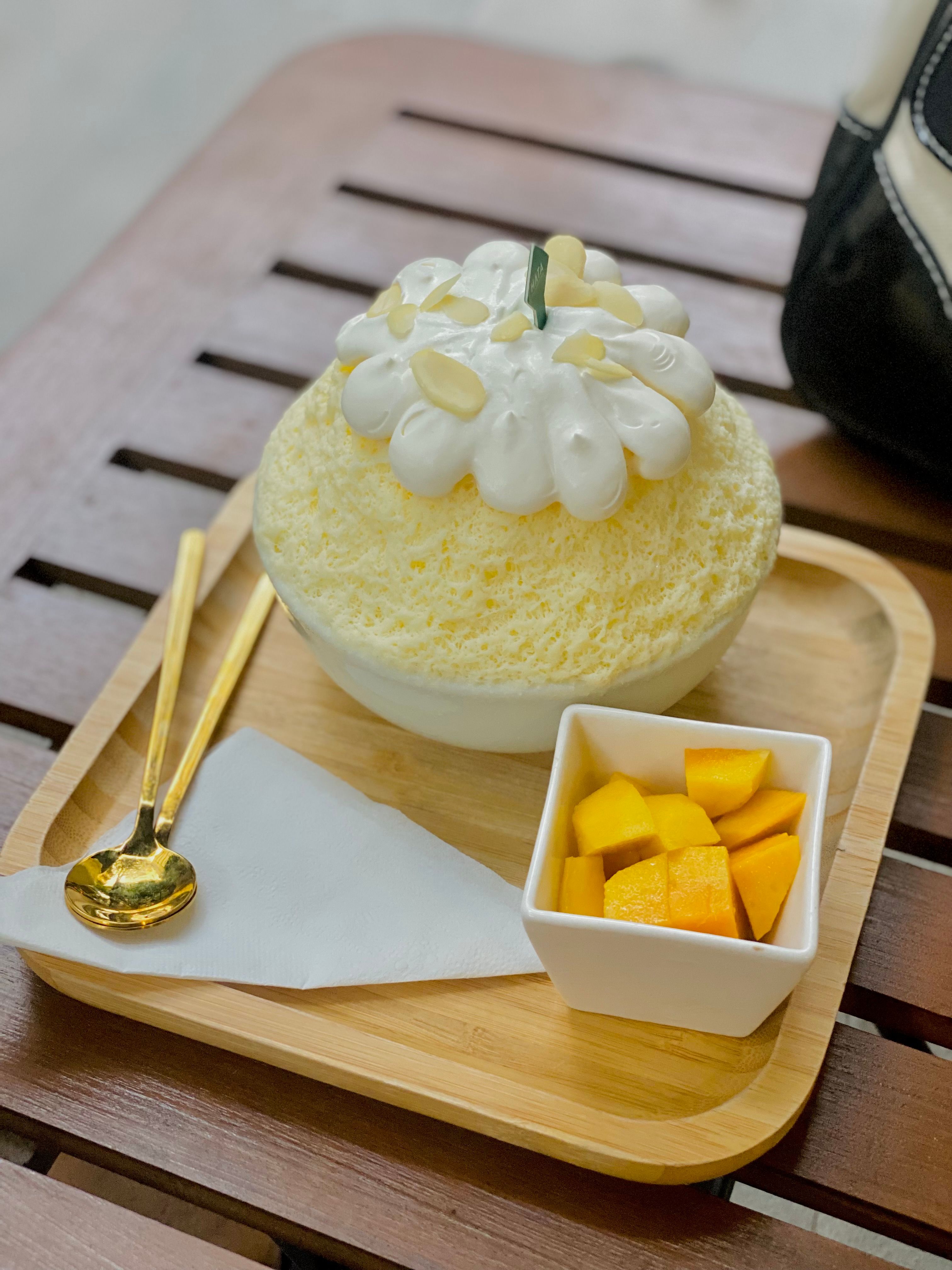
The diets react (see scores below)
Common Ingredients
- shaved ice
- red bean paste
- condensed milk
- rice cakes
- fruit
- milk
- sugar
Specific recipes may vary.
Incompatible with 11 of 11 diets
Diet Ratings
Bingsu is fundamentally incompatible with a ketogenic diet. Nearly every ingredient violates keto principles: condensed milk and sugar are concentrated sources of added sugar, red bean paste is high in carbohydrates, rice cakes are a starchy grain product, and fruit adds additional sugars. Even the shaved ice base is typically sweetened. A single serving can easily contain 60-100g+ of net carbs, far exceeding the entire daily keto carb allowance. There is no meaningful way to consume a standard serving of bingsu while maintaining ketosis.
Bingsu as described contains two clear animal-derived ingredients: condensed milk and milk. Both are dairy products and are unambiguously excluded under all vegan definitions. The shaved ice base, red bean paste, rice cakes, fruit, and sugar are all plant-based, but the dairy components disqualify the dish. Vegan versions of bingsu do exist and are increasingly available — substituting condensed milk with sweetened condensed coconut milk or oat milk condensed milk, and using plant-based milk — but the traditional/default preparation as listed here is not vegan.
Bingsu is fundamentally incompatible with the paleo diet. Nearly every core ingredient violates paleo principles: red bean paste is a legume product, condensed milk and milk are dairy, rice cakes are a processed grain product, and sugar is refined. The shaved ice base is the only neutral component. The fruit topping is the single paleo-approved element. With four out of six substantive ingredients being clear paleo violations — legumes, dairy, grains, and refined sugar — this dish scores at the very bottom of the compatibility scale.
Bingsu is a Korean shaved ice dessert that fundamentally contradicts Mediterranean diet principles. The dish is centered on added sugars (condensed milk, sugar, sweetened red bean paste), refined ingredients, and minimal nutritional value. Condensed milk is high in added sugar and saturated fat. The rice cakes (tteok) are made from refined white rice flour with little fiber. While fruit is a positive element, it is a minor component in a dish dominated by sugar and processed dairy. This is essentially a high-sugar, highly processed dessert with no olive oil, no whole grains, no legumes in their natural form, and no meaningful plant-forward nutrition. The Mediterranean diet minimizes added sugars and processed foods, making Bingsu a clear 'avoid.'
Bingsu is a Korean shaved ice dessert that is entirely incompatible with the carnivore diet. It contains no animal protein and is composed almost entirely of plant-derived and processed ingredients: shaved ice, red bean paste (legume), rice cakes (grain), fruit (plant), and sugar (processed). The only marginally animal-derived components are condensed milk and milk, but both are heavily processed with added sugar, making them unacceptable even by lenient carnivore standards. This dish is essentially pure carbohydrates and sugar with zero place in any tier of the carnivore diet.
Bingsu contains multiple excluded ingredients that make it incompatible with Whole30. Condensed milk is dairy and also contains added sugar. Regular milk is dairy. Sugar is an excluded added sweetener. Red bean paste is made from adzuki beans, which are legumes and excluded. Rice cakes are made from rice, a grain that is explicitly excluded. This dish fails on nearly every ingredient beyond the shaved ice and fruit.
Bingsu contains multiple high-FODMAP ingredients that make it problematic during the elimination phase. Red bean paste is the most significant offender — red beans (adzuki beans) are high in GOS (galacto-oligosaccharides) and fructans, making red bean paste a high-FODMAP ingredient at any reasonable serving. Condensed milk is very high in lactose (concentrated milk with added sugar), making it another major FODMAP source. Regular milk adds further lactose. The fruit toppings are variable but commonly include high-FODMAP options like mango, peach, or watermelon. Rice cakes (tteok) made from glutinous rice flour are generally low-FODMAP in small serves. Shaved ice and sugar are FODMAP-free. However, with at least three reliably high-FODMAP components (red bean paste, condensed milk, milk) appearing together in standard servings, Bingsu as traditionally prepared is not suitable during the elimination phase.
Some FODMAP practitioners acknowledge that heavily modified versions — substituting lactose-free milk, omitting red bean paste, and choosing low-FODMAP fruits — could theoretically make a bingsu-style dessert tolerable, but this would no longer resemble traditional Bingsu. Monash University has not specifically tested red bean paste, so the GOS content is inferred from general legume data rather than direct measurement.
Bingsu as traditionally prepared is a high-sugar dessert that conflicts with core DASH principles. Condensed milk is high in added sugar and saturated fat. Red bean paste (pat) is typically heavily sweetened. Additional sugar is added directly, and rice cakes contribute refined carbohydrates with negligible fiber. The cumulative added sugar load is substantial — DASH guidelines explicitly limit sweets and added sugars to no more than 5 servings per week (about 5 teaspoons of sugar), and a standard bingsu serving can easily exceed that weekly allowance in a single dish. While the shaved ice base and fresh fruit components are DASH-friendly, they are minor contributors to the overall nutritional profile. The condensed milk also introduces saturated fat, which DASH limits. This is a treat food not compatible with regular DASH diet adherence.
Bingsu is essentially a dessert built almost entirely from high-glycemic, sugar-dense ingredients with negligible protein and virtually no favorable fat. The base is shaved ice, which contributes nothing nutritionally. Condensed milk and sugar are concentrated sweeteners that spike blood glucose rapidly — exactly what Zone protocol targets to suppress. Red bean paste, while containing some protein and fiber in its whole form, is typically heavily sweetened in bingsu preparation, shifting it firmly into the unfavorable carb category. Rice cakes (tteok) are high-glycemic processed starch. The milk contributes minimal protein relative to carbohydrate load. Even the fruit, normally a moderate Zone carb, is overwhelmed by the surrounding high-glycemic ingredients. There is no meaningful lean protein source, no monounsaturated fat, and the carbohydrate load is almost entirely high-glycemic. This dish essentially cannot be portioned into a Zone-balanced meal without fundamentally changing its composition. The macro profile is approximately 85-90% carbohydrates (mostly high-glycemic), 5-8% protein, and 3-5% fat — the polar opposite of the 40/30/30 Zone ratio. This places it firmly in the avoid category alongside candy, soda, and pure sugar desserts.
Bingsu is a Korean shaved ice dessert that is fundamentally a high-sugar, low-nutrient dish from an anti-inflammatory perspective. The ingredient profile is dominated by pro-inflammatory components: condensed milk is high in added sugar and saturated fat; sugar is added directly; red bean paste in commercial/prepared form typically contains significant added sugar (though red beans themselves have anti-inflammatory fiber and polyphenols, the paste form negates much of this benefit); and rice cakes are refined, high-glycemic carbohydrates. Condensed milk and added sugar together drive a sharp glycemic spike, which promotes inflammatory cytokine release and can elevate CRP. The fruit component is the only genuinely anti-inflammatory ingredient, but it is typically a minor garnish relative to the sugar load. There are no omega-3 sources, no meaningful antioxidant-dense ingredients in sufficient quantity, no anti-inflammatory spices, and no healthy fats. This is essentially a dessert built around refined sugar and refined carbohydrates — the exact combination anti-inflammatory nutrition consistently identifies as pro-inflammatory.
Bingsu is a high-sugar, low-protein, low-fiber dessert that conflicts with nearly every GLP-1 dietary priority. The base is shaved ice sweetened with condensed milk and sugar, delivering a rapid spike in simple carbohydrates with negligible nutritional return. Red bean paste contributes a small amount of fiber and protein, but in typical bingsu portions these benefits are marginal and offset by added sugar content. Rice cakes are refined, easily digestible starch with minimal fiber. While the high water content of shaved ice is superficially a positive for hydration, it does not meaningfully compensate for the dish's nutritional profile. With no meaningful protein source, high sugar load, and empty calories dominating the macronutrient profile, bingsu offers very little per calorie — the opposite of what GLP-1 patients need given their reduced appetite and caloric intake. The sugar spike may also undermine blood sugar stability, a particular concern for GLP-1 patients managing type 2 diabetes or insulin resistance.
*See how scores were generated at our methodology page.
Nutritional profile
Six traits that cut across every diet.
Fiber & Plants
How much whole-plant food and fiber it delivers.
Healthy Fats
The quality of its fats (unsaturated, omega-3).
Whole / Unprocessed
How close it is to its natural, unprocessed form.
Gut Gentle
How easy it is on digestion (low FODMAP, few irritants).
Low Glycemic
How little it spikes your blood sugar.
Protein Density
How much protein it packs per calorie.
Controversy Index
Higher controversy = more disagreement between diets.