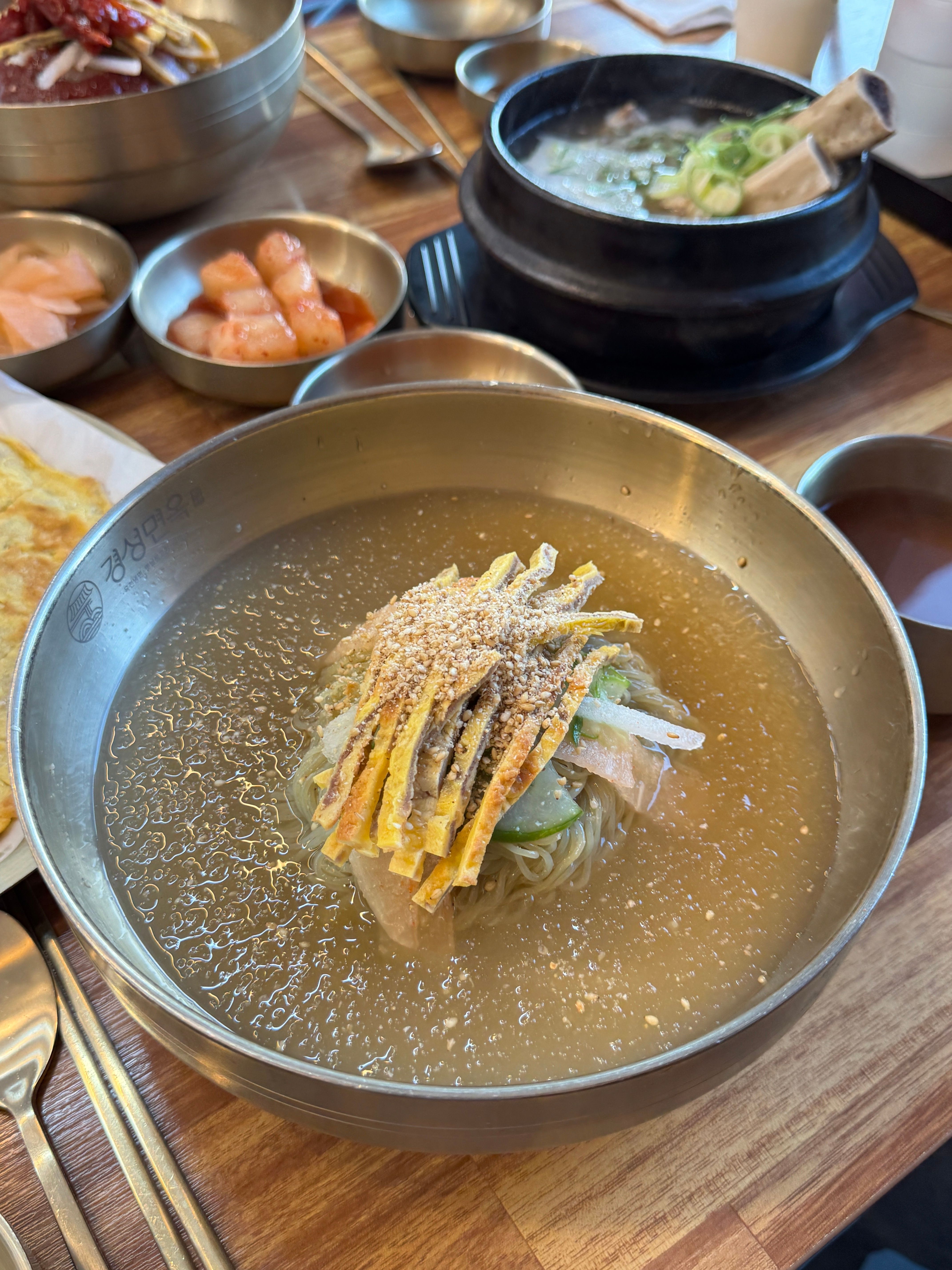
Photo: Pexels User / Pexels
The diets react (see scores below)
Common Ingredients
- buckwheat noodles
- beef broth
- cucumber
- asian pear
- egg
- radish
- mustard
- vinegar
Specific recipes may vary.
Incompatible with 5 of 11 diets
Diet Ratings
Naengmyeon is fundamentally incompatible with a ketogenic diet. The dish is built around buckwheat noodles, which are a grain-based, high-carbohydrate food. A standard serving of buckwheat noodles (approximately 200g cooked) contains roughly 40-50g of net carbs on its own, which meets or exceeds the entire daily keto carb limit before accounting for any other ingredients. Asian pear adds additional sugar and carbohydrates (roughly 10-12g net carbs per serving), compounding the problem. While some ingredients like beef broth, egg, cucumber, and radish are keto-friendly, and mustard and vinegar are negligible in carbs, the core structural components — noodles and fruit — make this dish entirely unsuitable for maintaining ketosis. There is no practical portion size that would make Naengmyeon keto-compatible, as the noodles are the defining feature of the dish.
Naengmyeon as described contains multiple animal-derived ingredients that are strictly excluded from a vegan diet. Beef broth is made by simmering animal bones and meat, making it a direct animal product. The egg (traditionally served as a hard-boiled half on top) is an animal product excluded by all major vegan standards. The primary protein is listed as beef, further confirming animal content. The buckwheat noodles, cucumber, asian pear, radish, mustard, and vinegar are plant-based, but the dish as a whole is fundamentally non-vegan due to its broth base, egg garnish, and beef protein.
Naengmyeon is fundamentally incompatible with the paleo diet due to its primary ingredient: buckwheat noodles. Despite its name, buckwheat is classified as a grain (or pseudo-grain) and is explicitly excluded from the paleo framework. The noodles form the structural base of this dish, making substitution impractical without completely reinventing it. The remaining ingredients are largely paleo-friendly — beef broth, cucumber, Asian pear, egg, radish, mustard, and vinegar are all acceptable — but the non-negotiable grain-based noodle component disqualifies the dish as a whole.
Naengmyeon is a Korean cold noodle dish with a mixed Mediterranean diet profile. The buckwheat noodles are a whole grain and align well with Mediterranean principles, offering fiber and nutrients. Vegetables like cucumber, radish, and Asian pear are plant-forward and encouraged. Egg is acceptable in moderation. However, the primary protein is beef broth (and implied beef), which is limited in the Mediterranean diet to a few times per month. The dish lacks olive oil entirely and is not built around Mediterranean staples. That said, the overall ingredient list is relatively whole-food and minimally processed, which partially redeems it. The dish lands in caution territory — acceptable occasionally, but not a Mediterranean staple.
Some Mediterranean diet interpreters might rate this more favorably, noting that the dish is predominantly plant-based (buckwheat, vegetables, fruit) with only trace beef in the broth, making it comparable to using meat as a flavoring agent — a practice seen in traditional Mediterranean cooking. Others would emphasize that beef broth as the base still categorizes it as a red meat dish that should be limited.
Naengmyeon is fundamentally incompatible with the carnivore diet. The dish is built around buckwheat noodles — a plant-based grain product that is strictly excluded. The accompanying ingredients include cucumber, Asian pear, radish, mustard, and vinegar, all of which are plant-derived and forbidden on carnivore. While the dish does contain two carnivore-compatible components (beef broth and egg), these are entirely outweighed by the dominant plant-based ingredients. There is no version of this dish that could be considered carnivore without a complete reconstruction that removes all its defining characteristics.
Naengmyeon contains buckwheat noodles, which are explicitly excluded on the Whole30 for two reasons: (1) buckwheat is a grain excluded from the program, and (2) noodles/pasta are specifically listed under the 'no recreating baked goods/junk food' rule regardless of ingredient compliance. This disqualifies the dish outright. The remaining ingredients — beef broth, cucumber, asian pear, egg, radish, mustard, and vinegar — are generally Whole30-compatible (vinegar is explicitly allowed), but the buckwheat noodles are a non-negotiable violation.
Naengmyeon presents a mixed FODMAP picture. Buckwheat noodles are generally low-FODMAP when made from pure buckwheat, but many commercial naengmyeon noodle blends include wheat flour or sweet potato starch — the wheat content would introduce fructans and make them high-FODMAP. Pure buckwheat noodles are safe. Beef broth is low-FODMAP if made without onion or garlic (which is rarely the case in traditional Korean broth — most homemade or restaurant versions include these high-FODMAP aromatics). Cucumber is low-FODMAP at standard servings. Asian pear (nashi pear) is a significant concern — it contains excess fructose and sorbitol and is rated high-FODMAP by Monash at typical serving sizes. Egg is low-FODMAP. Radish (Korean/daikon) is low-FODMAP at moderate servings (~100g). Mustard (plain) is low-FODMAP in small amounts. Vinegar is low-FODMAP. The two primary concerns are the asian pear (a likely FODMAP trigger due to excess fructose and polyols) and the noodle composition and broth base. As traditionally prepared, this dish is unlikely to be safe during elimination phase without significant modifications.
Monash University has not tested naengmyeon as a composite dish, and FODMAP status depends heavily on preparation details. Some clinical FODMAP practitioners may allow modified versions with certified pure buckwheat noodles, a safe broth, and asian pear omitted or replaced with a low-FODMAP fruit like strawberry, which would shift the verdict toward approval for a customized version.
Naengmyeon is a Korean cold noodle dish with several DASH-friendly components — buckwheat noodles (whole grain, high in fiber and magnesium), fresh vegetables (cucumber, radish), fruit (Asian pear, a potassium source), and egg (lean protein). However, the primary concern for DASH compliance is the beef broth base, which as commonly prepared is high in sodium, often exceeding 800–1,200mg per serving. Traditional naengmyeon broth is also seasoned with additional salt. The mustard and vinegar condiments are generally low-calorie and sodium-modest. The beef component (dongchimi or brisket slices) is lean, which aligns better with DASH than fatty cuts. Overall, the dish has a favorable nutrient profile in terms of whole grains, fiber, and micronutrients, but sodium content from the broth is the critical limiting factor for DASH compliance. A low-sodium or homemade broth version would score significantly higher (7–8).
NIH DASH guidelines broadly flag high-sodium broths and restaurant-prepared soups as problematic. However, updated clinical interpretations note that buckwheat's strong magnesium and fiber profile, combined with the dish's vegetable and fruit content, make it nutritionally closer to DASH ideals than most noodle dishes — some DASH-oriented dietitians allow it when sodium-reduced broth is used or broth consumption is limited.
Naengmyeon presents a mixed Zone profile. The dish has several favorable elements: cucumber, radish, and asian pear provide low-to-moderate glycemic carbohydrates with polyphenols; egg adds lean protein; beef broth is low-calorie and favorable; mustard and vinegar are Zone-friendly condiments. However, the buckwheat noodles are the central challenge. While buckwheat is lower-glycemic than white rice or wheat noodles and contains more fiber, it is still a grain-based carbohydrate that will dominate the carb blocks in a typical serving. A standard naengmyeon portion (~200g noodles) delivers roughly 40-50g net carbs from buckwheat alone — far exceeding the ~9g per carb block ideal, meaning the dish would require dramatic portion reduction to balance. The asian pear adds moderate glycemic load on top. The protein from egg and any thin-sliced beef is lean and favorable, and the fat content is naturally low (which means the meal would need supplemental monounsaturated fat like a small drizzle of sesame oil or side of avocado). In Zone terms, this dish is 'unfavorable' primarily due to the noodle-heavy carb load, but it is not categorically off-limits — a half-portion of noodles with extra vegetables, added lean protein, and a small fat source could approximate Zone balance.
Some Zone practitioners note that buckwheat, being a pseudograin with a moderate glycemic index (~54) and meaningful fiber content, is more favorable than Sears' general grain warnings suggest. Sears' later anti-inflammatory writing (Toxic Fat, The Zone Diet) places greater emphasis on polyphenols and omega-3s, and this dish's vinegar, radish, and pear contribute polyphenols. A practitioner focused on the anti-inflammatory framework might rate this more favorably if noodle portions are halved and lean beef slices are added for protein balance.
Naengmyeon is a Korean cold noodle dish with a reasonably strong anti-inflammatory profile overall. Buckwheat noodles are a notable positive: buckwheat is a whole grain/seed that contains rutin (a potent flavonoid with anti-inflammatory properties), fiber, magnesium, and has a lower glycemic index than refined wheat noodles. The vegetable components — cucumber, radish, and Asian pear — contribute antioxidants, polyphenols, and fiber. Mustard contains anti-inflammatory glucosinolates. Vinegar (likely rice vinegar) is neutral to mildly beneficial for glycemic modulation. The egg adds choline and some pro-inflammatory arachidonic acid, but is generally accepted in moderation. The main concern is the beef broth base: beef is in the 'limit' category on anti-inflammatory protocols due to saturated fat content, though a broth (rather than a fatty meat portion) contains much less saturated fat than whole beef cuts. The dish is cold and light, making it lower in overall fat than many beef-based dishes. There are no refined flours, added sugars, trans fats, or seed oils. The overall composition leans anti-inflammatory with the caveat that the beef broth introduces a moderate pro-inflammatory signal.
Most anti-inflammatory frameworks would view this dish favorably due to buckwheat, vegetables, and its light preparation — Dr. Weil's pyramid supports whole grains, vegetables, and moderate eggs. However, some stricter anti-inflammatory protocols (such as AIP or those emphasizing plant-forward eating) would flag the beef broth as a concern, and some practitioners note that conventional beef can carry a less favorable omega-6 to omega-3 ratio compared to grass-fed varieties.
Naengmyeon is a cold Korean noodle dish that has several GLP-1-friendly qualities but falls short on protein density. On the positive side, it is low in fat, easy to digest (cold, light broth, no frying), nutrient-dense with vegetables (cucumber, radish, asian pear), and the broth supports hydration. The egg adds some protein and the buckwheat noodles provide more fiber and nutrients than refined wheat noodles. However, the dish is fundamentally noodle-centric — a standard serving delivers roughly 6-10g of protein (mostly from the half egg and small beef slices) and approximately 40-55g of carbohydrates, making it difficult to hit the 15-30g per-meal protein target without modification. The buckwheat noodles, while better than refined alternatives, are still a moderate-glycemic carbohydrate source. The vinegar and mustard condiments are fine in small amounts. The asian pear adds natural sugar but also fiber. Overall this is a light, low-fat, easy-to-digest dish that won’t worsen GLP-1 side effects but requires protein supplementation — extra sliced beef or an added egg — to be a complete GLP-1-appropriate meal.
Some GLP-1-focused dietitians would rate this more favorably as a low-fat, easily digestible option that minimizes nausea risk, particularly in patients struggling with GI side effects where tolerability temporarily outweighs protein optimization. Others would rate it lower due to its carbohydrate-to-protein ratio and the limited satiety value of noodle-heavy dishes in small-appetite patients where every bite must maximize protein and fiber return.
*See how scores were generated at our methodology page.
Nutritional profile
Six traits that cut across every diet.
Fiber & Plants
How much whole-plant food and fiber it delivers.
Healthy Fats
The quality of its fats (unsaturated, omega-3).
Whole / Unprocessed
How close it is to its natural, unprocessed form.
Gut Gentle
How easy it is on digestion (low FODMAP, few irritants).
Low Glycemic
How little it spikes your blood sugar.
Protein Density
How much protein it packs per calorie.
Controversy Index
Higher controversy = more disagreement between diets.
Diet-Specific Tips
 Mediterranean — 5/10
View tips
- Buckwheat noodles are a whole grain — Mediterranean-compatible
- Cucumber, radish, and Asian pear are plant-forward ingredients
- Beef broth as primary liquid introduces red meat — limited in Mediterranean diet
- Egg is acceptable in moderation
- No olive oil present — missing the canonical Mediterranean fat
- Minimally processed, whole-food ingredients overall
- Not a traditional Mediterranean dish but not highly incompatible
 Low-FODMAP — 5/10
View tips
- Asian pear is high-FODMAP due to excess fructose and sorbitol — a key trigger ingredient
- Buckwheat noodles are low-FODMAP only if made from 100% buckwheat; many commercial blends contain wheat (fructans)
- Traditional beef broth often contains onion and/or garlic, both high in fructans
- Cucumber, egg, vinegar, and plain mustard are all low-FODMAP
- Daikon radish is low-FODMAP at standard portions (~100g)
- Dish as traditionally prepared contains multiple high-FODMAP elements; modifications required for elimination phase
 DASH — 5/10
View tips
- Beef broth high in sodium as typically prepared (major DASH concern)
- Buckwheat noodles are a whole grain with fiber and magnesium — DASH-positive
- Cucumber, radish, and Asian pear contribute potassium and fiber
- Lean beef protein aligns with DASH lean meat guidelines
- Egg adds protein; cholesterol concern is modest under current DASH-aligned guidelines
- Mustard and vinegar are low-calorie condiments with minimal sodium impact
- Low-sodium broth preparation would substantially improve DASH score
 Zone — 5/10
View tips
- Buckwheat noodles are a grain carbohydrate — unfavorable in Zone but lower-GI than wheat; portion control is critical
- Standard serving size delivers too many carb blocks from noodles alone
- Cucumber, radish, and asian pear are favorable low-glycemic carb sources
- Egg provides lean protein but typical naengmyeon is protein-light; needs supplemental lean protein
- Dish is naturally very low in fat — requires added monounsaturated fat to hit 30% fat target
- Vinegar and mustard are Zone-friendly condiments with negligible glycemic impact
- No processed ingredients, seed oils, or added sugar — anti-inflammatory profile is reasonable
- Achievable as a Zone meal with ~50% noodle reduction and added lean beef slices plus fat source
 Anti-Inflammatory — 7/10
View tips
- Buckwheat noodles provide rutin (flavonoid), fiber, and have lower glycemic index than refined wheat
- Cucumber, radish, and Asian pear contribute antioxidants, polyphenols, and fiber
- Mustard contains anti-inflammatory glucosinolates
- Beef broth is a moderate concern — beef is in the 'limit' category, though broth form has lower saturated fat than whole cuts
- Egg adds choline but also some arachidonic acid — acceptable in moderation
- No refined grains, added sugars, trans fats, or inflammatory seed oils
- Light, cold preparation style minimizes added fats
 GLP-1 Friendly — 5/10
View tips
- Low protein density — standard serving provides only ~6-10g protein, well below the 15-30g per meal target
- Buckwheat noodles are a better carbohydrate choice than refined noodles — higher fiber and micronutrient content
- Very low fat — lean broth-based dish unlikely to worsen nausea, bloating, or reflux
- Hydrating — cold broth and high-water vegetables (cucumber, radish) support hydration needs
- Vegetable variety adds fiber and micronutrients within a small-volume serving
- Protein gap must be addressed — requires added beef slices or an extra egg to be GLP-1 appropriate
- Vinegar and mustard are well-tolerated condiments at typical serving amounts
- Asian pear adds natural sugar but fiber offsets glycemic impact partially