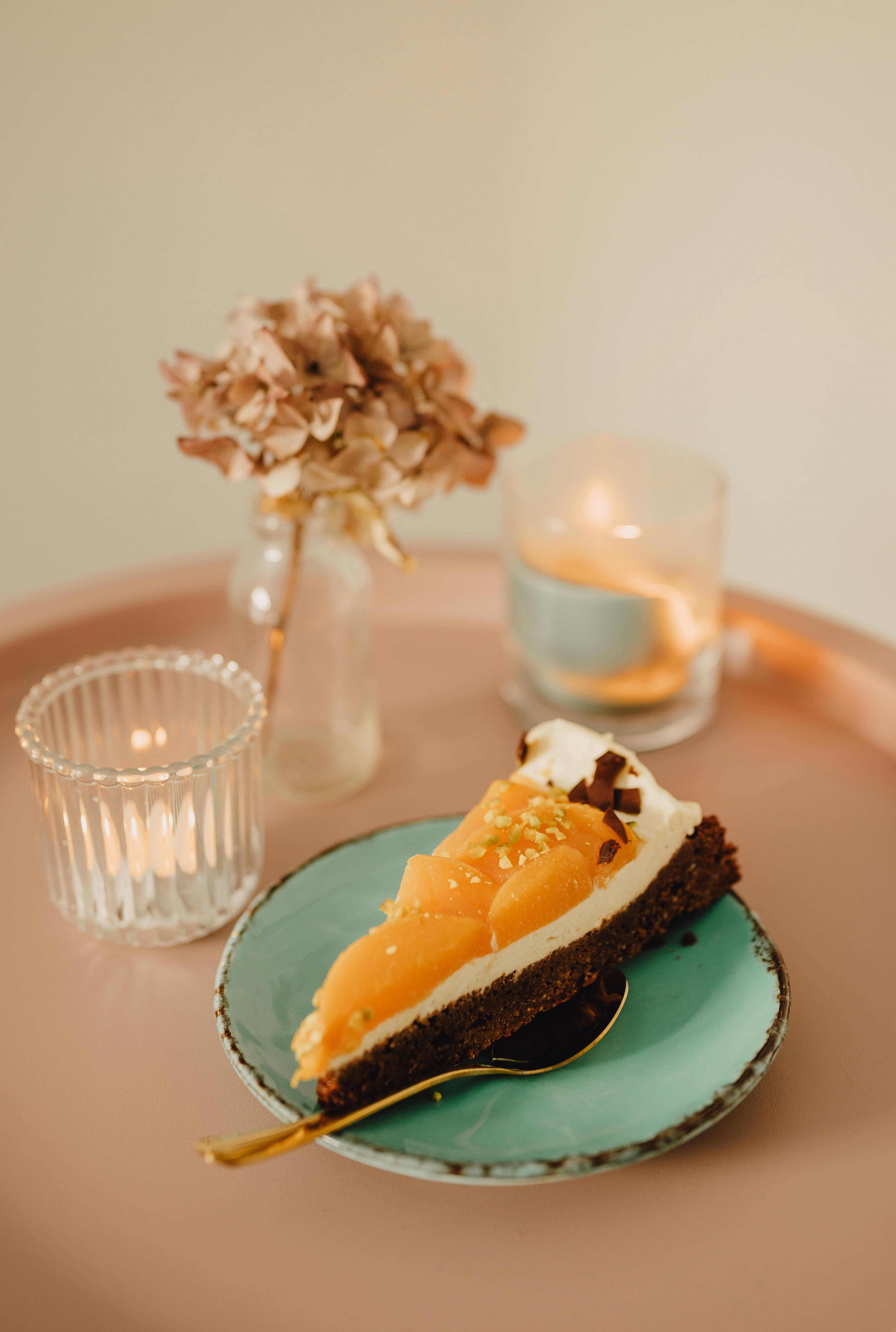
The diets react (see scores below)
Common Ingredients
- flour
- eggs
- sugar
- butter
- baking powder
- dulce de leche
- whipped cream
- strawberries
- vanilla extract
Specific recipes may vary.
Incompatible with 11 of 11 diets
Diet Ratings
Chilean Kuchen is fundamentally incompatible with ketogenic eating. The base is made from wheat flour, a high-carb grain that alone delivers massive net carbs per serving. This is compounded by added sugar in the dough, dulce de leche (a caramel made from milk and sugar, extremely high in sugar and carbs), and strawberries. Baking powder is negligible, but whipped cream with sugar may add further carbs. A single serving likely contains 40-70g of net carbs, far exceeding the entire daily keto limit. There is no meaningful modification possible that would preserve the identity of this dish while making it keto-compatible.
Chilean Kuchen contains multiple animal-derived ingredients that make it incompatible with a vegan diet. Eggs and butter are direct animal products, whipped cream is a dairy product, and dulce de leche is made from milk (also a dairy product). These four ingredients are unambiguous animal products with no meaningful debate within the vegan community. The only plant-based components are flour, sugar, baking powder, strawberries, and vanilla extract. While a vegan version of Kuchen could theoretically be made by substituting plant-based alternatives (flax eggs, vegan butter, coconut whipped cream, vegan dulce de leche), the dish as described with its listed ingredients is clearly not vegan.
Kuchen is a Chilean pastry that contains multiple paleo-excluded ingredients. Flour (wheat grain) is strictly forbidden on paleo. Butter and whipped cream are dairy products excluded under paleo rules. Sugar is refined and excluded. Baking powder typically contains cornstarch or other non-paleo additives. Dulce de leche combines dairy and refined sugar, making it doubly non-compliant. The only paleo-compatible ingredients in this dish are eggs, strawberries, and vanilla extract — a small minority of the ingredient list. This dish is fundamentally a grain-and-dairy-based dessert with no viable paleo adaptation without completely reconstructing it.
Chilean Kuchen is a dessert pastry built on refined white flour, sugar, butter, dulce de leche, and whipped cream — a combination that concentrates multiple ingredients the Mediterranean diet discourages. Refined flour offers little fiber or nutritional density; added sugar (both granulated and from dulce de leche) is a primary concern; butter is a saturated animal fat rather than the encouraged extra virgin olive oil; and whipped cream adds further saturated fat. Dulce de leche is heavily processed and extremely high in added sugar. The only redeeming ingredient is fresh strawberries, which are a whole fruit, but they play a minor role in the overall nutritional profile of the dish. This confection aligns closely with the category of high-sugar, refined-grain, high-saturated-fat foods the Mediterranean diet explicitly minimizes.
Chilean Kuchen is fundamentally incompatible with the carnivore diet. The dish is primarily plant-based and heavily processed, containing flour (grain), sugar (processed plant-derived), baking powder (plant/mineral additive), strawberries (fruit), and vanilla extract (plant). While it does contain some animal-derived ingredients (eggs, butter, whipped cream, dulce de leche), these are entirely secondary to the dominant plant and sugar components. The base is a grain flour cake — grains are one of the most clearly excluded food categories on any tier of carnivore. Sugar is explicitly prohibited. Strawberries are fruit, also completely excluded. There is no meaningful animal protein present. This dish fails virtually every carnivore criterion simultaneously.
Kuchen is a baked pastry/cake that fails Whole30 on multiple grounds. It contains flour (a grain, explicitly excluded), sugar (added sugar, excluded), and butter (dairy, excluded — only ghee/clarified butter is allowed). Additionally, dulce de leche contains dairy and added sugar, and whipped cream is dairy. Even setting aside the excluded ingredients, Kuchen is explicitly the type of baked good (cake/pastry) that Whole30's Rule 4 prohibits, as it recreates a baked treat. This dish is disqualified by at least five separate Whole30 violations.
Chilean Kuchen contains multiple high-FODMAP ingredients that make it unsuitable during the elimination phase. Wheat flour is high in fructans, which is a primary FODMAP trigger. Dulce de leche is made from milk and is high in lactose, a disaccharide FODMAP. Whipped cream, while lower in lactose than milk, is typically made with regular cream and adds to the lactose load. Together, these ingredients create a dish that is high-FODMAP at any reasonable serving size. Strawberries are low-FODMAP at up to 5 medium berries per Monash, eggs and butter are low-FODMAP, sugar is low-FODMAP, vanilla extract is low-FODMAP, and baking powder is low-FODMAP — but the wheat flour and dulce de leche alone are sufficient to classify this dish as high-FODMAP and unsuitable during elimination.
Chilean Kuchen is a pastry/cake that conflicts with multiple core DASH diet principles. It is built on refined white flour (not a whole grain), butter (high in saturated fat), and sugar, then topped with dulce de leche (very high in added sugar and often saturated fat from condensed milk), whipped cream (high in saturated fat and calories), and a modest amount of strawberries (the only DASH-friendly ingredient). The combination of high saturated fat from butter and whipped cream, high added sugar from dulce de leche and sugar, and refined carbohydrates from flour places this firmly in the 'avoid' category. DASH guidelines explicitly limit sweets, added sugars, saturated fat, and refined grains. While the strawberries provide some potassium and fiber, they represent a negligible DASH benefit against the overall nutritional profile. This is an occasional treat food, not compatible with regular DASH eating.
Chilean Kuchen is a pastry/cake that combines multiple Zone-unfavorable ingredients in a single dish. White flour provides high-glycemic carbohydrates with minimal fiber, spiking insulin rapidly. Sugar adds further glycemic load with zero nutritional value. Dulce de leche is essentially concentrated sugar and saturated fat, representing one of the most Zone-incompatible ingredients possible. Whipped cream adds significant saturated fat with no protein offset. Butter contributes saturated fat rather than the preferred monounsaturated fats. The only Zone-friendly element is strawberries, which are a favorable low-glycemic fruit, but they are a minor component here. There is no lean protein component, which violates the fundamental 40/30/30 block structure — this dish provides almost no protein blocks. The carbohydrate load is high-glycemic and dense, the fat is predominantly saturated, and achieving any semblance of Zone balance would require eating such a small portion (a bite or two) that it serves no practical role as a snack. Unlike foods that are merely 'unfavorable' but manageable, this dessert cake is structurally incompatible with Zone meal planning.
Chilean Kuchen is a dessert pastry with a strongly pro-inflammatory nutritional profile. The base is refined white flour, a refined carbohydrate with a high glycemic index that drives blood sugar spikes and promotes inflammatory cytokines. Butter contributes significant saturated fat, which at high intake is associated with elevated inflammatory markers. Sugar appears both in the pastry base and prominently in the dulce de leche filling, which is essentially caramelized condensed milk — a concentrated source of added sugar and saturated fat, two of the most reliably pro-inflammatory ingredients. Whipped cream adds more saturated fat and likely added sugar. The only redeeming elements are the strawberries, which provide vitamin C, anthocyanins, and anti-inflammatory polyphenols, and vanilla extract, which has minor antioxidant properties. However, these positives are thoroughly overwhelmed by the quantity of refined carbohydrates, added sugars, and saturated fat in this dish. This combination directly targets the core mechanisms of the inflammatory cascade. As an occasional treat in an otherwise anti-inflammatory diet the impact may be minor, but as a rated dish it scores very poorly against anti-inflammatory principles.
Chilean Kuchen is a butter-based pastry/cake loaded with refined flour, sugar, butter, dulce de leche, and whipped cream — a combination that is almost the opposite of what GLP-1 patients need. It is high in saturated fat (butter, whipped cream), high in refined sugar (dulce de leche, added sugar), and built on a refined carbohydrate base (white flour) with negligible protein and minimal fiber. The only redeeming ingredient is strawberries, which contribute a small amount of fiber and micronutrients but are overwhelmed by the surrounding ingredients. High fat content will worsen GLP-1 side effects including nausea, bloating, and reflux. High sugar content represents empty calories at a time when every calorie must be nutritionally justified. The dulce de leche and whipped cream topping add significant saturated fat and sugar with no meaningful protein or fiber return. This is a classic example of an empty-calorie, high-fat, high-sugar treat that is counterproductive for GLP-1 patients on every major rating dimension.
*See how scores were generated at our methodology page.
Nutritional profile
Six traits that cut across every diet.
Fiber & Plants
How much whole-plant food and fiber it delivers.
Healthy Fats
The quality of its fats (unsaturated, omega-3).
Whole / Unprocessed
How close it is to its natural, unprocessed form.
Gut Gentle
How easy it is on digestion (low FODMAP, few irritants).
Low Glycemic
How little it spikes your blood sugar.
Protein Density
How much protein it packs per calorie.
Controversy Index
Higher controversy = more disagreement between diets.