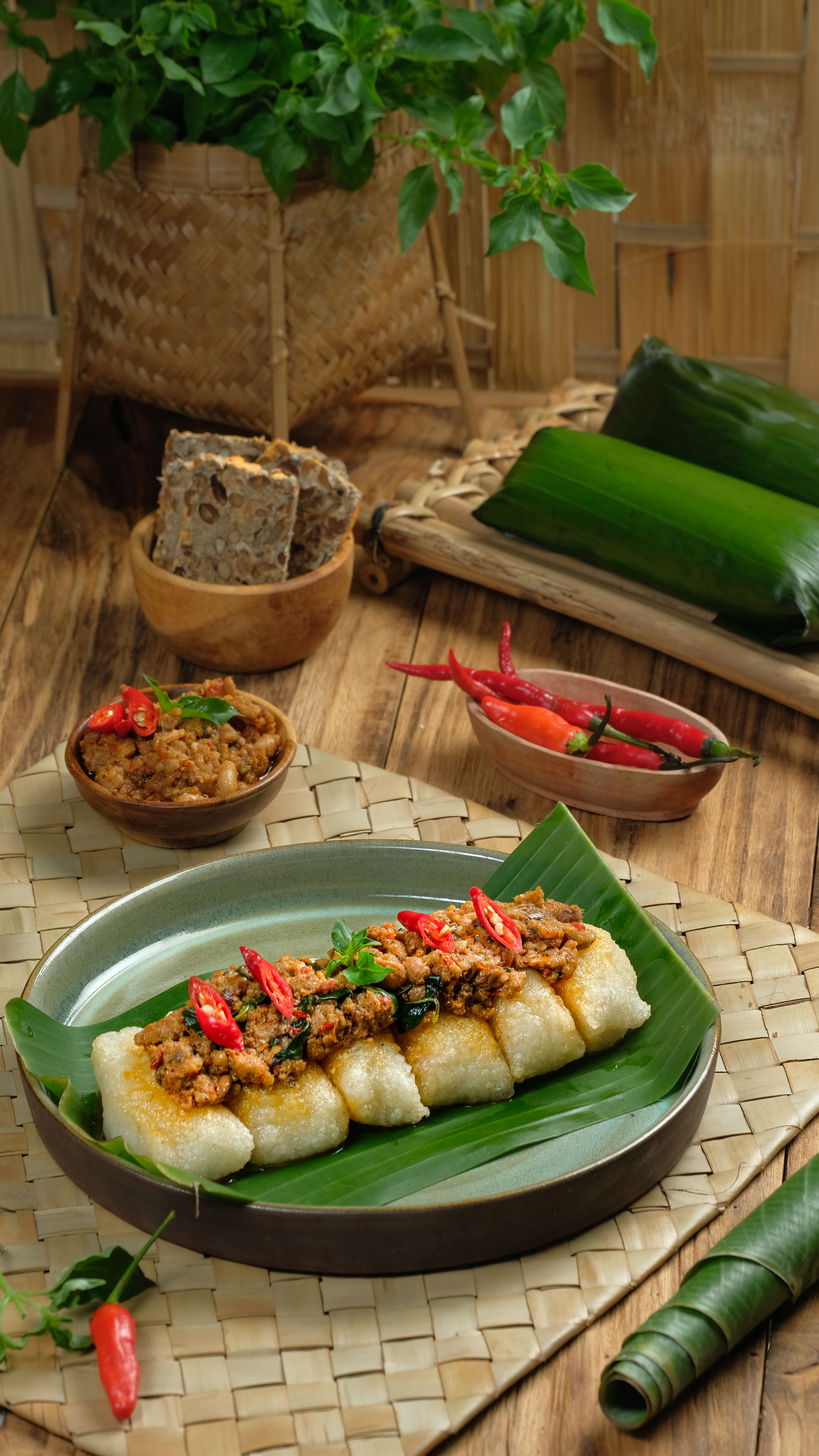
Photo: fey wardhani / Pexels
The diets react (see scores below)
Common Ingredients
- fish
- dill
- lemongrass
- kaffir lime leaves
- chili
- shallots
- scallions
- padaek
- sticky rice
- banana leaves
Specific recipes may vary.
Incompatible with 6 of 11 diets
Diet Ratings
Mok Pa is a traditional Lao steamed fish dish that, while containing several keto-friendly components (fish, dill, lemongrass, kaffir lime leaves, chili, shallots, scallions, padaek, banana leaves for wrapping), is fundamentally served with and often prepared alongside sticky rice. Sticky rice is a high-glycemic, high-net-carb grain that is central to Lao cuisine and integral to this dish's identity. A standard serving of sticky rice contains approximately 35-45g of net carbs, which can single-handedly exceed or saturate the daily keto carb budget. The fish and aromatics themselves are keto-compatible, but the sticky rice component makes the dish as traditionally served incompatible with ketosis.
Mok Pa is a traditional Lao steamed fish dish and is unambiguously non-vegan. It contains two direct animal products: fish (the primary protein) and padaek (a fermented fish paste/sauce that is a staple of Lao cuisine). Both are clearly animal-derived ingredients. The remaining ingredients — dill, lemongrass, kaffir lime leaves, chili, shallots, scallions, sticky rice, and banana leaves — are all plant-based, but their presence cannot offset the core animal ingredients. There is no meaningful debate within the vegan community about this dish.
Mok Pa contains two significant non-paleo ingredients: padaek (Lao fermented fish paste/sauce) and sticky rice. Sticky rice is a grain and is strictly excluded from the paleo diet — this is a core, non-debated exclusion. Padaek is a heavily fermented, processed condiment that typically contains added salt and sometimes rice bran or husks, making it a processed food with grain derivatives and additives that fall outside paleo guidelines. The remaining ingredients — fish, dill, lemongrass, kaffir lime leaves, chili, shallots, and scallions — are all paleo-approved, and the banana leaf steaming method is entirely compatible. However, the dish as traditionally prepared cannot be considered paleo due to the sticky rice (served alongside and often integral to the dish) and padaek.
Mok Pa is a steamed fish dish with aromatic herbs and vegetables, which aligns strongly with Mediterranean diet principles. Fish is a cornerstone protein (recommended 2-3 times weekly), and the herb-forward profile — dill, lemongrass, kaffir lime leaves, chili, shallots, scallions — mirrors the vegetable and herb emphasis central to Mediterranean eating. The banana leaf steaming method uses no added fat. Padaek (fermented fish paste) adds sodium and is a processed condiment, but is used in small quantities as a seasoning. The main concern is sticky rice (glutinous/refined starch), which is a refined grain lacking the fiber of whole grains preferred in the Mediterranean pattern. Overall, the dish is whole-food, plant-and-fish-forward with minimal saturated fat.
Some Mediterranean diet purists would flag sticky rice as a refined grain equivalent, reducing the score further given that whole grains like farro, bulgur, or brown rice are the preferred carbohydrate base. However, traditional Mediterranean populations in regions like Greece and Southern Italy did consume white rice regularly, and moderate refined grain consumption is not strictly prohibited.
Mok Pa is a Lao steamed fish dish that is heavily plant-laden. While fish itself is carnivore-approved, this dish contains numerous plant-based ingredients that are entirely incompatible with the carnivore diet: dill, lemongrass, kaffir lime leaves, chili, shallots, scallions, and sticky rice are all plant foods. Padaek (Lao fermented fish paste) may be animal-derived but often contains plant additives. Banana leaves used for steaming are plant material. Sticky rice is a grain — one of the most excluded foods on carnivore. The overwhelming majority of ingredients are plant-derived, making this dish entirely off-limits in any tier of the carnivore diet.
Mok Pa is a Lao steamed fish dish that contains two Whole30-incompatible ingredients. First, sticky rice (glutinous rice) is a grain and explicitly excluded from the Whole30 program. Second, padaek is a traditional fermented Lao fish paste/sauce that typically contains added ingredients and may include non-compliant additives, but more critically the sticky rice alone disqualifies this dish as traditionally prepared. The banana leaves used as a steaming wrapper are fine, and the herbs and aromatics (dill, lemongrass, kaffir lime leaves, chili, shallots, scallions) are all compliant. The fish itself is compliant. However, the dish as traditionally made cannot be considered Whole30-compatible due to the rice component.
Mok Pa is a Lao steamed fish dish with several problematic FODMAP ingredients. Shallots are high in fructans and are a significant FODMAP concern — even small amounts can trigger symptoms. Scallions (green onions) are low-FODMAP only in the green tops, not the white bulb portions, adding further risk. Lemongrass is low-FODMAP in typical culinary amounts. Kaffir lime leaves are used in small quantities and generally considered low-FODMAP. Dill is low-FODMAP. Chili is low-FODMAP in small amounts. Padaek (fermented fish sauce/paste) is a key concern: it is a fermented, complex ingredient with uncertain FODMAP status and may contain garlic or onion-based additives depending on preparation. Sticky rice (glutinous rice) is gluten-free and low-FODMAP. Banana leaves are used as a wrapper and not consumed. The primary FODMAP concerns are shallots (high-fructan, essentially unavoidable in this dish) and potentially padaek. Fish itself is FODMAP-free. The dish as traditionally prepared would be considered high-FODMAP due to shallots, though portion-controlled modifications could reduce risk.
Monash University has not specifically tested Mok Pa or padaek. Clinical FODMAP practitioners would likely advise avoiding this dish during the elimination phase due to shallots, which are a high-fructan ingredient with no safe serving size established for elimination. The dish could be modified (substituting shallot greens only, using garlic-infused oil instead of shallots, verifying padaek ingredients) to be more compliant, but the traditional recipe as described warrants caution at minimum.
Mok Pa is a traditional Lao steamed fish dish that has several DASH-friendly attributes: fish is a lean protein explicitly encouraged by DASH, and the aromatic herbs (dill, lemongrass, kaffir lime leaves, shallots, scallions) are all low-sodium, nutrient-rich additions with negligible caloric impact. Steaming in banana leaves is a healthy cooking method with no added fat. However, the dish contains padaek (Lao fermented fish paste/sauce), which is very high in sodium — a single tablespoon can contain 500-1,000mg+ of sodium, potentially pushing this dish well beyond DASH sodium targets in a single serving. Sticky rice, while a whole grain, is a refined starchy carbohydrate with a high glycemic index and lower fiber than DASH-preferred whole grains like brown rice or oats. The dish is not inherently unhealthy, but the padaek content is the critical limiting factor for DASH compliance. If padaek is used sparingly or substituted with low-sodium fish sauce, the dish becomes considerably more DASH-compatible.
Standard NIH DASH guidelines would flag padaek's high sodium content as problematic and the refined sticky rice as a less optimal carbohydrate choice. However, updated clinical interpretations note that the overall dish is rich in lean protein, beneficial omega-3 fatty acids (from fish), and phytonutrients from herbs — and that sodium reduction via low-sodium fish sauce substitution makes this dish a genuinely strong DASH option.
Mok Pa is a traditional Lao steamed fish dish where fish is mixed with aromatic herbs and fermented fish paste (padaek), wrapped in banana leaves, and typically served with sticky rice. The core protein component — fish steamed with herbs like dill, lemongrass, kaffir lime leaves, chili, shallots, and scallions — is excellent from a Zone perspective: lean protein, anti-inflammatory omega-3s, and polyphenol-rich aromatics. The banana leaves are just a cooking vessel and nutritionally irrelevant. Padaek (fermented fish sauce) adds sodium but negligible macronutrient distortion. The significant Zone concern is sticky rice (glutinous rice), which has a high glycemic index and would spike insulin — exactly what the Zone aims to prevent. Sticky rice is classified as an 'unfavorable' carbohydrate in Zone terminology. However, if sticky rice is consumed in a modest, controlled portion (a small ball, roughly 15-20g cooked), it can technically fit into a Zone carbohydrate block, especially when the rest of the meal is herb-heavy with low-GI aromatics. The dish also lacks appreciable fat, meaning a monounsaturated fat addition (e.g., a small amount of olive oil or avocado on the side) would be needed to complete the Zone block ratio. As traditionally served, the carbohydrate profile skews unfavorable, but the fish-herb core is a strong Zone foundation.
Some Zone practitioners would rate this more favorably by noting that the fish-and-herb steamed preparation is nearly ideal Zone protein, and that sticky rice served in traditional small portions (a modest side, not a large bowl) is manageable within a carb block. Dr. Sears' later writings emphasize anti-inflammatory eating, and the omega-3-rich fish combined with polyphenol-dense herbs (dill, lemongrass, kaffir lime, chili) aligns strongly with his anti-inflammatory protocol. A strict early-Zone reading, however, would flag sticky rice as clearly 'unfavorable' due to its high glycemic load.
Mok Pa is a traditional Lao steamed fish dish wrapped in banana leaves, featuring a strong anti-inflammatory ingredient profile overall. Fish (typically freshwater varieties like tilapia or snakehead) provides lean protein and some omega-3 fatty acids, though freshwater fish have a less potent omega-3 profile than fatty marine fish like salmon or mackerel. Dill is rich in flavonoids and has demonstrated anti-inflammatory properties. Lemongrass contains citral and other compounds with anti-inflammatory and antioxidant activity. Kaffir lime leaves offer limonene and antioxidant compounds. Chili peppers contribute capsaicin, a well-documented anti-inflammatory compound. Shallots and scallions are alliums high in quercetin and organosulfur compounds, both associated with reduced inflammatory markers. The banana leaf steaming method is excellent — no added oils, no high-heat frying, preserving heat-sensitive phytonutrients. Sticky rice is a refined starch that is nutritionally neutral to mildly pro-inflammatory in large portions due to its high glycemic index, but in the context of a balanced meal it is a moderate concern. The main point of nuance is padaek (Lao fermented fish paste), which is high in sodium and contains fermented fish products. While fermented foods can support gut health (which is linked to reduced systemic inflammation), high sodium intake is associated with increased inflammatory markers in some research. The overall dish remains strongly anti-inflammatory due to the density of beneficial herbs and spices, the lean protein source, and the clean steaming preparation method.
The padaek (fermented fish paste) adds significant sodium, which some anti-inflammatory practitioners flag as potentially pro-inflammatory at high intake levels, and its omega-6 profile from freshwater fish is less favorable than marine fatty fish emphasized by Dr. Weil's pyramid. However, fermentation proponents, including those aligned with gut-health-focused anti-inflammatory frameworks, note that fermented foods support the microbiome, which regulates systemic inflammation — making padaek a contextually debated ingredient rather than a clear liability.
Mok Pa is a traditional Lao steamed fish dish wrapped in banana leaves, making it an excellent GLP-1-friendly meal overall. The primary ingredient is fish — a lean, high-quality protein source that supports muscle retention during weight loss. Steaming in banana leaves is a low-fat cooking method that avoids added oils and is easy on the digestive system, aligning well with GLP-1 patients' need for gentle, easily digestible foods. The aromatic herbs (dill, lemongrass, kaffir lime leaves, scallions, shallots) are nutritionally beneficial and add flavor without calories. The main concerns are chili and padaek. Chili may worsen GLP-1 side effects like reflux and nausea in sensitive individuals — the amount used matters significantly. Padaek (fermented fish paste) is high in sodium and has a pungent fermented profile; while it adds depth and some protein, the sodium content and fermented nature may cause bloating or GI discomfort in some patients. Sticky rice, while often served alongside, is a refined starch with low fiber and moderate glycemic impact — if included as a side, it should be kept to a small portion. The dish as a whole is nutrient-dense, protein-forward, low in fat, and prepared via a digestion-friendly method, earning a strong approval with minor cautions around the chili and padaek.
Some GLP-1 dietitians would flag the chili content as a meaningful concern, since spicy foods frequently worsen nausea and reflux in patients on GLP-1 medications — particularly in the first months of treatment — and would recommend requesting a mild version. Others note that padaek's high sodium and fermented compounds can exacerbate bloating in patients already experiencing slowed gastric emptying, and would suggest limiting or substituting it with fish sauce in smaller amounts.
*See how scores were generated at our methodology page.
Nutritional profile
Six traits that cut across every diet.
Fiber & Plants
How much whole-plant food and fiber it delivers.
Healthy Fats
The quality of its fats (unsaturated, omega-3).
Whole / Unprocessed
How close it is to its natural, unprocessed form.
Gut Gentle
How easy it is on digestion (low FODMAP, few irritants).
Low Glycemic
How little it spikes your blood sugar.
Protein Density
How much protein it packs per calorie.
Controversy Index
Higher controversy = more disagreement between diets.
Diet-Specific Tips
 Mediterranean — 8/10
View tips
- Fish as primary protein strongly aligns with Mediterranean recommendations
- Abundant aromatic herbs and alliums (dill, lemongrass, kaffir lime, chili, shallots, scallions) are plant-forward
- Steaming in banana leaves uses no added fat — compatible with low saturated fat goals
- Padaek (fermented fish paste) is a minimally processed traditional condiment, used sparingly
- Sticky rice is a refined/glutinous grain, not a whole grain — a mild negative
- No red meat, no added sugars, no processed oils
 DASH — 5/10
View tips
- Fish is a DASH-recommended lean protein source
- Padaek (fermented fish paste) is very high in sodium — a major DASH concern
- Steaming in banana leaves adds no unhealthy fat
- Aromatic herbs (dill, lemongrass, kaffir lime leaves, chili) are DASH-compatible and nutrient-rich
- Sticky rice is a refined carbohydrate with lower fiber than DASH-preferred whole grains
- Overall dish can be made more DASH-compliant by reducing or substituting padaek with low-sodium alternatives
 Zone — 5/10
View tips
- Fish is an excellent Zone lean protein and omega-3 source — strongly favorable
- Herbs (dill, lemongrass, kaffir lime leaves, chili, shallots, scallions) are low-GI, polyphenol-rich — very favorable
- Sticky rice is high-glycemic and classified as 'unfavorable' in Zone carbohydrate terms — the primary concern
- Padaek adds fermented flavor but minimal macronutrient disruption; high sodium is a minor concern
- Dish is low in fat as prepared — would need monounsaturated fat addition to complete Zone 40/30/30 ratio
- Banana leaves are a cooking vessel only — no nutritional impact
- Portion control of sticky rice is critical; small traditional portions can fit within a Zone carb block
 Anti-Inflammatory — 8/10
View tips
- Freshwater fish provides lean protein with modest omega-3s — beneficial but less potent than fatty marine fish
- Dense array of anti-inflammatory herbs and aromatics: dill, lemongrass, kaffir lime leaves, chili, shallots, scallions
- Capsaicin from chili pepper is a well-documented anti-inflammatory compound
- Banana leaf steaming is a clean, oil-free cooking method that preserves phytonutrients
- Padaek (fermented fish paste) adds sodium and fermented compounds — mixed profile
- Sticky rice has a high glycemic index and is nutritionally neutral to mildly pro-inflammatory in large portions
- No seed oils, refined sugars, trans fats, or artificial additives
 GLP-1 Friendly — 8/10
View tips
- Lean fish protein supports muscle retention and meets GLP-1 protein priorities
- Steaming in banana leaves is a low-fat, easy-to-digest cooking method
- Herbs (dill, lemongrass, kaffir lime, shallots) add nutrients and flavor without significant calories
- Chili content may worsen GLP-1 side effects (nausea, reflux) — portion and heat level matter
- Padaek is high in sodium and may contribute to bloating given slowed gastric emptying
- Sticky rice side is low-fiber and should be portioned small
- Overall dish is nutrient-dense and protein-forward with manageable drawbacks