Photo: Irene Ästhetik / Pexels
The diets react (see scores below)
Common Ingredients
- flour
- yeast
- sugar
- water
- lemon
- vegetable oil
- orange blossom water
Specific recipes may vary.
Incompatible with 10 of 11 diets
Diet Ratings
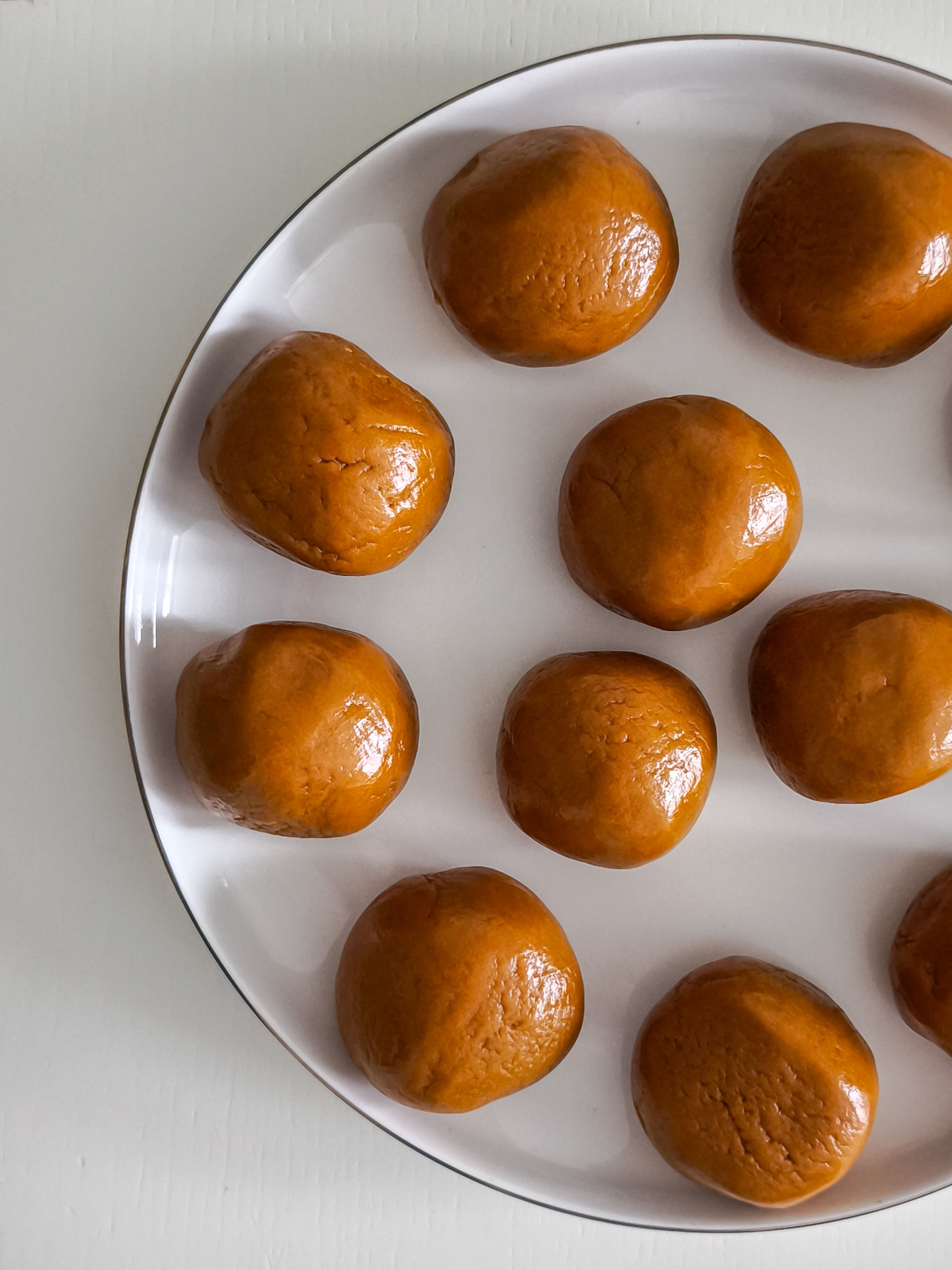
Awameh are Levantine fried dough balls made primarily from wheat flour, sugar, and yeast — three of the most keto-incompatible ingredients possible. Wheat flour is a high-glycemic grain delivering dense net carbs, sugar adds direct glucose, and yeast fermentation does not meaningfully reduce the carbohydrate load. A typical serving of 5-6 pieces can easily contain 40-60g of net carbs, instantly exceeding or maxing out the entire daily keto carb allowance. The frying in vegetable oil (an inflammatory omega-6 fat) adds no redeeming keto quality. This dish is fundamentally incompatible with ketosis.
Awameh (Levantine fried dough balls) as described here contains only plant-based ingredients: flour, yeast, sugar, water, lemon, vegetable oil, and orange blossom water. All components are clearly vegan. However, the dish is a deep-fried sweet snack with significant sugar content and refined flour, placing it firmly in the processed/indulgent category rather than whole-food plant-based. It scores well within the caution range — fully vegan compliant but nutritionally poor and high in refined carbohydrates and fats. Note: traditional recipes sometimes add honey as a syrup topping or sweetener, which would require substitution (e.g., agave or simple syrup) to remain strictly vegan; the version presented here does not include honey.
Awameh is a deep-fried dough ball dessert that is fundamentally incompatible with the paleo diet. The base ingredient is wheat flour, a grain explicitly excluded from paleo. It is fried in vegetable oil, a seed oil also prohibited under paleo guidelines. Sugar is added as a sweetener, representing refined sugar that paleo excludes. Yeast, while not strictly banned, is used here as part of a grain-based dough. The only paleo-compatible elements are water and lemon. This dish is essentially a processed, grain-based, fried confection — one of the clearest examples of a non-paleo food.
Awameh are deep-fried dough balls made from refined white flour and sweetened with sugar syrup, representing a combination of multiple Mediterranean diet red flags: refined grains, added sugars, and deep-frying in vegetable oil rather than olive oil. While they are a traditional Levantine treat, the dish is essentially a fried sweet pastry with negligible nutritional value — high in refined carbohydrates, added sugars, and processed fats. The Mediterranean diet explicitly minimizes refined grains, added sugars, and processed snacks. Occasional traditional enjoyment is culturally understandable, but this food fundamentally contradicts core Mediterranean dietary principles.
Awameh is a Levantine fried dough dessert made entirely from plant-based ingredients: flour, yeast, sugar, water, lemon, vegetable oil, and orange blossom water. Every single ingredient violates carnivore diet principles. There are no animal products whatsoever. Flour and yeast are grain/fungal-derived, sugar is plant-derived, vegetable oil is a plant oil (explicitly excluded), lemon is a fruit, and orange blossom water is a plant extract. This dish is the antithesis of the carnivore diet.
Awameh (Lebanese/Levantine fried dough balls) contains multiple excluded ingredients. Flour (wheat grain) is explicitly excluded on Whole30, and sugar is also excluded as an added sweetener. Additionally, awameh is a fried dough/dessert item that falls squarely into the 'no recreating baked goods/junk food' rule, as it is essentially a deep-fried sweet dough fritter similar to donuts. Even if somehow made without flour and sugar, its fundamental nature as a fried dough treat would violate the spirit of the program.
Awameh are Levantine fried dough balls (similar to loukoumades) made primarily with wheat flour, which is high in fructans — a key FODMAP that must be avoided during the elimination phase. Wheat flour is one of the most significant FODMAP sources and there is no sourdough fermentation process here to reduce fructan content. The yeast used is a standard leavening agent, not a long-ferment sourdough process, so fructan levels remain high. The remaining ingredients — sugar, water, lemon juice, vegetable oil, and orange blossom water — are all low-FODMAP and do not contribute FODMAP load. However, the wheat flour base makes this dish unsuitable during the elimination phase at any standard serving size. A typical serving of awameh would involve multiple dough balls, each containing meaningful amounts of wheat flour, making this clearly high-FODMAP.
Awameh are deep-fried dough fritters soaked in sugar syrup, making them a high-sugar, high-fat treat. The dish is made from refined white flour (low fiber, not a whole grain), deep-fried in vegetable oil (adding significant total fat and calories), and heavily sweetened with sugar syrup. DASH guidelines explicitly limit sweets, added sugars, and foods high in refined carbohydrates, and emphasize whole grains over refined flour. Deep-frying substantially increases total fat content. While the dish lacks sodium concerns and uses unsaturated vegetable oil rather than saturated fat, the combination of refined flour, deep-frying, and high added sugar places it firmly outside DASH dietary patterns. It provides none of the key DASH nutrients — no meaningful potassium, calcium, magnesium, or fiber.
Awameh are Levantine deep-fried dough balls soaked in sugar syrup — essentially a dessert fritter with no redeeming Zone qualities. The macronutrient profile is nearly the opposite of Zone targets: almost entirely high-glycemic carbohydrates (refined white flour + sugar syrup), significant omega-6-heavy fat from deep-frying in vegetable oil, and zero protein. There is no lean protein component, no low-glycemic carbohydrate, and no monounsaturated fat. The combination of refined flour and sugar creates an extremely high glycemic load that would spike insulin dramatically — directly counter to the Zone's core anti-inflammatory, insulin-management objective. Even in tiny portions, this food contributes nothing useful toward a Zone block structure and would require enormous compensatory protein and fat additions that would make the 'snack' unrecognizable. The vegetable oil used for frying is likely high in omega-6 fatty acids, further conflicting with the Zone's anti-inflammatory emphasis.
Awameh are deep-fried dough balls (similar to loukoumades) made from refined white flour, sugar, and vegetable oil — a combination that hits nearly every pro-inflammatory marker in anti-inflammatory nutrition. Refined flour causes rapid blood glucose spikes that drive oxidative stress and inflammatory cytokine production. Added sugar compounds this effect. Deep-frying in vegetable oil (likely a high-omega-6 refined oil such as sunflower or corn oil) introduces both oxidized lipids and excessive omega-6 fatty acids, both of which are associated with elevated inflammatory markers like CRP and IL-6. There are no meaningful anti-inflammatory ingredients to offset these concerns — the yeast, lemon, and orange blossom water contribute negligible protective compounds in the quantities used. This dish is essentially a refined carbohydrate + sugar + oxidized fat delivery vehicle, which is precisely the profile anti-inflammatory frameworks single out for avoidance.
Awameh are deep-fried dough fritters soaked in sugar syrup — essentially the Levantine equivalent of a donut hole. They are fried in vegetable oil (high fat, difficult to digest due to slowed gastric emptying on GLP-1s), made from refined white flour (negligible fiber, low nutrient density), and heavily sweetened with sugar syrup (empty calories, blood sugar spike). There is virtually no protein, no meaningful fiber, and no micronutrient density to redeem the calorie load. Every core GLP-1 dietary rule is violated: high fat from frying worsens nausea and reflux, refined sugar destabilizes blood sugar, and the empty-calorie profile is especially harmful when total daily intake is severely reduced. A single serving provides little satiety relative to its caloric cost.
*See how scores were generated at our methodology page.
Nutritional profile
Six traits that cut across every diet.
Fiber & Plants
How much whole-plant food and fiber it delivers.
Healthy Fats
The quality of its fats (unsaturated, omega-3).
Whole / Unprocessed
How close it is to its natural, unprocessed form.
Gut Gentle
How easy it is on digestion (low FODMAP, few irritants).
Low Glycemic
How little it spikes your blood sugar.
Protein Density
How much protein it packs per calorie.
Controversy Index
Higher controversy = more disagreement between diets.
Diet-Specific Tips
 Vegan — 6/10
View tips
- All listed ingredients are fully plant-based
- Deep-fried refined flour snack — not a whole food
- High sugar and oil content lowers nutritional value for whole-food plant-based advocates
- No animal-derived ingredients present in this formulation
- Traditional versions may use honey as a topping — absent here, keeping it vegan
- Vegetable oil used rather than animal-derived fat