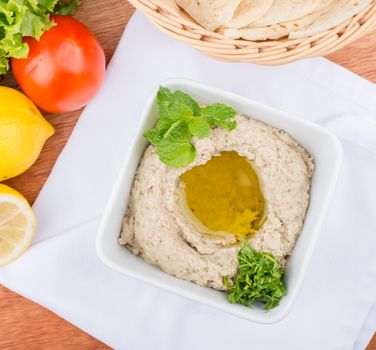
Photo: Shameel mukkath / Pexels
Levantine
Baba Ghanoush
The diets react (see scores below)
Common Ingredients
- eggplant
- tahini
- garlic
- lemon
- olive oil
- parsley
- salt
Specific recipes may vary.
Incompatible with 3 of 11 diets
Diet Ratings
Baba Ghanoush is made primarily from roasted eggplant, which contains moderate net carbs (roughly 3-4g net carbs per 100g cooked). Tahini and olive oil provide healthy fats, and garlic, lemon juice, and parsley add minimal carbs in typical quantities. A standard 2-3 tablespoon serving (about 50-60g) yields approximately 3-5g net carbs, which is manageable within a keto budget. However, the lemon juice and eggplant base mean carbs can accumulate quickly with larger portions, making it portion-sensitive. The tahini and olive oil content makes it more fat-forward than many dips, which is favorable. It fits keto in controlled amounts but is not a freely consumable food.
Some stricter keto practitioners flag eggplant-based dishes as too carb-dense for a condiment/dip category, arguing that because it is easy to overconsume as a dip, the practical carb load often exceeds what strict or clinical keto protocols allow. They prefer pure fat-based dips like guacamole or olive tapenade instead.
Baba Ghanoush is a classic Levantine dip made entirely from whole plant-based ingredients. Roasted eggplant forms the base, blended with tahini (ground sesame seeds), garlic, lemon juice, olive oil, fresh parsley, and salt. Every ingredient is unambiguously plant-derived with no animal products or animal-derived additives involved. The dish is minimally processed and rich in whole-food components, placing it at the high end of the approval range. The only slight deduction from a perfect 10 is the inclusion of olive oil, which, while fully vegan, is a refined fat that some whole-food plant-based advocates prefer to limit.
Baba Ghanoush is disqualified primarily by two ingredients: tahini and salt. Tahini is made from sesame seeds processed with sesame oil — sesame oil is a seed oil excluded from paleo. Salt (added/refined) is also explicitly excluded. While eggplant, garlic, lemon, olive oil, and parsley are all paleo-approved, the combination as a traditional dish includes these non-compliant components. Tahini is the structural backbone of the recipe, not an optional garnish, making it impossible to rate the dish as compliant in its standard form.
Baba Ghanoush is an exemplary Mediterranean dish. Every ingredient aligns perfectly with Mediterranean diet principles: eggplant is a nutrient-rich vegetable staple across Levantine and broader Mediterranean cuisines, tahini provides healthy fats and plant-based protein from sesame seeds, garlic and lemon are foundational flavor components with well-documented health benefits, extra virgin olive oil is the canonical Mediterranean fat, and parsley adds micronutrients. The dish is entirely plant-based, minimally processed, free of added sugars and refined grains, and rich in fiber, antioxidants, and monounsaturated fats. It represents exactly the kind of whole-food, vegetable-forward preparation the Mediterranean diet emphasizes.
Baba Ghanoush is entirely plant-derived with zero animal products. Every single ingredient — eggplant, tahini (sesame paste), garlic, lemon, olive oil, and parsley — is excluded on a carnivore diet. This is a quintessential plant-based condiment with no redeeming carnivore-compatible components whatsoever. Salt is the only permissible ingredient. There is universal consensus across all carnivore camps that this dish is completely incompatible.
Baba ghanoush is made from roasted eggplant, tahini (sesame paste), garlic, lemon, olive oil, parsley, and salt — all of which are fully compliant Whole30 ingredients. Every component is a whole, minimally processed food with no excluded ingredients. Eggplant is a vegetable, tahini is simply ground sesame seeds, lemon provides natural acidity, and olive oil is an approved natural fat. There are no grains, legumes, dairy, added sugars, or other excluded substances.
Baba Ghanoush contains two significant high-FODMAP ingredients that make it problematic during the elimination phase. Garlic is one of the highest-fructan foods tested by Monash University and is rated high-FODMAP at any culinary amount — even small quantities of raw or cooked garlic cloves are sufficient to trigger symptoms. Eggplant is low-FODMAP only at a very small serving (43g per Monash), and as a primary bulk ingredient in baba ghanoush, it will far exceed this threshold in a standard condiment portion. Tahini (sesame paste) is low-FODMAP at 2 tablespoons, lemon juice is low-FODMAP, olive oil is low-FODMAP, and parsley is low-FODMAP — these ingredients are not problematic. However, the combination of garlic (unavoidable fructan load) and excess eggplant (polyols — specifically mannitol, which accumulates quickly above the safe serving) means a standard serving of baba ghanoush is high-FODMAP. There is no realistic way to make traditional baba ghanoush low-FODMAP without substituting garlic-infused oil for garlic cloves and carefully limiting portion size.
Baba Ghanoush is built around eggplant, a DASH-friendly vegetable rich in fiber and potassium, paired with heart-healthy olive oil and lemon. However, tahini adds moderate fat (though mostly unsaturated) and meaningful calories, and the dish typically contains added salt that can vary considerably by preparation. As a condiment, portion size matters — a modest 2-3 tablespoon serving keeps sodium and fat manageable, but restaurant or commercial versions can be significantly higher in sodium (sometimes 200-400mg per serving). Olive oil is explicitly supported by DASH as a vegetable oil, and garlic and parsley contribute beneficial micronutrients. The primary DASH concern is sodium from added salt and tahini, placing this in the 'caution' rather than 'approve' category without knowing exact sodium levels. Homemade versions with controlled salt are closer to 'approve' territory.
NIH DASH guidelines don't specifically address baba ghanoush, but its core ingredients (eggplant, olive oil, lemon, garlic) align well with DASH principles; some updated clinical interpretations would approve this as a vegetable-forward, heart-healthy dip in moderate portions. However, conservative DASH practitioners flag the cumulative sodium from salt and tahini, particularly for the low-sodium DASH variant (<1,500mg/day), warranting portion caution.
Baba Ghanoush is a predominantly fat-and-vegetable condiment. Eggplant is a favorable Zone vegetable — low glycemic, high in fiber, and counts well as a carb block. Olive oil is an ideal monounsaturated fat source, and garlic, lemon, and parsley are polyphenol-rich anti-inflammatory additions that align well with Sears' later anti-inflammatory emphasis. However, tahini introduces sesame-based fat which is higher in omega-6 polyunsaturated fats — something Sears actively discourages due to its pro-inflammatory potential. The dish also lacks protein entirely, meaning it cannot stand alone as a Zone-balanced component without being paired with a lean protein source. Used as a condiment in small portions alongside a Zone-balanced meal, it fits reasonably well, but tahini's omega-6 content and the absence of protein prevent a full approval. Portion control is essential since the fat content accumulates quickly.
Some Zone practitioners and later Sears writings place more emphasis on polyphenol-rich foods and would view baba ghanoush quite favorably — eggplant is a polyphenol powerhouse, and the overall dish is minimally processed with anti-inflammatory herbs. The tahini concern may be overstated in small condiment portions, and the omega-6 load from a few tablespoons is unlikely to meaningfully disrupt eicosanoid balance. In that reading, this could score a 7 as an approve.
Baba ghanoush is a nutrient-dense Levantine condiment with a strongly anti-inflammatory ingredient profile. Eggplant is rich in nasunin (an anthocyanin antioxidant in the skin) and chlorogenic acid, both of which have demonstrated anti-inflammatory properties. Garlic contains allicin and organosulfur compounds associated with reduced CRP and IL-6. Lemon juice provides vitamin C and flavonoids. Parsley is a potent source of apigenin and other anti-inflammatory flavonoids. Olive oil (ideally extra virgin) contributes oleocanthal, a COX-inhibitor with ibuprofen-like anti-inflammatory action. Tahini (sesame paste) provides sesamin and sesamol — lignans with antioxidant activity — along with some omega-6 fatty acids, though the omega-6 content is modest at typical serving sizes. The one nuance is that eggplant is a nightshade (Solanaceae), which introduces debate in autoimmune and AIP communities. For the general population, this dish is an excellent anti-inflammatory choice with no refined ingredients, no added sugar, no seed oils, and no processed components.
Eggplant is a nightshade vegetable, and while mainstream anti-inflammatory nutrition (including Dr. Weil's framework) considers nightshades beneficial due to their high antioxidant content, the Autoimmune Protocol (AIP) and practitioners like Dr. Tom O'Bryan argue that alkaloids (solanine) and lectins in nightshades can trigger or exacerbate inflammation in individuals with autoimmune conditions or gut permeability issues.
Baba ghanoush is a nutrient-dense, plant-based condiment with meaningful fiber from eggplant and beneficial unsaturated fats from tahini and olive oil. However, it provides negligible protein and its calorie contribution comes primarily from fat — tahini is notably calorie-dense (~90 calories and 8g fat per tablespoon). For GLP-1 patients eating smaller portions overall, using baba ghanoush as a dip or spread is acceptable in moderation, but it should not displace protein-forward options. The eggplant base offers good digestibility and hydration support, and garlic and lemon are well-tolerated by most. The fat load from tahini and olive oil combined could contribute to mild nausea or reflux in sensitive patients, particularly at higher portion sizes. As a condiment in a 2-3 tablespoon serving alongside lean protein and vegetables, it earns a cautious approval; as a standalone snack or in large quantities, it falls short of GLP-1 dietary priorities.
Some GLP-1-focused dietitians view baba ghanoush favorably as a whole-food, minimally processed alternative to high-fat, low-nutrient dips like sour cream-based options, and appreciate the anti-inflammatory properties of olive oil and the sesame-derived calcium and micronutrients in tahini. Others caution that the caloric density of tahini and olive oil makes portion control difficult for patients whose hunger cues are already suppressed, risking inadvertent overconsumption of fat calories with minimal protein return.
*See how scores were generated at our methodology page.
Nutritional profile
Six traits that cut across every diet.
Fiber & Plants
How much whole-plant food and fiber it delivers.
Healthy Fats
The quality of its fats (unsaturated, omega-3).
Whole / Unprocessed
How close it is to its natural, unprocessed form.
Gut Gentle
How easy it is on digestion (low FODMAP, few irritants).
Low Glycemic
How little it spikes your blood sugar.
Protein Density
How much protein it packs per calorie.
Controversy Index
Higher controversy = more disagreement between diets.
Diet-Specific Tips
 Keto — 5/10
View tips
- Eggplant provides ~3-4g net carbs per 100g — moderate but portion-sensitive
- Tahini and olive oil add beneficial healthy fats, improving macro profile
- Lemon juice contributes minor carbs but negligible at condiment serving sizes
- Standard serving (2-3 tbsp) is keto-compatible; larger portions risk exceeding carb limits
- No added sugars, grains, or high-carb fillers in traditional recipe
- Whole, unprocessed ingredients align with keto food quality preferences
 Vegan — 9/10
View tips
- Eggplant is a whole plant food and the primary ingredient
- Tahini is made from sesame seeds — fully plant-based
- No dairy, eggs, or other animal products
- No animal-derived additives or processing agents
- Olive oil is vegan but refined; whole-food plant-based purists may reduce or omit it
- All remaining ingredients (garlic, lemon, parsley, salt) are unambiguously vegan
 Mediterranean — 9/10
View tips
- 100% plant-based ingredients
- Extra virgin olive oil as primary fat — core Mediterranean principle
- Eggplant is a celebrated Mediterranean vegetable consumed regularly across the region
- Tahini provides healthy fats, minerals, and plant protein from whole sesame seeds
- No refined grains, added sugars, or processed ingredients
- Levantine origin places it directly within traditional Mediterranean culinary heritage
- Garlic and lemon offer antioxidant and anti-inflammatory benefits
 Whole30 — 9/10
View tips
- Eggplant is a compliant vegetable
- Tahini (ground sesame seeds) is a natural, compliant fat/paste
- Garlic, lemon, parsley are all whole, compliant ingredients
- Olive oil is an explicitly approved natural fat
- Salt is explicitly allowed on Whole30
- No excluded ingredients present
- Whole, unprocessed preparation consistent with program spirit
 DASH — 6/10
View tips
- Eggplant is a DASH-approved vegetable rich in fiber and potassium
- Olive oil is a DASH-recommended vegetable oil
- Sodium content highly variable — homemade vs. commercial versions differ significantly
- Tahini contributes healthy unsaturated fats but adds calories and some sodium
- As a condiment, portion control is essential to stay within DASH sodium limits
- No saturated fat, added sugar, or red meat concerns
- Low-sodium versions (reduced added salt) would score higher, closer to 7-8
 Zone — 6/10
View tips
- Eggplant is a favorable Zone carbohydrate — low glycemic index, high fiber, polyphenol-rich
- Olive oil is an ideal Zone fat source (monounsaturated)
- Tahini introduces omega-6 fatty acids (sesame), which Sears discourages as pro-inflammatory
- No protein content — must be paired with lean protein to form a Zone-balanced meal
- Garlic, lemon, and parsley contribute anti-inflammatory polyphenols aligned with Sears' later dietary emphasis
- As a condiment, portion size keeps fat and carb blocks manageable
- Minimally processed, whole-food ingredients are consistent with Zone philosophy
 Anti-Inflammatory — 8/10
View tips
- Eggplant provides nasunin and chlorogenic acid — potent antioxidants with anti-inflammatory effects
- Garlic contributes allicin and organosulfur compounds that reduce inflammatory markers (CRP, IL-6)
- Olive oil supplies oleocanthal, a natural COX inhibitor comparable to ibuprofen at culinary doses
- Tahini adds sesamin and sesamol (antioxidant lignans), though with some omega-6 content
- Parsley is a concentrated source of apigenin and other anti-inflammatory flavonoids
- No refined carbohydrates, added sugars, trans fats, or processed additives
- Nightshade ingredient (eggplant) may be problematic for autoimmune-sensitive individuals per AIP protocols
 GLP-1 Friendly — 5/10
View tips
- Negligible protein — does not support the 15-30g per meal protein target
- Moderate-to-high fat from tahini and olive oil — unsaturated but calorie-dense
- Good fiber from eggplant — supports digestion and GLP-1 constipation prevention
- Easy to digest — eggplant is soft and well-tolerated post-cooking
- Nutrient-dense ingredients (garlic, lemon, parsley, eggplant) relative to typical condiments
- Portion-sensitive — acceptable in small servings, problematic as a primary food source
- Best used as an accompaniment to lean protein, not a standalone snack