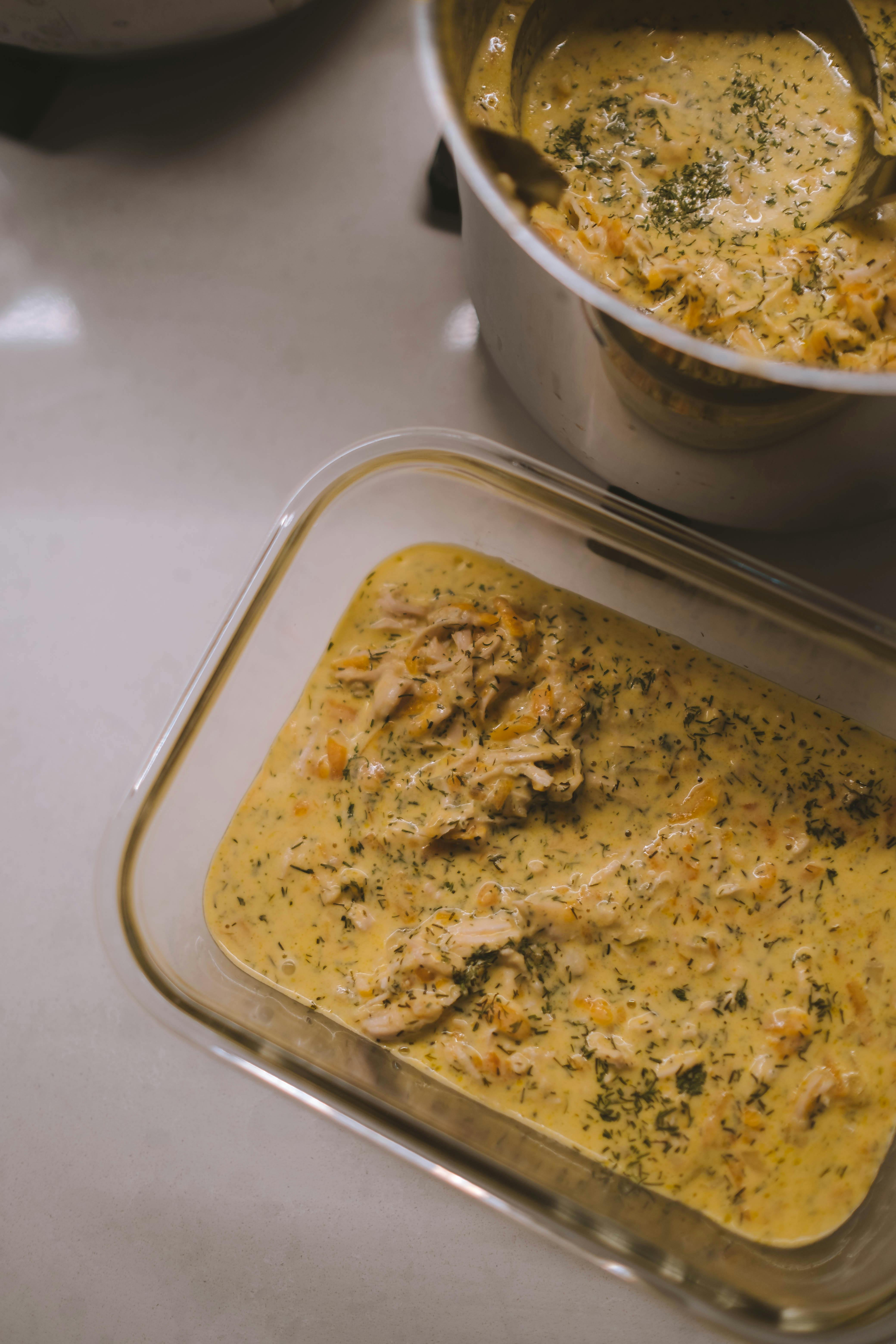
Photo: Kate Trifo / Pexels
Levantine
Freekeh Soup
The diets react (see scores below)
Common Ingredients
- freekeh
- chicken
- onion
- garlic
- cumin
- allspice
- cilantro
- chicken broth
Specific recipes may vary.
Incompatible with 6 of 11 diets
Diet Ratings
Freekeh is a roasted green wheat grain and the primary ingredient in this soup. As a whole grain, it is extremely high in carbohydrates — a single serving (roughly 1/4 cup dry or ~40g cooked) contains approximately 25-30g of net carbs, which alone can exceed or nearly exhaust the entire daily keto carb budget. A soup portion would typically contain significantly more than that. While the other ingredients (chicken, onion, garlic, spices, broth) are keto-compatible or used in small enough quantities to be acceptable, the freekeh makes this dish fundamentally incompatible with ketosis. There is no meaningful way to consume a standard serving of Freekeh Soup and maintain ketogenic macros.
Freekeh Soup contains multiple animal-derived ingredients that directly violate vegan dietary principles. Chicken (poultry) and chicken broth are both animal products, making this dish unequivocally non-vegan. The base grain (freekeh) and aromatics (onion, garlic, cumin, allspice, cilantro) are all plant-based, but the presence of chicken meat and chicken broth disqualifies the dish entirely. A vegan version could be made by substituting vegetable broth and omitting the chicken, or replacing it with a plant-based protein such as chickpeas or tofu.
Freekeh is roasted green wheat — a grain, and one of the most explicitly non-paleo ingredients possible. Wheat is a founding member of the excluded foods list in every major paleo framework (Cordain, Sisson, Wolf). While the remaining ingredients — chicken, onion, garlic, cumin, allspice, cilantro, and chicken broth — are all paleo-compatible, freekeh is the defining and primary ingredient of this dish. It cannot be removed without fundamentally changing the dish. The soup as a whole must be rated avoid based on its central grain component.
Freekeh soup is a wholesome Levantine dish that aligns well with Mediterranean diet principles. Freekeh (roasted green wheat) is a whole grain with a high fiber and protein content, making it a nutritious staple. Chicken as the primary protein is acceptable in moderation (a few times per week), and the aromatic base of onion, garlic, cumin, and allspice adds flavor without processed ingredients. Chicken broth keeps it light. The dish is minimally processed, plant-forward in its grain base, and uses lean poultry rather than red meat. The main reason it scores an 8 rather than higher is that chicken is a 'moderate' protein in Mediterranean diet terms rather than a core daily food, and the dish lacks the olive oil emphasis central to the diet.
Some stricter Mediterranean diet interpretations would rate this only 'caution' because the dish centers on an animal protein (chicken) rather than legumes or vegetables, and traditional Mediterranean soups more often feature lentils or beans as the primary ingredient. However, most authorities recognize poultry as a fully acceptable moderate component, and freekeh's whole-grain status elevates the overall nutritional profile.
Freekeh Soup is fundamentally incompatible with the carnivore diet. The primary ingredient, freekeh, is a roasted green wheat — a grain that is strictly excluded from all tiers of carnivore eating. Beyond freekeh, the dish contains onion, garlic, cumin, allspice, and cilantro, all of which are plant-derived and excluded. While chicken and chicken broth are carnivore-approved, they are minor components in a dish dominated by plant foods. No version of this dish can be made carnivore-compliant without essentially replacing the recipe entirely.
Freekeh is a roasted green wheat grain, making it a grain and therefore explicitly excluded from the Whole30 program. All other ingredients in this soup — chicken, onion, garlic, cumin, allspice, cilantro, and chicken broth — are Whole30 compliant, but the presence of freekeh alone disqualifies the dish entirely.
Freekeh Soup contains multiple high-FODMAP ingredients that make it unsuitable during the elimination phase. Freekeh (cracked green wheat) is high in fructans — the same FODMAP category as regular wheat — and is not low-FODMAP at any standard serving size. Onion is one of the highest-FODMAP foods tested by Monash, containing significant fructans even in small amounts. Garlic is similarly among the worst offenders for fructans. Commercial chicken broth frequently contains onion and garlic as ingredients, compounding the problem. The combination of freekeh + onion + garlic represents three major fructan sources stacked together, making this dish clearly incompatible with the elimination phase regardless of portion size.
Freekeh Soup contains several DASH-friendly elements: freekeh (a whole grain high in fiber, protein, and minerals), lean chicken, and aromatic vegetables like onion and garlic. The spices (cumin, allspice, cilantro) add flavor without sodium. However, the primary concern is chicken broth, which in its standard commercial form is often high in sodium (700-900mg per cup), potentially pushing the dish close to or exceeding DASH sodium thresholds in a single serving. If homemade or low-sodium broth is used, this dish would align very well with DASH principles. Freekeh itself is an excellent whole grain choice — higher in fiber and protein than many grains — and chicken is a DASH-approved lean protein. The dish is low in saturated fat, contains no added sugars, and is rich in nutrients DASH emphasizes. Rated 'caution' due to the sodium variable in standard preparation, not due to any fundamentally non-DASH ingredients.
NIH DASH guidelines flag high-sodium broths as a concern, recommending low-sodium versions; however, updated clinical interpretations increasingly recognize that home-prepared or low-sodium broth versions of dishes like this fully qualify as DASH-compliant, and some DASH-oriented dietitians would approve this dish outright when made with low-sodium stock.
Freekeh Soup is a nutritionally strong Levantine dish that aligns reasonably well with Zone principles but requires portion awareness. The primary protein (chicken) is lean and ideal for the Zone — approximately 25g protein per serving is achievable. The spices (cumin, allspice, cilantro, garlic, onion) are polyphenol-rich and anti-inflammatory, which Sears specifically advocates. The broth base is low-calorie and Zone-friendly. The main concern is freekeh itself: while it is a whole grain with a lower glycemic index than white rice or white bread (GI ~43), and is higher in fiber and protein than most grains, it is still a grain-based carbohydrate that Zone classifies as 'unfavorable.' Zone methodology discourages grains as primary carb sources in favor of vegetables and low-GI fruits. A typical serving of freekeh soup will likely deliver a higher carb block count than the Zone ideal unless portion-controlled carefully. The ratio challenge is that freekeh is calorie-dense in carbs relative to the protein and fat in a broth-based soup, potentially skewing the 40/30/30 ratio unless fat is added (e.g., olive oil drizzle) and freekeh portions are kept small (roughly 1/4 cup cooked per Zone block). With disciplined portioning — modest freekeh, adequate chicken, and a small fat addition — this soup can be brought into Zone balance.
Some Zone practitioners and later Sears writings (particularly 'The OmegaRx Zone' and 'Toxic Fat') place greater emphasis on anti-inflammatory quality over strict GI rankings. Freekeh's high fiber content, relatively low GI for a grain, and significant protein content (compared to refined grains) may lead some Zone-informed practitioners to treat it more favorably than standard 'unfavorable' grains like white rice or pasta. In this context, Freekeh Soup with chicken could be viewed as a near-ideal Zone meal requiring only minor fat adjustment.
Freekeh Soup is a well-aligned anti-inflammatory dish. Freekeh (roasted green durum wheat) is a whole grain with a low glycemic index, high fiber content, and significant antioxidant activity — notably superior to many refined grains. Chicken (assumed lean, skinless) is a moderate protein source that the anti-inflammatory framework endorses over red meat. Garlic and onion provide quercetin, allicin, and other polyphenols with well-documented anti-inflammatory effects. Cumin contains thymoquinone and other bioactive compounds associated with reduced inflammatory markers. Allspice contributes eugenol, a phenolic compound with anti-inflammatory and antioxidant properties. Cilantro adds flavonoids and is traditionally used as an anti-inflammatory herb. The dish contains no refined carbohydrates, seed oils, added sugars, or processed ingredients. The main limiting factor is the use of chicken broth, which is generally beneficial (contains gelatin, minerals) but quality varies; commercial broths may contain sodium or additives. Overall, this is a nutrient-dense, fiber-rich, spice-forward whole-food dish that aligns strongly with anti-inflammatory principles.
Freekeh soup is an excellent choice for GLP-1 patients. Chicken provides high-quality lean protein (approximately 25-30g per serving depending on portion), directly supporting the primary dietary goal of muscle preservation during weight loss. Freekeh is a standout grain for this population: it is one of the highest-fiber grains available (roughly 7-8g fiber per cooked cup), supports digestion and helps counter GLP-1-related constipation, and has a lower glycemic index than refined grains. The broth-based format is ideal — it is easy to digest, gentle on a slowed gastric emptying system, hydrating, and naturally portion-friendly. Spices (cumin, allspice, cilantro) are used in moderate culinary amounts and are unlikely to worsen GI side effects. Onion and garlic add micronutrients and anti-inflammatory benefit. The dish is low in fat, nutrient-dense per calorie, and works well in small servings — aligning with the 4-5 small meal pattern recommended for GLP-1 patients.
*See how scores were generated at our methodology page.
Nutritional profile
Six traits that cut across every diet.
Fiber & Plants
How much whole-plant food and fiber it delivers.
Healthy Fats
The quality of its fats (unsaturated, omega-3).
Whole / Unprocessed
How close it is to its natural, unprocessed form.
Gut Gentle
How easy it is on digestion (low FODMAP, few irritants).
Low Glycemic
How little it spikes your blood sugar.
Protein Density
How much protein it packs per calorie.
Controversy Index
Higher controversy = more disagreement between diets.
Diet-Specific Tips
 Mediterranean — 8/10
View tips
- Freekeh is a nutrient-dense whole grain, a cornerstone of Mediterranean eating
- Chicken is an acceptable lean protein in moderate Mediterranean diet servings
- All ingredients are whole and minimally processed
- Aromatic spices (cumin, allspice, garlic) are traditional Mediterranean flavor enhancers
- No added sugars, refined grains, or processed components
- Dish lacks explicit olive oil, the primary Mediterranean fat source
- Authentically Levantine, rooted in traditional Mediterranean culinary heritage
 DASH — 6/10
View tips
- Freekeh is a DASH-ideal whole grain: high in fiber, protein, magnesium, and potassium
- Chicken is a DASH-approved lean protein source
- Standard commercial chicken broth is high in sodium (700-900mg/cup), the primary DASH concern
- Low-sodium or homemade broth would elevate this dish to a score of 8-9
- No saturated fat, tropical oils, added sugars, or processed ingredients
- Spices used for flavoring reduce reliance on salt — a DASH-positive cooking strategy
- Onion and garlic contribute potassium and beneficial phytonutrients
 Zone — 6/10
View tips
- Freekeh is a whole grain classified as 'unfavorable' in classic Zone methodology due to grain category, despite its relatively low GI (~43) and high fiber
- Chicken is an ideal Zone lean protein source — aligns perfectly with the 25g protein per meal target
- Broth-based soups tend to be lower in fat, which can disrupt the 30% fat target — a small addition of olive oil or serving with avocado would help balance
- Anti-inflammatory spices (cumin, allspice, cilantro) and garlic/onion add polyphenol value consistent with Sears' later writings
- Portion control of freekeh is critical — roughly 1/4 cup cooked freekeh per Zone carb block to avoid carbohydrate excess
- No high-glycemic additives, no trans fats, no processed ingredients — a relatively clean dish
 Anti-Inflammatory — 8/10
View tips
- Freekeh is a high-fiber, low-GI whole grain with strong antioxidant properties
- Lean chicken is an approved moderate protein in anti-inflammatory frameworks
- Garlic and onion are rich in quercetin and allicin — potent anti-inflammatory compounds
- Cumin and allspice contribute bioactive phenolics (thymoquinone, eugenol) with anti-inflammatory effects
- No refined carbohydrates, seed oils, added sugars, or processed ingredients
- Cilantro adds flavonoid content and complements the anti-inflammatory spice profile
- Commercial chicken broth may contain excess sodium or additives — homemade preferred
 GLP-1 Friendly — 8/10
View tips
- High lean protein from chicken supports muscle preservation
- Freekeh is exceptionally high in fiber, addressing GLP-1-related constipation risk
- Broth base is hydrating, easy to digest, and gentle on slowed gastric emptying
- Low fat content minimizes risk of nausea, bloating, and reflux
- Low glycemic index grain supports blood sugar stability
- Spice profile is moderate and unlikely to worsen GI side effects
- Works well in small servings; highly nutrient-dense per calorie