Photo: Shameel mukkath / Pexels
The diets react (see scores below)
Common Ingredients
- kishk powder
- onion
- garlic
- olive oil
- kishk
- water
- salt
Specific recipes may vary.
Incompatible with 6 of 11 diets
Diet Ratings
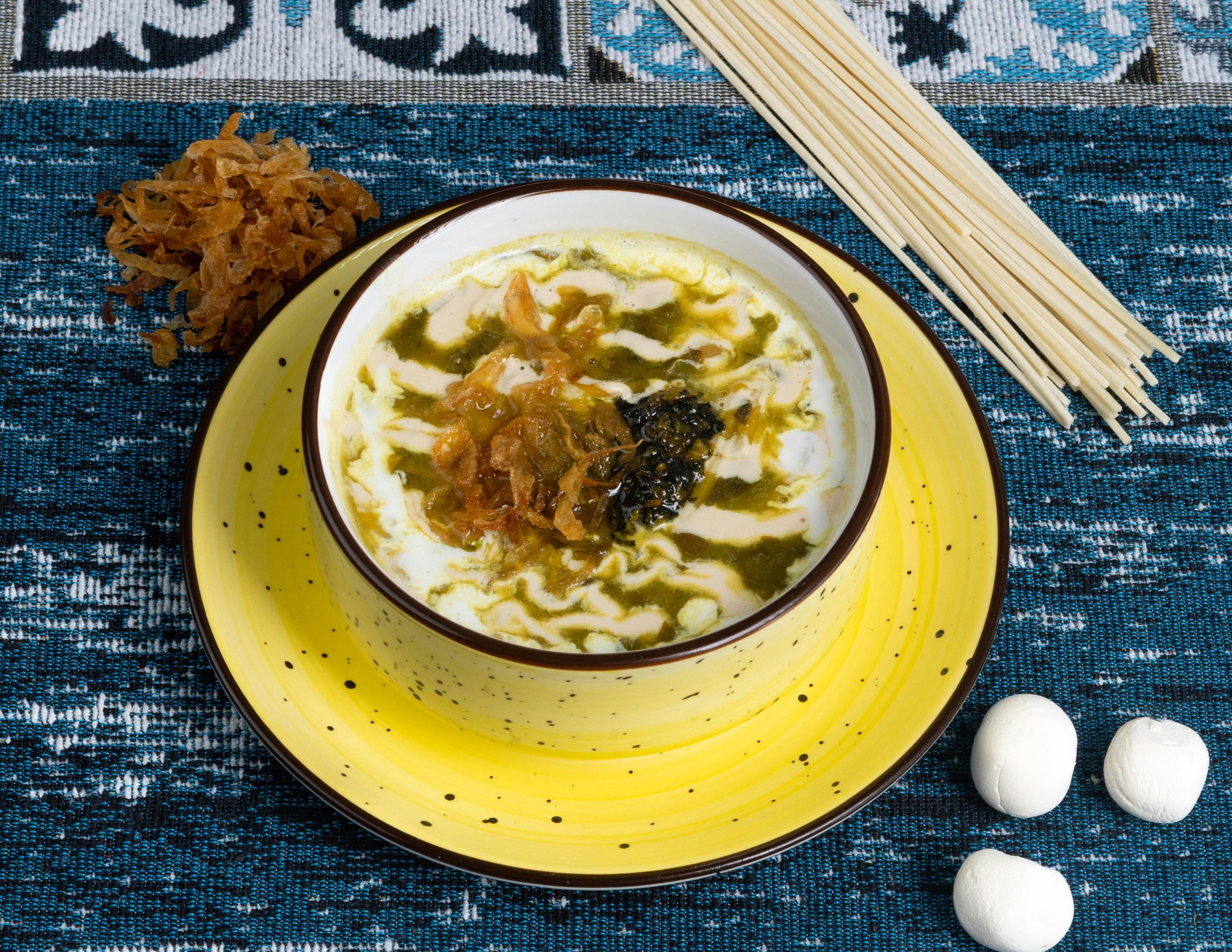
Kishk is a traditional Levantine fermented powder made from bulgur wheat (cracked wheat) and dried yogurt. Bulgur wheat is a grain and a high-carbohydrate ingredient, making kishk powder fundamentally incompatible with ketogenic principles. A single serving of kishk soup can contain 20-40g of net carbs primarily from the wheat-based kishk powder, which would consume or exceed an entire day's carb allowance. The fermentation process does not meaningfully reduce the carbohydrate content. While olive oil and garlic are keto-friendly components, the primary ingredient (kishk powder) disqualifies this dish entirely.
Kishk is a traditional Levantine fermented food made from bulgur wheat and dairy — specifically dried, fermented yogurt or milk mixed with cracked wheat. The core ingredient 'kishk powder' is by definition a dairy-containing product; it is essentially dehydrated fermented milk/yogurt combined with wheat. This makes the dish non-vegan. The remaining ingredients (onion, garlic, olive oil, water, salt) are all plant-based, but the kishk powder itself is the defining and primary ingredient of this soup and it is dairy-derived. There is no ambiguity here: kishk as traditionally prepared and sold contains animal products (dairy). While plant-based 'kishk-style' products could theoretically be made using non-dairy yogurt alternatives, the default and traditional kishk powder is dairy-based, and the dish as listed must be rated avoid.
Kishk is a traditional Levantine fermented food made from bulgur wheat (a cracked wheat grain) mixed with yogurt or milk, then dried and ground into powder. This dish contains two major paleo violations: (1) kishk powder, which is derived from bulgur wheat — a grain — making it strictly off-limits under paleo rules, and (2) the fermentation base typically involves dairy (yogurt or milk). Both grains and dairy are explicitly excluded from the paleo diet. Additionally, salt is listed as an ingredient, which is also excluded under strict paleo guidelines. The only paleo-compliant ingredients in this dish are onion, garlic, olive oil, and water. The core ingredient — kishk — is fundamentally incompatible with paleo principles.
Kishk is a traditional Levantine fermented product made from bulgur wheat and yogurt (or dried fermented milk), giving it a complex nutritional profile. On the positive side, it contains whole grain bulgur, which aligns well with Mediterranean diet principles, and the dish is prepared with olive oil, onion, and garlic — all core Mediterranean staples. The fermented dairy component provides probiotics and is a traditional preservation technique. However, kishk powder is a processed/dried dairy-grain mixture, and the dairy content places it in the moderate-use category rather than an everyday staple. The soup is relatively low in calories and free of red meat, refined grains, or added sugars, making it a reasonable Mediterranean-compatible dish overall.
Some modern Mediterranean diet clinical guidelines would rate kishk more cautiously due to its significant dairy content from the fermented yogurt base, recommending dairy only in limited servings per week. Conversely, traditional Levantine and broader Eastern Mediterranean dietary patterns fully embrace kishk as a nutritious, ancestral food — its fermented whole-grain-and-dairy combination is considered a health-promoting staple in Syrian and Lebanese culinary tradition.
Kishk is a fermented product made from bulgur wheat and yogurt (or sometimes just dried yogurt/milk), but the kishk powder used in this Levantine soup is predominantly grain-based (fermented cracked wheat). The dish also contains onion, garlic, and olive oil — all plant-derived ingredients strictly excluded on the carnivore diet. There is no animal protein present. The primary ingredient, kishk powder, is a grain-dairy ferment but is essentially a grain product, making this dish fundamentally incompatible with carnivore principles. Multiple plant-based ingredients compound the rejection.
Kishk is a traditional Levantine fermented food made from bulgur wheat (a cracked wheat grain) mixed with yogurt and dried. Both core components are excluded on Whole30: bulgur/wheat is a grain, and yogurt is dairy. Kishk powder is simply dried, ground kishk — it contains the same excluded ingredients. There is no compliant version of kishk, as the grain-dairy ferment is fundamental to what kishk is. This dish cannot be made Whole30-compatible.
Kishk is a traditional Levantine fermented food made from bulgur wheat and yogurt (or sometimes just one of these components). This dish contains multiple high-FODMAP ingredients that make it unsuitable during the elimination phase. First, kishk powder itself is typically made from fermented bulgur wheat mixed with yogurt — bulgur wheat is high in fructans (a key FODMAP), and the yogurt component contains lactose. While fermentation can reduce FODMAP levels somewhat, kishk has not been specifically tested by Monash University, and the base ingredients are inherently high-FODMAP. Second, onion is one of the highest-FODMAP foods known, rich in fructans, and is problematic even in small quantities. Third, garlic is similarly very high in fructans and should be strictly avoided during elimination. The combination of kishk powder (wheat + dairy ferment), onion, and garlic creates a triple FODMAP burden that makes this dish clearly unsuitable during the elimination phase. Olive oil and salt are FODMAP-free and pose no concern.
Monash University has not specifically tested kishk powder, so the exact FODMAP load from the fermented grain-dairy base is uncertain — prolonged fermentation can theoretically reduce fructans and lactose significantly. However, clinical FODMAP practitioners universally advise avoiding onion and garlic in any quantity during elimination, which alone renders this dish a clear avoid regardless of the fermentation question.
Kishk is a fermented dried yogurt and bulgur wheat powder traditional to Levantine cuisine. Its composition presents a mixed DASH profile. The bulgur wheat component is a DASH-friendly whole grain, rich in fiber and magnesium. The fermented yogurt component provides calcium and probiotics but is typically made from full-fat dairy, which DASH guidelines advise against in favor of low-fat dairy. The olive oil is DASH-approved as a heart-healthy fat. Onion and garlic are DASH-friendly vegetables. The key concern is sodium: kishk powder is often salted during preparation, and additional salt is added in cooking, making the total sodium content potentially significant depending on portion size. The full-fat dairy origin of kishk also contributes saturated fat, which DASH limits. However, kishk is nutrient-dense, provides protein, calcium, probiotics, and whole-grain fiber, and is used in small concentrated quantities as a soup base. It is acceptable in moderation with mindful sodium and portion control, but is not a core DASH food.
NIH DASH guidelines specify low-fat dairy and caution about added sodium, which would classify kishk cautiously due to its full-fat dairy base and salt content. However, updated clinical interpretations note that fermented dairy foods like kishk may confer cardiovascular benefits beyond their fat content, and some DASH-aligned dietitians may approve kishk in small portions as part of a culturally appropriate DASH adaptation, particularly given its whole-grain bulgur component.
Kishk soup is a traditional Levantine dish made from kishk powder — a fermented and dried mixture of bulgur wheat and yogurt (or sometimes just dried fermented yogurt/labneh). This gives it a unique macronutrient profile: moderate carbohydrates from the bulgur component, moderate protein from the fermented dairy component, and some fat from olive oil. From a Zone perspective, the dish has several redeeming qualities: olive oil is an ideal monounsaturated fat source (approved Zone fat), onion and garlic are low-glycemic aromatic vegetables, and the fermented dairy in kishk provides some protein and probiotics which align with Sears' anti-inflammatory emphasis. However, the bulgur-based carbohydrate in kishk is moderate-to-higher glycemic compared to Zone-preferred non-starchy vegetables, and the dish lacks a clearly defined lean protein source, making it difficult to build a complete Zone-balanced meal around it alone. The 40/30/30 ratio would be challenging to hit without adding a dedicated lean protein. Portioned carefully and paired with lean protein (e.g., grilled chicken), this can fit into a Zone meal plan, but as a standalone dish it is carb-forward with insufficient protein.
Some Zone practitioners applying Sears' later anti-inflammatory framework (Toxic Fat, The Anti-Inflammation Zone) might rate kishk more favorably due to its fermented nature — fermented foods support gut health and reduce inflammation, which aligns closely with later-stage Zone philosophy. The yogurt component provides some protein and the bulgur is a whole grain with fiber, moderating its glycemic impact. Additionally, the dish is minimally processed and contains polyphenol-rich garlic and onion. Conversely, stricter early Zone practitioners would flag the bulgur component as an 'unfavorable' carbohydrate and note the near-absent lean protein content.
Kishk is a traditional Levantine fermented food made from bulgur wheat and yogurt (or milk) that has been dried and ground into a powder. The dish combines kishk powder with anti-inflammatory staples — olive oil, garlic, and onion — which are strongly supportive of an anti-inflammatory profile. Garlic contains allicin and organosulfur compounds with well-documented anti-inflammatory effects, olive oil provides oleocanthal and monounsaturated fats, and onion supplies quercetin and other flavonoids. The kishk powder itself is a fermented whole grain product, and fermentation may enhance nutrient bioavailability and support gut health (which is linked to systemic inflammation regulation). However, kishk contains dairy (yogurt) and refined or semi-refined wheat components, both of which fall into the 'moderate' category under anti-inflammatory guidelines. The dairy component introduces saturated fat, and wheat introduces gluten, which may be inflammatory for sensitive individuals. Overall, this is a traditional whole-food soup with meaningful anti-inflammatory ingredients but also some moderating factors from dairy and refined grain content.
Some anti-inflammatory practitioners, particularly those following the Autoimmune Protocol (AIP) or gluten-free frameworks, would flag kishk for its wheat (gluten) and dairy content, arguing both can drive intestinal permeability and systemic inflammation in susceptible individuals. Conversely, fermentation advocates — including researchers studying the gut-inflammation axis — may argue the fermentation process reduces anti-nutrients and enhances the dish's probiotic and prebiotic value, potentially making it more anti-inflammatory than its raw ingredients suggest.
Kishk soup is made from kishk powder — a fermented dried mixture of bulgur wheat and yogurt (or fermented milk) — cooked with onion, garlic, and olive oil in water. It is a traditional Levantine dish with modest nutritional merit for GLP-1 patients but several limitations. On the positive side, kishk provides some protein (roughly 4–7g per serving from the fermented dairy-grain base), a modest amount of fiber from the bulgur component, probiotic-adjacent fermentation benefits, high water content as a soup, and is easy to digest in its typical thin consistency. Garlic and onion add prebiotic fiber. Olive oil contributes heart-healthy unsaturated fat in small amounts. However, kishk soup falls short as a GLP-1-friendly meal primarily because protein per serving is low — it does not meet the 15–30g per meal protein target without supplementation. The bulgur component introduces refined-adjacent carbohydrates, though whole-grain bulgur does offer fiber. Fat content depends heavily on how much olive oil is used. The dish is portion-sensitive: a small bowl may provide limited satiety from protein. It is not a high-protein-density food per calorie. It works better as a side, starter, or light meal component paired with a high-protein food than as a standalone meal.
Kishk is not commonly evaluated in GLP-1 clinical nutrition literature, making guidance genuinely uncertain. Some practitioners familiar with Mediterranean dietary patterns may view the fermented dairy-grain base favorably for gut health and tolerability given GLP-1-related GI side effects, while others would flag the low protein density as disqualifying for a primary meal on a GLP-1 regimen. Individual tolerance to fermented dairy components also varies among GLP-1 patients who may have developed temporary lactose sensitivity.
*See how scores were generated at our methodology page.
Nutritional profile
Six traits that cut across every diet.
Fiber & Plants
How much whole-plant food and fiber it delivers.
Healthy Fats
The quality of its fats (unsaturated, omega-3).
Whole / Unprocessed
How close it is to its natural, unprocessed form.
Gut Gentle
How easy it is on digestion (low FODMAP, few irritants).
Low Glycemic
How little it spikes your blood sugar.
Protein Density
How much protein it packs per calorie.
Controversy Index
Higher controversy = more disagreement between diets.
Diet-Specific Tips
 Mediterranean — 6/10
View tips
- Kishk is made from fermented bulgur and yogurt — a whole grain and dairy combination
- Olive oil, garlic, and onion are core Mediterranean ingredients used here
- Fermented foods are valued in Mediterranean dietary traditions
- Dairy component (fermented milk/yogurt) warrants moderate rather than daily consumption per modern guidelines
- No red meat, added sugars, or refined grains present
- Traditional Levantine dish with deep regional roots in Eastern Mediterranean cuisine
 DASH — 5/10
View tips
- Kishk powder is made from fermented full-fat yogurt and bulgur wheat — the dairy component is full-fat, which DASH limits
- Bulgur wheat is a DASH-approved whole grain, contributing fiber and magnesium
- Potentially high sodium from salted kishk powder plus added salt in recipe — sodium monitoring is essential
- Olive oil is a DASH-approved heart-healthy fat
- Onion and garlic are DASH-friendly aromatics with beneficial compounds
- Fermented dairy provides calcium and probiotics but saturated fat content is a concern under DASH
- Portion control critical — small serving sizes can make this acceptable within DASH limits
 Zone — 5/10
View tips
- Kishk powder contains bulgur wheat — a moderate-glycemic whole grain carbohydrate, classified as 'unfavorable' in strict Zone terminology
- Fermented dairy component in kishk provides modest protein and probiotics, supporting anti-inflammatory Zone goals
- Olive oil is an ideal Zone monounsaturated fat source
- Onion and garlic are low-glycemic, polyphenol-rich Zone-favorable vegetables
- Dish lacks a dedicated lean protein source — macro ratio is carb-forward, making 40/30/30 difficult without supplementation
- Fermented/whole food nature aligns with Sears' later anti-inflammatory nutritional philosophy
- Manageable as a Zone component if paired with lean protein and controlled in portion size
 Anti-Inflammatory — 5/10
View tips
- Olive oil provides oleocanthal and monounsaturated fats with anti-inflammatory properties
- Garlic supplies allicin and organosulfur compounds that reduce inflammatory markers
- Onion contributes quercetin and flavonoids with antioxidant activity
- Kishk is a fermented food; fermentation may enhance gut-supportive and anti-inflammatory properties
- Contains dairy (yogurt base) — moderate amounts acceptable but introduces saturated fat
- Contains wheat/bulgur — whole grain component is positive, but gluten may be inflammatory for sensitive individuals
- No added sugars, seed oils, or processed additives — clean traditional preparation
 GLP-1 Friendly — 5/10
View tips
- Low protein per serving — does not meet 15–30g per meal target without added protein source
- Fermented dairy-bulgur base offers modest protein and some fiber
- High water content as a soup supports hydration — a GLP-1 benefit
- Olive oil provides unsaturated fat in typically small amounts — acceptable
- Easy to digest in soup form — suitable for GLP-1 GI sensitivity
- Prebiotic benefit from garlic and onion supports gut health
- Best used as a starter or side dish paired with a high-protein main, not as a standalone meal
- Portion-sensitive: nutritional value scales with serving size and preparation ratio of kishk powder to water