Levantine
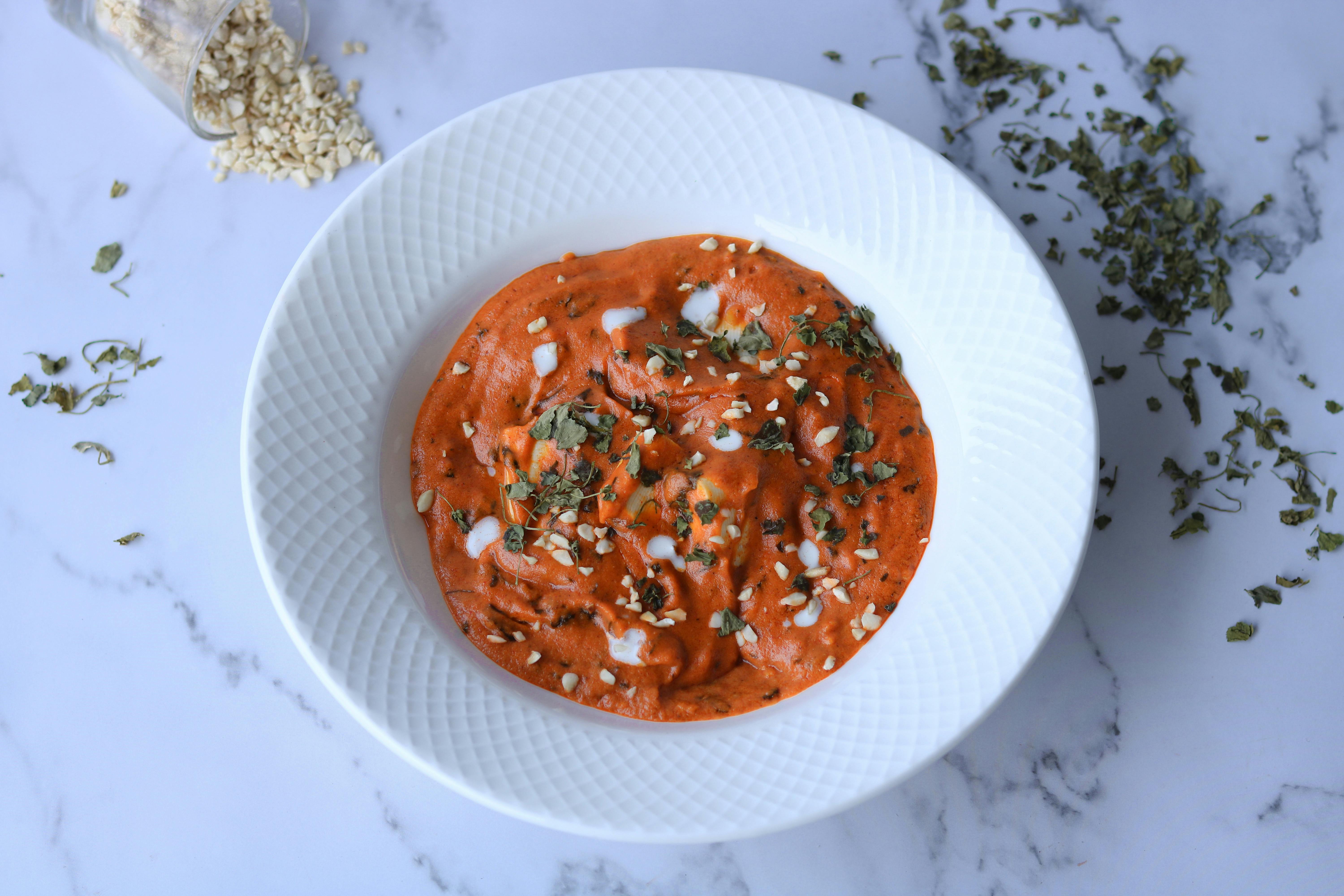
Muhammara
The diets react (see scores below)
Common Ingredients
- red peppers
- walnuts
- breadcrumbs
- pomegranate molasses
- olive oil
- cumin
- garlic
- chili flakes
Specific recipes may vary.
Incompatible with 5 of 11 diets
Diet Ratings
Muhammara contains two major keto-incompatible ingredients: breadcrumbs (wheat-based grain product) and pomegranate molasses (highly concentrated sugar). Even in small condiment servings, pomegranate molasses alone can deliver 10-15g of sugar per tablespoon, and breadcrumbs add starch and net carbs. Red peppers also carry moderate carbs (~4-6g net per pepper). While walnuts and olive oil are excellent keto fats, they cannot redeem the dish in its traditional form. A keto-adapted version would require eliminating the breadcrumbs and pomegranate molasses entirely and substituting with alternative thickeners and acid sources, making it a fundamentally different dish.
Muhammara is a traditional Levantine roasted red pepper and walnut dip that is entirely plant-based in its classic form. Every ingredient listed — red peppers, walnuts, breadcrumbs, pomegranate molasses, olive oil, cumin, garlic, and chili flakes — is derived from plants. Walnuts provide healthy fats and some protein; pomegranate molasses and red peppers contribute antioxidants and flavor complexity. The only minor caveat is that breadcrumbs can occasionally contain dairy or eggs in some commercial versions, but plain breadcrumbs are typically vegan. This dish is a whole-food-forward preparation with minimal processing, making it an excellent fit for both strict vegans and whole-food plant-based eaters.
Muhammara contains breadcrumbs, which are a wheat-based grain product — one of the clearest exclusions in the paleo diet. While several other ingredients are paleo-friendly (red peppers, walnuts, olive oil, cumin, garlic, chili flakes), and pomegranate molasses sits in a gray area as a concentrated natural sugar, the breadcrumbs are a dealbreaker. Grains are excluded with high consensus across all major paleo authorities. The dish as traditionally prepared cannot be considered paleo-compatible. A modified version omitting breadcrumbs and moderating the pomegranate molasses could shift the verdict significantly.
Muhammara is a Levantine roasted red pepper and walnut dip that aligns well with Mediterranean diet principles. The dominant ingredients—red peppers, walnuts, olive oil, and garlic—are all Mediterranean diet staples. Walnuts provide heart-healthy omega-3 fatty acids and are strongly encouraged. Red peppers are nutrient-dense vegetables. Olive oil is the primary fat. Pomegranate molasses adds a small amount of concentrated sugar but is used in modest quantities typical of a condiment. The main concern is the breadcrumbs, which are a refined grain ingredient, though the quantity used is minimal in a condiment context.
Some stricter Mediterranean diet interpretations would flag the refined breadcrumbs and the concentrated sugars in pomegranate molasses as ingredients to minimize, and might suggest substituting whole grain breadcrumbs or reducing the molasses to better align with modern clinical guidelines emphasizing low added sugar and whole grains.
Muhammara is a Levantine condiment composed entirely of plant-based ingredients: red peppers, walnuts, breadcrumbs, pomegranate molasses, olive oil, cumin, garlic, and chili flakes. Not a single ingredient is animal-derived. Every component is explicitly excluded on the carnivore diet — vegetables (peppers, garlic), nuts (walnuts), grains (breadcrumbs), fruit-derived sweeteners (pomegranate molasses), plant oils (olive oil), and plant spices (cumin, chili flakes). This dish is entirely incompatible with carnivore principles at every tier, including the most lenient interpretations.
Muhammara contains two excluded ingredients: breadcrumbs (made from wheat/grain, which is explicitly excluded on Whole30) and pomegranate molasses (a concentrated sweetener that qualifies as added sugar, which is excluded). Even if the pomegranate molasses were considered a fruit-derived sweetener, breadcrumbs alone disqualify this dish. The remaining ingredients — roasted red peppers, walnuts, olive oil, cumin, garlic, and chili flakes — are all Whole30-compliant, so a modified version without breadcrumbs and with careful attention to the pomegranate component could potentially be made compliant.
Muhammara contains two significant high-FODMAP ingredients that make it unsuitable during the elimination phase. First, garlic is one of the highest-FODMAP foods tested by Monash University, rich in fructans, and even small amounts cause issues — it cannot be mitigated by portion control at any realistic serving size. Second, traditional breadcrumbs are wheat-based, which are high in fructans. Pomegranate molasses warrants caution as concentrated pomegranate juice can accumulate excess fructose at realistic condiment servings, though it is used in smaller quantities. Walnuts are low-FODMAP at a standard 10-walnut (30g) serving. Red peppers, olive oil, cumin, and chili flakes are all low-FODMAP. However, the garlic alone is disqualifying — it is a non-negotiable 'avoid' during elimination. The wheat breadcrumbs compound the problem. A modified version using garlic-infused oil (instead of garlic cloves) and gluten-free breadcrumbs could shift this dish to a 'caution' or even 'approve' rating, but traditional muhammara as described is high-FODMAP.
Muhammara contains several DASH-friendly ingredients — red peppers are an excellent source of potassium, vitamin C, and fiber; walnuts provide heart-healthy unsaturated fats, magnesium, and plant-based protein; olive oil is a preferred DASH fat; and garlic and cumin add flavor without sodium. However, as a condiment it presents portion-control challenges. Breadcrumbs may add refined carbohydrates and a modest sodium contribution. Pomegranate molasses, while antioxidant-rich, adds concentrated sugar. Walnuts are calorie-dense, and the overall caloric density of this dip is high. The dish contains no added salt by default in traditional recipes, which is favorable, but commercially prepared versions or recipes with added salt can push sodium higher. On balance, muhammara is built on DASH-compatible whole foods but requires mindful portioning due to caloric density and sugar content from the molasses.
Traditional NIH DASH guidelines emphasize specific low-calorie-density foods and would flag the high fat and sugar content of this condiment even from whole-food sources. However, updated clinical interpretations increasingly recognize that unsaturated fat from walnuts and olive oil is cardioprotective, and that whole-food-sourced sugars in small condiment portions are unlikely to undermine DASH outcomes — making muhammara a reasonable addition for most DASH followers when used in moderation.
Muhammara is a nutrient-dense condiment with a mixed Zone profile. Red peppers are excellent Zone-favorable low-glycemic vegetables and rich in polyphenols. Olive oil is an ideal Zone monounsaturated fat. Walnuts provide monounsaturated and polyunsaturated fats (including omega-3 ALA), and while Sears prefers monounsaturated fats, walnuts are broadly acceptable. However, walnuts are also relatively high in omega-6 linoleic acid, which conflicts with Sears' anti-inflammatory emphasis. Pomegranate molasses is a concentrated sugar source with a moderately high glycemic impact — it adds meaningful sugar carbs in a small serving, which is problematic in Zone block counting. Breadcrumbs are a refined grain carbohydrate, which Zone classifies as 'unfavorable.' As a condiment used in small portions alongside a balanced Zone meal, muhammara can fit — the carb load from a tablespoon or two is manageable — but it cannot be used liberally without disrupting the 40/30/30 ratio. The lack of protein also means it must be paired carefully to avoid a carb-and-fat heavy plate. Moderate portioning (1-2 tbsp) in the context of a properly blocked Zone meal keeps it within acceptable use.
Some Zone practitioners would rate this more favorably, noting that red peppers and polyphenol-rich pomegranate provide strong anti-inflammatory benefits aligned with Sears' later writings in 'The Zone Diet' and 'Toxic Fat,' which emphasize polyphenol intake over strict glycemic indexing. In that framework, the pomegranate molasses and breadcrumbs are minor concerns when the condiment is used in small quantities. Conversely, stricter early-Zone adherents would flag the breadcrumbs and concentrated fruit sugar as 'unfavorable' carb sources requiring even tighter portion control.
Muhammara is a nutrient-dense Levantine condiment with a strongly anti-inflammatory ingredient profile. Red peppers are rich in vitamin C, carotenoids (beta-carotene, capsanthin), and polyphenols — all well-established antioxidants that reduce oxidative stress. Walnuts are one of the most celebrated anti-inflammatory foods, providing ALA omega-3 fatty acids, polyphenols, and magnesium; they consistently reduce inflammatory markers like CRP in research. Olive oil contributes oleocanthal and oleic acid, both with documented anti-inflammatory mechanisms. Garlic, cumin, and chili flakes are all emphasized in anti-inflammatory frameworks for their active compounds (allicin, flavonoids, capsaicin respectively). Pomegranate molasses is high in punicalagins and anthocyanins — among the most potent antioxidant polyphenols in food. The one modest concern is breadcrumbs, which introduce refined carbohydrates; however, they are used in small quantities as a thickener, so their glycemic impact in a typical serving of this condiment is minimal. Overall, this dish is a near-ideal anti-inflammatory condiment — whole food ingredients, healthy fats, rich in polyphenols and antioxidants. Confidence is medium rather than high primarily because red peppers are nightshades, which carry a nuanced debate in certain anti-inflammatory contexts.
Mainstream anti-inflammatory nutrition (Dr. Weil, IF Rating system) strongly endorses red peppers for their antioxidant content including lycopene and vitamin C. However, Autoimmune Protocol (AIP) advocates like Dr. Tom O'Bryan exclude nightshades such as red peppers, citing solanine alkaloids and lectins as potential triggers for inflammation in individuals with autoimmune conditions — making this dish less suitable for that subpopulation despite its otherwise excellent profile.
Muhammara is a flavorful Levantine condiment made primarily from roasted red peppers, walnuts, breadcrumbs, pomegranate molasses, and olive oil. As a condiment used in small amounts, it offers real nutritional value — red peppers provide vitamin C and fiber, walnuts contribute omega-3 fats and a modest amount of protein, and the overall ingredient list is whole-food based with no ultra-processed components. However, the fat content is significant: walnuts and olive oil together make this calorie-dense per tablespoon, which is a concern given GLP-1 patients' reduced appetite and the need for nutrient density per calorie. The pomegranate molasses adds concentrated sugar, and chili flakes may worsen reflux or nausea in sensitive patients. As a condiment in a 1-2 tablespoon serving, the fat and sugar loads are manageable and the benefits of real-food ingredients are preserved. Larger portions tip the balance unfavorably. Protein contribution is negligible, so it does not help meet the primary GLP-1 dietary goal.
Some GLP-1-focused dietitians view walnut- and olive oil-based condiments favorably due to their unsaturated fat profile and whole-food base, arguing that small amounts support palatability and dietary adherence without meaningfully worsening GI side effects. Others flag any high-fat condiment as a risk for nausea and delayed gastric emptying and recommend limiting all added fats regardless of quality, particularly in the early weeks of GLP-1 therapy.
*See how scores were generated at our methodology page.
Nutritional profile
Six traits that cut across every diet.
Fiber & Plants
How much whole-plant food and fiber it delivers.
Healthy Fats
The quality of its fats (unsaturated, omega-3).
Whole / Unprocessed
How close it is to its natural, unprocessed form.
Gut Gentle
How easy it is on digestion (low FODMAP, few irritants).
Low Glycemic
How little it spikes your blood sugar.
Protein Density
How much protein it packs per calorie.
Controversy Index
Higher controversy = more disagreement between diets.
Diet-Specific Tips
 Vegan — 9/10
View tips
- All eight ingredients are plant-derived with no animal products
- Walnuts and olive oil provide healthy unsaturated fats
- Pomegranate molasses is a plant-based sweetener/souring agent
- Breadcrumbs should be verified as plain/vegan, as some commercial versions may contain milk or eggs
- Minimal processing relative to most condiments — primarily blended whole foods
- No ethically contested ingredients within vegan discourse
 Mediterranean — 8/10
View tips
- Walnuts are a Mediterranean diet superfood rich in omega-3s and healthy fats
- Red peppers are nutrient-dense, plant-based, and strongly encouraged
- Extra virgin olive oil is the primary fat, fully aligned with Mediterranean principles
- Pomegranate molasses contributes concentrated sugar, though in small condiment-level amounts
- Breadcrumbs are a refined grain, a minor concern given the small quantity used
- No animal products or processed ingredients of concern
- Levantine origin fits within the broader Mediterranean culinary tradition
 DASH — 6/10
View tips
- Red peppers are a DASH-ideal vegetable: high potassium, vitamin C, and fiber
- Walnuts provide magnesium, unsaturated fats, and plant protein — all DASH-positive
- Olive oil is the preferred fat in DASH guidelines
- Pomegranate molasses adds concentrated sugar, a DASH concern
- Breadcrumbs introduce refined grains and potential sodium
- High caloric density requires strict portion control as a condiment
- No inherent added salt in traditional preparation — sodium is manageable
- Commercially prepared versions may contain significantly more sodium
 Zone — 5/10
View tips
- Red peppers: Zone-favorable low-glycemic vegetable, high in polyphenols — positive
- Olive oil: ideal Zone monounsaturated fat source — positive
- Walnuts: acceptable fat source but high in omega-6 linoleic acid, conflicting with anti-inflammatory goals — mixed
- Pomegranate molasses: concentrated sugar carbohydrate with significant glycemic impact — negative
- Breadcrumbs: refined grain, classified as 'unfavorable' carb in Zone — negative
- No protein: condiment must be paired with lean protein source to achieve Zone ratios
- Small portion control (1-2 tbsp) can neutralize most concerns within a balanced Zone meal
 Anti-Inflammatory — 8/10
View tips
- Walnuts: ALA omega-3s and polyphenols with strong anti-inflammatory evidence
- Red peppers: high in carotenoids, vitamin C, and antioxidant polyphenols
- Extra virgin olive oil: oleocanthal and oleic acid reduce inflammatory markers
- Pomegranate molasses: punicalagins and anthocyanins among most potent dietary antioxidants
- Garlic, cumin, chili flakes: anti-inflammatory spices emphasized by Dr. Weil
- Breadcrumbs (refined carbs): minor concern, negligible at condiment serving sizes
- Nightshade consideration: red peppers excluded in AIP protocols for autoimmune-sensitive individuals
 GLP-1 Friendly — 5/10
View tips
- High fat per calorie from walnuts and olive oil — calorie-dense for a condiment
- Omega-3 and unsaturated fats from walnuts and olive oil are the preferred fat types
- Pomegranate molasses adds concentrated sugar — limit portion accordingly
- Chili flakes may worsen reflux or nausea in GLP-1-sensitive patients
- Negligible protein — does not support the primary GLP-1 dietary priority
- Red peppers provide vitamin C, antioxidants, and some fiber
- Whole-food ingredient list with no ultra-processed components is a positive
- Portion-sensitive: 1-2 tablespoons is acceptable; larger servings are not recommended