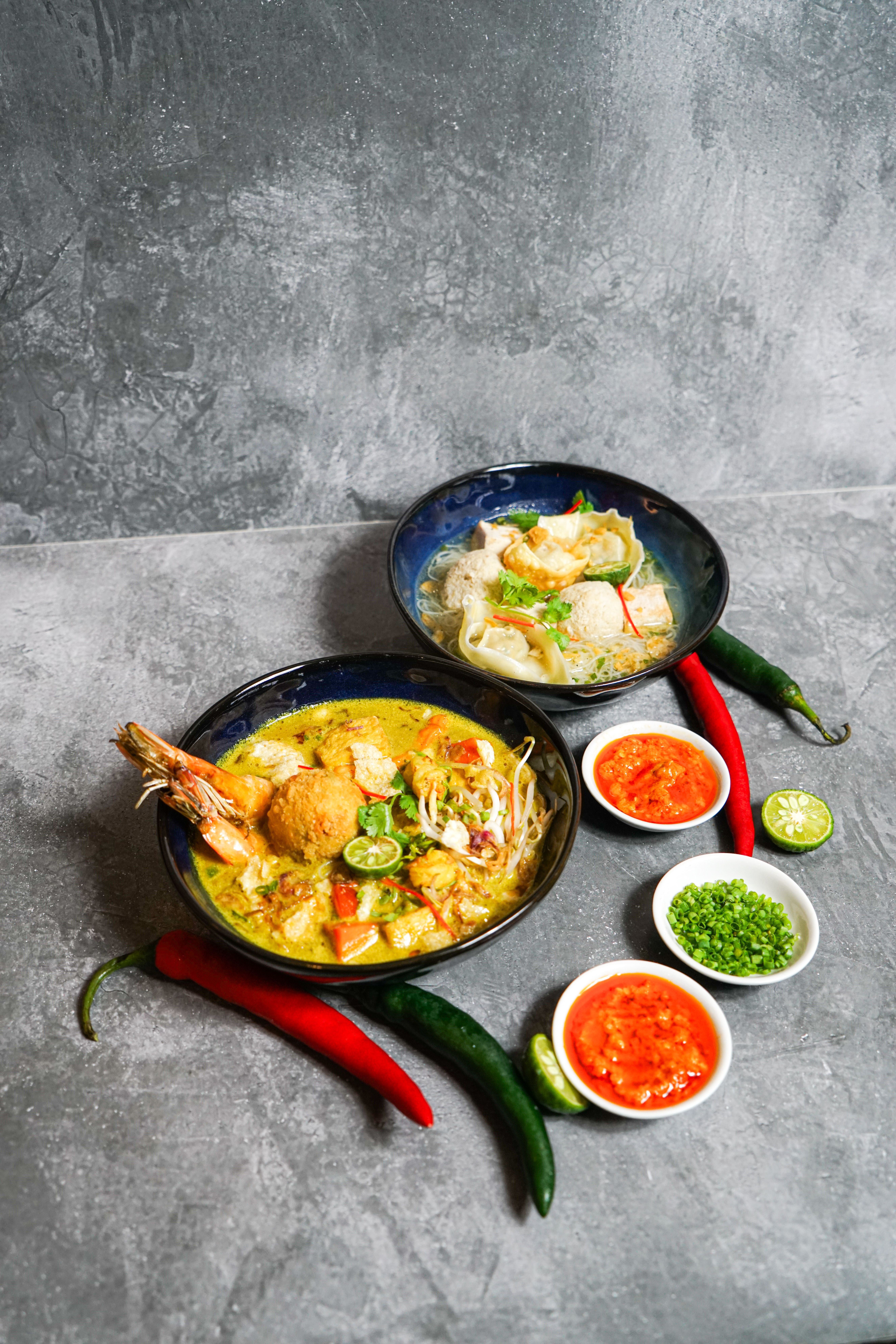
Photo: Scenehaus Production / Pexels
Malaysian
Assam Laksa
The diets react (see scores below)
Common Ingredients
- mackerel
- tamarind
- rice noodles
- lemongrass
- galangal
- chili
- mint
- pineapple
- cucumber
- shrimp paste
Specific recipes may vary.
Incompatible with 6 of 11 diets
Diet Ratings
Assam Laksa is fundamentally incompatible with a ketogenic diet. The primary offender is rice noodles, which are a high-carb grain-based ingredient typically contributing 40-60g of net carbs per serving on their own — already exceeding or maxing out the entire daily keto carb budget. Beyond the noodles, pineapple adds significant fruit sugars, and tamarind paste contains notable carbohydrates. The broth base ingredients (lemongrass, galangal, chili) are minor contributors but add up. The mackerel and shrimp paste are keto-friendly components, but they are overwhelmed by the carb load from the noodles and fruit. There is no realistic portion size of this dish as traditionally prepared that would fit within a 20-50g daily net carb limit.
Assam Laksa contains multiple animal-derived ingredients that make it entirely incompatible with a vegan diet. Mackerel is a fish, and shrimp paste (belacan) is a fermented crustacean product — both are clearly animal products. There is no ambiguity here. While the broth's base of tamarind, lemongrass, galangal, and chili is plant-based, and accompaniments like pineapple, cucumber, and mint are vegan-friendly, the foundational protein and umami sources are both animal-derived. Rice noodles are vegan, but the dish as traditionally prepared cannot be made vegan without a complete reformulation of its core identity.
Assam Laksa is fundamentally incompatible with the paleo diet due to two core non-paleo ingredients. Rice noodles are a grain-based product — rice is explicitly excluded from paleo as a grain, regardless of its relatively low anti-nutrient profile compared to other grains. Shrimp paste (belacan) is a heavily fermented, processed condiment typically containing added salt and sometimes preservatives, placing it firmly in the 'processed food' category. The remaining ingredients — mackerel, tamarind, lemongrass, galangal, chili, mint, pineapple, and cucumber — are all paleo-approved whole foods, but the dish cannot be considered paleo-compatible as traditionally prepared due to these two disqualifying ingredients.
Assam Laksa features several Mediterranean-compatible elements: mackerel is an excellent oily fish rich in omega-3s and strongly encouraged in the Mediterranean diet, and the dish is loaded with vegetables and aromatics (lemongrass, galangal, chili, mint, cucumber, pineapple). Tamarind provides a plant-based acidic note similar to citrus or vinegar. However, rice noodles are refined carbohydrates rather than whole grains, and shrimp paste is a heavily processed, high-sodium fermented condiment not aligned with Mediterranean principles. The dish lacks olive oil as the fat source. Overall, the fish-forward, vegetable-rich profile earns credit, but the refined noodles and processed shrimp paste temper the score.
Some Mediterranean diet interpreters take a broader, pattern-based view and would highlight the oily fish and abundant vegetables as sufficient to approve this dish, noting that white rice noodles appear in traditional coastal Mediterranean cuisines (e.g., some North African dishes) and that fermented condiments like shrimp paste, while not traditional, serve a similar umami role to fermented anchovies used across the Mediterranean basin.
Assam Laksa is overwhelmingly plant-based and contains almost no carnivore-compatible ingredients in its traditional form. While mackerel (a fatty, carnivore-approved fish) and shrimp paste (fermented seafood, generally acceptable) are present, the dish is dominated by excluded ingredients: rice noodles (grain-based carbohydrate), tamarind (fruit/plant-based souring agent), lemongrass, galangal, chili, mint (plant aromatics and spices), pineapple and cucumber (fruits/vegetables). The foundational broth itself is built on plant-based souring agents rather than animal-based stocks. A carnivore practitioner would need to discard virtually the entire dish except the fish itself, making it incompatible as a dish. This is not a borderline case — the vast majority of ingredients are explicitly excluded under all tiers of carnivore eating.
Assam Laksa contains rice noodles, which are a grain-based product explicitly excluded on the Whole30 (grains include rice). This single ingredient disqualifies the dish regardless of the other components. Additionally, shrimp paste (belacan) commonly contains added ingredients that may include non-compliant additives, though the primary disqualifier is clearly the rice noodles. The remaining ingredients — mackerel, tamarind, lemongrass, galangal, chili, mint, pineapple, cucumber — are all Whole30-compatible.
Assam Laksa contains several high-FODMAP ingredients that make it problematic during the elimination phase. The most significant concern is shrimp paste (belacan), which is a concentrated fermented paste that typically contains high levels of FODMAPs and is used in quantities sufficient to pose a real risk. Pineapple is moderate-to-high FODMAP above small portions (low-FODMAP only at 1 cup/140g, but traditional laksa uses it as a garnish so quantity may be borderline). Tamarind paste/concentrate can be problematic depending on concentration and serving size — it is low-FODMAP at small amounts (around 1 tablespoon) but many recipes use larger quantities. Lemongrass and galangal are generally considered low-FODMAP in culinary amounts. Rice noodles are low-FODMAP. Mackerel (fish) is low-FODMAP. Chili, mint, and cucumber are low-FODMAP in standard servings. However, the shrimp paste is the critical problem: it is a core, non-optional ingredient in authentic Assam Laksa and its FODMAP status in the amounts used in this dish is concerning. Combined with the pineapple and tamarind uncertainties, the dish as a whole cannot be safely approved during elimination phase.
Monash University has not specifically tested shrimp paste (belacan) as a standalone ingredient, creating uncertainty around its precise FODMAP threshold. Some clinical FODMAP practitioners consider small amounts of fermented shrimp paste potentially tolerable due to dilution in the broth, while strict elimination-phase protocols would recommend avoiding it entirely given its fermented, concentrated nature and unknown FODMAP load.
Assam Laksa presents a mixed DASH profile. On the positive side, mackerel is an excellent omega-3-rich lean fish strongly encouraged by DASH guidelines, and the dish is loaded with DASH-friendly vegetables and aromatics (lemongrass, galangal, cucumber, pineapple, mint) that contribute potassium, fiber, and micronutrients. Tamarind adds natural acidity without saturated fat. Rice noodles are a refined carbohydrate but are low in sodium and fat. The primary concern is shrimp paste (belacan), which is highly concentrated and very high in sodium — a single tablespoon can contain 400–800mg of sodium, and traditional recipes may use significant quantities. This single ingredient can push the dish's sodium content well above DASH thresholds per serving. Chili is DASH-neutral. The dish contains no significant saturated fat, no added sugars, and no processed meats, which works in its favor. The verdict hinges heavily on the amount of shrimp paste used; a reduced-belacan preparation could shift this toward a higher score.
NIH DASH guidelines do not specifically address shrimp paste or Southeast Asian fermented condiments, leaving sodium contribution open to interpretation based on preparation. Some DASH-oriented clinicians would argue that when belacan is used in small amounts as a background flavor and the overall dish is rich in vegetables, lean fish, and whole-food ingredients, it can be accommodated within a 2,300mg/day sodium budget as an occasional meal — particularly compared to processed Western foods with comparable or higher sodium loads.
Assam Laksa has several Zone-favorable elements but is complicated by its rice noodle base and overall macro imbalance. On the positive side, mackerel is an excellent Zone protein — it's a lean-to-moderate fish rich in omega-3 fatty acids, strongly aligned with Sears' anti-inflammatory emphasis. Tamarind, lemongrass, galangal, chili, mint, and cucumber are low-glycemic, polyphenol-rich ingredients that Zone would generally approve of. Pineapple is moderately higher glycemic but usable in small portions. The primary Zone concern is the rice noodles, which are a high-glycemic refined carbohydrate — an 'unfavorable' carb in Zone terminology that spikes insulin. Shrimp paste is a negligible macro contributor but adds sodium. The dish as traditionally served is carbohydrate-heavy and protein-light relative to Zone's 40/30/30 target, with rice noodles dominating the carb block and likely pushing the glycemic load too high. However, a Zone-adapted version — reducing noodle portion significantly, increasing fish quantity, and leaning into the vegetable garnishes — could bring this into reasonable Zone balance. As served in restaurants, it would require significant modification to hit Zone ratios.
Some Zone practitioners following Sears' later writings (The OmegaRx Zone, Zone Perfect Meals in Minutes) would note that the mackerel's high omega-3 content and the dish's abundant polyphenol sources (tamarind, galangal, chili, mint) make this a strong anti-inflammatory base, partially offsetting the glycemic concern from rice noodles. If the noodle portion is halved and fish portion is doubled, a home-prepared version can approach Zone ratios. Those practitioners might score this higher (6-7) as an adaptable Zone meal rather than penalizing the traditional preparation.
Assam Laksa is built on a strong anti-inflammatory foundation. Mackerel is one of the richest sources of omega-3 fatty acids (EPA and DHA), well-documented to reduce inflammatory markers like CRP and IL-6. Tamarind provides polyphenols and antioxidants. Lemongrass and galangal are close relatives of ginger and share similar anti-inflammatory phytocompounds including gingerols and shogaols. Chili contributes capsaicin, a potent anti-inflammatory compound. Fresh herbs like mint add polyphenolic antioxidants. Pineapple contains bromelain, an enzyme with anti-inflammatory properties, and cucumber adds hydration and mild antioxidants. Rice noodles are a neutral refined carbohydrate — not anti-inflammatory, but also not pro-inflammatory in the quantities typical of this dish. The main complexity is shrimp paste (belacan): it is a fermented food, which can have probiotic benefits, but it is very high in sodium and often contains additives depending on the brand. Fermented foods are generally viewed favorably in anti-inflammatory nutrition, but the high sodium load is a mild concern. Overall, this dish leans strongly anti-inflammatory due to its oily fish base, aromatic spice profile, and fresh produce content.
Some anti-inflammatory practitioners, particularly those following autoimmune protocols (AIP), may flag the high sodium content of shrimp paste and the chili (nightshade) as potential irritants for individuals with gut sensitivity or autoimmune conditions. Additionally, the glycemic impact of rice noodles may concern practitioners who emphasize low-glycemic eating as part of an anti-inflammatory approach.
Assam Laksa is a tamarind-based fish soup built around mackerel, which is a meaningful protein source and an excellent omega-3 fat source. Unlike coconut milk-based laksas, the broth here is sour and relatively low in saturated fat, which is a significant GLP-1 advantage. The dish includes fresh vegetables (cucumber, mint, pineapple) and aromatic herbs that add micronutrient value. However, several factors temper enthusiasm: (1) Rice noodles are refined carbohydrates with minimal fiber and protein, diluting the nutritional density per serving and filling limited stomach capacity with less useful calories. (2) Chili and shrimp paste can worsen reflux and nausea in GLP-1 patients with slowed gastric emptying — particularly problematic for those in early weeks of treatment or dose escalation. (3) Protein per serving is moderate but not high — mackerel content in a restaurant portion may deliver 15-25g protein depending on serving size, which is acceptable but not exceptional. (4) Tamarind adds tartness that most patients tolerate well, but the strong acidity can occasionally aggravate GI discomfort. (5) Pineapple adds natural sugars and bromelain, generally fine in small amounts but worth noting for blood sugar sensitivity. Overall, this is a far better choice than coconut-based noodle soups, but the chili load and refined noodle base prevent a full approval.
Some GLP-1-focused dietitians would rate this more favorably, emphasizing that mackerel is one of the best omega-3 protein sources available and that the broth-based, low-saturated-fat format aligns well with GLP-1 digestive constraints. Others would rate it lower, specifically flagging that chili and shrimp paste are meaningful GI irritants in a population where nausea and reflux are already prevalent side effects, and that rice noodles consume too much of a patient's limited caloric and volumetric capacity relative to their nutritional return.
*See how scores were generated at our methodology page.
Nutritional profile
Six traits that cut across every diet.
Fiber & Plants
How much whole-plant food and fiber it delivers.
Healthy Fats
The quality of its fats (unsaturated, omega-3).
Whole / Unprocessed
How close it is to its natural, unprocessed form.
Gut Gentle
How easy it is on digestion (low FODMAP, few irritants).
Low Glycemic
How little it spikes your blood sugar.
Protein Density
How much protein it packs per calorie.
Controversy Index
Higher controversy = more disagreement between diets.
Diet-Specific Tips
 Mediterranean — 6/10
View tips
- Mackerel is an omega-3-rich oily fish strongly encouraged by Mediterranean guidelines
- Abundant vegetables and fresh herbs align with plant-forward emphasis
- Rice noodles are refined carbohydrates, not whole grains
- Shrimp paste is a highly processed, high-sodium ingredient inconsistent with Mediterranean principles
- No olive oil; fat source is unclear or absent
- No added sugars or red meat; overall profile is relatively clean
 DASH — 5/10
View tips
- Shrimp paste (belacan) is very high in sodium and is the primary DASH concern in this dish
- Mackerel is an omega-3-rich lean fish explicitly encouraged by DASH guidelines
- Abundant vegetables, herbs, and fruits (cucumber, pineapple, mint) contribute potassium and fiber aligned with DASH
- Rice noodles are refined carbohydrates but low in sodium and fat — acceptable in moderation
- No saturated fat, no full-fat dairy, no red meat, and no added sugars — structurally aligned with DASH
- Sodium content is highly preparation-dependent; reducing or omitting shrimp paste would significantly improve DASH compatibility
- Traditional restaurant versions likely exceed DASH sodium limits per serving
 Zone — 5/10
View tips
- Mackerel is Zone-favorable: lean omega-3-rich protein supporting anti-inflammatory goals
- Rice noodles are an 'unfavorable' high-glycemic carbohydrate that dominates the carb block
- Traditional serving is carbohydrate-heavy and protein-light, misaligning with 40/30/30 ratio
- Tamarind, lemongrass, galangal, chili, mint, and cucumber are low-glycemic, polyphenol-rich Zone positives
- Pineapple is moderately high-glycemic but manageable in small garnish quantities
- Shrimp paste contributes negligible macros but adds significant sodium
- Zone-adaptable by reducing noodle portion and increasing fish — score would rise for modified version
 Anti-Inflammatory — 8/10
View tips
- Mackerel: excellent source of omega-3 fatty acids (EPA/DHA), strongly anti-inflammatory
- Lemongrass and galangal: contain anti-inflammatory phytocompounds related to gingerols
- Chili: capsaicin is a well-studied anti-inflammatory compound
- Tamarind: provides polyphenols and antioxidants
- Pineapple: bromelain has documented anti-inflammatory enzyme activity
- Mint: polyphenolic antioxidants
- Shrimp paste: fermented (mild probiotic benefit) but high in sodium and potential additives
- Rice noodles: refined carbohydrate — neutral, not a significant concern in typical portions
 GLP-1 Friendly — 6/10
View tips
- Mackerel provides omega-3 fatty acids and moderate-to-good protein — a genuine GLP-1 positive
- Tamarind broth base is low in saturated fat, unlike coconut milk laksas — favorable for GI tolerability
- Rice noodles are refined carbohydrates with low fiber and protein, reducing overall nutrient density per calorie
- Chili and shrimp paste may worsen nausea, reflux, or GI discomfort in GLP-1 patients, especially during dose escalation
- Fresh vegetables and herbs (cucumber, mint) add hydration and micronutrients
- Pineapple contributes natural sugars — minor concern for blood sugar sensitivity
- Broth format supports hydration, which is beneficial given GLP-1-reduced thirst sensation
- Portion sensitivity: protein adequacy depends heavily on mackerel quantity in the serving