Photo: Anh Nguyen / Pexels
American
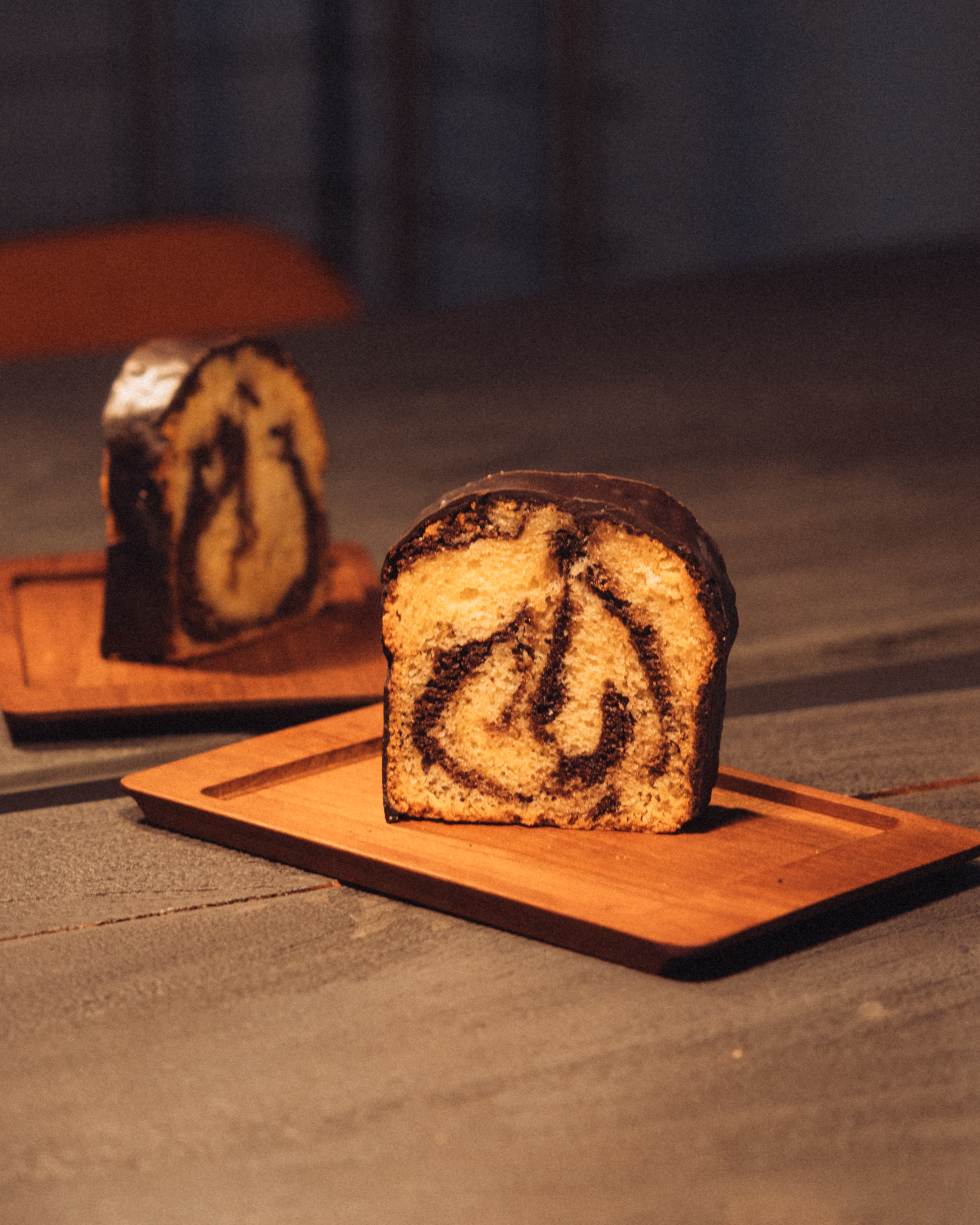
Marble Cake
The diets react (see scores below)
Common Ingredients
- flour
- butter
- sugar
- eggs
- baking powder
- salt
- vanilla extract
- cocoa powder
- milk
Specific recipes may vary.
Incompatible with 11 of 11 diets
Diet Ratings
Marble cake is fundamentally incompatible with a ketogenic diet. Its primary ingredients — wheat flour and sugar — are among the highest net-carb foods available. A single standard slice delivers roughly 35-45g of net carbs, which alone can exceed the entire daily keto carb budget. Flour is a grain product that causes rapid blood glucose spikes and would immediately disrupt ketosis. Sugar is an added simple carbohydrate with zero tolerance under keto rules. Milk adds additional lactose-derived carbs. While butter and eggs are keto-friendly, they are minor players here and cannot offset the carb load. There is no realistic portion size that makes this dish keto-compatible.
Marble Cake as listed contains multiple animal-derived ingredients that disqualify it from vegan compliance. Butter is a dairy product, eggs are an animal product, and milk is a dairy product. These three ingredients are unambiguously excluded under all vegan frameworks. The remaining ingredients (flour, sugar, baking powder, salt, vanilla extract, cocoa powder) are plant-based, but the presence of butter, eggs, and milk makes this recipe firmly non-vegan. Vegan versions of marble cake do exist using plant-based butter, flax eggs or aquafaba, and non-dairy milk, but the default recipe as presented here is not vegan.
Marble cake is fundamentally incompatible with the Paleo diet. It contains multiple non-Paleo ingredients: flour (a grain product), sugar (refined sugar), butter (dairy), baking powder (processed leavening agent), salt (added salt), milk (dairy), and cocoa powder (processed). While eggs and vanilla extract are Paleo-compatible, the core structure of this baked good — grain-based flour, refined sugar, and dairy — makes it a clear avoid. There is no ambiguity here; this dish violates nearly every major Paleo exclusion category simultaneously.
Marble cake is a classic American baked dessert that directly contradicts Mediterranean diet principles. It is made with refined white flour (not whole grain), butter (saturated fat rather than olive oil), and significant added sugar — three of the core elements the Mediterranean diet minimizes. While eggs and milk are present (moderate-consumption foods in Mediterranean eating), they serve here as vehicles for a heavily processed, sugar- and saturated-fat-laden confection. This is not a whole food, not plant-forward, and not aligned with the Mediterranean pattern of even occasional indulgences (which would more typically be fresh fruit, a small amount of dark chocolate, or a nut-based treat). Regular consumption would undermine the diet's cardiovascular and metabolic benefits.
Marble Cake is almost entirely plant-derived and processed, making it completely incompatible with the carnivore diet. The primary ingredients are flour (grain), sugar (plant-derived sweetener), baking powder (plant/mineral leavening agent), vanilla extract (plant-derived), and cocoa powder (plant-derived) — all of which are strictly excluded on carnivore. While butter, eggs, and milk are animal-derived, they are minor supporting ingredients in a fundamentally plant-grain-based baked good. The flour and sugar alone disqualify this dish entirely. This is a processed snack food with no meaningful animal nutrition profile.
Marble Cake contains multiple excluded ingredients and also violates the Whole30 'no recreating baked goods' rule. The dish contains flour (a grain), butter (dairy, not ghee), sugar (added sugar), and milk (dairy) — all of which are explicitly excluded on Whole30. Even if all ingredients were somehow substituted with compliant alternatives, marble cake is explicitly the type of baked good the Whole30 program prohibits recreating, as it falls squarely into the cake/baked goods category that the program's spirit is designed to avoid.
Marble cake contains two major high-FODMAP ingredients that make it unsuitable during the elimination phase. First, regular wheat flour is high in fructans, which are one of the most problematic FODMAPs — there is no safe standard serving of wheat-flour-based cake during elimination. Second, milk contributes lactose, another key FODMAP, and a standard cake slice would contain a meaningful amount. Sugar (sucrose) and butter are low-FODMAP, eggs are low-FODMAP, cocoa powder in small amounts is low-FODMAP per Monash, and vanilla extract, baking powder, and salt are all non-issues. However, the combination of wheat flour and milk means this cake is clearly high-FODMAP at any realistic serving size. A low-FODMAP version could be made by substituting gluten-free flour and lactose-free milk, but as described, this recipe must be avoided during elimination.
Marble cake is a classic American sweet baked good that conflicts with multiple core DASH diet principles. It is made primarily with refined white flour (not a whole grain), substantial amounts of butter (high in saturated fat), and significant added sugar — all of which DASH explicitly limits. Butter contributes saturated fat that raises LDL cholesterol, directly opposing DASH's cardiovascular goals. The high added sugar content places it in the 'sweets' category that DASH limits to 5 or fewer servings per week, and even then in small portions. Salt is added on top of sodium already present in baking powder. The overall nutritional profile offers minimal potassium, calcium, magnesium, or fiber relative to its calorie load. This food provides little of what DASH emphasizes and much of what it restricts.
Marble cake is a classic high-glycemic, high-saturated-fat baked good that is extremely difficult to incorporate into any Zone-balanced meal or snack. Its primary ingredients — refined white flour and sugar — are the quintessential 'unfavorable' carbohydrates in Zone terminology, causing rapid blood sugar spikes and the insulin surge the Zone Diet is specifically designed to prevent. Butter contributes saturated fat rather than the preferred monounsaturated fat (olive oil, avocado, almonds). The macronutrient profile is dominated by high-GI carbohydrates and saturated fat, with negligible usable protein — the exact opposite of the Zone's 40/30/30 target. As a snack category item, it provides essentially no Zone-friendly building blocks: no lean protein, no low-glycemic carbohydrates, no monounsaturated fat. While Zone is ratio-based rather than exclusionary, marble cake's macro composition is so skewed (predominantly refined carbs + saturated fat, near-zero lean protein) that no practical portion size makes it Zone-compatible without completely restructuring the meal around it. It belongs in the same category as candy and pastries — nutritionally empty from a Zone perspective.
Marble cake is a classic refined-flour dessert with a pro-inflammatory ingredient profile across the board. The base is white flour (refined carbohydrate, high glycemic, stripped of fiber and nutrients), combined with substantial butter (saturated fat, linked to elevated inflammatory markers at high intake), and significant added sugar (drives glycemic spikes and promotes inflammatory cytokine release). Eggs and milk are moderate-tier ingredients and contribute some nutritional value, but they are overwhelmed by the inflammatory load of the other components. Cocoa powder is the one genuinely anti-inflammatory element — it contains flavanols and antioxidants — but the quantity used in marble cake is small and diluted by sugar and refined flour. Vanilla extract adds negligible benefit. Baking powder and salt are nutritionally neutral. There are no omega-3 sources, no meaningful antioxidant-rich vegetables or fruits, no whole grains, and no polyphenol-dense ingredients in meaningful quantities. This is a standard indulgence dessert that conflicts with nearly every principle of the anti-inflammatory diet: it emphasizes refined carbohydrates, added sugars, and saturated fat while providing essentially no anti-inflammatory nutrients.
Marble cake is a poor fit for GLP-1 patients on virtually every criterion. It is a refined-flour, butter-and-sugar-based baked good with negligible protein, no meaningful fiber, high saturated fat from butter, and a high sugar load — all in a calorie-dense package. GLP-1 patients have dramatically reduced caloric budgets, meaning every bite must deliver nutritional value; marble cake delivers almost none. The butter content increases risk of nausea, bloating, and reflux given slowed gastric emptying. The sugar spike offers no satiety benefit and works against blood sugar stabilization. As a snack category item, it competes directly with high-protein, high-fiber snack options that would actually support muscle preservation and GI health.
*See how scores were generated at our methodology page.
Nutritional profile
Six traits that cut across every diet.
Fiber & Plants
How much whole-plant food and fiber it delivers.
Healthy Fats
The quality of its fats (unsaturated, omega-3).
Whole / Unprocessed
How close it is to its natural, unprocessed form.
Gut Gentle
How easy it is on digestion (low FODMAP, few irritants).
Low Glycemic
How little it spikes your blood sugar.
Protein Density
How much protein it packs per calorie.
Controversy Index
Higher controversy = more disagreement between diets.