Photo: Susan Flores / Pexels
The diets react (see scores below)
Common Ingredients
- masa harina
- chocolate
- piloncillo
- cinnamon
- milk
- water
- vanilla
Specific recipes may vary.
Incompatible with 9 of 11 diets
Diet Ratings
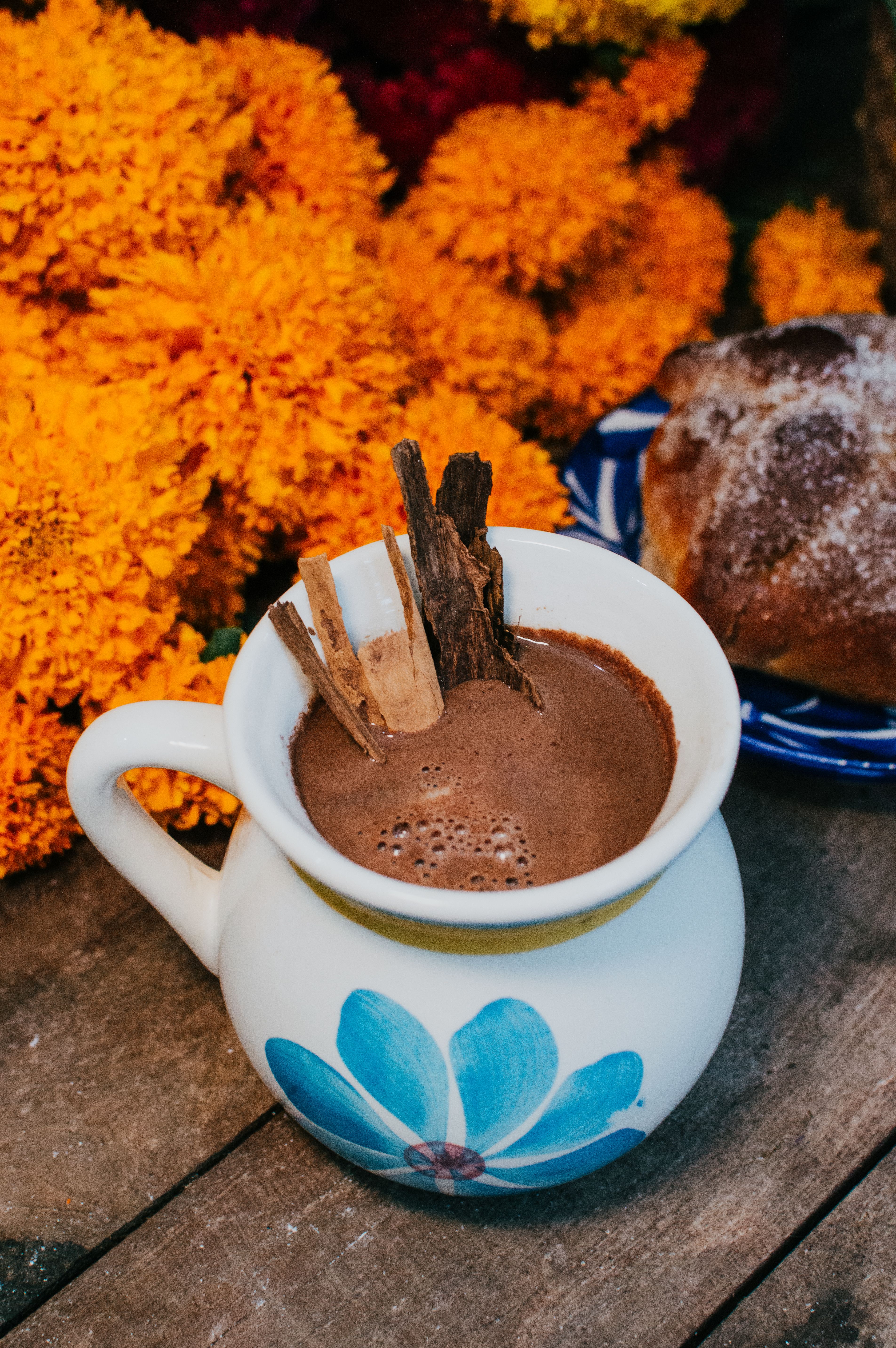
Champurrado is a traditional Mexican hot chocolate drink thickened with masa harina (corn flour), sweetened with piloncillo (raw cane sugar), and made with milk and chocolate. Every primary ingredient is a serious keto violation: masa harina is pure high-glycemic corn starch with roughly 70g+ net carbs per 100g, piloncillo is essentially unrefined sugar, and chocolate in this context is typically unsweetened or semi-sweet but combined with the other sugars results in an extremely high-carb beverage. A single serving could easily contain 60-80g+ of net carbs, far exceeding the entire daily keto allowance. There is no realistic modification that preserves the dish's character while making it keto-compatible — removing masa harina and piloncillo would fundamentally destroy what champurrado is.
Champurrado contains milk as a listed ingredient, which is an animal-derived dairy product and is definitively excluded from a vegan diet. All other ingredients — masa harina, chocolate, piloncillo, cinnamon, water, and vanilla — are plant-based. The dish can be made vegan by substituting the dairy milk with a plant-based alternative such as oat, almond, or soy milk, which is a common and easy modification.
Champurrado is a traditional Mexican hot chocolate drink thickened with masa harina (nixtamalized corn flour), which is a grain product strictly excluded from the paleo diet. Beyond the primary grain violation, the dish also contains milk (dairy, excluded), and piloncillo (an unrefined cane sugar, excluded as a refined/processed sugar product). Multiple core ingredients directly violate foundational paleo principles, making this dish clearly incompatible. There is no meaningful paleo adaptation possible without replacing virtually every ingredient.
Champurrado is a traditional Mexican chocolate-masa drink that contradicts several core Mediterranean diet principles. It is built around piloncillo (a significant source of added sugar), processed chocolate, and refined masa harina (a refined grain product). Milk adds moderate dairy, which alone would be acceptable, but the dominant ingredients are high in added sugars and refined carbohydrates. There is no olive oil, no plant-forward whole foods, no legumes or vegetables, and no meaningful nutritional profile aligned with Mediterranean eating. While cinnamon and vanilla are fine, and dark chocolate in small amounts has some Mediterranean-adjacent acceptance, the overall composition — sweet, sugar-heavy, refined-grain beverage — places this firmly in the avoid category.
Champurrado is a traditional Mexican hot chocolate drink thickened with masa harina (ground corn), sweetened with piloncillo (unrefined cane sugar), and flavored with chocolate, cinnamon, and vanilla. Every single primary ingredient except milk is strictly prohibited on the carnivore diet. Masa harina is a grain-based flour (corn), piloncillo is pure plant-derived sugar, chocolate is a plant food (cacao), cinnamon is a plant spice, and vanilla is a plant extract. The only animal-derived ingredient is milk, which itself is debated on carnivore. This dish is fundamentally a plant-based beverage with no meaningful animal protein or fat content, making it completely incompatible with carnivore principles at every level.
Champurrado contains multiple excluded ingredients that make it clearly non-compliant with Whole30. Masa harina is a corn-based flour, and corn is explicitly excluded as a grain on Whole30. Milk is dairy, which is excluded. Piloncillo is an added sugar (unrefined cane sugar), which is excluded. Chocolate (as typically used in champurrado) contains added sugar. Even setting aside the spirit-of-the-program concerns, this drink fails on at least four separate Whole30 rules simultaneously.
Champurrado contains two major high-FODMAP ingredients that make it unsuitable during the elimination phase. First, milk is high in lactose and is used as a primary liquid in this drink — a standard serving would contain significant lactose. Second, piloncillo (unrefined cane sugar) is very high in fructose and excess fructose is a key FODMAP to restrict; piloncillo is essentially concentrated fructose-containing sugar used in substantial quantities to sweeten this thick drink. Masa harina (nixtamalized corn flour) is generally considered low-FODMAP at reasonable serving sizes, cinnamon is low-FODMAP, vanilla extract is low-FODMAP, and dark chocolate in small amounts can be low-FODMAP per Monash (though milk chocolate contains lactose). Water is obviously fine. However, the combination of lactose from milk and excess fructose from piloncillo as core structural ingredients makes this dish high-FODMAP at any standard serving. Substitutions (lactose-free milk, limiting sweetener to glucose-based alternatives) could make a modified version low-FODMAP, but traditional champurrado as described should be avoided during elimination.
Champurrado is a traditional Mexican hot chocolate drink thickened with masa harina. While it contains some DASH-friendly components — masa harina provides whole-grain corn fiber and magnesium, milk contributes calcium and potassium, and cinnamon is a neutral spice — the drink's overall profile is concerning for DASH adherence. Piloncillo (unrefined cane sugar) and Mexican chocolate (which typically contains sugar and sometimes saturated fat from cocoa butter) contribute significant added sugars, placing this beverage in the 'sweets' category that DASH explicitly limits. A typical serving can contain 25-40g of added sugar, well above DASH's recommendation to limit sweets to 5 or fewer servings per week (1 serving = 1 tbsp sugar). The milk component aligns with DASH low-fat dairy if made with low-fat or fat-free milk, but is commonly prepared with whole milk. Sodium is naturally low. The drink is not categorically prohibited but should be an occasional treat rather than a daily breakfast staple under DASH guidelines.
NIH DASH guidelines categorically limit added sugars and sweets, which would restrict champurrado to rare consumption. However, some DASH-oriented clinicians note that when prepared with low-fat milk, the calcium, magnesium, and modest fiber from masa harina offer nutritional merit, and suggest small portions (6-8 oz) as an occasional breakfast item rather than an automatic avoidance — particularly given the relatively low sodium and absence of saturated fat if made with low-fat milk and dark chocolate.
Champurrado is a traditional Mexican hot chocolate drink thickened with masa harina, sweetened heavily with piloncillo (raw cane sugar), and made with chocolate and milk. From a Zone perspective, this drink is a nearly pure carbohydrate load dominated by high-glycemic ingredients. Piloncillo is essentially unrefined sugar — a high-glycemic sweetener that Dr. Sears explicitly discourages. Masa harina (nixtamalized corn flour) is a high-glycemic grain carbohydrate. Chocolate contributes additional sugar. The result is a beverage with a very high glycemic load and virtually no protein or favorable fat to balance the macronutrient ratio. There is no lean protein component, and the fat present (from chocolate and whole milk) is primarily saturated rather than monounsaturated. The 40/30/30 Zone ratio cannot be achieved within a reasonable serving of this drink without completely deconstructing the recipe. Even in the Zone's ratio-based, non-exclusion framework, champurrado as traditionally prepared offers no practical pathway to a balanced Zone block meal — it would require an implausibly large serving of lean protein and healthy fat alongside a tiny sip to approach balance. This is one of the cases where a food genuinely scores in the avoid range.
Champurrado is a traditional Mexican masa-based hot chocolate drink with a mixed anti-inflammatory profile. On the positive side, cinnamon is a well-established anti-inflammatory spice, and chocolate (depending on cacao content) can provide flavanols and polyphenols that reduce inflammatory markers. Vanilla has minor antioxidant properties. However, the dish presents meaningful concerns: piloncillo, while less refined than white sugar and retaining trace minerals, is still a significant source of added sugar, which is pro-inflammatory at regular intake levels. Masa harina is a refined/processed corn product with a moderate glycemic load. Milk is classified as a moderate food under anti-inflammatory principles, acceptable but not emphasized. The overall sugar load of champurrado — which is a sweetened, starchy drink — is the primary concern. If prepared with high-cacao chocolate (>70%), the flavanol benefit is real but partially offset by the refined carbohydrate and sugar burden. As an occasional traditional food, it's not an 'avoid,' but regular consumption conflicts with anti-inflammatory principles due to glycemic impact.
Some anti-inflammatory practitioners would view champurrado more favorably if made with high-quality dark chocolate, noting that the combination of cinnamon and cacao flavanols can meaningfully reduce CRP and oxidative stress markers — Dr. Weil emphasizes dark chocolate as a regular part of an anti-inflammatory diet. Conversely, stricter interpretations (e.g., the Autoimmune Protocol or low-glycemic anti-inflammatory frameworks) would rate this lower, flagging both corn-based masa and piloncillo as problematic for blood sugar regulation and inflammatory response.
Champurrado is a thick, sweet Mexican hot chocolate drink made with masa harina, chocolate, and piloncillo (unrefined cane sugar). It is essentially a high-sugar, high-carbohydrate beverage with negligible protein and minimal fiber. The piloncillo and chocolate contribute significant added sugars, while masa harina adds starchy carbohydrates with little nutritional payoff per calorie. Milk provides a small amount of protein, but not enough to meaningfully offset the sugar load. For GLP-1 patients, this drink fails on nearly every priority: no meaningful protein, high sugar content that spikes blood glucose, low fiber, and the thick starchy consistency may worsen nausea or gastric discomfort given slowed gastric emptying. It is also calorie-dense relative to its nutritional value, making it a poor choice when appetite and caloric intake are already reduced. The warm, liquid format does not rescue it — the sugar and starch profile make it counterproductive for GLP-1 patients at any meal occasion, including breakfast.
*See how scores were generated at our methodology page.
Nutritional profile
Six traits that cut across every diet.
Fiber & Plants
How much whole-plant food and fiber it delivers.
Healthy Fats
The quality of its fats (unsaturated, omega-3).
Whole / Unprocessed
How close it is to its natural, unprocessed form.
Gut Gentle
How easy it is on digestion (low FODMAP, few irritants).
Low Glycemic
How little it spikes your blood sugar.
Protein Density
How much protein it packs per calorie.
Controversy Index
Higher controversy = more disagreement between diets.
Diet-Specific Tips
 DASH — 4/10
View tips
- High added sugar from piloncillo and Mexican chocolate exceeds DASH sweets limits
- Masa harina provides whole-grain fiber and magnesium — DASH-positive
- Milk contributes calcium and potassium — aligns with DASH low-fat dairy if low-fat milk used
- Naturally very low sodium — DASH-positive
- Saturated fat concern depends on chocolate type and milk fat level
- Not a core DASH beverage; water, low-fat milk, and limited juice are preferred DASH drinks
 Anti-Inflammatory — 4/10
View tips
- Piloncillo adds significant sugar load — pro-inflammatory at regular intake
- Masa harina is a refined corn product with moderate glycemic impact
- Cinnamon is a well-supported anti-inflammatory spice
- Chocolate provides flavanols and polyphenols if cacao content is high
- Milk is acceptable in moderation under anti-inflammatory guidelines
- Overall glycemic load of the drink is a primary concern
- Traditional/occasional consumption context matters; not a daily staple food