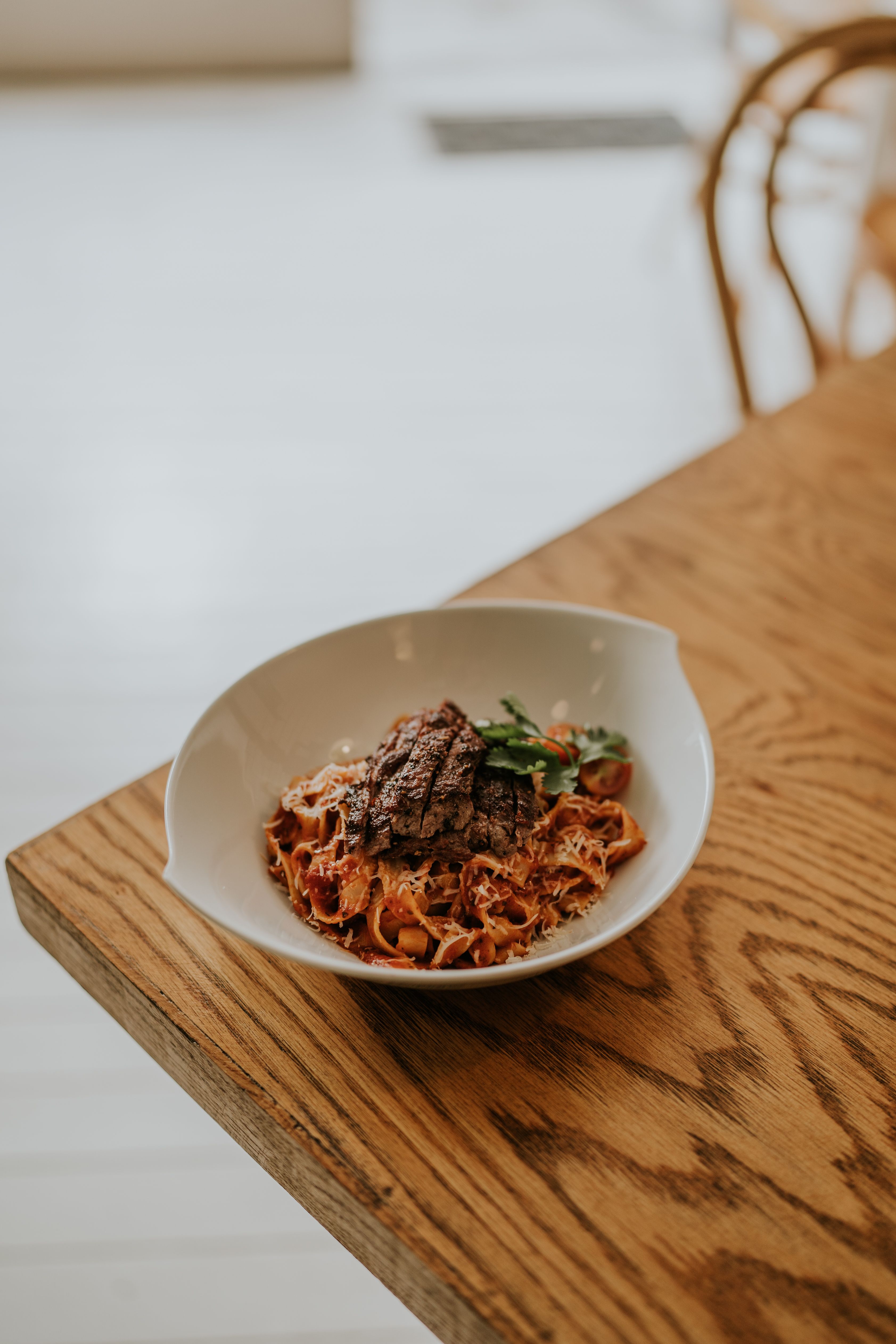
Photo: Amar Preciado / Pexels
The diets react (see scores below)
Common Ingredients
- dried beef
- eggs
- tomato
- onion
- serrano chiles
- garlic
- bell pepper
Specific recipes may vary.
Incompatible with 4 of 11 diets
Diet Ratings
Machaca is a traditional Mexican dried beef dish scrambled with eggs and vegetables that aligns well with ketogenic principles. The primary macros come from protein-rich dried beef and eggs, with fat from the beef. The vegetable components (tomato, onion, bell pepper, serrano chiles, garlic) do add some net carbs — roughly 5-10g per serving depending on portion sizes — but remain well within keto limits for a typical serving. Dried beef itself has negligible carbs, and eggs are a keto staple. The main concern is portion control on the higher-carb vegetables, particularly onion and bell pepper, but in traditional serving quantities this dish comfortably fits a ketogenic macronutrient profile.
Some stricter keto practitioners flag this dish due to the combination of tomato, onion, and bell pepper, which together can accumulate carbs quickly if portions are generous. Carnivore-adjacent keto followers may also object to the vegetable components entirely, preferring the beef and eggs alone.
Machaca contains two clear animal products: dried beef and eggs. Both are unambiguously non-vegan. Dried beef is a direct animal flesh product, and eggs are an animal-derived ingredient excluded under all mainstream vegan definitions. The remaining ingredients (tomato, onion, serrano chiles, garlic, bell pepper) are fully plant-based, but they do not offset the presence of multiple animal products in this dish.
Machaca is a traditional Mexican dish of dried/shredded beef scrambled with eggs and vegetables — ingredients that are largely paleo-compliant. Eggs, tomato, onion, serrano chiles, garlic, and bell pepper are all whole, unprocessed paleo foods. The primary concern is the dried beef: traditional homemade machaca (sun-dried, unseasoned beef) is paleo-friendly, but commercial dried beef almost universally contains added salt, preservatives, and sometimes sugar or soy-based additives, pushing it into caution or avoid territory. Since we evaluate the most common form encountered, and commercially prepared dried beef with additives is the norm, a caution rating is appropriate. A home-prepared version using only beef dried without additives would score higher (8-9).
Strict paleo purists following Loren Cordain's original framework would flag added salt and any preservatives in the dried beef as disqualifying, potentially rating this avoid. Conversely, practitioners who source or prepare additive-free dried beef (carne seca) would approve this dish outright, as all core ingredients are ancestrally consistent.
Machaca is a traditional Mexican dish centered on dried/shredded beef as its primary protein. Red meat is discouraged in the Mediterranean diet, limited to only a few times per month. Dried beef may also involve curing or processing that adds sodium, further distancing it from Mediterranean principles. The eggs add a secondary concern as a moderate-use food (acceptable a few times weekly), and together with the beef they compound the protein density in a non-Mediterranean direction. On the positive side, the vegetable accompaniments — tomato, onion, serrano chiles, garlic, and bell pepper — are entirely aligned with Mediterranean principles and represent a meaningful plant component of the dish. However, the core driver of the dish is processed/cured red meat, which is clearly in the 'avoid' category under Mediterranean guidelines regardless of the vegetable additions.
Some Mediterranean diet practitioners note that when red meat is consumed infrequently and in modest portions alongside abundant vegetables, it can fit within a flexible interpretation of the diet. The substantial vegetable content of machaca (tomatoes, onions, peppers, garlic) partially offsets the red meat concern, and traditional Mediterranean cuisines do occasionally include cured or dried meats in small amounts as flavor components rather than main proteins.
Machaca as traditionally prepared is disqualifying for the carnivore diet despite containing animal products (dried beef and eggs). The dish includes multiple plant-based ingredients — tomato, onion, serrano chiles, garlic, and bell pepper — all of which are explicitly excluded on carnivore. These are not minor trace additives but core structural components of the dish. The beef and eggs alone would be approved, but the dish as a whole cannot be carnivore-compatible without a complete reformulation that removes all vegetable ingredients.
Machaca as a dish is built on whole, unprocessed Whole30-compatible ingredients: beef, eggs, tomatoes, onion, serrano chiles, garlic, and bell pepper are all explicitly allowed. However, the 'dried beef' component requires careful label scrutiny. Commercially dried/cured beef (such as jerky or carne seca) frequently contains added sugars, soy sauce (soy), nitrites, or other non-compliant additives in its preparation. Home-dried or butcher-sourced beef dried with only salt and compliant spices would be fully approved. The dish itself is a great Whole30 concept — protein, vegetables, eggs — but the dried beef ingredient introduces real risk depending on sourcing.
Some Whole30 practitioners would approve machaca outright, noting that traditional homemade carne seca uses only beef, salt, and chiles — all compliant. However, official Whole30 guidance consistently warns that processed and cured meats require careful label reading, and commercially available dried beef almost universally contains non-compliant additives, making a blanket approval inappropriate without verified sourcing.
Machaca contains two well-established high-FODMAP ingredients that make it unsuitable during the elimination phase: onion and garlic. Both are among the highest-fructan foods tested by Monash University and are problematic even in small amounts. Onion is high-FODMAP at any culinary serving, and garlic contains significant fructans even at a fraction of a clove. The remaining ingredients are largely low-FODMAP — dried/shredded beef is protein with no FODMAPs, eggs are low-FODMAP, tomato is low-FODMAP at standard servings (up to 1 medium), serrano chiles are low-FODMAP in typical culinary amounts, and bell pepper is low-FODMAP at up to 52g per Monash. However, the presence of both onion and garlic as core structural ingredients — not optional garnishes — means this dish cannot realistically be considered low-FODMAP without a significant recipe modification (e.g., substituting garlic-infused oil and omitting onion or substituting the green tops of spring onions/scallions).
Machaca is a traditional Mexican dish made from dried/shredded beef combined with eggs, tomatoes, onions, serrano chiles, garlic, and bell pepper. The vegetable components (tomato, onion, bell pepper, garlic, serrano chiles) are excellent DASH foods — rich in potassium, fiber, and antioxidants. Eggs in moderation are now generally accepted in DASH-aligned eating patterns per updated dietary guidelines. However, dried beef (machaca) is the primary concern: the drying/curing process typically involves significant sodium, and beef is a red meat that DASH limits due to saturated fat content. Sodium in dried beef can be quite high (often 600–900mg per 3 oz serving), which conflicts with DASH's sodium limits of 1,500–2,300mg/day. The dish's overall profile is mixed — nutrient-rich vegetables offset by a high-sodium, red meat protein. Homemade versions with low-sodium dried beef and modest portion sizes could improve the score considerably.
NIH DASH guidelines explicitly limit red meat and high-sodium processed meats, which would push machaca toward 'avoid.' However, updated clinical interpretations note that the abundant vegetables and moderate egg content provide meaningful DASH-aligned nutrients, and when portioned appropriately (2–3 oz beef) with low-sodium dried beef, some DASH practitioners consider it an acceptable occasional breakfast choice.
Machaca is a strong Zone-compatible breakfast dish. The combination of dried beef and eggs provides a solid lean protein foundation that fits well within Zone protein block targets (~25g per meal). The vegetable components — tomato, onion, bell pepper, serrano chiles, and garlic — are all favorable low-glycemic Zone carbohydrates that contribute polyphenols and micronutrients. Eggs also contribute healthy fat, helping achieve the 30% fat target. The main Zone consideration is the dried beef: while beef is a usable Zone protein, it can be higher in saturated fat than ideal Zone proteins like skinless chicken or fish, and the drying/salting process increases sodium. However, lean cuts used for machaca (typically flank or round) are not excessively fatty. The dish lacks added fat, so a small drizzle of olive oil or a few almonds on the side would help hit the monounsaturated fat target. The carbohydrate load from the vegetables is modest and low-glycemic, making the ratio very manageable. This is fundamentally a protein-and-vegetable scramble, which is a Zone-friendly meal structure.
Traditional machaca recipes can vary significantly in fat content depending on the cut of beef and preparation method. Some versions use fattier cuts or add lard, which would increase saturated fat and push the Zone fat ratio away from the ideal monounsaturated profile. Sears' earlier Zone writings are more strictly anti-saturated fat than his later anti-inflammatory work, so practitioners following original Zone protocol might rate this more cautiously if the beef is fatty. Sodium from dried beef is also a practical concern, though not a Zone macronutrient issue.
Machaca presents a mixed anti-inflammatory profile. On the positive side, the dish contains several strongly anti-inflammatory ingredients: tomato provides lycopene and antioxidants; onion and garlic deliver quercetin, allicin, and organosulfur compounds with well-documented anti-inflammatory properties; serrano chiles contribute capsaicin, a potent anti-inflammatory compound; bell pepper adds vitamin C and carotenoids. Eggs provide choline and selenium with moderate support. The core protein concern is the dried beef. Red meat is in the 'limit' category under anti-inflammatory principles due to saturated fat and arachidonic acid content, which can promote prostaglandin-mediated inflammation. Dried/cured beef (like machaca or beef jerky) may also contain added sodium and preservatives depending on preparation, which adds another caution flag. However, machaca is typically made from lean cuts, and the beef quantity per serving alongside eggs is moderate. The vegetable-to-protein ratio in this dish is favorable, and the absence of seed oils, refined carbs, or added sugars keeps the score from dropping further. Overall, this is a borderline dish — nutritionally denser and less processed than many breakfast options, but the red meat base prevents a full approval.
Some anti-inflammatory practitioners, particularly those aligned with paleo or ancestral health frameworks, would rate this more favorably, arguing that lean, minimally processed beef is a whole food with complete amino acids and iron, and that the inflammatory concern around red meat is overstated when it is grass-fed and not processed with additives. Conversely, stricter anti-inflammatory protocols like those influenced by Dr. Dean Ornish would rate this lower, emphasizing that any red meat — even lean dried beef — elevates TMAO and arachidonic acid load.
Machaca is a traditional Mexican dish of dried, shredded beef scrambled with eggs, tomatoes, onion, bell pepper, garlic, and serrano chiles. The protein profile is strong — beef plus eggs together can deliver 25-35g of protein per serving, directly supporting the GLP-1 priority of muscle preservation. The vegetables (tomato, onion, bell pepper, garlic) add micronutrients, some fiber, and water content, which are beneficial. However, several factors introduce caution for GLP-1 patients. Dried beef (machaca) is typically a lean cut (flank or round) that has been dried, which means the fat profile is better than fatty red meats, but it is still red meat with some saturated fat, and sodium content is often high from the drying/curing process. The serrano chiles are a meaningful concern — they are significantly hotter than jalapeños and are linked to reflux and nausea exacerbation in GLP-1 patients whose gastric emptying is already slowed. This is not a trivial spice; serranos can genuinely worsen GI side effects. The dish is also portion-sensitive: a small serving is well-tolerated and nutritionally efficient, but a large restaurant portion with added fat from cooking oil or served alongside refined-grain tortillas and refried beans would shift this toward avoid territory. Rated on the dish as typically prepared at a moderate home-cooked serving.
Some GLP-1-focused dietitians would rate machaca more favorably, emphasizing the lean-protein-plus-egg combination as close to ideal and noting that serrano chile tolerance is highly individual — many patients have no GI reaction to moderate chile heat. Others in the obesity medicine community flag all red meat, including lean dried beef, with caution due to saturated fat and processing concerns, which would push this score lower regardless of the chile question.
*See how scores were generated at our methodology page.
Nutritional profile
Six traits that cut across every diet.
Fiber & Plants
How much whole-plant food and fiber it delivers.
Healthy Fats
The quality of its fats (unsaturated, omega-3).
Whole / Unprocessed
How close it is to its natural, unprocessed form.
Gut Gentle
How easy it is on digestion (low FODMAP, few irritants).
Low Glycemic
How little it spikes your blood sugar.
Protein Density
How much protein it packs per calorie.
Controversy Index
Higher controversy = more disagreement between diets.
Diet-Specific Tips
 Keto — 8/10
View tips
- Dried beef is virtually zero-carb and high in protein
- Eggs are a keto staple with excellent fat and protein profile
- Onion and bell pepper are moderate-carb vegetables requiring portion awareness
- Tomato and serrano chiles add minimal carbs in typical amounts
- No grains, added sugars, or starchy ingredients
- Combined net carbs estimated 5-10g per standard serving — within daily keto limits
- Whole, unprocessed ingredients throughout
 Paleo — 6/10
View tips
- Dried beef commonly contains added salt and preservatives — not strictly paleo
- Eggs are fully paleo-approved
- All vegetables (tomato, onion, serrano chiles, garlic, bell pepper) are whole and paleo-compliant
- No grains, legumes, dairy, or seed oils in the traditional recipe
- Home-prepared additive-free version would be fully approved
- Processing method of the beef is the key differentiating factor
 Whole30 — 6/10
View tips
- Dried beef (carne seca) commonly contains added sugar, soy, or other non-compliant curing agents
- All other ingredients (eggs, tomato, onion, serrano chiles, garlic, bell pepper) are fully Whole30-compliant
- Homemade or carefully sourced compliant dried beef would make this dish fully approved
- Dish structure (protein + vegetables + eggs) aligns well with Whole30 philosophy
- Label reading or direct sourcing of the dried beef is essential for compliance
 DASH — 4/10
View tips
- Dried beef is high in sodium due to the curing/drying process — major DASH concern
- Beef is a red meat limited by DASH guidelines due to saturated fat
- Excellent vegetable profile: tomato, bell pepper, onion, garlic, serrano chiles provide potassium, fiber, and antioxidants
- Eggs are acceptable in moderation under updated DASH-aligned dietary guidance
- Portion size of dried beef is critical — smaller portions reduce sodium and saturated fat load
- Low-sodium dried beef alternatives would significantly improve DASH compatibility
- Traditional preparation may also include lard or cooking oils — saturated fat risk if lard is used
 Zone — 7/10
View tips
- Eggs and dried beef provide solid Zone-compatible protein blocks
- All vegetable ingredients (tomato, onion, bell pepper, chiles, garlic) are favorable low-glycemic Zone carbs
- Dried beef may contain more saturated fat than ideal Zone proteins like chicken or fish
- No added fat in the dish — may need olive oil or avocado on the side to hit 30% fat target
- High polyphenol content from colorful vegetables aligns with Sears' anti-inflammatory emphasis
- Sodium content from dried beef is elevated but not a Zone macronutrient concern
 Anti-Inflammatory — 5/10
View tips
- Dried beef (red meat) is in the 'limit' category due to saturated fat and arachidonic acid
- Potential added sodium and preservatives in commercially dried beef
- Garlic and onion provide potent anti-inflammatory organosulfur compounds
- Serrano chiles contribute capsaicin with well-documented anti-inflammatory effects
- Tomato and bell pepper add lycopene, vitamin C, and carotenoids
- Eggs add moderate protein with some anti-inflammatory micronutrients (choline, selenium)
- No refined carbohydrates, seed oils, added sugars, or artificial additives
- High vegetable-to-meat ratio improves the overall profile
 GLP-1 Friendly — 5/10
View tips
- Strong dual-protein source (dried beef + eggs) supports muscle preservation goal
- Serrano chiles carry meaningful risk of worsening nausea and reflux due to slowed gastric emptying on GLP-1s
- Dried beef is leaner than fatty red meat cuts but still carries saturated fat and typically high sodium
- Vegetable mix (tomato, onion, bell pepper, garlic) adds micronutrients and modest fiber
- Fiber content is low — no legumes or whole grains in the base dish
- Portion-sensitive: small serving is GLP-1 compatible; large portion or accompaniments (tortillas, refried beans with lard) shift rating downward
- Cooking fat used matters — prepared with olive or avocado oil is preferable to lard or butter