Photo: Daniel Ruiz / Pexels
Mexican
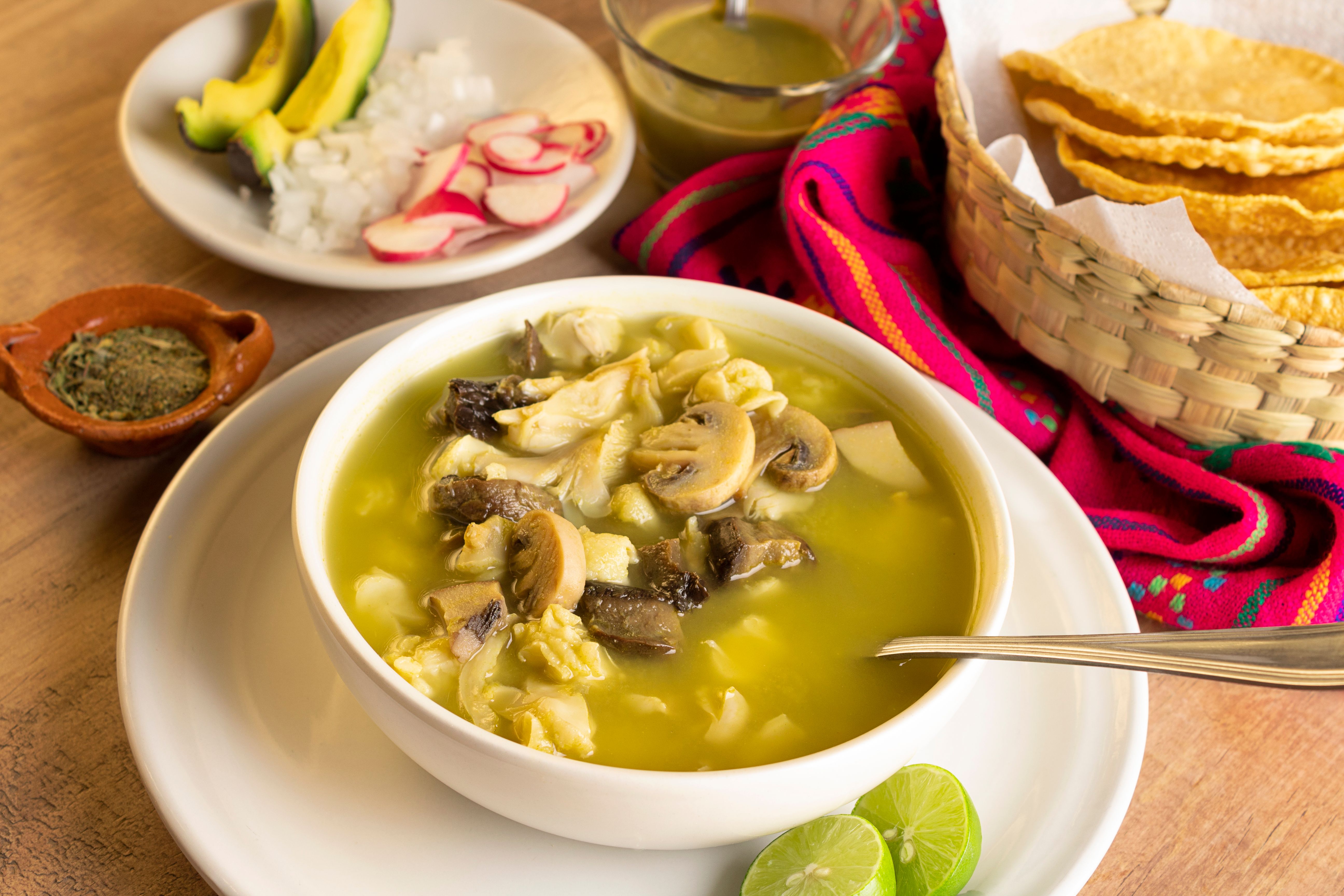
Sopa de Lima
The diets react (see scores below)
Common Ingredients
- chicken
- lime
- tomato
- onion
- garlic
- tortilla strips
- habanero
- cilantro
- oregano
Specific recipes may vary.
Incompatible with 6 of 11 diets
Diet Ratings
Sopa de Lima is a traditional Yucatecan soup that, in its standard form, includes tortilla strips as a key component — these are made from corn and represent a significant source of net carbs, making the dish incompatible with ketogenic macros. The soup base itself (chicken broth with lime, tomato, onion, garlic, habanero, cilantro, and oregano) is relatively low-carb, but tomato and onion do add moderate carbs. The tortilla strips are the primary disqualifier: even a modest serving (10-15g of strips) adds 8-12g of net carbs from grain-based starch, and traditional servings are more generous. Lime juice contributes minimal carbs. Without the tortilla strips, the broth base alone would score in the caution range (5-6). As served in its standard form, the dish is not keto-compatible. A modified version omitting tortilla strips could be adapted to a cautious keto approach.
Lazy keto or flexible keto practitioners may argue that ordering this soup without tortilla strips, or consuming only a small amount of strips within a daily carb budget, makes it workable — focusing on the protein-rich chicken broth base as the core of the meal.
Sopa de Lima contains chicken as its primary protein, which is poultry and a direct animal product. This unambiguously disqualifies the dish from being vegan. There is no debate within the vegan community about whether poultry is acceptable — it is not. The remaining ingredients (lime, tomato, onion, garlic, tortilla strips, habanero, cilantro, oregano) are all plant-based, but the presence of chicken makes the dish incompatible with a vegan diet.
Sopa de Lima is a traditional Yucatecan soup that is nearly paleo-compliant, but is disqualified by the tortilla strips — corn-based chips that are a grain product and firmly excluded under all paleo frameworks. Without the tortilla strips, the remaining ingredients (chicken, lime, tomato, onion, garlic, habanero, cilantro, oregano) are all paleo-approved whole foods. The dish as traditionally prepared and served cannot be considered paleo due to this core ingredient.
Sopa de Lima is a Yucatecan Mexican soup featuring chicken as the primary protein, supplemented by an array of vegetables and aromatics (lime, tomato, onion, garlic, habanero, cilantro, oregano) that align well with Mediterranean diet principles. Chicken is an accepted moderate protein in the Mediterranean diet, and the vegetable-rich broth with fresh herbs is strongly encouraged. The main concern is the tortilla strips, which are made from refined corn or flour and represent a processed/refined grain component not typical of Mediterranean eating. However, the tortilla strips are a garnish rather than a staple, and the overall dish is wholesome and plant-forward. Preparation method (broth-based soup) is very compatible. Olive oil is not specified but could easily be incorporated; similarly, no red meat, added sugars, or heavy saturated fats are present.
Some Mediterranean diet practitioners might view this dish more favorably if tortilla strips are minimal or swapped for whole grain alternatives, as the vegetable and herb profile closely mirrors traditional Mediterranean soups like Greek avgolemono or Italian stracciatella. Conversely, stricter interpretations would flag the refined tortilla strips and non-traditional spice profile (habanero) as departures from the canonical Mediterranean pattern.
Sopa de Lima is overwhelmingly plant-based in composition. While chicken is the protein base and is acceptable on carnivore, the dish is dominated by plant-derived ingredients: lime, tomato, onion, garlic, habanero, cilantro, oregano, and tortilla strips. Tortilla strips alone are a grain-based food (corn) that is strictly excluded. The vegetables, citrus, herbs, and spices all violate the core carnivore rule of eating exclusively animal products. There is no version of this dish that could be considered carnivore-compatible without being fundamentally reconstructed into an entirely different dish.
Sopa de Lima as described contains tortilla strips, which are made from corn — a grain explicitly excluded on the Whole30 program. All other ingredients (chicken, lime, tomato, onion, garlic, habanero, cilantro, oregano) are fully compliant. However, the tortilla strips are a core component of this dish as listed, making the dish non-compliant as presented. Additionally, even if the tortilla strips were removed, serving this soup with or alongside tortilla strips would constitute a chip/cracker-style food that violates the 'no recreating junk food' rule. The soup base itself would be perfectly Whole30-compliant without the tortilla strips.
Sopa de Lima contains two high-FODMAP ingredients that are fundamental to the dish and cannot be reduced to safe serving sizes in a typical preparation: onion and garlic. Both are high in fructans and are high-FODMAP at any realistic culinary quantity. Onion is one of the highest-fructan foods tested by Monash and cannot be made safe simply by reducing the amount — even small quantities contribute significant FODMAPs. Garlic is similarly problematic. The tortilla strips, if made from wheat flour (common in some versions), add fructans as well, though corn tortilla strips would be low-FODMAP. The remaining ingredients — chicken, lime juice, tomato (canned or fresh in moderate servings), habanero, cilantro, and oregano — are all low-FODMAP. However, the onion and garlic alone are disqualifying during the elimination phase.
Sopa de Lima is a traditional Yucatecan soup with a genuinely DASH-friendly ingredient profile at its core: lean chicken (a DASH-approved protein), tomatoes, onion, garlic, lime, cilantro, oregano, and habanero are all vegetables, aromatics, or flavor enhancers fully consistent with DASH principles. These ingredients are rich in potassium, vitamin C, and antioxidants with minimal saturated fat. However, the dish earns a 'caution' rating primarily due to the tortilla strips — typically fried and salted — which add sodium, refined carbohydrates, and saturated fat from frying oil. Restaurant and home preparations frequently rely on store-bought chicken broth or bouillon, which can add 700–900mg of sodium per serving, pushing the dish toward or past DASH sodium thresholds in a single course. The rating assumes a commonly prepared version with salted broth and fried tortilla strips. A home-prepared version using low-sodium broth, baked or lightly toasted tortilla strips from whole-grain tortillas, and controlled salt would score 8–9 and comfortably qualify as 'approve.'
NIH DASH guidelines do not specifically address traditional soups like Sopa de Lima, but the underlying ingredient list closely mirrors DASH-recommended foods. Updated clinical interpretations suggest that dishes built around vegetables, lean poultry, and citrus can be considered DASH-compatible when sodium is managed — clinicians focused on whole dietary patterns (rather than strict per-food scoring) may rate this higher, noting that preparation modifications easily bring it within DASH targets.
Sopa de Lima is a traditional Yucatecan soup with a solid Zone-friendly foundation: lean chicken protein, low-glycemic vegetables (tomato, onion, garlic), lime juice rich in polyphenols, anti-inflammatory habanero and herbs (cilantro, oregano). The broth-based format naturally keeps fat low, and the primary protein source (chicken) is ideal for Zone meals. The main Zone challenge is the tortilla strips — corn-based and fried, they are a higher-glycemic carbohydrate that Dr. Sears classifies as 'unfavorable.' However, they are typically used as a garnish in modest amounts rather than a bulk carbohydrate, which limits the glycemic impact. If tortilla strips are minimized (1–2 strips as garnish), the dish can approximate Zone ratios reasonably well — the vegetable-based carbs dominate, protein from chicken can be portioned to ~25g, and fat may need to be added via a small amount of olive oil or avocado. Without intentional fat addition, this dish may run low on the fat block. Overall, this is a Zone-compatible soup that requires portion control on tortilla strips and intentional fat addition to hit 40/30/30.
Some Zone practitioners would rate this higher (7–8) arguing that the tortilla strips, used sparingly as garnish, contribute negligibly to glycemic load, and that the dish's overall macro profile — lean protein, vegetable-dominant carbs, minimal fat — closely mirrors Zone ideals. The soup format also naturally controls calorie density. Conversely, traditional restaurant versions may use larger portions of tortilla strips or fry the chicken skin-on, pushing the dish toward less favorable Zone territory.
Sopa de Lima is a traditional Yucatecan soup with a strongly anti-inflammatory ingredient profile. Chicken (lean poultry) is a moderate-category protein that is well-accepted in anti-inflammatory frameworks. Lime juice provides vitamin C and flavonoids with antioxidant properties. Tomatoes are rich in lycopene, a carotenoid with documented anti-inflammatory effects. Garlic and onion contain quercetin, allicin, and organosulfur compounds that suppress NF-κB inflammatory pathways. Habanero pepper delivers significant capsaicin, a potent anti-inflammatory compound. Cilantro and oregano are herb sources of polyphenols and antioxidants — oregano in particular has high ORAC scores and contains rosmarinic acid. The main consideration is the tortilla strips, which represent refined carbohydrates and likely involve frying; however, they appear as a garnish in modest quantity rather than a bulk ingredient, limiting their impact. Overall, this dish is dominated by vegetables, herbs, spices, and lean protein — a pattern consistently associated with reduced inflammatory markers in research.
Sopa de Lima is a light, broth-based Mexican soup with a solid GLP-1-friendly profile overall. Chicken provides a meaningful lean protein base, and the broth, tomato, onion, garlic, and lime contribute high water content, micronutrients, and easy digestibility — all positives for GLP-1 patients. The soup format itself is well-suited to slowed gastric emptying and small-portion eating. However, two ingredients pull the score down. First, habanero is one of the hottest common culinary peppers and is a meaningful concern for GLP-1 patients prone to reflux, nausea, and GI irritation — this is not a minor spice caveat. Second, tortilla strips are fried, adding refined carbohydrates and fat with low nutritional value per calorie. Fiber content from vegetables is modest but present. Protein per serving will depend heavily on chicken quantity and portion size, which is a real limitation in a broth-heavy dish. The dish is not disqualifying, but as typically prepared it warrants caution rather than approval without modification.
Some GLP-1-focused dietitians would rate this higher, noting that broth-based soups are among the most GLP-1-tolerable meal formats and that habanero quantity in a shared pot is often small enough per serving to be tolerable for patients without significant reflux. Others would flag the habanero more strongly, as individual sensitivity to capsaicin on GLP-1 medications varies widely and some patients experience disproportionate GI distress even from small amounts of very hot peppers.
*See how scores were generated at our methodology page.
Nutritional profile
Six traits that cut across every diet.
Fiber & Plants
How much whole-plant food and fiber it delivers.
Healthy Fats
The quality of its fats (unsaturated, omega-3).
Whole / Unprocessed
How close it is to its natural, unprocessed form.
Gut Gentle
How easy it is on digestion (low FODMAP, few irritants).
Low Glycemic
How little it spikes your blood sugar.
Protein Density
How much protein it packs per calorie.
Controversy Index
Higher controversy = more disagreement between diets.
Diet-Specific Tips
 Mediterranean — 6/10
View tips
- Chicken is an acceptable moderate protein (poultry category)
- Rich in vegetables and aromatics: tomato, onion, garlic, lime, cilantro, oregano — all Mediterranean-compatible
- Broth-based preparation is healthy and low in saturated fat
- Tortilla strips are a refined grain and the main detractor
- No red meat, processed ingredients, or added sugars
- Habanero and cilantro are non-traditional but nutritionally neutral
- Olive oil not specified — traditional preparation may use neutral oils
 DASH — 6/10
View tips
- Lean chicken protein is DASH-approved
- Tomato, onion, garlic, lime, and cilantro are rich in potassium and antioxidants — fully DASH-aligned
- Tortilla strips are typically fried and salted, adding sodium, refined carbs, and saturated fat
- Broth preparation is the key sodium variable — store-bought broth can add 700–900mg sodium per serving
- Habanero and oregano are DASH-neutral flavor enhancers with no sodium concerns
- Low-sodium broth + baked whole-grain tortilla strips would elevate score to 8–9
- As commonly restaurant-prepared, sodium content likely approaches or exceeds DASH daily limits in one serving
 Zone — 6/10
View tips
- Lean chicken protein is a Zone-ideal protein source, easily portioned to ~25g per serving
- Tomato, onion, garlic, and lime provide low-glycemic, polyphenol-rich carbohydrates favored in Zone
- Tortilla strips are a higher-glycemic 'unfavorable' carbohydrate per Sears' classification — quantity must be minimized
- Habanero and oregano contribute anti-inflammatory compounds aligned with Zone's polyphenol emphasis
- Broth-based format keeps saturated fat low but may require intentional addition of monounsaturated fat (olive oil, avocado) to meet the 30% fat target
- Lime juice adds flavor without significant glycemic load and supports the anti-inflammatory focus
 Anti-Inflammatory — 8/10
View tips
- Lean chicken protein — anti-inflammatory framework approved, moderate category
- Habanero pepper — high capsaicin content with strong anti-inflammatory and analgesic properties
- Garlic and onion — allicin, quercetin, organosulfur compounds suppress inflammatory pathways
- Tomato — lycopene is a well-researched carotenoid that reduces CRP and IL-6
- Lime — vitamin C and flavonoids support antioxidant defense
- Oregano and cilantro — polyphenol-rich herbs with documented antioxidant activity
- Tortilla strips — refined carbohydrate/likely fried garnish; modest quantity limits impact but slightly reduces score
 GLP-1 Friendly — 6/10
View tips
- Lean chicken protein is a strong positive but serving-size-dependent in a broth-heavy soup
- Broth base supports hydration and easy digestibility — well-suited to GLP-1 patients
- Habanero is a high-capsaicin pepper that may worsen reflux, nausea, or GI irritation common on GLP-1 medications
- Tortilla strips are fried and add refined carbs and low-value fat — recommend omitting or substituting baked strips
- Tomato, onion, garlic, and lime contribute micronutrients and hydration with minimal downside
- Fiber content is modest; dish does not meaningfully contribute to the 25-30g daily fiber target
- Small-portion friendly as a soup; works well in a 4-5 small meal pattern