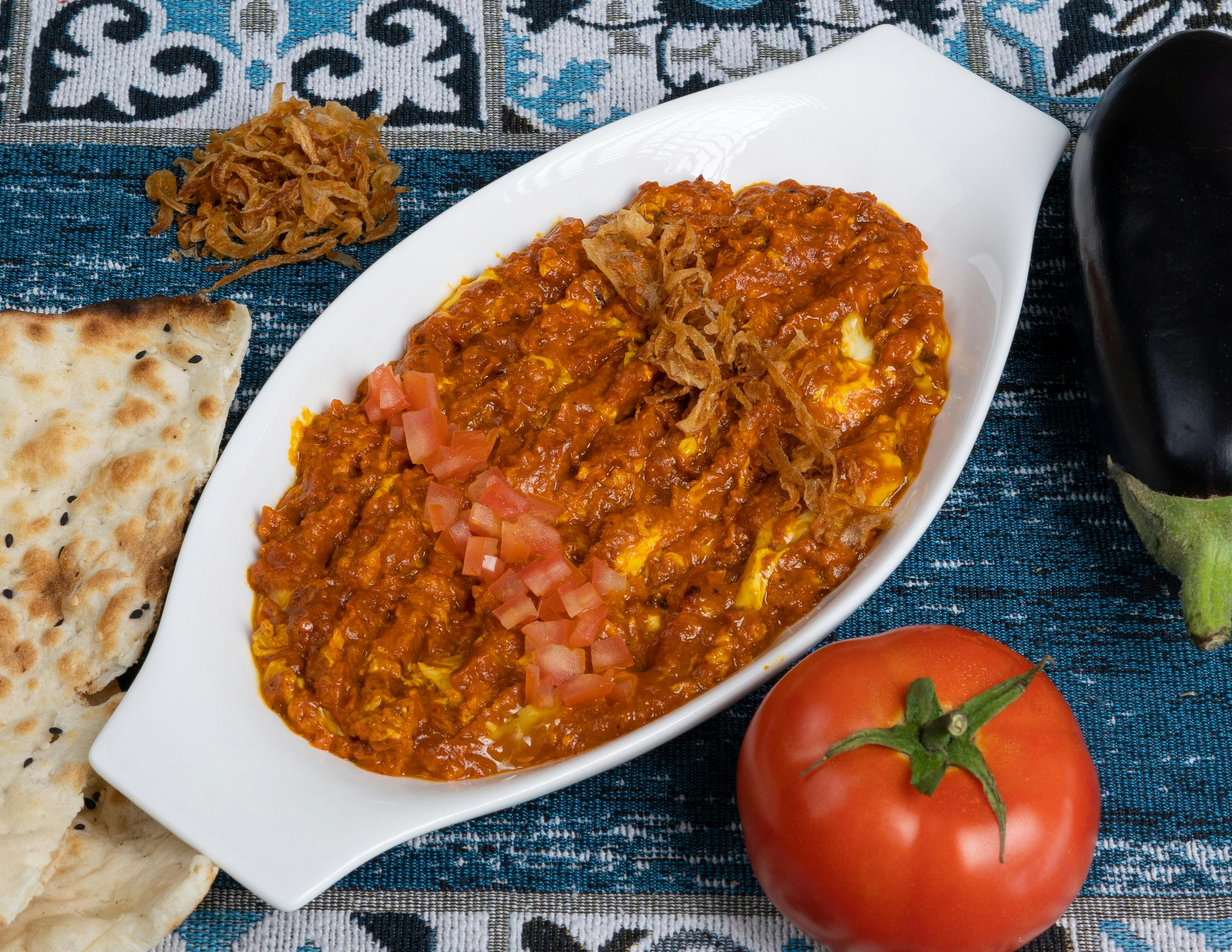
Photo: Shameel mukkath / Pexels
The diets react (see scores below)
Common Ingredients
- eggplant
- tomato
- garlic
- olive oil
- cumin
- paprika
- cilantro
- lemon
Specific recipes may vary.
Incompatible with 2 of 11 diets
Diet Ratings
Zaalouk is a Moroccan cooked salad/condiment made from eggplant and tomatoes. Eggplant is relatively low in net carbs (~3g per 100g cooked), but tomatoes add meaningful carbs (~3-4g net per 100g). As a condiment served in small portions (50-100g), total net carbs are manageable (roughly 4-8g per serving). Olive oil adds healthy fats, and spices like cumin and paprika are keto-friendly. However, tomatoes mean this dish requires portion control, and larger servings could push carb limits. The dish contains no added sugar, grains, or high-carb ingredients, making it conditionally acceptable on keto.
Stricter keto practitioners may flag tomatoes as too carb-dense for regular condiment use, arguing that cumulative tomato-based dishes can easily erode the daily 20g net carb limit. Some strict protocols advise limiting cooked tomato preparations specifically, as cooking concentrates natural sugars.
Zaalouk is a traditional Moroccan cooked salad or dip made entirely from whole plant foods. Every ingredient — eggplant, tomato, garlic, olive oil, cumin, paprika, cilantro, and lemon — is unambiguously plant-derived. There are no animal products, animal-derived additives, or processing concerns. It is a minimally processed, nutrient-dense dish anchored by vegetables and spices, which places it at the top of the vegan approval spectrum. The only minor note is the use of olive oil (a processed fat), which whole-food plant-based purists who avoid added oils might flag, but this is not a vegan compliance issue — it remains fully vegan.
Zaalouk is a Moroccan eggplant and tomato salad/condiment made entirely from whole, unprocessed plant foods with olive oil and natural spices. Every ingredient — eggplant, tomato, garlic, olive oil, cumin, paprika, cilantro, and lemon — is fully compliant with paleo principles. Olive oil is a preferred fat in the paleo framework, and all herbs and spices used are naturally derived and unprocessed. There are no grains, legumes, dairy, refined sugars, seed oils, or additives present. This dish aligns closely with what Paleolithic humans could have foraged or gathered, making it a strong paleo-approved condiment.
Zaalouk is a Moroccan cooked eggplant and tomato salad/condiment that exemplifies Mediterranean dietary principles. Every ingredient aligns perfectly: eggplant and tomato are nutrient-dense vegetables eaten abundantly in Mediterranean cuisines, garlic and lemon are classic flavor staples with well-documented health benefits, extra virgin olive oil is the canonical fat source of the Mediterranean diet, and cumin, paprika, and cilantro are aromatic spices that add flavor without calories or processed additives. There is no animal protein, no refined grains, no added sugar, and no processed ingredients. This dish is whole, plant-forward, and representative of the broader North African Mediterranean culinary tradition.
Zaalouk is a Moroccan eggplant and tomato salad/condiment made entirely from plant-based ingredients. Every single component — eggplant, tomato, garlic, olive oil, cumin, paprika, cilantro, and lemon — is plant-derived and explicitly excluded from the carnivore diet. There is no animal product whatsoever in this dish. This is about as far from carnivore-compatible as a food can get, containing multiple vegetables, plant oils, spices, and citrus fruit simultaneously.
Zaalouk is a Moroccan cooked eggplant and tomato salad/condiment made entirely from Whole30-compliant ingredients. Every component — eggplant, tomato, garlic, olive oil, cumin, paprika, cilantro, and lemon — is explicitly allowed on the Whole30 program. There are no excluded ingredients: no grains, no legumes, no dairy, no added sugars, no alcohol, and no problematic additives. This is exactly the kind of whole, unprocessed, vegetable-forward dish the program encourages.
Zaalouk contains two significant high-FODMAP ingredients that make it problematic during the elimination phase. First, garlic is one of the highest-FODMAP foods tested by Monash University, rich in fructans, and even small amounts used in cooking are sufficient to trigger symptoms — it cannot be made safe by portion reduction in a standard serving of this dish. Second, eggplant (aubergine) is high in FODMAPs (polyols — specifically mannitol) at a standard serving of 75g or more; Monash rates it as low-FODMAP only at very small portions (approximately 43g), which is well below what would be used as a condiment serving of zaalouk. Tomato in standard condiment quantities is low-FODMAP, and the remaining ingredients (olive oil, cumin, paprika, cilantro, lemon juice) are all low-FODMAP. However, the combination of garlic and eggplant in standard recipe quantities makes this dish a clear avoid during the elimination phase. Garlic-infused olive oil could substitute for garlic to address one issue, but eggplant remains problematic at realistic serving sizes.
Zaalouk is a Moroccan cooked salad/condiment made entirely from DASH-friendly whole plant foods. Eggplant and tomatoes are excellent non-starchy vegetables rich in potassium, fiber, and antioxidants — core DASH staples. Garlic is heart-protective and widely encouraged. Olive oil is the preferred unsaturated fat in DASH guidelines. Cumin, paprika, cilantro, and lemon are sodium-free flavor enhancers that allow salt-free seasoning, directly aligning with DASH's sodium-reduction strategy. The dish contains no added sodium in its traditional preparation, no saturated fat, no refined grains, and no added sugar. As a condiment, portion sizes are naturally moderate, though even larger servings remain DASH-compatible. The only consideration is the olive oil quantity — DASH recommends limiting fats to 2-3 servings/day, so heavy-handed olive oil use should be monitored across the full day's intake.
Zaalouk is a Moroccan cooked eggplant and tomato salad/condiment that aligns very well with Zone Diet principles. Eggplant and tomatoes are both low-glycemic, fiber-rich vegetables that are 'favorable' carbohydrate sources in Zone terminology. Olive oil is the quintessential Zone-approved monounsaturated fat. The aromatics (garlic, cumin, paprika, cilantro, lemon) add polyphenols and anti-inflammatory compounds — exactly what Dr. Sears emphasizes in his later work on eicosanoid balance. As a condiment/side dish, it provides low-GI carbohydrate blocks and healthy fat blocks, making it easy to pair with a lean protein (e.g., grilled fish or chicken) to complete a Zone-balanced meal. The only consideration is that olive oil quantity needs to be measured to count fat blocks accurately, but this is straightforward. No high-glycemic ingredients, no processed carbs, no saturated or trans fats. This dish exemplifies the vegetable-forward, polyphenol-rich, monounsaturated-fat approach that is central to Zone eating.
Zaalouk is a Moroccan cooked eggplant and tomato salad/condiment with a strong anti-inflammatory profile overall. Olive oil provides oleocanthal and monounsaturated fats that reduce inflammatory markers. Tomatoes deliver lycopene (especially when cooked), vitamin C, and quercetin. Garlic contains allicin and organosulfur compounds with well-documented anti-inflammatory and immunomodulatory effects. Cumin and paprika contribute antioxidant polyphenols and carotenoids. Cilantro offers flavonoids and vitamin K. Lemon juice adds vitamin C and alkalizing citric acid. The main caveat is eggplant: it is a nightshade, and while mainstream anti-inflammatory nutrition (including Dr. Weil's pyramid) considers it beneficial due to nasunin and chlorogenic acid in the skin, the AIP and autoimmune-focused protocols flag solanine and lectins as potentially pro-inflammatory in sensitive individuals. For the general population, this dish is a textbook example of Mediterranean/anti-inflammatory eating — whole vegetables, EVOO, anti-inflammatory spices, no refined carbs or added sugar.
Dr. Weil's Anti-Inflammatory Pyramid and mainstream nutrition research endorse tomatoes and eggplant for their high antioxidant content (lycopene, nasunin). However, the Autoimmune Protocol (AIP) and practitioners like Dr. Tom O'Bryan exclude all nightshades (eggplant, tomatoes, paprika) due to alkaloids and lectins believed to increase intestinal permeability and trigger inflammation in autoimmune-prone individuals — making this dish a concern for that population.
Zaalouk is a Moroccan cooked eggplant and tomato salad/condiment seasoned with garlic, cumin, paprika, cilantro, and lemon, finished with olive oil. It is nutrient-dense relative to its calorie load, easy to digest (vegetables are cooked down thoroughly), and contains beneficial unsaturated fat from olive oil. Eggplant and tomato provide fiber, antioxidants, and meaningful water content — all supportive for GLP-1 patients dealing with constipation and reduced thirst. The spice profile (cumin, paprika) is mild and unlikely to worsen reflux or nausea. However, it scores as caution rather than approve because it carries essentially no protein, which is the top dietary priority for GLP-1 patients. As a condiment or side, it must be paired with a strong protein source to be part of a GLP-1-compatible meal. Olive oil quantity also matters — traditional recipes can use a generous pour, which adds fat load and calories that may worsen nausea if eaten in a large serving. Portion sensitivity is real here.
Some GLP-1-focused dietitians would rate vegetable-forward, olive oil-based sides more favorably, arguing that their high water content, fiber, and easy digestibility make them actively therapeutic for GLP-1 GI side effects — particularly constipation and slow gastric emptying. Others caution that any dish with no protein contribution, however nutritious, reinforces a meal pattern that risks failing the daily protein target when appetite is severely suppressed.
*See how scores were generated at our methodology page.
Nutritional profile
Six traits that cut across every diet.
Fiber & Plants
How much whole-plant food and fiber it delivers.
Healthy Fats
The quality of its fats (unsaturated, omega-3).
Whole / Unprocessed
How close it is to its natural, unprocessed form.
Gut Gentle
How easy it is on digestion (low FODMAP, few irritants).
Low Glycemic
How little it spikes your blood sugar.
Protein Density
How much protein it packs per calorie.
Controversy Index
Higher controversy = more disagreement between diets.
Diet-Specific Tips
 Keto — 5/10
View tips
- Eggplant is low in net carbs and keto-compatible
- Tomatoes add moderate carbs (~3-4g net/100g) requiring portion control
- Olive oil contributes healthy fats aligned with keto macros
- No added sugars, grains, or high-carb ingredients
- Typical condiment serving (50-75g) keeps net carbs in an acceptable range (~3-5g)
- Larger servings or multiple tomato-based dishes in a day could exceed carb limits
 Vegan — 9/10
View tips
- All ingredients are whole plant foods
- No animal products or animal-derived ingredients of any kind
- Eggplant and tomato are the base — both clearly vegan
- Olive oil is plant-derived; only whole-food plant-based (oil-free) advocates might object, and that is not a vegan rule
- Spices (cumin, paprika) and aromatics (garlic, cilantro, lemon) are fully plant-based
- No cross-contamination or hidden animal ingredient concerns in standard preparation
 Paleo — 9/10
View tips
- Eggplant is a whole, unprocessed vegetable — fully paleo approved
- Tomatoes are a paleo-compatible fruit/vegetable
- Olive oil is a preferred paleo fat source
- Cumin, paprika, and cilantro are natural, unprocessed spices and herbs
- Lemon juice is a whole, natural ingredient with no processing
- No grains, legumes, dairy, seed oils, refined sugar, or additives present
- Dish is minimally processed — cooked vegetables with natural seasonings
 Mediterranean — 9/10
View tips
- All-vegetable base: eggplant and tomato are Mediterranean diet staples
- Extra virgin olive oil as the sole fat source
- No animal products, refined grains, or added sugars
- Garlic and lemon provide antioxidants and phytonutrients
- Spices (cumin, paprika, cilantro) replace salt and processed flavorings
- Traditional North African dish consistent with Mediterranean food culture
 Whole30 — 9/10
View tips
- Eggplant: compliant vegetable
- Tomato: compliant vegetable/fruit
- Garlic: compliant allium
- Olive oil: compliant natural fat
- Cumin and paprika: compliant spices
- Cilantro: compliant fresh herb
- Lemon: compliant citrus
- No excluded ingredients present
- Whole, minimally processed preparation aligns with Whole30 spirit
 DASH — 8/10
View tips
- All-vegetable base (eggplant, tomato, garlic) — core DASH foods high in potassium and fiber
- Olive oil provides heart-healthy monounsaturated fat, consistent with DASH fat guidelines
- Naturally very low in sodium — spices and lemon replace salt
- No saturated fat, no added sugar, no processed ingredients
- Condiment portion size keeps calorie and fat contribution modest
- Olive oil quantity should be counted toward daily fat serving allotment
 Zone — 8/10
View tips
- Eggplant and tomatoes are low-glycemic, favorable Zone carbohydrate sources
- Olive oil provides ideal monounsaturated fat blocks
- Rich in polyphenols and anti-inflammatory compounds (cumin, paprika, cilantro, garlic, lemon) consistent with Sears' anti-inflammatory focus
- No protein source — must be paired with lean protein to complete a Zone meal
- Fat blocks from olive oil should be measured to maintain 40/30/30 ratio
- No high-glycemic ingredients, processed carbs, or unfavorable fats
 Anti-Inflammatory — 8/10
View tips
- Extra virgin olive oil: oleocanthal with COX-inhibiting anti-inflammatory activity
- Tomatoes (cooked): lycopene bioavailability increased by heat, plus quercetin
- Garlic: allicin and organosulfur compounds reduce CRP and IL-6
- Cumin and paprika: antioxidant polyphenols and carotenoids
- Eggplant: nasunin antioxidant in skin, but nightshade alkaloid concern for autoimmune individuals
- Lemon juice: vitamin C, supports antioxidant activity
- No refined carbohydrates, added sugars, or pro-inflammatory fats
- Cilantro: flavonoids with mild anti-inflammatory properties
 GLP-1 Friendly — 6/10
View tips
- No protein content — fails the #1 GLP-1 dietary priority; must be paired with a protein source
- Good fiber from eggplant and tomato — supports digestion and helps counter GLP-1-related constipation
- High water content from cooked tomato and eggplant — supports hydration, which is a GLP-1 concern
- Olive oil is a preferred unsaturated fat, but quantity should be moderate to avoid worsening nausea
- Mild spice profile (cumin, paprika) is generally well tolerated on GLP-1 medications
- Easy to digest — thoroughly cooked vegetables are gentle on a slowed GI tract
- Nutrient-dense per calorie — beneficial given reduced appetite and caloric intake
- Portion-sensitive: works well as a small condiment serving alongside lean protein, not as a standalone dish