Photo: Valeria Boltneva / Pexels
The diets react (see scores below)
Common Ingredients
- black lentils
- ginger
- garlic
- green chiles
- cumin
- turmeric
- salt
- oil
Specific recipes may vary.
Incompatible with 5 of 11 diets
Diet Ratings
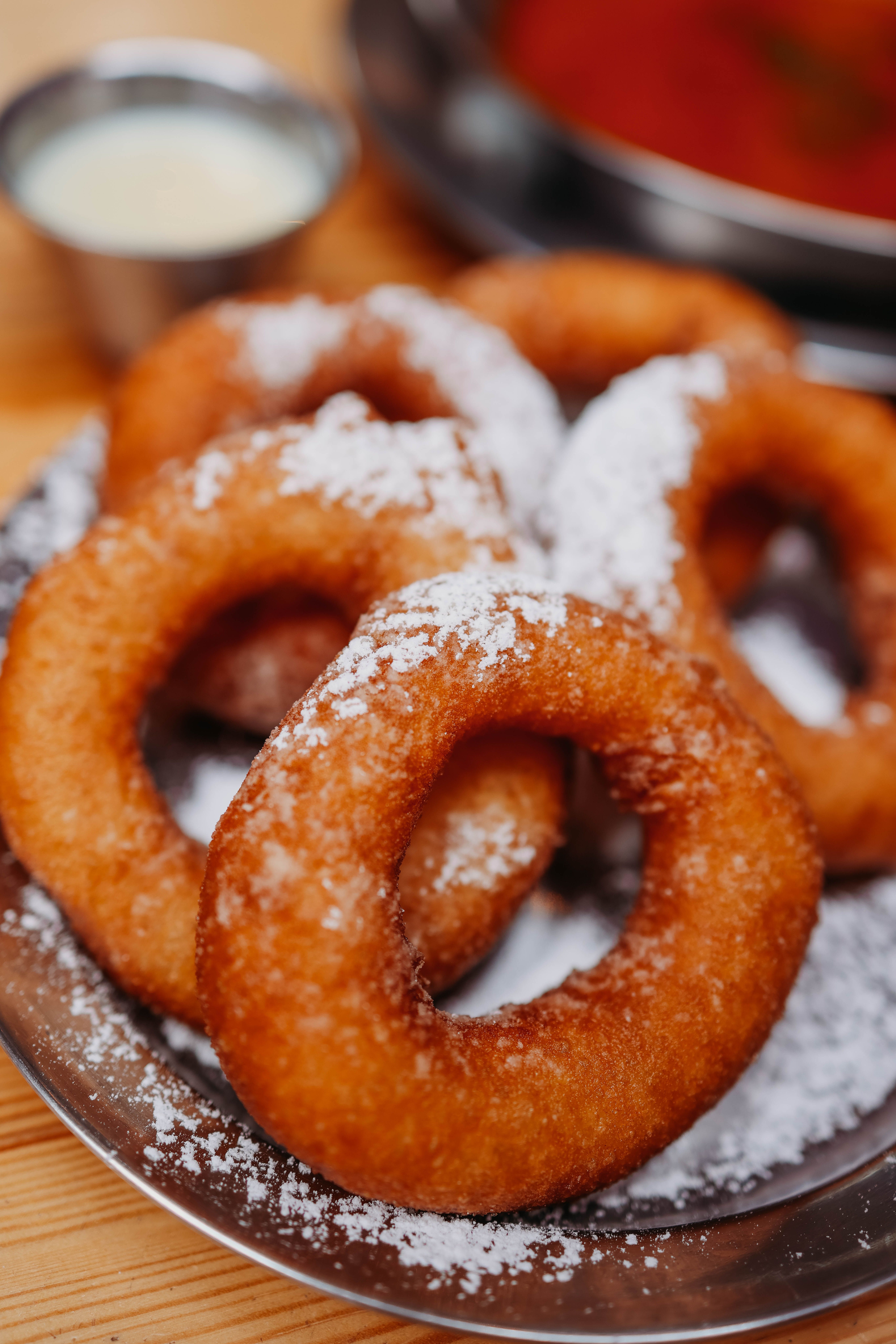
Bara is a Nepali lentil patty made primarily from black lentils (urad dal), which are legumes with significant carbohydrate content. Black lentils contain approximately 20g of net carbs per 100g cooked, and a standard serving of bara (2-3 patties) would likely deliver 30-50g of net carbs, easily exceeding or maxing out the daily keto limit in a single snack. While the dish includes keto-friendly aromatics (ginger, garlic, cumin, turmeric) and is fried in oil, the lentil base is fundamentally incompatible with ketosis. Legumes as a food category are broadly excluded from ketogenic diets due to their starch content. The protein source here (lentils) also comes packaged with too many carbs to be viable even in small portions.
Bara is a traditional Nepali lentil patty made entirely from whole plant-based ingredients. Black lentils serve as the primary protein and base, with ginger, garlic, green chiles, cumin, turmeric, and salt as seasonings, and oil for frying. Every ingredient is clearly plant-derived with no animal products or animal-derived additives. The dish is also predominantly whole food in nature, with minimal processing — the lentils are soaked, ground, and pan-fried. This places it at the high end of the approval range.
Bara is a Nepali lentil fritter made primarily from black lentils (urad dal), which are legumes — a category explicitly excluded from the paleo diet due to their lectin and phytic acid content. The dish also contains added salt and likely uses a seed or vegetable oil for frying, both of which are non-paleo. While several individual ingredients — ginger, garlic, green chiles, cumin, and turmeric — are paleo-approved herbs and spices, the foundational ingredient (black lentils) and the added salt and frying oil render the dish firmly non-paleo. There is no meaningful paleo-compliant modification possible without fundamentally changing what Bara is.
Bara is a savory lentil patty made primarily from black lentils (urad dal), which are an excellent plant-based protein and legume — a cornerstone of the Mediterranean diet. The spice profile (ginger, garlic, green chiles, cumin, turmeric) consists entirely of health-promoting aromatics with anti-inflammatory properties. The dish is whole-food, minimally processed, and plant-forward. The main consideration is the frying oil: if a neutral or olive oil is used in modest amounts, the dish aligns well with Mediterranean principles. The legume base strongly supports approval.
Some Mediterranean diet purists may note that deep-frying or pan-frying in significant amounts of oil (especially if not olive oil) adds substantial saturated or refined fat, potentially lowering the score to the caution range. Traditional Mediterranean legume preparations tend toward boiling, stewing, or light sautéing rather than frying.
Bara is a Nepali lentil fritter made entirely from plant-based ingredients. Black lentils are a legume — completely excluded from the carnivore diet. Every single ingredient in this dish is plant-derived: lentils, ginger, garlic, green chiles, cumin, turmeric, and plant oil. There is no animal product present whatsoever. This dish is incompatible with the carnivore diet at the most fundamental level.
Bara is a Nepali lentil patty/fritter made from black lentils (urad dal), which are legumes. Legumes are explicitly excluded on the Whole30 program. Black lentils fall squarely within the excluded legume category, with no exception listed for them (unlike green beans, sugar snap peas, and snow peas). All other ingredients — ginger, garlic, green chiles, cumin, turmeric, salt, and oil — are individually Whole30-compliant, but the primary ingredient and protein source is a disqualifying legume. There is no compliant substitution that would make this dish 'bara' in any meaningful sense.
Bara is a Nepali lentil patty made primarily from black lentils (urad dal), which are high in GOS (galacto-oligosaccharides) and fructans. Unlike canned lentils where some GOS leaches into the liquid, black lentils used in bara are soaked, ground into a batter, and pan-fried — a preparation method that does not significantly reduce GOS content. Even a modest serving of bara would contain a FODMAP load from the lentil base that exceeds safe thresholds for elimination phase. Compounding this, garlic is a well-established high-FODMAP ingredient (fructans), and its inclusion in the batter at any typical quantity makes this dish unsuitable during elimination. Green chiles and ginger are generally low-FODMAP at culinary amounts. Cumin, turmeric, and salt are low-FODMAP spices. However, the two primary FODMAP triggers — black lentils and garlic — make this dish a clear avoid during the elimination phase.
Monash University has limited specific data on black lentil batter preparations like bara, and some FODMAP practitioners note that prolonged soaking and discarding of soaking water can partially reduce GOS content; however, most clinical dietitians advise avoiding all legume-based dishes during elimination regardless of preparation method due to the high and unpredictable GOS load.
Bara (Nepali lentil patties) is made from black lentils (urad dal), which are an excellent source of plant-based protein, fiber, magnesium, potassium, and folate — all nutrients emphasized in the DASH diet. The spices (ginger, garlic, cumin, turmeric, green chiles) are DASH-friendly and add anti-inflammatory benefit with negligible sodium impact. However, bara is deep-fried or pan-fried in oil, which increases total fat content and caloric density. The amount of oil used and the frying method are the primary concerns. Added salt is also a variable — home preparation may add moderate sodium, though it is controllable. The dish is not inherently high in saturated fat (assuming vegetable oil), but the frying process moves it from 'approve' to 'caution' territory. Baked or air-fried versions would score closer to 8-9.
NIH DASH guidelines emphasize legumes as a core food group and would generally support lentil-based dishes; however, the frying preparation introduces excess calories and fat that some DASH clinicians flag as undermining the cardiovascular benefit. Updated clinical interpretations note that if bara is pan-fried lightly in a heart-healthy oil (e.g., canola or olive oil) with minimal salt, it can be considered a DASH-compatible snack in appropriate portion sizes.
Bara is a Nepali lentil fritter made from ground black lentils (urad dal), spiced with ginger, garlic, green chiles, cumin, and turmeric, then pan- or deep-fried in oil. From a Zone perspective, the macro profile is workable but imperfect. Black lentils provide both protein and carbohydrates — they are a moderate-glycemic legume (GI ~30-40), which is reasonable for Zone, but the protein-to-carb ratio skews carb-heavy, meaning lentils alone do not provide a clean protein block without simultaneously loading carb blocks. A typical Bara patty (~50-60g) might deliver roughly 6-7g protein and 15-18g net carbs, making it carb-dominant. The frying oil adds fat, but the type of oil is unspecified — if a seed oil (sunflower, mustard) is used, it conflicts with Zone's anti-inflammatory, monounsaturated-fat preference; if mustard oil is common in Nepali cooking, it carries moderate omega-6 load. The spices (ginger, garlic, turmeric, cumin) are strongly Zone-favorable due to their polyphenol and anti-inflammatory properties. As a snack, a small Bara could be incorporated into a Zone meal if paired with a lean protein source to correct the protein deficit and if the fat source is adjusted toward monounsaturated. Carb blocks would need to be counted carefully given the lentil base. It is not a clean Zone building block on its own but is far from prohibited.
Some Zone practitioners treat legumes like urad dal favorably due to their low-glycemic index, high fiber, and reasonable protein content relative to other carb sources. Dr. Sears' later work on anti-inflammatory eating would also highlight the polyphenol benefits of the spices and the fiber of the lentils as Zone-positive. A stricter reading of early Zone methodology, however, flags the carb-to-protein imbalance of legume-only dishes and the unknown frying oil as concerns requiring careful portioning and oil substitution.
Bara is a Nepali lentil patty made from ground black lentils (urad dal), which are an excellent source of plant-based protein, fiber, and polyphenols — all well-aligned with anti-inflammatory principles. The spice profile is strongly anti-inflammatory: turmeric (curcumin) is one of the most well-researched anti-inflammatory compounds in food, ginger has demonstrated inhibition of NF-κB and prostaglandin pathways, garlic contains allicin and organosulfur compounds with established anti-inflammatory effects, and cumin contributes antioxidant flavonoids. Green chiles provide capsaicin, another documented anti-inflammatory agent. The only area of moderate concern is the frying oil — traditionally bara is pan-fried or shallow-fried, and the type of oil matters significantly. If a refined seed oil high in omega-6 (e.g., sunflower or corn oil) is used, this partially offsets the anti-inflammatory benefits of the other ingredients. Using extra virgin olive oil or avocado oil would keep the score higher. The dish is otherwise a textbook example of legume-forward, spice-rich anti-inflammatory eating.
The primary area of debate is the frying oil. Most anti-inflammatory protocols (Dr. Weil, IF Rating system) caution against regular use of refined seed oils like sunflower or corn oil due to high omega-6 content and oxidation potential during cooking. However, mainstream nutrition science and the AHA consider these oils acceptable and even heart-healthy. The verdict here assumes a neutral or favorable oil; if a high-omega-6 refined oil is used regularly for frying, some anti-inflammatory practitioners would lower this rating to the caution range.
Bara are deep-fried lentil patties, which creates a conflict between two opposing nutritional signals. The base ingredient — black lentils — is excellent for GLP-1 patients: high in plant-based protein, rich in fiber, and nutrient-dense per calorie. Lentils also support digestion and help prevent constipation, a common GLP-1 side effect. However, the preparation method is deep frying, which significantly increases fat content, adds empty calories, and is a known trigger for nausea, bloating, and reflux in GLP-1 patients due to slowed gastric emptying. The green chiles and ginger/garlic are generally tolerable in moderate amounts, but green chiles may worsen reflux or nausea in sensitive individuals. Ginger is actually mildly beneficial for GLP-1-related nausea. Cumin and turmeric are well-tolerated and have no meaningful downside. The oil used for frying is the primary concern — the quantity absorbed during deep frying pushes this otherwise solid snack into caution territory. A baked or air-fried version of bara would score considerably higher (7-8), as the lentil base itself is a strong GLP-1-friendly food.
Some GLP-1-focused dietitians would rate this lower (toward avoid) specifically because fried foods are categorically discouraged regardless of the nutritional quality of the base ingredient, arguing that fat content and frying method alone are disqualifying for patients experiencing active GI side effects. Others would keep it at caution, noting that portion size is small for a snack, lentils provide meaningful protein and fiber, and occasional consumption is unlikely to cause significant harm in patients who tolerate fried foods reasonably well.
*See how scores were generated at our methodology page.
Nutritional profile
Six traits that cut across every diet.
Fiber & Plants
How much whole-plant food and fiber it delivers.
Healthy Fats
The quality of its fats (unsaturated, omega-3).
Whole / Unprocessed
How close it is to its natural, unprocessed form.
Gut Gentle
How easy it is on digestion (low FODMAP, few irritants).
Low Glycemic
How little it spikes your blood sugar.
Protein Density
How much protein it packs per calorie.
Controversy Index
Higher controversy = more disagreement between diets.
Diet-Specific Tips
 Vegan — 9/10
View tips
- All ingredients are 100% plant-based
- Black lentils provide a strong whole-food protein source
- Spices and aromatics (ginger, garlic, chiles, cumin, turmeric) are fully vegan
- Oil is the only processed component, and plant-based oils are unambiguously vegan
- No animal-derived additives or hidden ingredients in this preparation
- Minimal processing compared to packaged vegan foods — aligns with whole-food plant-based principles
 Mediterranean — 8/10
View tips
- Black lentils are a high-protein legume — strongly encouraged in Mediterranean diet
- Entirely plant-based with no meat, dairy, or refined grains
- Anti-inflammatory spices (turmeric, cumin, ginger, garlic) align with Mediterranean principles
- Frying method and type of oil used are the key variables affecting compatibility
- No added sugars, processed ingredients, or refined grains
- Whole-food, minimally processed preparation
 DASH — 6/10
View tips
- Black lentils are a DASH-approved legume rich in fiber, potassium, magnesium, and plant protein
- Frying increases total fat and caloric density, reducing DASH alignment
- Spices used are DASH-friendly with no sodium concern
- Salt content is controllable in home preparation but should be minimized
- No saturated fat concern if using vegetable oil (not coconut/palm)
- Baked or air-fried preparation would significantly improve DASH score
- Portion control important — snack servings should be modest
 Zone — 5/10
View tips
- Black lentils are moderate-GI legumes — usable Zone carb/protein source but carb-dominant per serving
- Macro ratio skews carb-heavy; a single Bara lacks sufficient protein for a standalone Zone block
- Frying oil type unspecified — seed oil use (sunflower, mustard) conflicts with Zone's monounsaturated fat preference
- Anti-inflammatory spices (turmeric, ginger, garlic, cumin) are Zone-favorable polyphenol sources
- As a snack, requires pairing with additional lean protein to achieve Zone 40/30/30 balance
- Whole food, minimally processed — aligns with Zone's preference for real food over packaged snacks
 Anti-Inflammatory — 8/10
View tips
- Black lentils are rich in plant protein, fiber, and polyphenols — core anti-inflammatory foods
- Turmeric (curcumin) is one of the most evidence-backed anti-inflammatory spices
- Ginger inhibits prostaglandin synthesis and NF-κB inflammatory pathways
- Garlic provides allicin and organosulfur compounds with anti-inflammatory properties
- Green chiles contribute capsaicin, a documented anti-inflammatory compound
- Cumin adds antioxidant flavonoids supporting the overall anti-inflammatory profile
- Frying oil type is the key variable — refined seed oils (sunflower, corn) would reduce the score; olive or avocado oil would maintain it
 GLP-1 Friendly — 5/10
View tips
- Deep-fried preparation significantly increases fat content and caloric density
- Black lentils provide meaningful plant-based protein and dietary fiber — strong GLP-1-friendly base
- High fat from frying is a known trigger for nausea, bloating, and reflux in GLP-1 patients
- Green chiles may worsen GI discomfort or reflux in sensitive individuals
- Ginger is mildly beneficial for GLP-1-related nausea
- Small snack portion partially mitigates fat load — portion-sensitive food
- Baked or air-fried preparation would substantially improve the rating