Photo: Danny Chali / Pexels
The diets react (see scores below)
Common Ingredients
- buffalo meat
- mustard oil
- garlic
- ginger
- dried red chiles
- turmeric
- cumin
- cilantro
- lemon
Specific recipes may vary.
Incompatible with 5 of 11 diets
Diet Ratings
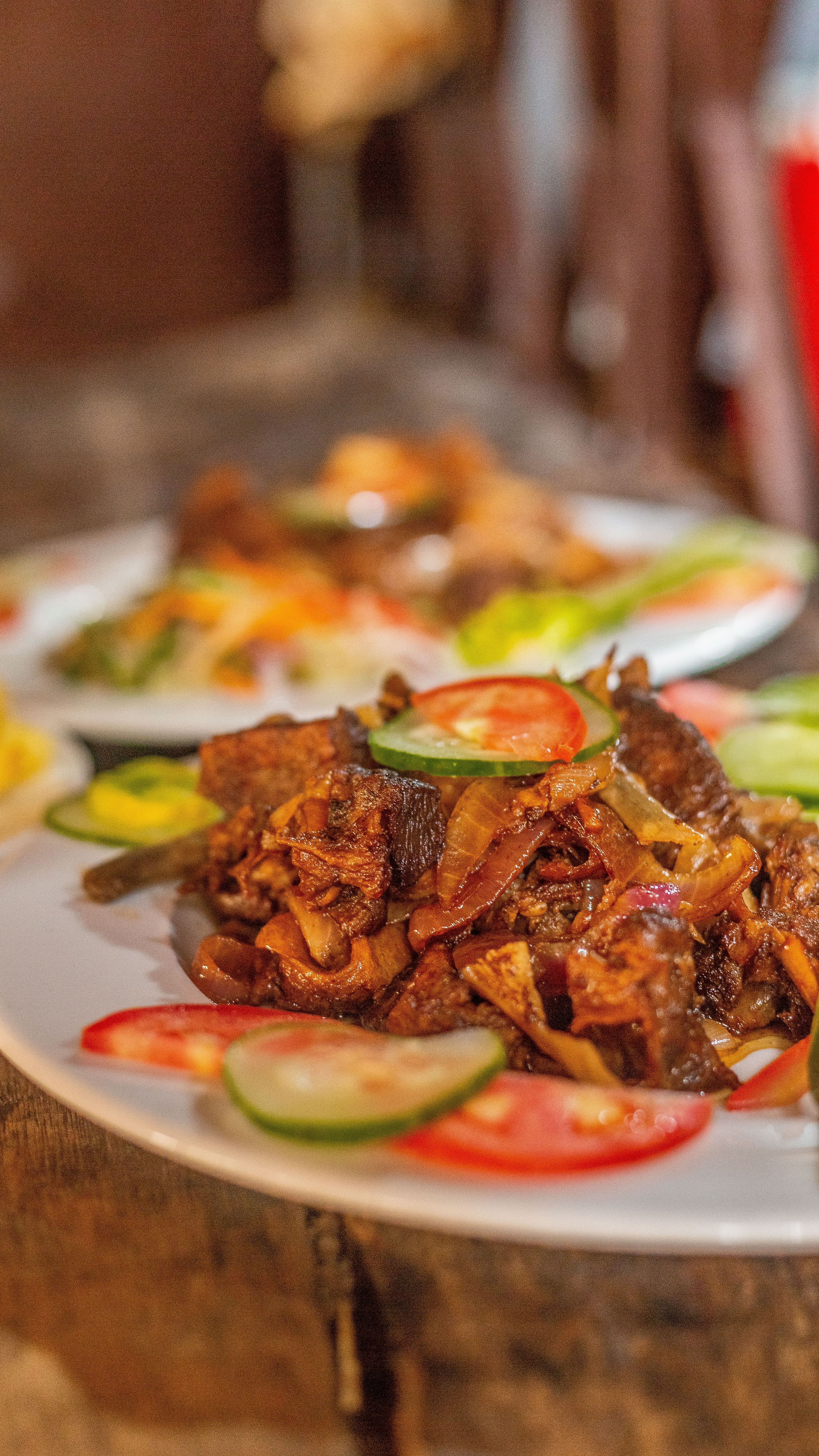
Choila is a grilled/charred buffalo meat dish dressed with mustard oil and spices — an excellent keto food. Buffalo meat is a lean-to-moderate protein source with negligible carbs. Mustard oil adds healthy fat. The spices (garlic, ginger, turmeric, cumin, dried chiles) and lemon juice contribute minimal net carbs in the small quantities used for seasoning. Cilantro adds trace carbs only. There are no grains, starches, sugars, or high-carb ingredients. The dish is whole, minimally processed, and aligns well with ketogenic macros, especially as a protein-and-fat-forward snack.
Choila is a traditional Newari dish made from grilled buffalo meat, which is a direct animal product. Buffalo meat is unambiguously non-vegan, making this dish entirely incompatible with a vegan diet regardless of the plant-based spices and condiments used. All other ingredients — mustard oil, garlic, ginger, dried red chiles, turmeric, cumin, cilantro, and lemon — are plant-based, but the primary ingredient disqualifies the dish entirely.
Choila is a grilled/charred buffalo meat dish with paleo-friendly spices (garlic, ginger, dried red chiles, turmeric, cumin, cilantro, lemon). Buffalo meat itself is an excellent paleo protein — lean, unprocessed, and historically consumed by hunter-gatherers. The spices and lemon are all fully paleo-approved. The single disqualifying ingredient is mustard oil, which is a seed oil and therefore excluded under strict paleo guidelines. Paleo protocols favor animal fats, olive oil, coconut oil, avocado oil, and a few nut oils, while seed oils (including mustard oil, derived from mustard seeds) are discouraged due to their high omega-6 content and industrial processing methods. If the mustard oil were substituted with ghee, avocado oil, or olive oil, this dish would score in the approve range. As-is, the seed oil pushes it into caution territory rather than a full avoid, because it is a single ingredient in an otherwise clean, whole-food preparation.
Some ancestral health advocates, particularly those following the Primal Blueprint (Mark Sisson) or traditional-foods-oriented paleo, argue that cold-pressed or expeller-pressed mustard oil — used in small quantities as a flavoring agent in traditional cuisines — is far less harmful than refined industrial seed oils and may be tolerated in moderation. Cold-pressed mustard oil has a long history of use in South Asian cultures and contains erucic acid alongside omega-3s, making its paleo status less clear-cut than, say, refined canola or soybean oil.
Choila is a Nepali spiced meat dish whose primary protein is buffalo (red meat), which the Mediterranean diet limits to only a few times per month. The dish uses mustard oil rather than extra virgin olive oil as its fat source, which is not a Mediterranean staple. While many of the spices and aromatics (garlic, ginger, cumin, turmeric, cilantro, lemon) are wholesome and compatible with Mediterranean principles, they cannot offset the core issues: red meat as the dominant ingredient and a non-olive oil fat base. The absence of vegetables, legumes, or grains means this snack contributes little to the plant-forward emphasis of the diet.
Some broader Mediterranean diet interpretations acknowledge that occasional red meat (especially lean cuts) consumed in small portions alongside abundant vegetables is acceptable a few times per month. In that framing, a small serving of Choila eaten infrequently could fall under 'strict moderation' rather than outright avoidance, particularly since the spice profile and lemon provide anti-inflammatory benefits.
Choila is a Nepali spiced meat dish that, while centered on buffalo (ruminant) meat, is heavily laden with plant-based ingredients that disqualify it from the carnivore diet. Mustard oil is a plant-derived oil, garlic and ginger are plant roots, dried red chiles and cumin are plant spices, turmeric is a plant-derived compound (and a notable inflammatory concern in strict carnivore), cilantro is an herb, and lemon juice is fruit-derived. The buffalo meat itself would be an excellent carnivore food, but the dish as prepared is essentially a spiced, marinated preparation where the majority of ingredients are excluded plant foods. Even the most lenient carnivore practitioners who tolerate some spices would draw the line at mustard oil and lemon juice. This dish cannot be adapted to carnivore without stripping it down to virtually nothing but the meat itself.
Choila is a traditional Nepali grilled/smoked meat dish made with buffalo meat and whole food spices. Every ingredient listed is fully compliant with Whole30 rules: buffalo meat is an approved protein, mustard oil is a natural fat, garlic and ginger are fresh aromatics, dried red chiles and turmeric and cumin are compliant spices, cilantro is an approved herb, and lemon provides natural acidity. There are no grains, legumes, dairy, added sugars, alcohol, or any other excluded ingredients. This is a straightforward whole-food preparation.
Choila contains garlic as a primary ingredient, which is one of the highest-FODMAP foods tested by Monash University due to its very high fructan content. Even small amounts of garlic cloves are high-FODMAP and must be avoided during the elimination phase. The remaining ingredients are generally low-FODMAP: buffalo meat (protein, no FODMAPs), mustard oil (fat, no FODMAPs), ginger (low-FODMAP at standard culinary amounts), dried red chiles (low-FODMAP at small serving), turmeric (low-FODMAP), cumin (low-FODMAP at culinary doses), cilantro (low-FODMAP), and lemon juice (low-FODMAP). However, the presence of garlic — a staple flavoring in this dish that cannot be separated out — makes the entire dish high-FODMAP and unsuitable during the elimination phase. Garlic-infused oil would be an acceptable substitute since FODMAPs are water-soluble and do not transfer into oil, but traditional Choila uses whole garlic, making this dish a clear avoid.
Choila is a Newari spiced meat dish made from buffalo meat (a red meat category under DASH guidelines) with mustard oil and aromatic spices. Buffalo meat is leaner than beef and lower in saturated fat than most red meats, which gives it a modest advantage. However, DASH guidelines explicitly limit red meat consumption, recommending no more than 6 oz per day with a preference for lean poultry and fish. The spice blend (garlic, ginger, turmeric, cumin, cilantro, lemon) is entirely DASH-friendly — anti-inflammatory, low in sodium, and nutritionally positive. Mustard oil is a gray area: it is rich in monounsaturated and omega-3 fatty acids, which are cardiovascular-positive, but it is not a standard DASH-recommended oil (olive, canola, and other vegetable oils are preferred). The dish lacks added sodium sources like soy sauce or salt-heavy condiments, which is favorable, though preparation may include salt. Overall, this dish falls into cautious moderation territory — the lean red meat and non-standard oil keep it from being a core DASH food, but the spice profile and relatively lean protein source prevent it from being classified as 'avoid.'
NIH DASH guidelines categorize all red meat as a limited food, recommending lean cuts sparingly. However, updated clinical interpretations note that buffalo/bison is significantly leaner than conventional beef (comparable to skinless chicken in fat content), and some DASH-oriented nutritionists consider very lean game/buffalo meats more acceptable than conventional red meat, especially in small portions. Additionally, mustard oil's high MUFA and ALA content aligns with cardiovascular-protective dietary patterns, though the AHA and standard DASH protocols have not formally endorsed it.
Choila is a spiced grilled buffalo meat dish from Newari cuisine in Nepal. From a Zone perspective, the protein source (buffalo meat) is lean red meat — lower in fat than beef and comparable to bison, making it a reasonably acceptable protein block, though not as lean as skinless chicken or fish. The spice blend (garlic, ginger, dried red chiles, turmeric, cumin, cilantro, lemon) is actually excellent from a Zone and anti-inflammatory standpoint — turmeric and ginger are polyphenol-rich and specifically favored in Sears' later anti-inflammatory writings. The primary concern is mustard oil, which is high in erucic acid and omega-6 fatty acids, making it a less favorable fat choice compared to Zone-preferred monounsaturated fats like olive oil or avocado. As a snack, Choila lacks carbohydrate blocks entirely — it is essentially a protein-and-fat only dish — which means it cannot stand alone as a Zone-balanced meal or snack without adding low-glycemic carbohydrates (e.g., vegetables or fruit on the side) to approach the 40/30/30 ratio. The dish is usable in a Zone context with careful portioning of the meat (to hit ~1 protein block, ~7g protein per block) and paired with appropriate carb sources, but the mustard oil and the absence of carbs in the dish itself require attention.
Some Zone practitioners and Sears' later work (The Anti-Inflammation Zone) place greater emphasis on omega-3s and polyphenols over rigid fat-type exclusions. Buffalo/bison meat is notably leaner than beef and has a better omega-6 to omega-3 ratio than conventional beef, which could elevate this dish's standing. Additionally, mustard oil, while omega-6 heavy, is used in small quantities as a flavoring/cooking medium in Choila, potentially limiting its impact. A practitioner focused on Sears' anti-inflammatory framework might score this higher due to the rich polyphenol content from turmeric, ginger, garlic, and chiles.
Choila is a grilled/charred buffalo meat dish seasoned with a potent anti-inflammatory spice blend. The spice profile is genuinely impressive — turmeric (curcumin), garlic, ginger, dried red chiles, cumin, and cilantro are all well-supported anti-inflammatory ingredients, and lemon juice adds antioxidant vitamin C and aids absorption of curcumin. These elements push the dish in a favorable direction. However, the primary protein — buffalo (water buffalo) meat — is classified as red meat, which the anti-inflammatory framework consistently recommends limiting due to saturated fat content and associations with elevated inflammatory markers like CRP and IL-6 with frequent consumption. Buffalo is notably leaner than beef, which is a meaningful advantage, but it remains red meat. The other significant concern is mustard oil: cold-pressed mustard oil contains erucic acid and has a distinct fatty acid profile with some omega-3 content (ALA), and it is used traditionally in South Asian cooking. However, its high erucic acid content raises concerns in some Western nutritional frameworks, and its omega-6 to omega-3 ratio is debated. Some anti-inflammatory protocols view cold-pressed mustard oil more favorably than refined seed oils due to its ALA content and traditional use, while others flag it. Overall, the dish scores as 'caution' — the anti-inflammatory spice base is excellent, but the red meat base and mustard oil prevent an approval rating for regular consumption.
Some anti-inflammatory practitioners distinguish cold-pressed mustard oil favorably from refined seed oils, noting its ALA (omega-3) content and polyphenol compounds — Dr. Weil's framework and traditional South Asian dietary medicine (Ayurveda) are more permissive of mustard oil than Western mainstream guidelines. Additionally, buffalo meat is significantly leaner than conventional beef, and some researchers argue lean red meat in moderation does not meaningfully elevate inflammatory markers in an otherwise plant-rich diet.
Choila is a traditional Nepali grilled buffalo meat dish that presents multiple concerns for GLP-1 patients. Buffalo meat is a lean red meat relative to beef, which is a partial point in its favor for protein content, but the preparation involves significant amounts of mustard oil — a high-fat cooking medium used generously in this dish. The dried red chiles are a meaningful GI irritant risk: GLP-1 medications slow gastric emptying, meaning spicy compounds linger in the stomach longer and can significantly worsen nausea, reflux, and gastric discomfort. The combination of high fat from mustard oil and notable spice load makes this a poor fit for most GLP-1 patients, particularly those in early dose titration when side effects are most pronounced. The dish does offer real protein from buffalo meat and beneficial anti-inflammatory spices like turmeric and ginger in small amounts, but the overall profile — fatty preparation method, aggressive spice level, and red meat category — outweighs these benefits under GLP-1 dietary guidelines.
Some GLP-1-focused dietitians may note that buffalo meat is leaner than most beef cuts and the protein density is meaningful; if portion size is small and the chile and oil quantities are moderated in home preparation, a cautious rating might apply for patients who tolerate spice well. The disagreement centers on individual GI tolerance variability and whether the preparation method or the underlying protein source should drive the rating.
*See how scores were generated at our methodology page.
Nutritional profile
Six traits that cut across every diet.
Fiber & Plants
How much whole-plant food and fiber it delivers.
Healthy Fats
The quality of its fats (unsaturated, omega-3).
Whole / Unprocessed
How close it is to its natural, unprocessed form.
Gut Gentle
How easy it is on digestion (low FODMAP, few irritants).
Low Glycemic
How little it spikes your blood sugar.
Protein Density
How much protein it packs per calorie.
Controversy Index
Higher controversy = more disagreement between diets.
Diet-Specific Tips
 Keto — 9/10
View tips
- Buffalo meat is very low in carbs and a quality protein source
- Mustard oil is a high-fat, keto-friendly cooking medium
- All spices and aromatics (garlic, ginger, chiles, turmeric, cumin) used in small seasoning quantities contribute negligible net carbs
- Lemon juice adds minimal carbs in typical dressing amounts
- No grains, starches, or added sugars present
- Cilantro and lemon together add trace carbs well within daily limits
- Whole, unprocessed ingredients throughout
 Paleo — 5/10
View tips
- Buffalo meat is a clean, lean, unprocessed paleo protein — fully approved
- Mustard oil is a seed oil, excluded under standard paleo guidelines
- All spices (garlic, ginger, dried chiles, turmeric, cumin, cilantro) are paleo-approved
- Lemon juice is paleo-approved
- No grains, legumes, dairy, or refined sugars present
- Cold-pressed mustard oil is debated — some traditional/primal approaches may allow it in small amounts
- Substituting mustard oil with ghee or avocado oil would make this fully paleo-compliant
 Whole30 — 9/10
View tips
- Buffalo meat is a compliant animal protein
- Mustard oil is a natural, Whole30-approved fat
- All spices (turmeric, cumin, dried red chiles) are compliant
- Garlic, ginger, cilantro, and lemon are whole food aromatics/acids
- No excluded ingredients present
- Dish is a savory meat preparation, not a recreation of a banned food category
 DASH — 4/10
View tips
- Buffalo meat is red meat — DASH limits red meat consumption overall
- Buffalo is leaner than conventional beef, with lower saturated fat content
- Mustard oil is not a standard DASH-recommended oil but has a favorable fatty acid profile (high MUFA and omega-3 ALA)
- Spice blend (garlic, ginger, turmeric, cumin, lemon, cilantro) is DASH-positive and contains no added sodium
- No high-sodium ingredients (soy sauce, processed condiments) present
- Portion size is critical — small snack portions are more DASH-compatible than large servings
- Preparation method (typically grilled or charred then marinated) avoids heavy frying
 Zone — 5/10
View tips
- Buffalo meat is lean red meat — acceptable Zone protein but not ideal compared to poultry or fish
- Mustard oil is omega-6 dominant and not a Zone-preferred fat (olive oil or avocado would be better)
- Spices (turmeric, ginger, garlic, chiles) are anti-inflammatory and polyphenol-rich — a Zone positive
- Dish contains no carbohydrate blocks — must be paired with low-glycemic vegetables or fruit to achieve 40/30/30
- As a standalone snack, the macro ratio is heavily skewed toward protein and fat with zero carbs
- Lemon juice adds minimal carbs and beneficial polyphenols — a minor Zone positive
 Anti-Inflammatory — 4/10
View tips
- Red meat (buffalo) — anti-inflammatory guidelines recommend limiting, though buffalo is leaner than conventional beef
- Turmeric — high-confidence anti-inflammatory spice (curcumin)
- Garlic and ginger — well-established anti-inflammatory properties
- Dried red chiles — capsaicin has anti-inflammatory and antioxidant effects
- Cumin and cilantro — antioxidant, anti-inflammatory supporting spices
- Mustard oil — debated; cold-pressed has ALA but erucic acid content raises concerns in Western frameworks
- Lemon juice — antioxidant, enhances curcumin bioavailability
- No refined carbohydrates, added sugars, or processed additives — favorable