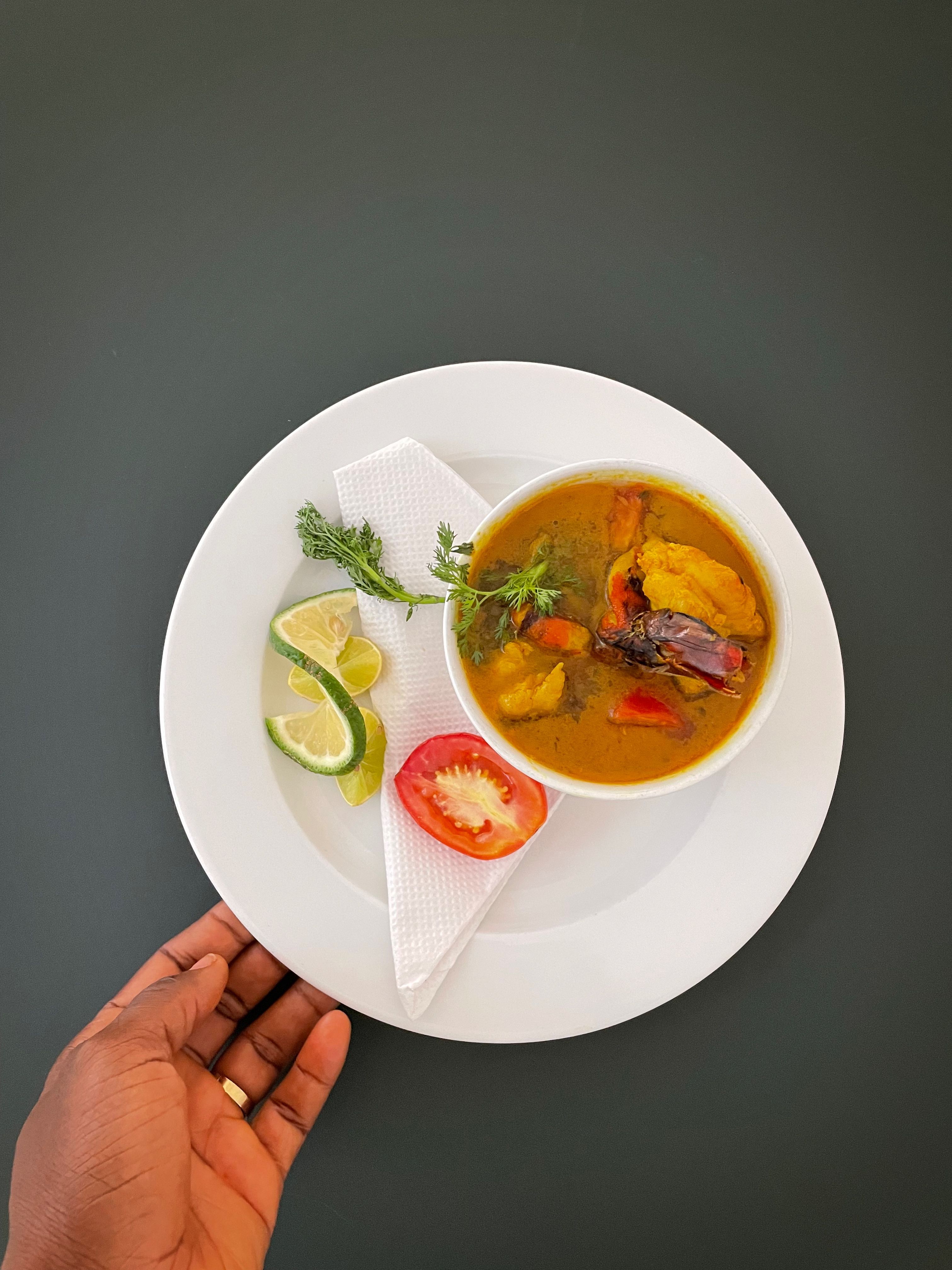
Photo: A.V. Phina / Pexels
Nigerian
Fisherman Soup
The diets react (see scores below)
Common Ingredients
- fresh fish
- prawns
- periwinkles
- crayfish
- scent leaf
- scotch bonnet peppers
- onion
- pepper soup spice
Specific recipes may vary.
Incompatible with 3 of 11 diets
Diet Ratings
Nigerian Fisherman Soup is an excellent keto-friendly dish. The base is protein-rich seafood (fish, prawns, periwinkles) with no grains, starchy thickeners, or added sugars. The broth is seasoned with whole-food aromatics — scent leaf, scotch bonnet peppers, onion, crayfish, and pepper soup spice — all of which contribute minimal net carbs in typical cooking quantities. Onion and scotch bonnet add a small carb load, but spread across a full pot, per-serving net carbs remain well within keto limits. Crayfish (dried ground shrimp) is virtually zero-carb and adds umami depth. The soup is naturally low in carbs, moderate-to-high in protein, and contains no incompatible ingredients in its traditional form.
Some strict keto practitioners flag periwinkles and shellfish broadly due to slightly higher glycogen content compared to finfish, and may caution against consuming them in large quantities. A minority also flag pepper soup spice blends if commercially pre-mixed, as some contain fillers or trace sugars that could accumulate.
Nigerian Fisherman Soup contains multiple animal products that are strictly excluded from a vegan diet. Fresh fish, prawns, periwinkles, and crayfish are all seafood/animal-derived ingredients. There is no ambiguity here — this dish is built entirely around animal proteins from aquatic sources. The plant-based components (scent leaf, scotch bonnet peppers, onion, pepper soup spice) are compliant, but they are minor supporting ingredients in a dish whose identity and primary nutrition come from animal products.
Nigerian Fisherman Soup is an excellent paleo match. The dish is built entirely on wild-caught seafood (fresh fish, prawns, periwinkles) and shellfish by-products (crayfish/ground dried shrimp), which are quintessential paleo proteins. Scent leaf (Ocimum gratissimum), scotch bonnet peppers, and onions are all whole vegetables and herbs with no paleo objection. The main uncertainty lies in 'pepper soup spice,' a traditional West African spice blend that typically contains ingredients like calabash nutmeg (ehuru), grains of selim (uda), uziza seeds, and similar seeds and bark — all of which are natural, unprocessed plant materials consistent with a hunter-gatherer diet. However, commercially packaged spice blends may contain added salt, MSG, or anti-caking agents, which would push this into caution territory. Assuming home-blended or clean spice mixes with no additives, the entire dish is whole-food and grain-, legume-, and dairy-free.
The main paleo caveat is commercially prepared pepper soup spice blends, which frequently include added salt and sometimes MSG or fillers — strict paleo adherents following Loren Cordain's guidelines would flag any added salt or undisclosed additives. If the spice blend is clean and homemade, this objection falls away.
Nigerian Fisherman Soup aligns remarkably well with Mediterranean diet principles. The dish is built around multiple seafood sources (fresh fish, prawns, periwinkles, crayfish), which mirror the Mediterranean emphasis on fish and seafood as the primary animal protein. All vegetables and aromatics (scent leaf, scotch bonnet peppers, onion) are whole, plant-based ingredients. There are no refined grains, added sugars, or red meat. The main caveat is the absence of olive oil as the cooking fat — Nigerian soups typically use palm oil, which is high in saturated fat and not part of the Mediterranean tradition. If prepared without palm oil or with a modest amount, this dish would be nearly exemplary.
Some Mediterranean diet adaptations would flag palm oil (commonly used in Nigerian Fisherman Soup though not listed here) as incompatible, since extra virgin olive oil is the canonical fat. However, the listed ingredients as stated contain no added fat, making the profile clean. Traditional Mediterranean coastal communities similarly built soups around whatever seafood was locally available with aromatics, suggesting functional equivalence even across culinary traditions.
Nigerian Fisherman Soup contains several animal-derived ingredients that would otherwise be acceptable on carnivore (fresh fish, prawns, periwinkles, crayfish), but it is disqualified by multiple plant-based ingredients: scent leaf (a herb), scotch bonnet peppers, onion, and pepper soup spice blend — all of which are plant foods explicitly excluded from the carnivore diet. The dish cannot be selectively modified while retaining its identity; the plant ingredients are structural to the recipe, not optional garnishes. No version of carnivore permits vegetables, herbs, aromatics, or plant-based spice blends.
Nigerian Fisherman Soup is built entirely from Whole30-compliant ingredients. Fresh fish, prawns, and periwinkles are all seafood explicitly allowed on the program. Crayfish (dried/ground fermented shrimp) is a natural animal protein used as a seasoning and is compliant. Scent leaf (Ocimum gratissimum), scotch bonnet peppers, and onion are all vegetables/herbs fully permitted. Pepper soup spice is a blend of whole dried spices (typically uziza seeds, calabash nutmeg, coriander, etc.) with no excluded additives. There are no grains, legumes, dairy, added sugars, or other excluded ingredients present. This is a whole-food, broth-based soup that aligns perfectly with the spirit of the Whole30 program.
Nigerian Fisherman Soup contains onion as a primary ingredient, which is high in fructans and a significant FODMAP trigger — this alone warrants an 'avoid' rating during the elimination phase. The protein components (fresh fish, prawns, periwinkles, crayfish) are all naturally low-FODMAP and well tolerated. Scotch bonnet peppers are low-FODMAP at normal serving sizes. Scent leaf (Ocimum gratissimum) has limited Monash testing but is typically used in small quantities as an herb and is likely low-FODMAP. The critical concern is pepper soup spice — a proprietary Nigerian spice blend that commonly contains ingredients like uziza seeds, ehuru, uda (grains of selim), and sometimes garlic or onion powder. The presence of onion in the recipe and the likely inclusion of onion and/or garlic in the spice blend makes this dish high-FODMAP at a standard serving. Without modification (removing onion, verifying the spice blend is free of garlic/onion), this dish should be avoided during the elimination phase.
If the dish were prepared without onion and with a verified FODMAP-safe spice blend (no garlic or onion), the remaining ingredients — fish, prawns, periwinkles, crayfish, peppers, and scent leaf — could be low-FODMAP. Some FODMAP practitioners suggest using the green tops of spring onions instead of onion and garlic-infused oil to replicate flavour, which would make the dish potentially approvable. The pepper soup spice blend lacks Monash testing for its regional Nigerian ingredients, introducing additional uncertainty.
Nigerian Fisherman Soup aligns well with several core DASH principles: it features lean protein sources (fresh fish, prawns, periwinkles) that are low in saturated fat and rich in omega-3 fatty acids, along with vegetables and herbs (scent leaf, onion, scotch bonnet peppers) that provide potassium, fiber, and antioxidants. Crayfish and pepper soup spice, however, are the primary concerns — dried/ground crayfish is a concentrated ingredient that can contribute significant sodium, and commercial pepper soup spice blends often contain added salt. The sodium burden from these two ingredients, particularly when used in traditional quantities, may push the dish toward the upper limits of DASH sodium targets. Without explicit sodium control in preparation, this dish sits in the caution zone. When made with minimal or no added salt, reduced crayfish quantity, and sodium-checked spice blends, it could approach an 'approve' rating.
NIH DASH guidelines emphasize lean fish and seafood as ideal protein sources and do not specifically address traditional African dishes; the core ingredients (fish, prawns, vegetables, herbs) are unambiguously DASH-friendly. Some DASH-oriented clinicians would argue the dish warrants approval if prepared mindfully, noting that the sodium from crayfish and spices is modest compared to processed Western foods, and the overall nutritional profile — rich in protein, omega-3s, potassium, and low in saturated fat — strongly reflects DASH values.
Nigerian Fisherman Soup is an excellent Zone Diet candidate. The dish is built around multiple lean seafood proteins — fresh fish, prawns, periwinkles, and crayfish — all of which are ideal Zone protein sources: low in saturated fat, rich in omega-3 fatty acids, and easy to portion into blocks (roughly 7g protein per block). The carbohydrate load is inherently low-glycemic: scent leaf, scotch bonnet peppers, and onion are all non-starchy, colorful vegetables that contribute polyphenols and fiber without spiking blood sugar. The pepper soup spice blend (typically a mix of uziza seeds, ehuru, uda, etc.) adds anti-inflammatory phytochemicals consistent with Sears' emphasis on polyphenol-rich eating. There is no added starch, sugar, white rice, or high-glycemic filler in the base recipe. The main consideration is fat: this soup is naturally very low in fat, so a Zone-balanced serving would benefit from a small addition of a monounsaturated fat source (e.g., a few slices of avocado on the side, or a drizzle of olive oil) to hit the 30% fat target. The omega-3 content from the seafood partially addresses the fat block requirement. Overall, this soup aligns remarkably well with Zone principles — lean protein, low-GI vegetables, anti-inflammatory spices, and no problematic carbohydrates.
Nigerian Fisherman Soup is an exceptionally anti-inflammatory dish by composition. The protein base — fresh fish, prawns, periwinkles, and crayfish — delivers a strong omega-3 fatty acid profile (especially from fish) along with lean protein, zinc, and selenium, all of which support the resolution of inflammation. Crayfish, a fermented dried shrimp condiment common in West African cooking, adds concentrated umami and trace minerals without significant pro-inflammatory compounds. Scent leaf (Ocimum gratissimum), closely related to basil, is rich in eugenol and other polyphenols with demonstrated anti-inflammatory and antimicrobial properties in research literature — directly paralleling the benefits of basil on Dr. Weil's anti-inflammatory pyramid. Scotch bonnet peppers are among the most capsaicin-dense peppers available, and capsaicin robustly inhibits NF-κB and reduces inflammatory cytokines. Onion provides quercetin, a well-studied anti-inflammatory flavonoid. Pepper soup spice blends typically contain a combination of African spices including calabash nutmeg (Monodora myristica), African pepper (Uziza/Piper guineense), and uda/grains of selim — many of which contain volatile oils and polyphenols with anti-inflammatory properties supported by ethnopharmacological research. The dish contains no refined carbohydrates, added sugars, seed oils, trans fats, or processed additives. It is predominantly broth-based, keeping caloric density low. The only minor consideration is sodium, which can be elevated in traditional preparations using dried seafood seasonings, but this does not materially affect the inflammatory profile. Overall, this is a nutrient-dense, whole-food, spice-forward seafood soup that aligns strongly with anti-inflammatory dietary principles.
Nigerian Fisherman Soup is a protein-rich, low-carb broth-based dish built around fresh fish, prawns, and periwinkles — all lean, high-quality protein sources that align well with GLP-1 dietary priorities. The broth base means it is easy to digest, hydrating, and low in fat, which is ideal for patients experiencing slowed gastric emptying. Crayfish adds umami and additional protein. Scent leaf and onion contribute micronutrients with minimal caloric load. The primary concern is the scotch bonnet pepper, which is among the hottest chili peppers commonly used in cooking and poses a meaningful risk of worsening GLP-1-related GI side effects including nausea, acid reflux, and stomach cramping — particularly at the quantities typical in this dish. Pepper soup spice blends vary but often include additional pungent spices that compound this risk. Fiber content is low, as there are no vegetables, legumes, or whole grains present. The dish scores well on protein density, low fat, easy digestibility (broth-based), and hydration support, but the high spice level is a genuine clinical concern rather than a minor caveat for GLP-1 patients.
Some GLP-1-focused dietitians would approve this dish outright, noting that individual spice tolerance varies considerably and that patients who regularly consume scotch bonnet pepper may experience little to no GI aggravation; they would emphasize the excellent lean protein and broth base as the dominant nutritional story. Others would rate it more cautiously or recommend it only if prepared with significantly reduced pepper quantity, citing clinical observations that GLP-1 patients frequently develop new or heightened sensitivity to spicy foods even when they previously tolerated them well.
*See how scores were generated at our methodology page.
Nutritional profile
Six traits that cut across every diet.
Fiber & Plants
How much whole-plant food and fiber it delivers.
Healthy Fats
The quality of its fats (unsaturated, omega-3).
Whole / Unprocessed
How close it is to its natural, unprocessed form.
Gut Gentle
How easy it is on digestion (low FODMAP, few irritants).
Low Glycemic
How little it spikes your blood sugar.
Protein Density
How much protein it packs per calorie.
Controversy Index
Higher controversy = more disagreement between diets.
Diet-Specific Tips
 Keto — 8/10
View tips
- Primary ingredients (fish, prawns, periwinkles) are high-protein, very low net-carb seafood
- No grains, starchy vegetables, or added sugars in traditional preparation
- Crayfish is zero-carb and keto-friendly
- Scent leaf and scotch bonnet contribute negligible net carbs at typical serving amounts
- Onion adds minor carbs but is diluted across the full pot — portion-dependent
- Pepper soup spice is generally low-carb; verify no fillers in commercial blends
- Broth-based preparation with no thickening agents keeps net carbs minimal
 Paleo — 9/10
View tips
- Fresh fish and prawns are ideal paleo proteins — wild seafood is universally approved
- Periwinkles are a natural shellfish, fully paleo-compliant
- Crayfish (ground dried shrimp) is a traditional, minimally processed seasoning with no paleo objection
- Scent leaf, scotch bonnet, and onion are all whole-food vegetables/herbs — fully approved
- Pepper soup spice blend is the key variable: homemade blends of natural seeds and bark are paleo-safe, but commercial versions may contain added salt or MSG
- No grains, legumes, dairy, refined sugar, or seed oils present
 Mediterranean — 8/10
View tips
- Multiple seafood proteins (fish, prawns, periwinkles, crayfish) strongly align with Mediterranean fish emphasis
- All listed ingredients are whole, unprocessed foods
- No red meat, refined grains, or added sugars
- Scent leaf and peppers provide phytonutrients similar to Mediterranean herb-forward cooking
- No olive oil listed — typical preparation may use palm oil, which diverges from Mediterranean fat guidelines
- Pepper soup spice blend is a whole-food spice mix with no processed additives
 Whole30 — 9/10
View tips
- Fresh fish, prawns, and periwinkles are all explicitly allowed seafood on Whole30
- Crayfish (ground dried shrimp) is a compliant natural seafood seasoning
- Scent leaf, scotch bonnet peppers, and onion are all compliant vegetables/herbs
- Pepper soup spice is a whole-spice blend — verify no added sugar, MSG (now allowed anyway), or anti-caking agents that could be problematic
- No grains, legumes, dairy, or added sugars present
- Whole-food, broth-based preparation fully honors the spirit of Whole30
 DASH — 6/10
View tips
- Fresh fish and prawns are excellent lean protein sources endorsed by DASH guidelines
- Periwinkles provide lean protein and minerals with low saturated fat
- Scent leaf, scotch bonnet, and onion contribute potassium, fiber, and antioxidants — all DASH-positive
- Crayfish (dried/ground) can be a significant source of sodium depending on quantity used
- Pepper soup spice blends frequently contain added salt — sodium content varies widely by brand/preparation
- No saturated fat concerns — no tropical oils, full-fat dairy, or red meat present
- Dish can be made highly DASH-compatible by controlling crayfish quantity and using low-sodium or homemade spice blends
 Zone — 8/10
View tips
- Multiple lean seafood proteins (fish, prawns, periwinkles, crayfish) are ideal Zone protein blocks rich in omega-3s
- All vegetables (scent leaf, scotch bonnet, onion) are low-glycemic and polyphenol-rich — favorable Zone carbohydrates
- No starchy carbohydrates, added sugar, or high-glycemic ingredients in the base recipe
- Pepper soup spices contain anti-inflammatory compounds consistent with Sears' later anti-inflammatory Zone writings
- Naturally low in fat — a Zone serving should be paired with a monounsaturated fat source (avocado, olive oil) to balance the 30% fat target
- Very low carbohydrate density means this soup alone may need to be served with a small low-GI carb side to achieve the 40% carb target in a full Zone meal
 Anti-Inflammatory — 8/10
View tips
- Fresh fish and prawns provide omega-3 fatty acids and lean protein
- Scotch bonnet peppers are high in capsaicin, a potent NF-κB inhibitor
- Scent leaf (Ocimum gratissimum) contributes eugenol and anti-inflammatory polyphenols
- Onion provides quercetin, a well-researched anti-inflammatory flavonoid
- Pepper soup spice blend contains traditional African spices rich in bioactive compounds
- No refined carbohydrates, added sugars, seed oils, or processed additives
- Broth-based preparation keeps the dish light and whole-food focused
- Periwinkles and crayfish add mineral density (zinc, selenium) that supports immune regulation
 GLP-1 Friendly — 6/10
View tips
- High-quality lean protein from fish, prawns, and periwinkles — strongly aligned with GLP-1 protein priority
- Broth-based preparation supports hydration and easy digestibility
- Low fat content — no heavy oils or fatty cuts present
- Scotch bonnet pepper is a high-heat chili that poses real risk of worsening nausea, reflux, and GI discomfort on GLP-1 medications
- Pepper soup spice blend may compound GI irritation risk
- Low fiber — no vegetables, legumes, or whole grains to support the 25-30g daily fiber target
- Nutrient-dense per calorie with minimal empty calorie ingredients
- Portion-friendly as a broth-based soup — works well in small servings