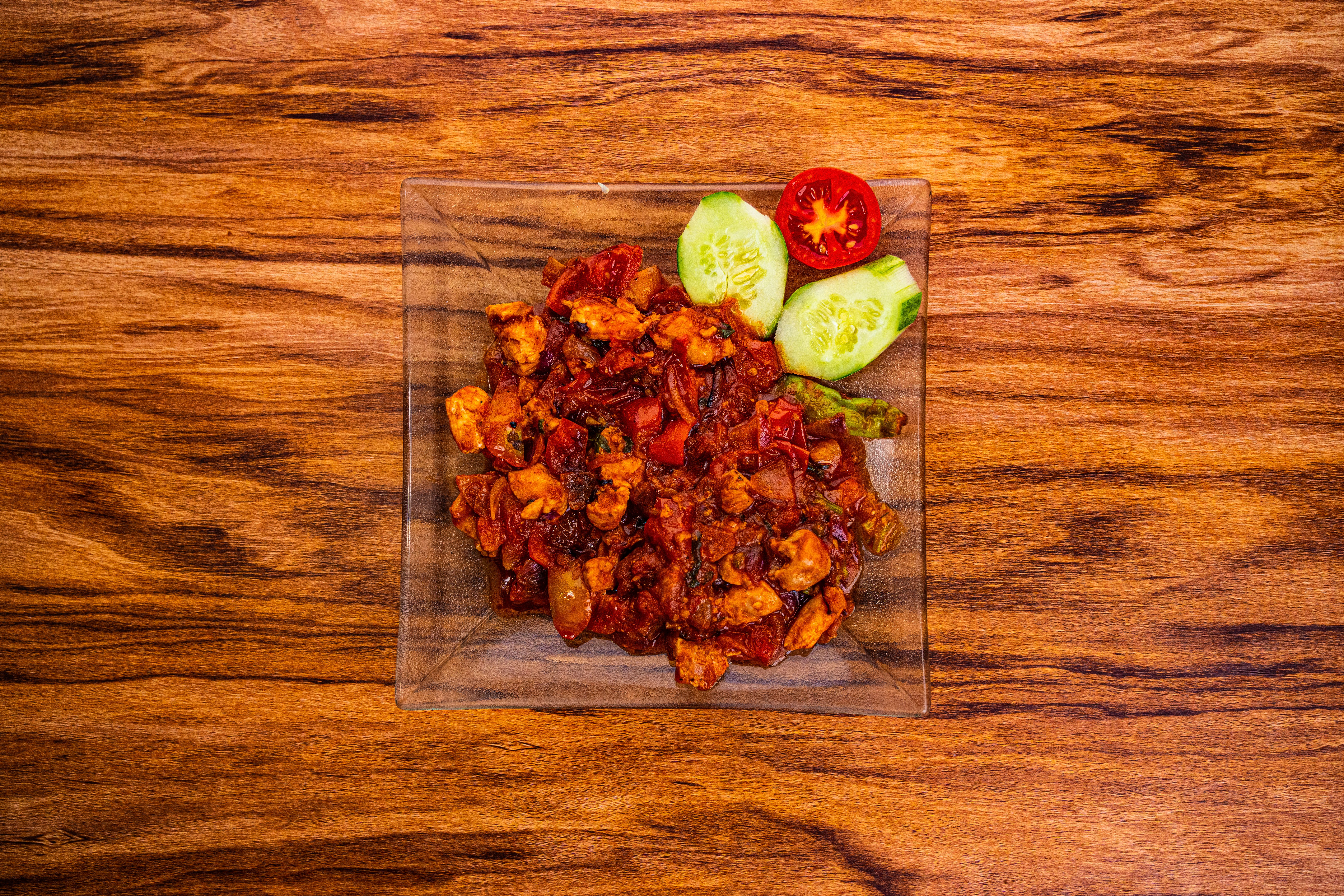
Photo: Garley Gibson / Pexels
The diets react (see scores below)
Common Ingredients
- chicken gizzards
- ripe plantains
- red bell peppers
- scotch bonnet peppers
- onion
- tomatoes
- vegetable oil
- curry powder
Specific recipes may vary.
Incompatible with 5 of 11 diets
Diet Ratings
Gizdodo is fundamentally incompatible with ketogenic eating due to the ripe plantains, which are the dish's defining ingredient alongside gizzards. Ripe plantains are extremely high in net carbs — a single medium ripe plantain contains approximately 50-55g of net carbs, far exceeding the entire daily keto carb allowance in one ingredient alone. The gizzards themselves are keto-friendly (high protein, low fat, zero carbs), and the peppers, onions, and tomatoes add modest additional carbs, but these are secondary concerns. The plantains alone make this dish a clear avoid. There is no reasonable portion size that would allow ripe plantain consumption within ketogenic limits.
Gizdodo contains chicken gizzards as a primary ingredient, which are animal organ meat and explicitly excluded under vegan dietary rules. There is no ambiguity here — poultry offal is a clear animal product. The remaining ingredients (plantains, bell peppers, scotch bonnet, onion, tomatoes, vegetable oil, curry powder) are all plant-based, but the dish cannot be considered vegan in any form due to the gizzards.
Gizdodo is a flavorful Nigerian dish, but it fails paleo compliance due to one clear disqualifier: vegetable oil. The paleo framework explicitly excludes seed and vegetable oils due to their high omega-6 polyunsaturated fat content and industrial processing — oils like canola, soybean, corn, sunflower, and generic 'vegetable oil' are all on the avoid list. The remaining ingredients are largely paleo-friendly: chicken gizzards are an excellent whole-animal protein source, ripe plantains are a paleo-accepted starchy fruit, and the aromatics (red bell peppers, scotch bonnet, onion, tomatoes) are all unprocessed vegetables. Curry powder is a natural spice blend and generally accepted. However, the vegetable oil is a non-negotiable exclusion in paleo, making the dish as prepared non-compliant. A simple swap to coconut oil, avocado oil, or palm oil would make this dish nearly fully paleo-approved.
Gizdodo combines chicken gizzards (poultry offal) with ripe plantains, peppers, onions, and tomatoes — a mixed profile from a Mediterranean diet standpoint. The vegetables (bell peppers, scotch bonnet, onion, tomatoes) are strongly aligned with Mediterranean principles and add valuable nutrients and antioxidants. Ripe plantains are a whole starchy fruit with fiber, fitting the plant-forward emphasis, though slightly higher in sugars than non-starchy vegetables. Chicken gizzards are lean poultry offal — low in fat, high in protein — which falls into the 'moderate' poultry category. The main concern is vegetable oil (unspecified type, likely not extra virgin olive oil), which deviates from the Mediterranean fat-source principle. If substituted with olive oil, the dish would score higher. Overall, this is an acceptable occasional dish with strong plant components but not a Mediterranean staple.
Some Mediterranean diet interpreters would view ripe plantains cautiously due to their higher glycemic index compared to whole grains, and might flag the use of generic vegetable oil as a meaningful deviation; they would recommend substituting olive oil and pairing with a lower-glycemic starch to better align with clinical Mediterranean diet guidelines.
Gizdodo is fundamentally incompatible with the carnivore diet. While chicken gizzards are an organ meat that would otherwise be approved, the dish is defined by ripe plantains (a starchy fruit), combined with multiple plant-based ingredients: red bell peppers, scotch bonnet peppers, onion, tomatoes, vegetable oil (plant-derived fat), and curry powder (a plant-based spice blend). The plantains alone disqualify this dish as they are a high-carbohydrate plant food. Vegetable oil is explicitly excluded as a plant-derived fat. The pepper, onion, and tomato base and curry powder further compound the violations. There is no version of this dish that could be considered carnivore-compliant without fundamentally reconstructing it into an entirely different recipe. The only salvageable component is the chicken gizzards themselves.
Gizdodo is a Nigerian dish combining chicken gizzards and fried plantains (dodo) in a pepper-tomato sauce. All listed ingredients — chicken gizzards, ripe plantains, red bell peppers, scotch bonnet peppers, onion, tomatoes, vegetable oil, and curry powder — are individually Whole30-compliant. Chicken gizzards are organ meats and fully allowed. Ripe plantains are a fruit and allowed. The vegetables and spices are all compliant. Vegetable oil is technically compliant (though coconut oil or clarified butter would be preferred by many practitioners). Curry powder is a spice blend that is generally compliant, though label-reading is advised to ensure no fillers, anti-caking agents with excluded ingredients, or added sugars are present. The dish is a legitimate traditional Nigerian preparation, not a recreation of a banned food category (no pancakes, bread, etc.), so no spirit-of-the-program concern applies there. The main caution is that the dish is deep- or pan-fried, and vegetable oil quality/type matters — some blends contain soy or canola, which are technically allowed but debated in quality terms.
Some Whole30 practitioners and Melissa Urban's guidance encourage minimizing highly refined vegetable oils (e.g., soybean, corn, canola) in favor of whole-food fats like coconut oil, olive oil, or ghee; while not excluded by official rules, reliance on generic 'vegetable oil' may be seen as inconsistent with the program's emphasis on high-quality, nutrient-dense fats.
Gizdodo contains two significant high-FODMAP ingredients that make it problematic during the elimination phase. Onion is one of the highest-fructan foods tested by Monash University and is high-FODMAP at any culinary amount — even small quantities cooked into a dish can be problematic because fructans leach into the cooking liquid/oil. Ripe plantains are also high-FODMAP at standard serving sizes; Monash rates ripe (yellow) plantain as high-FODMAP due to excess fructose and polyols, whereas unripe plantain is lower-FODMAP at small portions. The remaining ingredients are generally low-FODMAP: chicken gizzards (plain poultry, low-FODMAP), red bell peppers (low-FODMAP), scotch bonnet peppers (low-FODMAP in small amounts), tomatoes (low-FODMAP at standard serving), vegetable oil (low-FODMAP), and curry powder (low-FODMAP in typical culinary amounts). However, the combination of onion and ripe plantain makes this dish a clear avoid during the strict elimination phase without significant ingredient substitutions (e.g., replacing onion with the green tops of spring onions and using unripe plantain in small portions).
Monash University clearly rates onion as high-FODMAP at any amount, but some clinical FODMAP practitioners may suggest that if onion is cooked in oil and the solids removed (like onion-infused oil), fructans may be minimized — however, in Gizdodo the onion solids are typically consumed, making this distinction moot. Ripe plantain FODMAP data is less extensively published than common fruits, so some practitioners may advise caution rather than outright avoidance pending portion testing.
Gizdodo combines chicken gizzards and ripe plantains with a vegetable-rich sauce of bell peppers, scotch bonnet, onions, and tomatoes. Several elements align well with DASH principles: the dish is rich in vegetables and fruits (plantains provide potassium, peppers provide vitamin C and antioxidants), gizzards are a lean organ meat with high protein and relatively low saturated fat, and no added sodium sources like salt are explicitly listed. However, concerns exist: gizzards are moderately high in dietary cholesterol (though DASH does not set a hard cholesterol cap, some clinical interpretations still caution organ meats), vegetable oil adds calories and fat (though unsaturated oil is preferred over tropical oils in DASH), and ripe plantains — while nutritious — are higher in natural sugars and carbohydrates than non-starchy vegetables, requiring portion control. The dish is not explicitly addressed in NIH DASH guidelines, but its components are broadly compatible with DASH in moderate portions. The absence of processed sodium sources (no canned goods, no added salt listed) is a positive factor, though in practice some salt is typically added during cooking.
NIH DASH guidelines do not specifically address organ meats like gizzards, and conservative DASH clinicians may flag them due to their high cholesterol content and ambiguous cardiovascular profile relative to lean poultry breast. However, updated clinical interpretations note that dietary cholesterol has a limited impact on serum LDL for most individuals, and gizzards' low saturated fat profile makes them more acceptable than red or processed meats within a DASH framework.
Gizdodo is a Nigerian dish combining chicken gizzards and fried ripe plantains in a pepper-tomato sauce. From a Zone perspective, the components pull in different directions. Chicken gizzards are a lean, high-protein offal meat — an excellent Zone protein source with minimal fat, easily portioned into blocks. The vegetables (red bell peppers, scotch bonnet, onion, tomatoes) are Zone-favorable low-glycemic carbohydrates rich in polyphenols and anti-inflammatory compounds. However, ripe plantains are the primary concern: they are high-glycemic (GI ~60-70 when ripe/fried), calorie-dense carbohydrates that Sears classifies alongside unfavorable carbs similar to bananas. The dish is typically fried in vegetable oil (likely omega-6-rich seed oil such as sunflower or palm oil), which conflicts with Zone's emphasis on monounsaturated fats and anti-inflammatory omega-3 balance. The macro ratio of the dish as traditionally prepared skews toward high-glycemic carbohydrates and potentially inflammatory fats, making it difficult to hit the 40/30/30 target without significant modification. With careful portioning — reducing plantain quantity, increasing gizzard proportion, and substituting or minimizing the vegetable oil — this dish can be nudged into Zone compliance, placing it firmly in 'caution' territory rather than 'avoid.'
Some Zone practitioners and Sears' later writings (Toxic Fat, The Mediterranean Zone) place greater emphasis on overall anti-inflammatory food quality rather than strict glycemic index categorization. Under this lens, the dish's rich polyphenol content from bell peppers, tomatoes, scotch bonnet, and onions, combined with lean gizzard protein, could be viewed more favorably. Plantains, while higher glycemic than most Zone-approved carbs, still contain fiber and nutrients that moderate their glycemic impact somewhat — especially if slightly less ripe plantains are used. A Zone purist using the favorable/unfavorable framework would rate this lower, while a practitioner following Sears' anti-inflammatory evolution might be more lenient.
Gizdodo is a Nigerian dish combining chicken gizzards with fried ripe plantains in a pepper-tomato sauce. The anti-inflammatory profile is genuinely mixed. On the positive side: the pepper base (red bell peppers, scotch bonnet, tomatoes, onion) is rich in antioxidants including vitamin C, lycopene, capsaicin, and quercetin — all with meaningful anti-inflammatory evidence. Ripe plantains provide fiber, potassium, vitamin B6, and resistant starch that supports gut health. Curry powder typically contains turmeric and other anti-inflammatory spices (cumin, coriander, fenugreek), adding polyphenol value. Chicken gizzards are lean organ meat, low in fat and high in protein, zinc, and B vitamins — they are nutritionally denser than breast meat and don't carry the saturated fat concerns of red meat, placing them in a moderate tier. The primary concern is the vegetable oil. In Nigerian cooking, this typically means refined sunflower, corn, or soybean oil — all high in omega-6 linoleic acid. These oils are flagged in anti-inflammatory protocols for promoting the arachidonic acid cascade when consumed regularly. Additionally, plantains in Gizdodo are usually fried (not steamed or boiled), which increases fat absorption from the oil and creates advanced glycation end products (AGEs) at high heat. If extra virgin olive oil were substituted, this dish would score considerably higher. As prepared traditionally, the dish sits in a clear 'caution' zone: nutritious ingredients with meaningful anti-inflammatory potential, undercut by the frying oil and method.
Mainstream nutrition science (including AHA guidelines and many anti-inflammatory researchers) considers refined vegetable oils acceptable and even heart-favorable due to their unsaturated fat content, which would push this dish closer to 'approve.' However, most dedicated anti-inflammatory protocols — including Dr. Weil's framework and functional medicine approaches — caution against regular use of high-omega-6 refined seed oils due to oxidation at high heat and the potential to tip the omega-6:omega-3 ratio unfavorably, keeping the verdict at 'caution.'
Gizdodo is a Nigerian dish combining chicken gizzards and fried ripe plantains in a pepper-based sauce. It has genuine nutritional strengths for GLP-1 patients but also notable drawbacks. On the positive side, chicken gizzards are a lean, high-protein organ meat — roughly 26g protein per 100g cooked, with relatively low fat — making them a solid GLP-1-friendly protein source. The tomato, bell pepper, and onion base adds fiber, vitamins, and antioxidants with minimal caloric cost. However, the dish has two significant concerns: (1) Ripe plantains are starchy and moderately high in natural sugars, raising glycemic load compared to non-starchy vegetables — they contribute meaningful carbohydrates but limited fiber relative to their calorie count. (2) Traditional preparation involves frying both the plantains and sometimes the gizzards in vegetable oil before combining with the sauce, which substantially increases fat content and can worsen GLP-1 side effects like nausea, bloating, and reflux. Scotch bonnet peppers add significant heat, which may aggravate reflux or nausea in GLP-1 patients who are prone to GI sensitivity. The dish is portion-sensitive: a small serving leans caution-positive, while a larger serving tips toward avoid territory due to cumulative fat and carbohydrate load. Prepared at home with minimal oil and unfried or air-fried plantains, this dish improves meaningfully.
Some GLP-1-focused dietitians would view gizzards favorably as an underutilized lean protein source and accept plantains as a whole-food carbohydrate with some fiber, rating this dish more permissively if oil is minimized. Others flag that the frying step and scotch bonnet heat level are consistent triggers for GLP-1 GI side effects, making individual tolerance the key variable rather than the ingredient profile alone.
*See how scores were generated at our methodology page.
Nutritional profile
Six traits that cut across every diet.
Fiber & Plants
How much whole-plant food and fiber it delivers.
Healthy Fats
The quality of its fats (unsaturated, omega-3).
Whole / Unprocessed
How close it is to its natural, unprocessed form.
Gut Gentle
How easy it is on digestion (low FODMAP, few irritants).
Low Glycemic
How little it spikes your blood sugar.
Protein Density
How much protein it packs per calorie.
Controversy Index
Higher controversy = more disagreement between diets.
Diet-Specific Tips
 Mediterranean — 5/10
View tips
- Chicken gizzards are lean poultry — acceptable in moderation per Mediterranean guidelines
- Abundant vegetables (peppers, onion, tomatoes) strongly support Mediterranean principles
- Ripe plantains are a whole-food plant source but higher in natural sugars
- Vegetable oil (unspecified) deviates from extra virgin olive oil as the preferred fat
- No red meat, no refined grains, no added sugars — avoids major dietary pitfalls
- Spices (curry powder) are not traditional but are compatible with the diet's flavor principles
 Whole30 — 5/10
View tips
- Chicken gizzards are organ meat — fully Whole30 compliant
- Ripe plantains are fruit — fully compliant
- All vegetables and peppers are compliant
- Curry powder is a spice blend — verify no excluded fillers or added sugar on label
- Vegetable oil is technically compliant but quality/type should be verified (avoid soy-based blends if possible)
- Dish is an authentic traditional preparation, not a banned food recreation
 DASH — 5/10
View tips
- Chicken gizzards are lean with low saturated fat but moderate dietary cholesterol — acceptable in DASH with portion control
- Ripe plantains are a good source of potassium and fiber, aligning with DASH nutrient targets, but are calorie-dense and higher in sugar than non-starchy vegetables
- Bell peppers, scotch bonnet, onions, and tomatoes contribute potassium, magnesium, and fiber — strongly DASH-compatible
- No high-sodium processed ingredients listed; sodium content depends on cooking additions (salt added during preparation is the main variable)
- Vegetable oil is preferred over tropical oils (coconut, palm) in DASH — a positive factor if a neutral oil like sunflower or canola is used
- Dish is not high in saturated fat, added sugars, or refined grains, keeping it within DASH-acceptable range in moderate portions
 Zone — 5/10
View tips
- Chicken gizzards are an excellent lean Zone protein source, easily portioned into protein blocks
- Ripe plantains are high-glycemic 'unfavorable' carbohydrates in Zone terminology, similar to bananas
- Bell peppers, tomatoes, onion, and scotch bonnet are Zone-favorable low-glycemic, polyphenol-rich vegetables
- Vegetable oil (likely palm or sunflower) is omega-6-heavy and conflicts with Zone's anti-inflammatory fat emphasis
- Frying method increases fat content unpredictably, making block calculation difficult
- The carbohydrate load from plantains tends to dominate the macro ratio, making 40/30/30 balance challenging
- Portion control — reducing plantains and increasing gizzards — can make this more Zone-compatible
 Anti-Inflammatory — 5/10
View tips
- Chicken gizzards: lean organ meat, moderate anti-inflammatory profile — acceptable in moderation, not a red meat concern
- Ripe plantains: fiber, potassium, vitamin B6, resistant starch — anti-inflammatory when boiled, but typically fried in this dish
- Red bell peppers and scotch bonnet: high in vitamin C, capsaicin, quercetin — strong anti-inflammatory antioxidants
- Tomatoes and onion: lycopene, quercetin, allicin precursors — broadly anti-inflammatory
- Curry powder: likely contains turmeric and cumin — adds polyphenol and curcumin value
- Vegetable oil (refined): high omega-6 content, prone to oxidation at frying temperatures — primary anti-inflammatory concern
- Frying method: increases AGE formation and fat absorption from pro-inflammatory oils
 GLP-1 Friendly — 5/10
View tips
- Gizzards are lean and high in protein — a GLP-1-positive protein source
- Ripe plantains are starchy with moderate glycemic load — less ideal than non-starchy vegetables
- Traditional frying in vegetable oil significantly increases fat content and GLP-1 side effect risk
- Scotch bonnet peppers are high heat and may worsen nausea or reflux in GLP-1 patients
- Pepper and tomato base adds micronutrients and some fiber — a positive element
- Strongly portion-sensitive — small servings are more manageable than large ones
- Home preparation with minimal oil and air-fried or boiled plantains would improve the score