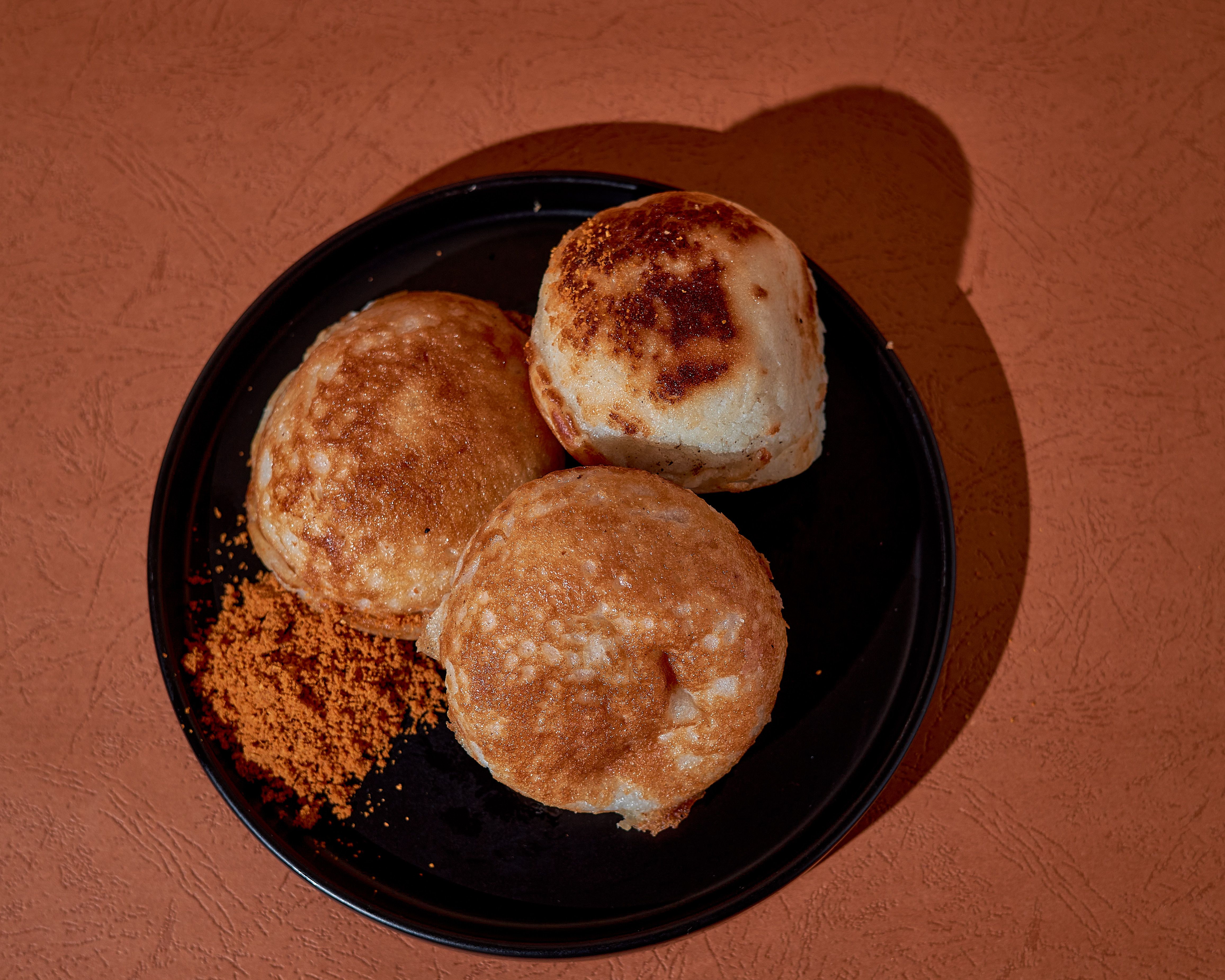
Photo: Tochukwu Ekeh / Pexels
The diets react (see scores below)
Common Ingredients
- rice
- yeast
- sugar
- salt
- potash
- vegetable oil
Specific recipes may vary.
Incompatible with 4 of 11 diets
Diet Ratings
Masa is a Nigerian fermented rice cake made primarily from rice flour, which is an extremely high-carb grain. A single serving contains a substantial amount of net carbohydrates that would instantly exceed or severely deplete the entire daily keto carb budget. Added sugar further compounds the incompatibility. Rice is one of the most keto-incompatible staple foods, with virtually no fiber offset to reduce net carbs. This dish is fundamentally built on two explicitly prohibited keto ingredients — grains and added sugar — and has no meaningful fat content to offset the carb load.
Masa is a Nigerian fermented rice cake made entirely from plant-based ingredients. Rice, yeast, sugar, salt, potash (potassium carbonate, a mineral-derived leavening agent), and vegetable oil are all fully vegan-compliant. There are no animal products or animal-derived ingredients present. The dish is a whole-food-adjacent fermented grain preparation, which aligns well with vegan dietary principles. Potash is a mineral salt and not an animal product. The use of vegetable oil slightly tempers the whole-food score but remains fully vegan.
Masa is a Nigerian fermented rice cake made from rice (a grain), sugar (refined sweetener), salt (added), potash (a processed alkaline additive), and vegetable oil (a seed oil). This dish contains multiple paleo-excluded ingredients: rice is a grain and is excluded under strict paleo principles; refined sugar is explicitly banned; added salt is discouraged; potash is a processed chemical leavening agent with no place in a paleo framework; and vegetable oil is a seed oil, which is categorically avoided in favor of animal fats, olive oil, or coconut oil. There is no paleo-compliant ingredient in this dish beyond the yeast, which itself is marginal. The dish is fundamentally incompatible with the Paleolithic diet.
Masa is a Nigerian fermented rice cake made from white rice, yeast, sugar, salt, potash, and vegetable oil. From a Mediterranean diet perspective, this dish presents mixed signals. White rice is a refined grain, which modern Mediterranean diet guidelines discourage in favor of whole grains; however, fermentation (via yeast) does improve digestibility and glycemic profile somewhat. The added sugar is a mild negative. Vegetable oil is unspecified — if it is not extra virgin olive oil, it falls short of Mediterranean fat standards, though plant-based oils are generally preferable to animal fats. There is no protein source and no vegetables, limiting its nutritional value as a standalone dish. The dish is minimally processed in the traditional sense (fermented, not industrially manufactured), which is a mild positive. Overall, it is an acceptable occasional item but not a Mediterranean staple.
Some Mediterranean diet researchers acknowledge that fermented grain preparations, even from white rice, have a place in traditional dietary patterns when consumed in moderation, as fermentation reduces glycemic load and supports gut health — a principle shared across Mediterranean and other traditional cuisines. Additionally, white rice is consumed regularly in some Mediterranean regions (e.g., parts of Greece and Turkey) and is not categorically excluded by all practitioners.
Masa is a Nigerian fermented rice cake that is entirely plant-based with zero animal-derived ingredients. It contains rice (a grain), yeast, sugar, salt, potash (an alkaline plant-derived additive), and vegetable oil (a plant oil). Every single ingredient violates carnivore diet principles: grains are explicitly excluded, sugar is prohibited, vegetable oil is a plant-based fat that carnivore practitioners universally reject, and potash is a plant-derived additive. There is no animal protein, no animal fat, and no animal-derived ingredient of any kind. This dish is completely incompatible with the carnivore diet at every level.
Masa is a Nigerian fermented rice cake/pancake with multiple Whole30-incompatible elements. Rice is an excluded grain on Whole30. Sugar is an excluded added sweetener. Additionally, masa falls squarely into the 'no recreating baked goods/junk food' rule — it is a grain-based pancake/fritter, a category explicitly prohibited even if ingredients were otherwise compliant. The combination of an excluded grain (rice), added sugar, and the pancake/fritter format makes this dish fully off-limits on Whole30.
Masa is a Nigerian fermented rice cake made from rice, yeast, sugar, salt, potash (kanwa/lye), and vegetable oil. The primary ingredient, rice, is clearly low-FODMAP and well-tested by Monash University. Sugar (sucrose) and salt are low-FODMAP. Vegetable oil contains no FODMAPs. Yeast used in small culinary quantities is considered low-FODMAP. Potash (potassium carbonate, used as a leavening/tenderizing agent in tiny amounts) is not a FODMAP-containing ingredient. The fermentation process, similar to sourdough fermentation, may further reduce any residual FODMAP content. Overall, this dish is composed of ingredients that are individually low-FODMAP at standard serving sizes, making it suitable during the elimination phase.
Monash University has not specifically tested Masa as a dish, so confidence is medium rather than high. Some FODMAP practitioners may flag the fermentation process and potash as variables with uncertain FODMAP impact, though neither is expected to introduce FODMAPs. Portion size should still be monitored, as eating very large servings of any fermented grain product may trigger symptoms in sensitive individuals.
Masa is a Nigerian fermented rice cake made from rice, yeast, sugar, salt, potash (potassium carbonate), and vegetable oil, typically shallow- or deep-fried. Rice is a grain acceptable on DASH (preferably whole grain, but white rice is not excluded). Fermentation via yeast can improve digestibility and glycemic index somewhat. However, several concerns arise: (1) Salt and potash (potassium carbonate, used as a leavening/tenderizing agent) both contribute sodium to the dish — the combined sodium load is moderate to potentially significant depending on preparation; (2) Added sugar, while modest in quantity, is a DASH-limited ingredient; (3) Frying in vegetable oil adds fat and calories, though vegetable oils (e.g., groundnut or soybean oil) are not inherently prohibited on DASH as they lack saturated fat typical of tropical oils; (4) The dish is low in fiber (white rice base), lacks significant potassium, calcium, or magnesium density, and provides no lean protein. It is not inherently harmful but does not align well with core DASH priorities. Consumed in small portions with DASH-friendly accompaniments (vegetables, legumes), it is acceptable occasionally. Confidence is medium because NIH DASH guidelines address grains generally but not this specific dish; the sodium contribution from potash specifically is not well-characterized in standard DASH literature.
NIH DASH guidelines emphasize whole grains over refined grains and sodium restriction, which disfavors this preparation. However, some DASH-aligned clinicians note that fermented rice dishes with modest oil and salt, consumed in portion-controlled amounts alongside vegetables and legumes, can fit within overall DASH daily targets — especially if potash and salt quantities are minimized.
Masa is a Nigerian fermented rice cake made primarily from white rice, which is a high-glycemic carbohydrate source that Zone Diet methodology classifies as 'unfavorable.' The fermentation process (via yeast) slightly lowers the glycemic index compared to plain white rice, offering a marginal benefit. However, the added sugar further elevates the glycemic load, compounding the problem. Vegetable oil (likely a seed oil such as palm or sunflower) adds omega-6-heavy fat, which conflicts with the Zone's anti-inflammatory emphasis on monounsaturated fats and omega-3s. Critically, Masa contains no meaningful protein, meaning it cannot form a balanced Zone meal or snack on its own — it is essentially a pure carbohydrate dish with inflammatory fat. While technically one could eat a very small portion of Masa alongside a lean protein and monounsaturated fat to construct a Zone-compliant meal, the food itself as described offers no favorable macronutrient building blocks. The combination of white rice base + added sugar + omega-6 oil + zero protein makes this a poor Zone food. It scores a 3 rather than 1-2 only because fermentation marginally reduces glycemic impact and small portions could theoretically be incorporated.
Masa is a Nigerian fermented rice cake made from rice, yeast, sugar, salt, potash (potassium carbonate), and vegetable oil. The dish has a mixed anti-inflammatory profile. On the positive side, fermentation via yeast may improve digestibility and introduce modest probiotic-like benefits, and the rice base provides a relatively neutral whole-grain carbohydrate (assuming unrefined rice). However, the added sugar contributes to glycemic load and can promote low-grade inflammation when consumed regularly. The type of 'vegetable oil' is unspecified — if it refers to commonly used refined seed oils (e.g., sunflower, corn, or soybean oil), this raises concern due to high omega-6 content and oxidation potential. Potash (potassium carbonate) is a traditional food additive used to adjust texture; it is generally recognized as safe in small culinary amounts and has no direct inflammatory relevance. The absence of any protein, omega-3s, antioxidant-rich vegetables, or anti-inflammatory herbs/spices means the dish offers little active anti-inflammatory benefit. It is a starchy, mildly sweet breakfast item — acceptable occasionally but not a food that advances anti-inflammatory goals.
The type of vegetable oil significantly affects the verdict: if cold-pressed or minimally refined oils are used, mainstream nutrition science (including AHA guidance) would consider the fat profile more neutral. Additionally, some practitioners consider fermented rice preparations beneficial for gut health, which has downstream anti-inflammatory effects — a perspective supported by emerging microbiome research but not yet mainstream in anti-inflammatory diet frameworks.
Masa is a Nigerian fermented rice cake made primarily from rice, yeast, sugar, salt, potash, and vegetable oil. It is a refined carbohydrate-dominant food with negligible protein, low fiber, and added sugar — a poor nutritional profile for GLP-1 patients who need every calorie to deliver protein and micronutrients. The fermentation process (yeast, potash) may slightly improve digestibility compared to plain rice, but does not meaningfully change the macronutrient shortcomings. The added sugar and refined rice base make this a high-glycemic food that can spike blood sugar without contributing satiety-supporting nutrients. Vegetable oil adds fat calories with no compensating protein or fiber benefit. The portion is typically small, which partially limits the damage, but small portions also mean very little nutritional return. As a standalone breakfast, this is particularly problematic — GLP-1 patients need protein-forward meals (15–30g per meal) to prevent muscle loss and support satiety throughout the day. Masa delivers essentially none of that. It is not fried and is relatively easy to digest, which keeps it out of the 'avoid' tier, but it should not be eaten alone and ideally should be paired with a high-protein accompaniment (e.g., eggs, beans, or a protein-rich stew) if consumed at all.
Some GLP-1-focused dietitians working with West African patients may argue that culturally familiar foods like masa serve an important role in dietary adherence and should not be discouraged outright, particularly when paired with protein-rich accompaniments like beans or eggs. Others would flag the added sugar and refined rice base as a meaningful glycemic concern for patients who are also managing type 2 diabetes alongside GLP-1 therapy, pushing this closer to an avoid rating in that subgroup.
*See how scores were generated at our methodology page.
Nutritional profile
Six traits that cut across every diet.
Fiber & Plants
How much whole-plant food and fiber it delivers.
Healthy Fats
The quality of its fats (unsaturated, omega-3).
Whole / Unprocessed
How close it is to its natural, unprocessed form.
Gut Gentle
How easy it is on digestion (low FODMAP, few irritants).
Low Glycemic
How little it spikes your blood sugar.
Protein Density
How much protein it packs per calorie.
Controversy Index
Higher controversy = more disagreement between diets.
Diet-Specific Tips
 Vegan — 8/10
View tips
- Rice is a whole plant grain — fully vegan
- Yeast is a fungus, not an animal product — universally accepted as vegan
- Potash (potassium carbonate) is a mineral-derived food additive — not animal-derived
- Sugar is plant-based; no bone char processing concern identified in this context
- Vegetable oil is plant-based and vegan-compliant
- No animal products, dairy, eggs, or animal-derived additives present
 Mediterranean — 4/10
View tips
- White rice is a refined grain, discouraged by modern Mediterranean diet guidelines in favor of whole grains
- Fermentation via yeast modestly improves digestibility and glycemic profile
- Added sugar is a mild negative element
- Unspecified vegetable oil is not extra virgin olive oil, the preferred Mediterranean fat
- No vegetables, legumes, or protein source limits nutritional alignment
- Dish is traditionally prepared and not industrially processed, a mild positive
 Low-FODMAP — 7/10
View tips
- Rice is the primary ingredient and is well-established as low-FODMAP by Monash University
- Sugar (sucrose) and salt contain no FODMAPs
- Vegetable oil is FODMAP-free
- Yeast in small culinary quantities is considered low-FODMAP
- Potash (potassium carbonate) is used in minimal amounts and is not a FODMAP-containing substance
- Fermentation may reduce any residual FODMAP content, similar to sourdough
- Masa has not been independently tested by Monash University as a dish
 DASH — 5/10
View tips
- White rice base — refined grain, lower fiber than whole grain alternatives preferred by DASH
- Salt and potash both contribute sodium — combined load may be moderate to significant
- Added sugar is a DASH-limited ingredient
- Vegetable oil used for frying is acceptable on DASH (not a tropical saturated fat), but adds caloric density
- No significant source of potassium, calcium, magnesium, or fiber — key DASH nutrients
- No lean protein — nutritionally incomplete as a standalone dish
- Fermentation may modestly improve glycemic index relative to non-fermented rice dishes
- Portion control is critical — small servings with vegetable/legume sides improve DASH compatibility
 Zone — 5/10
View tips
- White rice base is a high-glycemic 'unfavorable' carbohydrate in Zone terminology
- Added sugar further elevates glycemic load, worsening insulin response
- No protein content — cannot balance Zone macronutrient ratios on its own
- Vegetable oil is likely omega-6 heavy (anti-inflammatory conflict), not monounsaturated
- Fermentation via yeast provides marginal glycemic index reduction but insufficient to overcome other factors
- Would require significant complementary foods (lean protein, monounsaturated fat) to fit any Zone meal
 Anti-Inflammatory — 4/10
View tips
- Fermentation via yeast may modestly improve digestibility and gut health
- Added sugar increases glycemic load and may promote inflammation with regular consumption
- Unspecified 'vegetable oil' likely refers to refined seed oils high in omega-6 fatty acids — a concern in anti-inflammatory frameworks
- No protein, omega-3s, antioxidants, or anti-inflammatory spices present
- Potash (potassium carbonate) is a safe traditional additive with no significant inflammatory impact at culinary doses
- Rice base is carbohydrate-dominant with limited fiber compared to whole grain alternatives
 GLP-1 Friendly — 5/10
View tips
- Negligible protein content — fails the #1 GLP-1 dietary priority entirely
- Low fiber — refined rice base does not support digestion or constipation prevention
- Added sugar raises glycemic load, counterproductive for blood sugar management
- Vegetable oil adds fat calories with no compensating nutritional value
- Fermentation may improve digestibility slightly but does not offset macronutrient deficiencies
- Poor nutrient density per calorie — not appropriate for reduced-appetite eating windows
- Not fried and relatively easy to digest — partially mitigates risk vs. avoid tier
- Should only be consumed if paired with a high-protein food; not appropriate as a standalone breakfast on GLP-1 therapy