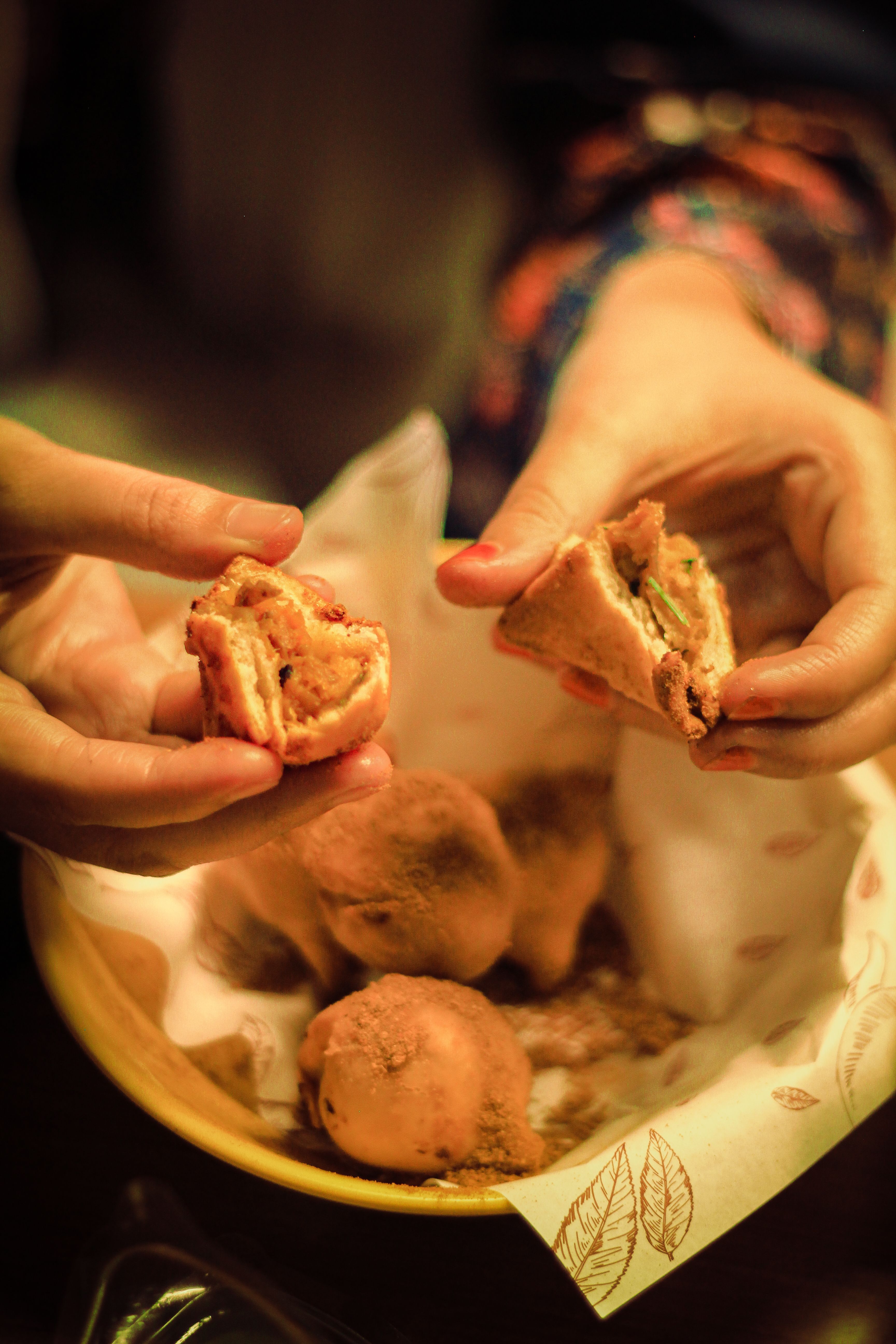
Photo: Tanha Tamanna Syed / Pexels
The diets react (see scores below)
Common Ingredients
- flour
- moong dal
- fennel
- cumin
- coriander
- asafoetida
- chile powder
- vegetable oil
Specific recipes may vary.
Incompatible with 7 of 11 diets
Diet Ratings
Kachori is a deep-fried pastry made primarily from refined wheat flour (maida), which is a high-glycemic grain that is fundamentally incompatible with ketogenic eating. A single kachori can contain 25-35g of net carbs from the flour shell alone, which can single-handedly exceed or nearly exhaust an entire day's keto carb budget. The moong dal filling also contributes additional net carbs (lentils are starchy legumes, not keto-friendly). While the spices and frying oil are keto-neutral or positive, they cannot offset the massive carbohydrate load from the two primary components. This dish offers no meaningful path to keto compatibility — it cannot be portion-controlled down to an acceptable carb level.
Kachori as described is fully plant-based. The dough is made from flour and vegetable oil, and the filling consists of moong dal (split mung beans) and classic Indian spices — fennel, cumin, coriander, asafoetida, and chile powder. Every ingredient is derived from plants with no animal products or animal-derived additives present. It is a fried snack, which slightly reduces its whole-food profile, but it remains nutritionally substantive thanks to the lentil filling providing protein and fiber. Asafoetida (hing) is a plant-derived resin and fully vegan. Vegetable oil is the confirmed frying medium, not ghee or lard, which are common in traditional Indian cooking and would disqualify the dish.
Kachori contains multiple paleo-excluded ingredients, making it firmly non-compliant. Flour (wheat) is a grain and one of the most clearly prohibited foods in paleo. Moong dal is a legume, also explicitly excluded. Vegetable oil (a seed oil) is another hard avoid under paleo guidelines. These three core ingredients alone disqualify the dish entirely, regardless of the paleo-friendly spices (fennel, cumin, coriander, chile powder) and asafoetida present. There is no version of a traditional Kachori that can be considered paleo-compatible.
Kachori presents a mixed Mediterranean diet profile. On the positive side, moong dal (lentils) is an excellent legume protein that aligns well with Mediterranean plant-forward principles, and the spices (fennel, cumin, coriander, chile) are compatible and even beneficial. However, the dish is made with refined white flour (maida) rather than a whole grain, and is deep-fried in vegetable oil rather than extra virgin olive oil. The refined flour and frying method push this away from Mediterranean ideals. The use of generic 'vegetable oil' is also a concern, as Mediterranean guidelines strongly favor EVOO. If made with whole wheat flour and baked or pan-fried in olive oil, this could score higher. As a traditional fried snack with refined flour, it sits in cautious territory — acceptable occasionally, but not a staple.
Some Mediterranean diet practitioners might view lentil-filled flatbreads more favorably, noting that legume-rich fillings are a cornerstone of the diet and that modest frying in plant-based oils has regional precedent in Southern European cuisines (e.g., Spanish churros, Italian fritto misto). The spice profile and legume content could justify occasional inclusion as a culturally diverse plant-protein snack.
Kachori is entirely plant-based and is fundamentally incompatible with the carnivore diet. Every single ingredient — flour (grain), moong dal (legume), fennel, cumin, coriander, asafoetida, chile powder, and vegetable oil — is plant-derived and explicitly excluded from the carnivore diet. There is no animal product present whatsoever. The primary protein source is lentils, a legume, which is among the most avoided foods in carnivore due to its antinutrient content (lectins, phytates). Vegetable oil is a processed plant oil, also strictly excluded. This dish represents the complete opposite of carnivore eating principles.
Kachori is excluded on Whole30 for two independent reasons. First, the primary dough is made from flour (wheat), which is a grain and explicitly excluded from the Whole30 program. Second, moong dal is a legume (split mung beans), which is also explicitly excluded. Beyond those two disqualifying ingredients, kachori is a deep-fried pastry/snack — a category of 'junk food recreation' that the program discourages even when made with compliant ingredients. The spices (fennel, cumin, coriander, asafoetida, chile powder) and vegetable oil are generally compliant, but the core structural ingredients make this dish entirely off-limits.
Kachori contains multiple high-FODMAP ingredients that make it unsuitable during the elimination phase. The pastry shell is made with wheat flour, which is high in fructans — a major FODMAP trigger. The filling uses moong dal (split mung beans), which contains GOS (galacto-oligosaccharides) and is high-FODMAP at typical serving amounts used in fillings. Critically, asafoetida (hing) is a concentrated source of fructans and is one of the highest-FODMAP spices used in Indian cooking, often used as a garlic/onion substitute but itself problematic. The combination of wheat flour shell + lentil filling + asafoetida makes this dish high-FODMAP at any standard serving size. Fennel seeds, cumin, coriander, chile powder, and vegetable oil are low-FODMAP and not problematic.
Kachori is a deep-fried Indian snack made from refined white flour (maida) stuffed with spiced lentils and fried in vegetable oil. While the filling ingredients (moong dal, spices) align reasonably with DASH principles — lentils provide fiber, potassium, and plant protein — the overall preparation method and base ingredients are problematic. Deep-frying significantly raises total fat content, and refined white flour offers little fiber or micronutrient benefit, conflicting with DASH's emphasis on whole grains. The high oil absorption during deep-frying can push saturated and total fat well above DASH targets depending on the oil used. Spices like asafoetida and chile powder are DASH-neutral, but the dish as commonly consumed is a high-calorie, high-fat, low-fiber snack. The refined flour and deep-frying method are the primary disqualifiers under standard DASH guidelines.
NIH DASH guidelines categorically limit deep-fried, refined-grain foods; however, some updated DASH-aligned clinical dietitians note that if kachori were made with whole wheat flour, air-fried or baked, and the sodium kept low, the moong dal filling could make it a moderate 'caution' food. The lentil base does provide meaningful plant protein and fiber that aligns with DASH values.
Kachori is a deep-fried pastry made primarily from refined white flour (maida), which is a high-glycemic, nutritionally poor carbohydrate that Dr. Sears explicitly classifies as unfavorable. The dominant macronutrient is carbohydrate from refined flour, and the cooking method (deep-frying in vegetable oil, typically a high omega-6 seed oil) adds a large, imbalanced fat load — primarily from pro-inflammatory polyunsaturated or saturated fats rather than the monounsaturated fats Zone favors. The moong dal filling provides some protein and fiber, which is a positive element, and the spices (fennel, cumin, coriander, asafoetida) are polyphenol-rich and anti-inflammatory. However, the overall macronutrient profile is heavily skewed toward carbohydrates and fat with minimal lean protein — essentially the inverse of Zone balance. A single kachori might deliver 20-30g of refined carbs, 8-12g of fat (largely omega-6), and only 3-5g of protein, making Zone-block balancing extremely difficult. It would require pairing with a large lean protein source and avoiding other carbs entirely in the meal, making it impractical as a Zone snack. The refined flour alone pushes this toward the lower caution/avoid boundary.
Kachori presents a mixed anti-inflammatory profile. On the positive side, moong dal (split mung beans) is a legume with meaningful fiber, plant protein, and anti-inflammatory polyphenols. The spice blend is a genuine strength: cumin, coriander, fennel, chile powder, and asafoetida all have documented anti-inflammatory properties including antioxidant and carminative effects. However, the dish has two significant anti-inflammatory concerns. First, kachori is deep-fried in vegetable oil — traditionally a high-omega-6 refined oil (sunflower, canola, or similar). Deep-frying concentrates the oil and introduces oxidized lipids, which are pro-inflammatory. Second, the outer shell is made from refined white flour (maida in traditional Indian kachori), a refined carbohydrate that spikes blood sugar and contributes to inflammatory signaling. If whole wheat flour were substituted and the dish were baked or air-fried, the profile would improve substantially. As traditionally prepared, the benefits of the legume filling and anti-inflammatory spices are partially offset by the deep-frying method and refined flour base, placing this firmly in the 'moderate in moderation' category.
Some anti-inflammatory practitioners note that traditional frying in cold-pressed mustard oil or coconut oil (common in Indian cooking) may be less problematic than refined seed oils, and that the legume-spice filling has genuine anti-inflammatory value — placing kachori closer to an acceptable occasional food. Conversely, stricter anti-inflammatory protocols (such as those addressing metabolic syndrome or autoimmune conditions) would flag the refined flour and frying method more harshly, potentially moving this toward 'avoid.'
Kachori is a deep-fried pastry filled with spiced lentils, making it a poor fit for GLP-1 patients on nearly every key criterion. The dough is made from refined white flour (low fiber, low protein, high glycemic), and the entire pastry is submerged in hot oil during frying, resulting in a high-fat, high-calorie snack with very low nutrient density per calorie. While moong dal provides modest protein and fiber, the quantity of filling in a single kachori is small, and those benefits are overwhelmed by the fried shell. The chile powder and spice blend (including asafoetida) may worsen GLP-1-associated nausea, reflux, and bloating. Fat-heavy foods linger in the stomach far longer, dramatically increasing nausea and reflux risk. The refined flour shell offers empty calories with minimal nutritional return. This is a textbook example of a food that fails on fat content, digestibility, and nutrient density simultaneously.
*See how scores were generated at our methodology page.
Nutritional profile
Six traits that cut across every diet.
Fiber & Plants
How much whole-plant food and fiber it delivers.
Healthy Fats
The quality of its fats (unsaturated, omega-3).
Whole / Unprocessed
How close it is to its natural, unprocessed form.
Gut Gentle
How easy it is on digestion (low FODMAP, few irritants).
Low Glycemic
How little it spikes your blood sugar.
Protein Density
How much protein it packs per calorie.
Controversy Index
Higher controversy = more disagreement between diets.
Diet-Specific Tips
 Vegan — 8/10
View tips
- All ingredients confirmed plant-derived
- Moong dal provides plant-based protein and fiber
- Vegetable oil used instead of ghee — critical distinction for vegan compliance
- Asafoetida is plant-derived (resin from Ferula plant), not an animal product
- Fried preparation reduces whole-food score but does not affect vegan status
- No dairy, eggs, or animal-derived additives present
 Mediterranean — 4/10
View tips
- Moong dal filling is a Mediterranean-compatible legume protein
- Refined white flour (not whole grain) contradicts Mediterranean grain preferences
- Deep-fried preparation adds significant saturated/refined fat load
- Generic vegetable oil used instead of extra virgin olive oil
- Aromatic spices are neutral-to-positive in Mediterranean context
- Processed snack format not aligned with whole-food Mediterranean principles
 Zone — 5/10
View tips
- Refined white flour (maida) is the primary ingredient — high-glycemic and unfavorable in Zone
- Deep-fried in vegetable oil, adding high omega-6 pro-inflammatory fat load
- Fat-to-protein ratio is severely imbalanced — too much fat, too little protein
- Moong dal filling provides modest protein and fiber, a Zone-positive element
- Anti-inflammatory spices (cumin, coriander, fennel) are Zone-friendly but minor contributors
- Very difficult to fit into a Zone block structure without extensive meal re-engineering
- Would score higher (4-5) if made with whole-grain flour and baked rather than fried
 Anti-Inflammatory — 4/10
View tips
- Deep-fried preparation introduces oxidized lipids and high omega-6 content from vegetable oil
- Refined white flour (maida) base is a refined carbohydrate with pro-inflammatory potential
- Moong dal filling provides beneficial plant protein, fiber, and polyphenols
- Strong anti-inflammatory spice blend: cumin, coriander, fennel, chile, asafoetida
- Cooking method (deep frying) is the primary anti-inflammatory liability
- Profile improves significantly if baked/air-fried and made with whole grain flour