Norwegian
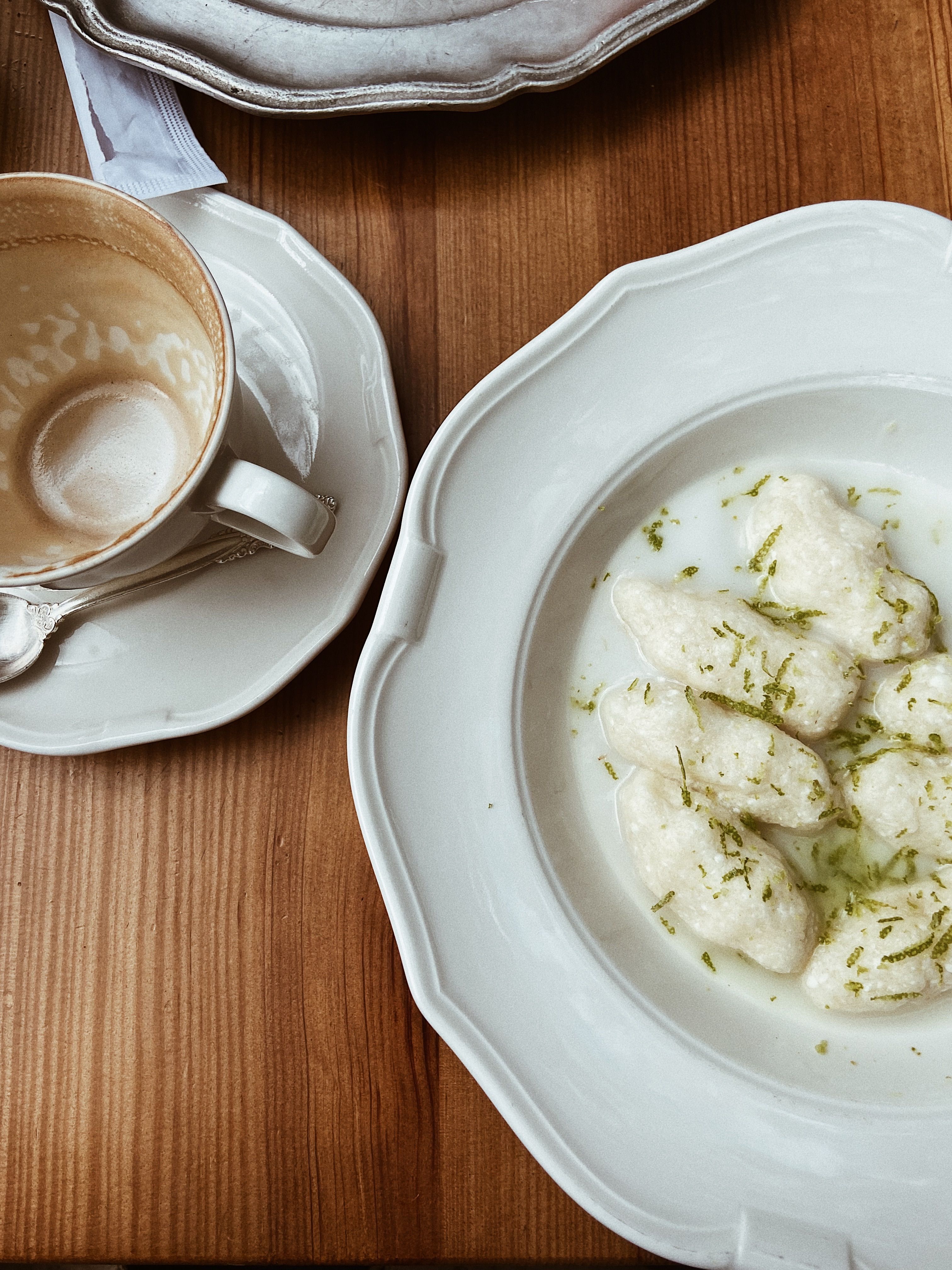
Fiskeboller
The diets react (see scores below)
Common Ingredients
- white fish
- milk
- potato starch
- nutmeg
- butter
- flour
- curry powder
Specific recipes may vary.
Incompatible with 5 of 11 diets
Diet Ratings
Fiskeboller (Norwegian fish balls) are traditionally made with white fish as the protein base, which is keto-friendly, but the recipe includes two significant keto-incompatible binders: wheat flour and potato starch. These are high-carb ingredients used in meaningful quantities to give the fish balls their characteristic texture. A standard serving of fiskeboller contains roughly 10-15g of net carbs per 100g, largely from these starches, and the milk also adds additional carbs. The combination of flour, potato starch, and milk makes this dish fundamentally incompatible with ketogenic macros in its traditional form. The dish would need substantial reformulation (e.g., replacing starch and flour with almond flour or psyllium husk, and substituting cream for milk) to become keto-compatible.
Fiskeboller (Norwegian fish balls) contain multiple animal-derived ingredients that disqualify them entirely from a vegan diet. White fish is the primary protein — a direct animal product. Milk and butter are dairy products, also excluded. These are not trace cross-contamination warnings but core ingredients in the recipe. No meaningful vegan debate exists here; this dish is straightforwardly non-vegan.
Fiskeboller (Norwegian fish balls) contains multiple non-paleo ingredients that disqualify it despite the paleo-approved white fish base. Milk is a dairy product, explicitly excluded from the paleo diet. Flour (wheat-based) is a grain product, one of the most clearly prohibited categories. Potato starch, while derived from a tuber, is a highly processed, refined starch rather than the whole food paleo allows. Butter is a dairy derivative excluded under strict paleo guidelines. Only the white fish, nutmeg, and curry powder are clearly paleo-compliant. The dish is fundamentally a processed, grain-and-dairy-laden preparation that contradicts paleo principles at its core.
Fiskeboller (Norwegian fish balls) are built around white fish, which aligns well with the Mediterranean diet's emphasis on fish and seafood 2-3 times weekly. However, the preparation method and supporting ingredients diverge from Mediterranean principles. Butter is used as the primary fat rather than olive oil, refined wheat flour and potato starch are used as binders (refined carbohydrates), and milk adds dairy. The dish is also a processed/formed product rather than a whole food. The fish base is genuinely positive, but the overall preparation leans away from Mediterranean ideals — no olive oil, no vegetables, refined binders, and butter as the fat source. It sits in a moderate 'caution' zone: acceptable for its fish content, but not a Mediterranean staple.
Some Mediterranean diet interpreters take a pragmatic view, arguing that any dish centered on fish as its primary protein supports the diet's core goals regardless of northern European preparation methods. From a clinical perspective (e.g., PREDIMED-style adherence scoring), fish consumption itself is the key metric, and modest amounts of butter and refined flour in a fish-centered dish might be considered acceptable within an overall pattern.
Fiskeboller (Norwegian fish balls) are fundamentally incompatible with the carnivore diet despite containing animal-derived white fish, milk, and butter. The dish relies heavily on plant-based binders and thickeners — wheat flour and potato starch — which are strictly excluded grains/starches on any tier of carnivore. Nutmeg and curry powder are plant-derived spices that strict carnivore excludes entirely. The combination of multiple plant ingredients makes this a processed, mixed dish rather than an animal-based food. The fish itself would be carnivore-approved, but it cannot be separated from the plant-based components in this preparation.
Fiskeboller (Norwegian fish balls) contains multiple Whole30-excluded ingredients. Milk is dairy and explicitly excluded. Flour (wheat-based) is a grain and explicitly excluded. Butter (regular, not ghee or clarified butter) is also excluded dairy. Potato starch may be acceptable on its own, but combined with the other violations, this dish is clearly non-compliant. White fish, nutmeg, and curry powder are all Whole30-compatible, but the presence of milk, flour, and butter makes this dish incompatible with the program.
Fiskeboller (Norwegian fish balls) contain several ingredients that require careful consideration. White fish is low-FODMAP and safe. Potato starch is low-FODMAP. Butter is low-FODMAP (fat, negligible lactose). Nutmeg is low-FODMAP in culinary amounts. Curry powder is generally low-FODMAP at small amounts (check for onion/garlic powder in blends — this is a common hidden FODMAP source). The two problematic ingredients are milk and flour. Milk contains lactose (high-FODMAP above ~30ml), and wheat flour contains fructans. However, in fiskeboller, both milk and flour are used in relatively small quantities distributed across multiple servings — flour acts as a binder and milk adds moisture. At a standard serving of 3-4 fish balls, the per-serving lactose and fructan load may remain below Monash threshold levels. This dose-dependent ambiguity, combined with the risk of hidden garlic/onion in commercial curry powder blends, makes this dish a caution rather than approve or avoid. Homemade versions with lactose-free milk and gluten-free flour would be approvable.
Monash University has not specifically tested fiskeboller, so the verdict depends on estimating FODMAP load from individual ingredients. Clinical FODMAP practitioners may advise avoiding this dish during strict elimination due to the combination of lactose (milk) and fructans (wheat flour), even at small per-serving amounts, particularly if commercial curry powder containing onion or garlic powder is used.
Fiskeboller (Norwegian fish balls) are made primarily from white fish, which is an excellent lean protein source strongly encouraged by DASH guidelines. However, the dish includes butter (saturated fat) and milk, plus starch and flour as binders, making it a moderately processed fish product. Commercially canned or packaged fiskeboller — the most common form consumed — are often high in sodium (typically 400–600mg per serving), which conflicts with DASH sodium limits. Homemade versions with controlled sodium and reduced butter are considerably more DASH-compatible. The white fish base, low saturated fat content relative to red meat, and absence of added sugar are positives, but the butter and likely sodium content in standard preparations warrant caution.
NIH DASH guidelines broadly endorse fish and lean protein, and a homemade, low-sodium version of fiskeboller made with minimal butter could reasonably be approved. Some DASH-oriented clinicians note that the saturated fat from butter in this recipe is relatively modest per serving and that the cardiovascular benefits of regular fish consumption may outweigh concerns about small amounts of dairy fat, aligning with evolving interpretations of DASH that are less rigid about fat quantity as long as overall dietary pattern is healthy.
Fiskeboller (Norwegian fish balls) are built around white fish, which is an excellent lean Zone protein source. However, the dish incorporates several ingredients that complicate Zone compatibility. The binders — potato starch and flour — are high-glycemic carbohydrates that Zone methodology classifies as 'unfavorable.' Butter adds saturated fat rather than preferred monounsaturated fat. Milk contributes some lactose (moderate glycemic load) and additional saturated fat. The overall macro profile skews toward unfavorable carb sources and saturated fat, though the lean fish base partially redeems it. Fiskeboller can be incorporated into a Zone meal if portion-controlled and paired with low-glycemic vegetables and a monounsaturated fat source to rebalance the ratio, but as a standalone dish it doesn't naturally hit the 40/30/30 target. The starch and flour binders in particular push the carbohydrate portion toward the high-glycemic end, and the butter content works against the Zone's fat quality guidelines. Curry powder is a Zone-friendly polyphenol contributor, which is a minor positive.
Some Zone practitioners might rate this more favorably, noting that the starch and flour quantities in fiskeboller are relatively small (used as binders, not bulk carbs), meaning the glycemic load per serving may be modest. If the fish-to-starch ratio is high, the protein block contribution from the white fish could dominate, and the dish could be treated as a lean protein source paired with a small amount of unfavorable carbs — manageable within a Zone meal when served with favorable vegetable side dishes. Sears' later writings also show somewhat more flexibility around saturated fat in whole-food contexts.
Fiskeboller (Norwegian fish balls) present a mixed anti-inflammatory profile. On the positive side, white fish is a lean protein source with some omega-3 content (though much lower than fatty fish like salmon or mackerel), and curry powder contains turmeric and other anti-inflammatory spices. However, the dish includes several ingredients that reduce its anti-inflammatory score: butter adds saturated fat, milk (full-fat, as is traditional) contributes saturated fat and is a moderate-concern dairy product, refined white flour and potato starch are refined carbohydrates with little fiber or nutritional value, and nutmeg is neutral. The overall dish is a processed/formed product that combines a beneficial core ingredient (white fish) with refined binders and saturated fat-based enrichers. Traditional Norwegian fiskeboller are also often canned in brine or cream sauce, which would further reduce the score, though the base recipe listed here is evaluated. The curry powder is a modest positive. This dish is acceptable occasionally but lacks the anti-inflammatory density of, say, a grilled fatty fish with olive oil and vegetables.
Some anti-inflammatory practitioners would rate white fish more favorably as a lean, low-arachidonic-acid protein that is clearly preferable to red meat or processed meats, and might overlook the refined starch binders as minor concerns in the context of an otherwise wholesome traditional food. Others following stricter anti-inflammatory protocols would flag the refined flour, potato starch, butter, and dairy milk as collectively problematic, particularly for those with autoimmune conditions or dairy sensitivity.
Fiskeboller (Norwegian fish balls) are made from white fish — a lean, easily digestible protein source that is genuinely GLP-1 friendly. However, the traditional preparation introduces several concerns. Butter adds saturated fat, and the dish is typically served in a butter- and milk-based cream sauce (béchamel-style), making the overall fat content moderate to high depending on portion and sauce ratio. Potato starch and flour are refined carbohydrates that contribute little fiber and modest glycemic load. Milk adds modest protein but also fat if whole milk is used. Nutmeg and curry powder are mild spices unlikely to cause GI irritation at typical quantities. The white fish base is soft, easily digested, and well-tolerated — a meaningful positive for GLP-1 patients dealing with slowed gastric emptying. The core concern is the creamy sauce: if served in traditional style with a full béchamel, fat per serving rises enough to potentially worsen nausea or reflux. A lighter preparation — reduced butter, low-fat or skim milk, minimal sauce — would push this toward approve territory. Rated as traditionally prepared.
Some GLP-1-focused dietitians would rate this more favorably, emphasizing the lean white fish protein and soft texture as highly compatible with GLP-1 GI side effects, particularly for patients in early treatment phases struggling with solid proteins. Others would rate it lower, flagging the butter-milk sauce as a meaningful saturated fat source that commonly triggers nausea in GLP-1 patients, especially around injection day.
*See how scores were generated at our methodology page.
Nutritional profile
Six traits that cut across every diet.
Fiber & Plants
How much whole-plant food and fiber it delivers.
Healthy Fats
The quality of its fats (unsaturated, omega-3).
Whole / Unprocessed
How close it is to its natural, unprocessed form.
Gut Gentle
How easy it is on digestion (low FODMAP, few irritants).
Low Glycemic
How little it spikes your blood sugar.
Protein Density
How much protein it packs per calorie.
Controversy Index
Higher controversy = more disagreement between diets.
Diet-Specific Tips
 Mediterranean — 5/10
View tips
- White fish is the primary protein — strongly aligned with Mediterranean fish-eating frequency goals
- Butter used instead of olive oil — contradicts the foundational Mediterranean fat principle
- Refined flour and potato starch as binders — not whole grain, adds refined carbohydrates
- Milk adds moderate dairy content — acceptable in moderation per Mediterranean guidelines
- Processed/formed dish rather than whole fish — minor detriment to whole-food principles
- No vegetables or plant-based components — misses plant-forward emphasis
- Non-traditional to Mediterranean cuisine but fish content partially offsets preparation concerns
 Low-FODMAP — 5/10
View tips
- Wheat flour contains fructans — high-FODMAP, but used in small quantities as binder
- Milk contains lactose — high-FODMAP above ~30ml, small per-serving amount may stay below threshold
- Curry powder may contain onion and/or garlic powder — common hidden FODMAP source
- White fish, potato starch, butter, and nutmeg are all low-FODMAP
- Dose-dependent: a small serving (2-3 balls) likely safer than a large portion
- Homemade with lactose-free milk and GF flour would significantly improve FODMAP status
 DASH — 5/10
View tips
- White fish is a core DASH-approved lean protein source
- Commercially prepared fiskeboller are typically high in sodium (400–600mg/serving), conflicting with DASH sodium limits
- Butter contributes saturated fat, which DASH limits
- Milk is acceptable as low-fat dairy in DASH context
- Homemade versions with reduced sodium and butter score significantly higher
- No added sugar or tropical oils present
- Moderately processed nature of the dish reduces its DASH alignment compared to plain fish
 Zone — 5/10
View tips
- White fish is a lean, Zone-approved protein source — a strong positive
- Potato starch is a high-glycemic, 'unfavorable' Zone carbohydrate
- Wheat flour is a high-glycemic, 'unfavorable' Zone carbohydrate
- Butter contributes saturated fat rather than preferred monounsaturated fat
- Milk adds moderate glycemic load and additional saturated fat
- Starch and flour quantities are small (binders), so glycemic impact per serving may be limited
- Curry powder provides polyphenols aligned with Sears' anti-inflammatory focus
- Dish can fit Zone meals if portioned carefully and paired with favorable low-GI vegetables
 Anti-Inflammatory — 5/10
View tips
- White fish provides lean protein with modest omega-3 content — beneficial but lower than fatty fish
- Curry powder contains turmeric and anti-inflammatory spices — a modest positive
- Butter adds saturated fat — a moderate inflammatory concern
- Milk (dairy) is a moderate-concern ingredient on anti-inflammatory frameworks
- Refined white flour and potato starch are low-fiber refined carbohydrates with minimal anti-inflammatory value
- No omega-3-rich oils (e.g., olive oil) or antioxidant-rich vegetables are present
- Overall a neutral-to-mildly-mixed dish — acceptable occasionally but not anti-inflammatory optimized
 GLP-1 Friendly — 5/10
View tips
- White fish is a lean, high-quality protein — strongly positive
- Soft texture is easy to digest, well-suited to slowed gastric emptying
- Butter and milk-based sauce adds saturated fat — key drawback
- Potato starch and flour are low-fiber refined carbohydrates
- Traditional cream sauce preparation raises total fat per serving significantly
- Mild spices (nutmeg, curry) unlikely to worsen GI symptoms
- Lower-fat preparation would meaningfully improve GLP-1 suitability
- Moderate protein density — adequate but not exceptional per serving