Photo: Carla Gutierrez / Pexels
Pakistani
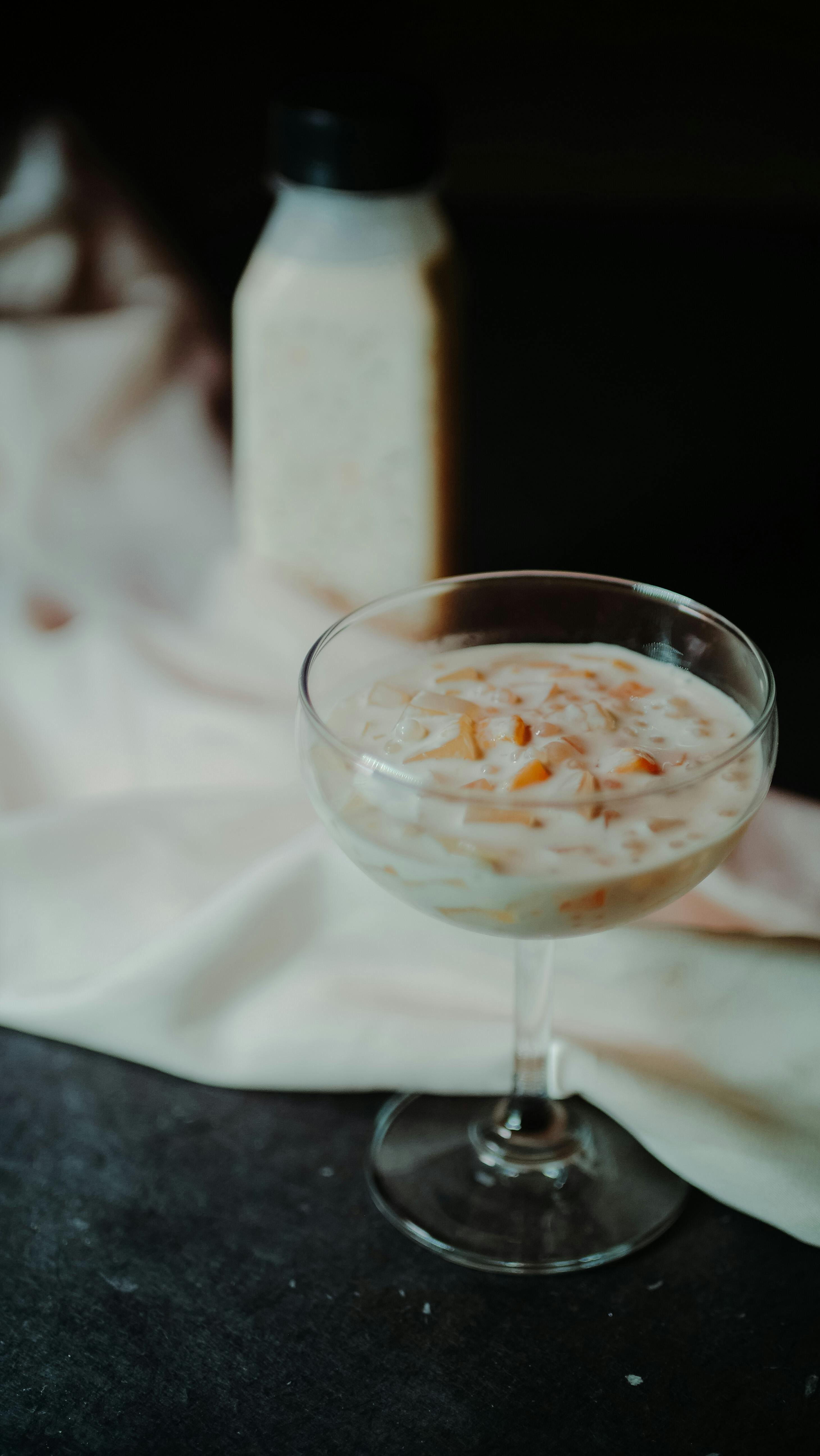
Sheer Khurma
The diets react (see scores below)
Common Ingredients
- vermicelli
- milk
- dates
- sugar
- cardamom
- almonds
- pistachios
- ghee
Specific recipes may vary.
Incompatible with 10 of 11 diets
Diet Ratings
Sheer Khurma is fundamentally incompatible with a ketogenic diet. It is built on multiple high-carb, keto-incompatible ingredients. Vermicelli is a wheat-based grain product loaded with starch. Dates are extremely high in natural sugars (roughly 18g net carbs per date). Added sugar is explicitly prohibited on keto. Milk contains lactose (natural sugar), contributing further carbs. A standard serving of this dish would easily exceed the entire daily net carb allowance of 20-50g many times over. The only keto-friendly elements are ghee, almonds, pistachios, and cardamom, but they are completely overshadowed by the dominant carb sources.
Sheer Khurma contains two clear animal-derived ingredients: milk (dairy) and ghee (clarified butter, also dairy). Both are direct animal products excluded under all vegan definitions. The remaining ingredients — vermicelli, dates, sugar, cardamom, almonds, and pistachios — are fully plant-based, but the dish as traditionally prepared cannot be considered vegan. A vegan adaptation is possible by substituting plant-based milk (oat, almond, coconut) and vegan butter or coconut oil for the ghee.
Sheer Khurma is fundamentally incompatible with the Paleo diet. The dish contains multiple hard-exclude ingredients: vermicelli (a wheat-based grain product), milk (dairy), and refined sugar. These three ingredients alone are clear violations of core Paleo principles — grains, dairy, and processed sugar are all explicitly excluded with high consensus across all major Paleo authorities. Ghee is debated but secondary here; the combination of vermicelli, milk, and sugar makes this dish categorically non-Paleo regardless of any other considerations.
Sheer Khurma is a sweet vermicelli pudding made with refined pasta, whole milk, added sugar, and ghee (clarified butter) as the primary fat. While it contains some Mediterranean-friendly ingredients — dates, almonds, and pistachios are excellent whole-food components — the overall dish structure conflicts significantly with Mediterranean principles. Refined vermicelli is a refined grain offering little fiber. Added sugar is explicitly minimized in the Mediterranean diet. Ghee is a saturated animal fat that directly contradicts the principle of extra virgin olive oil as the primary fat source. Whole milk adds moderate saturated fat. The beneficial nuts and dates are insufficient to offset the combined impact of refined grains, added sugar, and a high saturated-fat cooking medium. As a sweet snack dish, this is closer to a dessert with multiple dietary red flags stacked together.
Sheer Khurma is almost entirely plant-based and carnivore-incompatible. The primary ingredients — vermicelli (wheat/grain), dates (fruit), sugar (processed plant carbohydrate), cardamom (spice/plant), almonds (nuts), and pistachios (nuts) — are all strictly excluded on the carnivore diet. While ghee and milk are animal-derived dairy products that some carnivore practitioners include, they are minor components in this dish and cannot redeem it. This is a dessert/snack built entirely around carbohydrates, plant sugars, grains, nuts, and fruits. There is no meaningful animal protein present. Every carnivore authority — from strict Lion Diet adherents to the more liberal animal-based practitioners like Saladino — would reject this dish as fundamentally incompatible with carnivore principles.
Sheer Khurma contains multiple excluded ingredients that make it incompatible with Whole30. Vermicelli is a grain-based pasta (wheat), which is explicitly excluded. Milk is dairy, also excluded. Sugar is added sugar, explicitly excluded. These three ingredients alone are firm disqualifiers with no ambiguity under the official Whole30 rules. Ghee, dates, cardamom, almonds, and pistachios would individually be compliant, but they cannot redeem a dish built on wheat pasta, dairy, and added sugar.
Sheer Khurma contains multiple high-FODMAP ingredients that make it unsuitable during the elimination phase. Vermicelli is typically wheat-based, making it high in fructans — a primary FODMAP concern. Full-fat milk contains significant lactose and would need to be replaced with lactose-free milk to be safe. Dates are high in fructose (excess fructose) and fructans; even a single date (40g) is high-FODMAP, and this dish typically uses several dates. The combination of wheat vermicelli + lactose-containing milk + dates creates a triple FODMAP load, making this dish a clear avoid during elimination. Almonds are low-FODMAP at 10 per serve but become high-FODMAP above that. Pistachios are high-FODMAP even at small servings (>10 nuts triggers GOS). Ghee is FODMAP-free. Sugar and cardamom are low-FODMAP. However, the core structural ingredients (vermicelli, milk, dates, pistachios) are all problematic, and there is no realistic serving size at which this dish as traditionally prepared would be low-FODMAP.
Sheer Khurma is a rich Pakistani dessert pudding made with full-fat milk, ghee (clarified butter), added sugar, and refined vermicelli. This combination conflicts with multiple core DASH principles simultaneously: ghee is high in saturated fat (one tablespoon contains ~8g saturated fat), full-fat milk adds further saturated fat and cholesterol, added sugar contributes to caloric density with no nutritional benefit, and refined vermicelli offers no fiber. While the dish does include DASH-friendly components — dates provide potassium and fiber, almonds and pistachios contribute magnesium and healthy fats, and cardamom is a neutral spice — these positives are substantially outweighed by the saturated fat from ghee and full-fat dairy, the added sugar load, and the refined carbohydrate base. DASH guidelines explicitly limit saturated fat, full-fat dairy, and added sugars. As a snack, it would also be difficult to fit within DASH portion allocations for sweets (≤5 servings per week of small sweets).
Sheer Khurma is a traditional Pakistani sweet pudding made primarily from high-glycemic, carbohydrate-dense ingredients with added sugar and ghee (saturated fat), and no meaningful lean protein source. Vermicelli is a refined, high-glycemic starch; sugar is a direct Zone 'avoid' ingredient; and dates, while nutritious, are a high-sugar fruit that Zone classifies as unfavorable. The fat source is ghee (saturated fat), which is discouraged in Zone in favor of monounsaturated fats. The almonds and pistachios provide some Zone-friendly monounsaturated fat and trace protein, but they are overwhelmed by the surrounding high-glycemic, high-saturated-fat matrix. There is virtually no lean protein present, making the 40/30/30 macro ratio essentially impossible to achieve even with heavy portioning adjustments. As a snack, it would spike blood sugar with no protein buffer, the antithesis of Zone snack design.
Sheer Khurma is a traditional Pakistani/South Asian festive dessert with a mixed anti-inflammatory profile. On the positive side, dates are rich in polyphenols and antioxidants and have shown anti-inflammatory properties in research. Almonds and pistachios are genuinely anti-inflammatory foods — high in vitamin E, healthy monounsaturated fats, and antioxidants, with pistachios particularly noted for their polyphenol content. Cardamom is a beneficial anti-inflammatory spice. Milk provides some nutrients but is a moderate-tier dairy food. The problematic elements are significant: ghee (clarified butter) is high in saturated fat and is in the 'limit' category under anti-inflammatory principles. Added sugar is explicitly flagged as pro-inflammatory. Vermicelli is a refined carbohydrate with minimal fiber, contributing to glycemic load and potentially promoting inflammatory responses. The dish as a whole is a sweetened, ghee-cooked dessert where the anti-inflammatory benefits of nuts, dates, and cardamom are partially offset by refined carbs, added sugar, and saturated fat. Consumed occasionally in small portions, it's a reasonable indulgence — the nuts and dates provide genuine benefits. Regular consumption would be problematic due to sugar, refined carbs, and ghee.
Some anti-inflammatory practitioners would score this lower, arguing that the combination of added sugar and refined vermicelli creates a significant glycemic spike that promotes inflammation regardless of the beneficial ingredients. Conversely, proponents of traditional food wisdom and whole-food advocates might score it higher, noting that dates provide natural sweetness and fiber, nuts deliver substantial anti-inflammatory nutrition, and ghee in traditional Ayurvedic medicine is considered anti-inflammatory — a view that conflicts with mainstream anti-inflammatory nutrition science but has its adherents.
Sheer Khurma is a traditional Pakistani sweet milk pudding made with vermicelli, full-fat milk, dates, and added sugar — cooked in ghee with nuts. It scores poorly across nearly every GLP-1 dietary criterion. It is high in simple sugars (sugar, dates, and lactose from milk), high in saturated fat (ghee and full-fat milk), and provides virtually no meaningful protein relative to its calorie load. The refined vermicelli offers negligible fiber. Ghee is one of the highest saturated fat cooking fats and is specifically problematic for GLP-1 patients, as fat slows gastric emptying further on top of the medication's already-slowed motility — significantly increasing the risk of nausea, bloating, and reflux. The high sugar content causes rapid blood glucose spikes, which is counterproductive for patients who are often managing insulin resistance or type 2 diabetes alongside GLP-1 therapy. The dish is calorie-dense with low nutrient density per calorie, directly violating the core GLP-1 nutrition principle that every bite must count. Almonds and pistachios do contribute some protein and unsaturated fat, but in the small garnish quantities typical of this dish, they do not meaningfully offset the overall nutritional profile. As a snack category item, it fails to meet the 15–30g protein per eating occasion target and provides no fiber benefit.
*See how scores were generated at our methodology page.
Nutritional profile
Six traits that cut across every diet.
Fiber & Plants
How much whole-plant food and fiber it delivers.
Healthy Fats
The quality of its fats (unsaturated, omega-3).
Whole / Unprocessed
How close it is to its natural, unprocessed form.
Gut Gentle
How easy it is on digestion (low FODMAP, few irritants).
Low Glycemic
How little it spikes your blood sugar.
Protein Density
How much protein it packs per calorie.
Controversy Index
Higher controversy = more disagreement between diets.
Diet-Specific Tips
 Anti-Inflammatory — 4/10
View tips
- Dates: high in polyphenols and antioxidants — anti-inflammatory benefit
- Almonds and pistachios: vitamin E, healthy fats, polyphenols — strong anti-inflammatory contributors
- Cardamom: anti-inflammatory spice
- Added sugar: pro-inflammatory — explicitly in the 'limit/avoid' category
- Vermicelli (refined carbohydrate): low fiber, raises glycemic load — pro-inflammatory
- Ghee (clarified butter): high saturated fat — in the 'limit' category under anti-inflammatory principles
- Whole milk: moderate dairy — acceptable but not emphasized in anti-inflammatory framework
- Festive/occasional food — portion size and frequency matter significantly