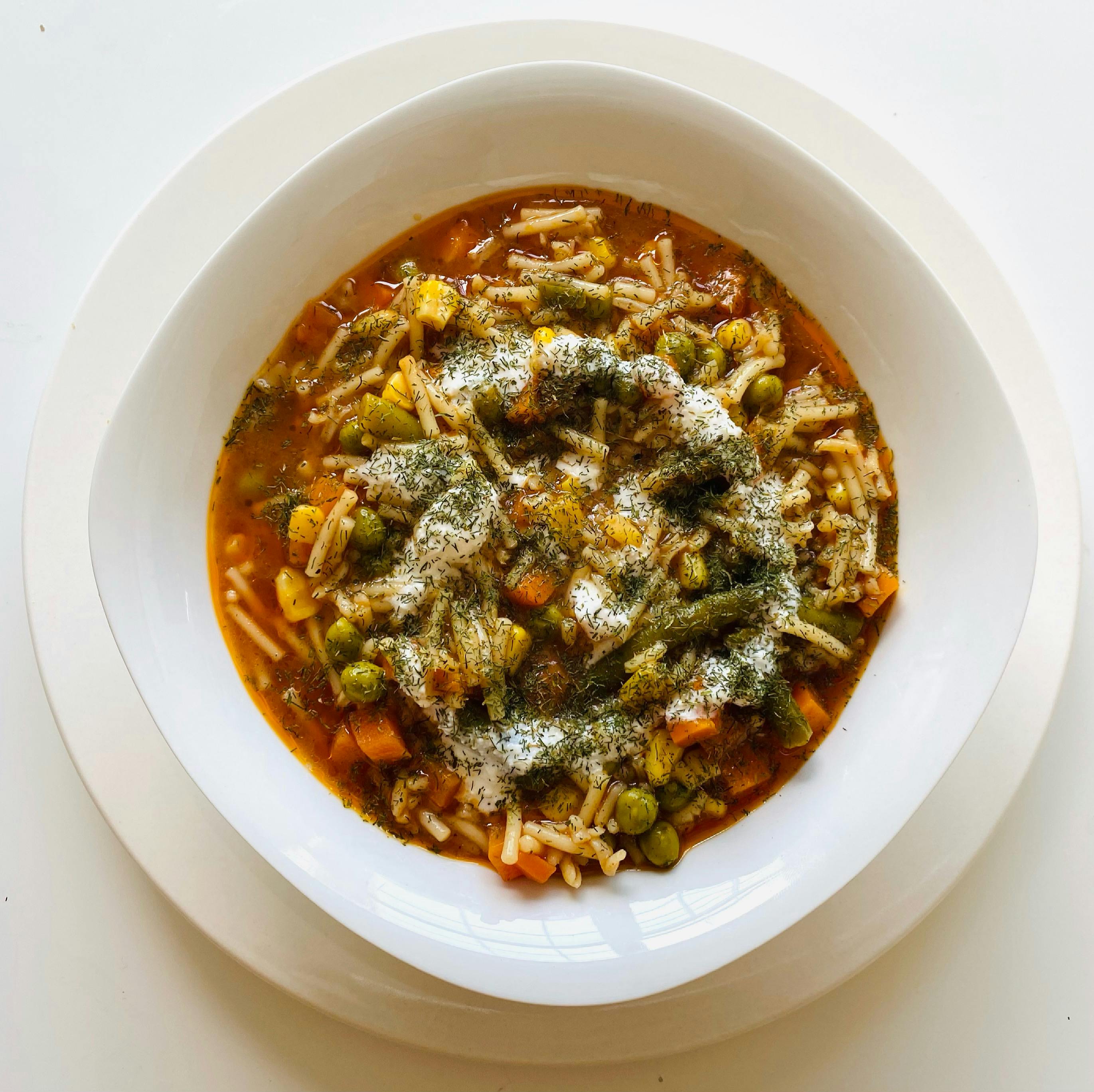
Photo: I Own My Food Art / Pexels
The diets react (see scores below)
Common Ingredients
- lamb
- chickpeas
- white beans
- potatoes
- tomatoes
- onion
- dried lime
- turmeric
Specific recipes may vary.
Incompatible with 6 of 11 diets
Diet Ratings
Abgoosht is fundamentally incompatible with a ketogenic diet due to its multiple high-carbohydrate ingredients. Chickpeas (~27g net carbs per 100g), white beans (~21g net carbs per 100g), and potatoes (~15-17g net carbs per 100g) are each individually capable of exceeding the entire daily keto carb limit in a single serving. Together in a traditional portion, these three ingredients alone could deliver 60-100g+ of net carbs, which is 2-5x the keto daily maximum. The lamb itself is keto-friendly, as are the tomatoes, onion, turmeric, and dried lime in small amounts, but the structural carbohydrate base of the dish cannot be worked around without fundamentally altering the recipe beyond recognition.
Abgoosht is a traditional Persian lamb stew/soup in which lamb is the primary protein and a core ingredient. Lamb is an animal product (red meat), making this dish entirely incompatible with a vegan diet. While the remaining ingredients — chickpeas, white beans, potatoes, tomatoes, onion, dried lime, and turmeric — are all plant-based and would be vegan-approved on their own, the presence of lamb disqualifies the dish entirely.
Abgoosht contains multiple clear paleo violations that place it firmly in the 'avoid' category. Chickpeas and white beans are both legumes — explicitly excluded from the paleo diet due to their lectin and phytate content. These are not peripheral ingredients but structural components of the dish. The combination of two separate legume varieties makes this a hard avoid with no practical workaround. Potatoes add a debated element, but the legumes alone are disqualifying. The remaining ingredients — lamb, tomatoes, onion, dried lime, and turmeric — are fully paleo-compliant, but they cannot redeem a dish built around legumes.
Abgoosht is a hearty Persian lamb stew with a mixed Mediterranean profile. The chickpeas, white beans, tomatoes, and onion are excellent plant-based components strongly aligned with Mediterranean principles, and the spices (turmeric, dried lime) add anti-inflammatory value with no dietary downside. However, lamb is a red meat, which the Mediterranean diet restricts to a few times per month or at most once weekly. The dish is otherwise whole-food and minimally processed, with no refined grains or added sugars, which is a significant positive. The substantial legume content partially offsets the red meat concern by providing plant protein and fiber. Overall, this dish is acceptable occasionally but does not qualify as a Mediterranean staple due to its lamb-forward identity.
Some Mediterranean diet scholars note that traditional Greek and Middle Eastern regional cuisines — which overlap culturally with Persian cooking — do include lamb in stews alongside legumes, and the high legume-to-meat ratio in Abgoosht could be seen as close to the Mediterranean spirit. In this interpretation, a bean-heavy lamb stew eaten infrequently could earn a slightly more permissive rating than outright caution.
Abgoosht is fundamentally incompatible with the carnivore diet. While it does contain lamb as the primary protein — which would otherwise be an excellent carnivore food — the dish is heavily loaded with multiple plant-based ingredients that are strictly excluded. Chickpeas and white beans are legumes, which are among the most anti-nutrient-dense plant foods carnivore practitioners avoid. Potatoes are starchy tubers, tomatoes are plant fruits, onion is a vegetable, dried lime is a citrus fruit, and turmeric is a plant spice. The lamb itself is the only carnivore-compatible ingredient in this dish. In its traditional form, Abgoosht cannot be considered carnivore in any tier of the diet — not even the more lenient 'animal-based' approach would sanction this level of plant food inclusion.
Abgoosht contains both chickpeas and white beans, which are legumes explicitly excluded on the Whole30 program. While all other ingredients — lamb, potatoes, tomatoes, onion, dried lime, and turmeric — are fully compliant, the presence of two excluded legumes makes this dish non-compliant. There is no exception for chickpeas or white beans (unlike green beans, sugar snap peas, and snow peas, which are explicitly allowed despite their legume classification).
Abgoosht contains multiple high-FODMAP ingredients that make it unsuitable during the elimination phase. Chickpeas and white beans are both high in GOS (galacto-oligosaccharides) and are among the most problematic legumes for IBS sufferers — both are rated high-FODMAP at typical serving sizes by Monash University. Onion is one of the highest fructan-containing foods and is consistently rated high-FODMAP at any meaningful quantity. Together, these three ingredients create a high-FODMAP load that cannot be mitigated by portion control when the dish is consumed as a soup where the FODMAPs leach into the broth. The remaining ingredients — lamb, potatoes, tomatoes, dried lime, and turmeric — are generally low-FODMAP and would be fine individually, but they cannot offset the significant FODMAP burden from the legumes and onion.
Abgoosht contains a mixed nutritional profile relative to DASH guidelines. On the positive side, it includes chickpeas and white beans (excellent sources of potassium, magnesium, fiber, and plant protein — core DASH foods), potatoes (potassium-rich), tomatoes (potassium, antioxidants), onion, turmeric, and dried lime (anti-inflammatory, low-calorie flavor enhancers). These ingredients strongly align with DASH principles. However, the primary protein is lamb, which is a red meat with meaningful saturated fat content — DASH guidelines explicitly limit red meat. Traditional abgoosht uses fatty cuts of lamb on the bone, which increases saturated fat further. The dish itself contains no added sodium from processed ingredients, which is favorable, but added salt during cooking (common in traditional preparation) can raise sodium substantially. If prepared with a lean lamb cut, limited added salt, and generous legumes, this dish moves closer to DASH-friendly territory. As traditionally prepared with fattier lamb cuts and typical salting, it warrants caution.
NIH DASH guidelines recommend limiting red meat broadly due to saturated fat concerns. However, updated clinical interpretations note that lean cuts of lamb (e.g., leg) have saturated fat levels comparable to some poultry, and the dominant nutritional contribution of this dish comes from its legume base — some DASH-aligned dietitians would consider a lean-lamb version of abgoosht acceptable within the DASH guideline of ≤2 small servings of lean meat per day.
Abgoosht presents a mixed Zone Diet profile. On the positive side, it contains lean-ish protein from lamb (though lamb carries more saturated fat than ideal Zone proteins like chicken or fish), legumes (chickpeas and white beans) that contribute both protein and low-to-moderate glycemic carbohydrates, and favorable anti-inflammatory spices like turmeric. Tomatoes and onions are Zone-favorable low-glycemic vegetables. However, the dish has two significant Zone concerns: (1) Potatoes are explicitly listed as an 'unfavorable' high-glycemic carbohydrate in Sears' Zone framework and should be minimized or eliminated for Zone compliance. (2) Lamb is a fatty red meat — higher in saturated fat than Zone-preferred proteins — making it harder to hit the 30% fat from predominantly monounsaturated sources. The combination of potatoes plus fatty lamb creates a double challenge. The legumes also contribute a carbohydrate load that, combined with potatoes, can easily push the carb ratio too high. With careful portioning — reducing or eliminating potatoes, using leaner cuts of lamb, keeping serving size modest — Abgoosht could be adapted for Zone meals, but as traditionally prepared it requires significant modification.
Some Zone practitioners, particularly those following Sears' later anti-inflammatory dietary evolution, may be more tolerant of lamb's saturated fat content if omega-3 intake is otherwise high. Additionally, the legumes (chickpeas, white beans) are genuinely favorable Zone carbohydrates with good fiber content that lowers net carbs, which partially offsets the potato concern. A practitioner focused on the soup's polyphenol content (turmeric, dried lime, tomatoes) and legume-based protein might rate this more favorably if potatoes are portioned minimally.
Abgoosht is a traditional Persian lamb stew with a mixed anti-inflammatory profile. On the positive side, it contains several strongly anti-inflammatory ingredients: turmeric (curcumin), chickpeas and white beans (fiber, polyphenols, plant protein), tomatoes (lycopene, antioxidants), onion (quercetin), and dried lime (vitamin C, flavonoids). These legumes are explicitly emphasized in anti-inflammatory frameworks like Dr. Weil's pyramid. The broth-based preparation is also preferable to fried or heavily processed cooking methods. The limiting factor is lamb, which is red meat with notable saturated fat content. Anti-inflammatory guidelines consistently place red meat in the 'limit' category — acceptable occasionally but not as a frequent dietary staple. The dish is not heavily processed, contains no refined carbohydrates or added sugars, and the spice profile (turmeric especially) actively counters some of the pro-inflammatory potential of the lamb. Potatoes are a neutral starch. Overall, this is a culturally rich, whole-food dish that would be a reasonable occasional choice, but the lamb content prevents a full approval. Portion size and frequency of consumption matter significantly here.
Some anti-inflammatory practitioners, particularly those following the Autoimmune Protocol (AIP), would flag both the legumes (lectins, phytates) and tomatoes (nightshade solanine) as potential triggers for inflammation in sensitive individuals, pushing this dish toward 'avoid' for that population. Conversely, Mediterranean and Dr. Weil-aligned approaches would view the legume-forward, spice-rich, whole-food nature of this dish as net anti-inflammatory, and might score it higher if lamb is consumed only occasionally.
Abgoosht is a traditional Persian lamb stew with a mixed nutritional profile for GLP-1 patients. On the positive side, it contains meaningful protein from lamb and dual legume sources (chickpeas and white beans), which also contribute substantial fiber — both top priorities. The legumes add plant-based protein density, and the broth-based format is easy to digest and hydrating, which suits GLP-1 patients well. Tomatoes, onion, turmeric, and dried lime add micronutrients with minimal caloric cost. However, lamb is a fatty red meat with notable saturated fat content, which is the primary concern here: high-fat meals worsen GLP-1 side effects including nausea, bloating, and reflux. Potatoes are starchy with limited fiber per calorie compared to the legumes. Preparation matters significantly — traditional abgoosht uses fattier lamb cuts (shoulder, shank) and the fat is not always skimmed. A defatted, leaner version with more legumes and less lamb would score higher. As served in a typical home or restaurant preparation, the saturated fat load from lamb keeps this in caution territory.
Some GLP-1-focused dietitians would approve a carefully prepared abgoosht because the legume-to-meat ratio can be favorable and the broth base supports hydration and easy digestion; they would argue the fiber and protein quality outweigh the fat concern if visible fat is trimmed and skimmed. Others maintain that any lamb-dominant dish carries too high a saturated fat risk for patients already prone to GI side effects, and would recommend substituting with chicken or turkey entirely.
*See how scores were generated at our methodology page.
Nutritional profile
Six traits that cut across every diet.
Fiber & Plants
How much whole-plant food and fiber it delivers.
Healthy Fats
The quality of its fats (unsaturated, omega-3).
Whole / Unprocessed
How close it is to its natural, unprocessed form.
Gut Gentle
How easy it is on digestion (low FODMAP, few irritants).
Low Glycemic
How little it spikes your blood sugar.
Protein Density
How much protein it packs per calorie.
Controversy Index
Higher controversy = more disagreement between diets.
Diet-Specific Tips
 Mediterranean — 4/10
View tips
- Lamb is a red meat, limited to a few times per month on the Mediterranean diet
- High legume content (chickpeas, white beans) is strongly Mediterranean-aligned
- Tomatoes, onion, and spices are wholesome, plant-based ingredients
- No refined grains, added sugars, or processed ingredients
- Dish is whole-food and minimally processed overall
- Portion size and frequency of consumption are key — occasional consumption is acceptable
 DASH — 5/10
View tips
- Lamb is a red meat high in saturated fat — limited by DASH guidelines
- Chickpeas and white beans are core DASH foods: high fiber, potassium, magnesium, plant protein
- Potatoes and tomatoes contribute potassium and align with DASH vegetable goals
- No processed or high-sodium ingredients in base recipe — sodium risk comes from added salt during cooking
- Turmeric, dried lime, and onion are DASH-compatible anti-inflammatory flavor agents
- Saturated fat and sodium levels depend heavily on cut of lamb and salting practices
- Lean lamb cuts with minimal added salt would improve DASH compatibility significantly
 Zone — 4/10
View tips
- Potatoes are explicitly 'unfavorable' high-glycemic carbohydrates in Zone methodology
- Lamb is higher in saturated fat than Zone-preferred lean proteins (chicken, fish)
- Chickpeas and white beans are Zone-favorable legumes with good fiber and moderate glycemic impact
- Tomatoes and onions are approved low-glycemic Zone vegetables
- Turmeric aligns with Sears' anti-inflammatory focus
- Combined carbohydrate load (potatoes + two types of legumes) can easily exceed Zone carb ratio
- Traditional preparation makes portion control and macro balancing challenging
 Anti-Inflammatory — 5/10
View tips
- Lamb is red meat — placed in the 'limit' category by anti-inflammatory guidelines due to saturated fat and arachidonic acid content
- Chickpeas and white beans are highly anti-inflammatory: fiber, plant protein, polyphenols — explicitly emphasized by Dr. Weil's pyramid
- Turmeric (curcumin) is one of the most well-researched anti-inflammatory spices
- Onion provides quercetin, a well-documented anti-inflammatory flavonoid
- Tomatoes contribute lycopene and antioxidants; neutral-to-positive for general population
- Dried lime adds vitamin C and flavonoids with antioxidant properties
- No refined carbohydrates, added sugars, seed oils, or processed ingredients
- Broth-based whole-food preparation is a favorable cooking method
- Potatoes are a neutral, unrefined starch — not pro-inflammatory in this context
 GLP-1 Friendly — 5/10
View tips
- Lamb is a fatty red meat with high saturated fat — primary GLP-1 concern
- Chickpeas and white beans provide strong fiber and plant protein — significant positives
- Broth-based format is easy to digest and hydrating — favorable for GLP-1 patients
- Dual legume base meaningfully boosts protein and fiber density per serving
- Potatoes add starchy calories with limited fiber benefit
- Fat content highly preparation-dependent: fattier cuts and unskimmed broth worsen the profile
- Turmeric has anti-inflammatory properties; dried lime adds flavor without caloric cost
- Small-portion friendly as a soup — suits reduced GLP-1 appetite well