Peruvian
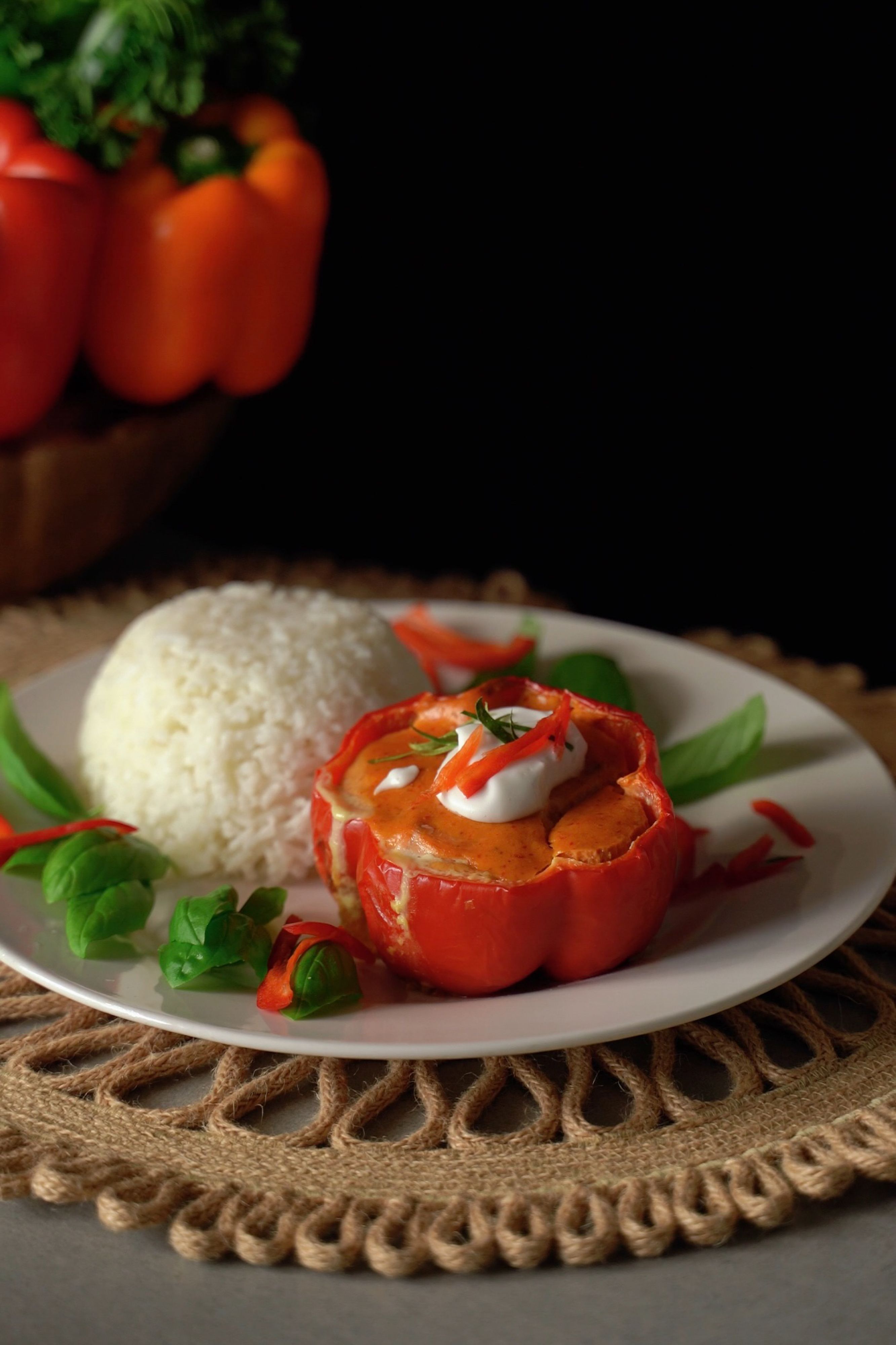
Rocoto Relleno
The diets react (see scores below)
Common Ingredients
- rocoto peppers
- ground beef
- onion
- cheese
- peanuts
- raisins
- eggs
- cumin
Specific recipes may vary.
Incompatible with 7 of 11 diets
Diet Ratings
Rocoto Relleno presents a mixed keto profile. The base ingredients — ground beef, eggs, cheese, and cumin — are keto-friendly. However, two ingredients raise significant concerns: raisins (very high sugar/carb content, ~79g carbs per 100g) and peanuts (moderate carbs, ~16g net carbs per 100g, and debated on strict keto). Rocoto peppers themselves are higher in carbs than most keto-approved peppers (~5-7g net carbs per pepper). The combination of raisins, peanuts, and the pepper base can easily push a single serving over the 20-25g net carb threshold. The dish could be made keto-compliant by omitting raisins entirely and limiting peanuts, but as traditionally prepared it is borderline to incompatible.
Some lazy keto or flexible keto practitioners may allow this dish in small portions, arguing that the raisins are a minor garnish and the overall meal is protein- and fat-forward. Strict keto adherents would outright reject it due to the raisins (added sugar/dried fruit) and peanuts, which are technically legumes with meaningful carb loads.
Rocoto Relleno contains multiple animal products that are categorically excluded from a vegan diet. Ground beef is mammalian meat, cheese is a dairy product, and eggs are an animal product. With three distinct animal-derived ingredients present, this dish is fundamentally incompatible with vegan dietary principles. The plant-based components (rocoto peppers, onion, peanuts, raisins, cumin) are irrelevant given the presence of such clearly non-vegan ingredients.
Rocoto Relleno contains cheese, which is a dairy product universally excluded from the paleo diet. This alone disqualifies the dish. Additionally, peanuts are legumes — not true nuts — and are explicitly excluded from paleo. Raisins, while technically dried fruit, are borderline due to their very high sugar concentration, though they would not be the primary disqualifier here. The remaining ingredients — rocoto peppers, ground beef, onion, eggs, and cumin — are all paleo-approved. However, the combination of two clear non-paleo ingredients (cheese and peanuts) makes this dish an avoid. The dish could theoretically be modified by removing cheese and peanuts, but as traditionally prepared it is not paleo-compatible.
Rocoto Relleno is centered on ground beef as the primary protein, which directly conflicts with Mediterranean diet principles that limit red meat to a few times per month. The dish lacks olive oil as a fat source, relies on cheese for additional fat, and while it does include some positive elements like peppers, onion, peanuts, and eggs, the dominant ingredient — ground beef — makes this a poor fit. Raisins add minimal sugar concern but are not the main issue. The overall protein and fat profile is inconsistent with Mediterranean dietary patterns.
Rocoto Relleno is fundamentally incompatible with the carnivore diet. The dish is built around rocoto peppers (a plant), and contains multiple additional plant-derived ingredients: onion, peanuts, raisins, and cumin. Peanuts are legumes, raisins are dried fruit, and onion and cumin are further plant foods — all strictly excluded. While the dish does contain carnivore-compatible ingredients (ground beef, eggs, and cheese), these are a minority of the ingredient list and the entire dish concept centers on a stuffed pepper. There is no meaningful carnivore modification possible here without completely deconstructing the dish. The presence of raisins (sugar-laden fruit) and peanuts (legumes) makes this especially problematic even by the most lenient carnivore standards.
Rocoto Relleno contains two clearly excluded ingredients: cheese (dairy, which is explicitly prohibited on Whole30) and peanuts (legumes, also explicitly prohibited). Either of these alone would disqualify the dish. Raisins are technically Whole30-compliant (dried fruit with no added sugar), and the remaining ingredients — rocoto peppers, ground beef, onion, eggs, and cumin — are all fully compliant. However, the presence of both cheese and peanuts makes this dish incompatible with the Whole30 program without significant reformulation.
Rocoto Relleno contains multiple high-FODMAP ingredients that make it unsuitable during the elimination phase. Onion is one of the highest-fructan foods and a primary FODMAP offender — it is essentially unavoidable in this dish. Raisins are high in fructose and polyols (sorbitol) at typical serving sizes. Cheese used in this dish is typically a fresh or semi-soft variety, which may contain significant lactose depending on type. Peanuts are moderate in GOS and can become problematic above small quantities (~32g). Even setting aside onion and raisins, the combination of multiple moderate-FODMAP ingredients creates a significant cumulative FODMAP load (stacking effect). Ground beef, eggs, cumin, and rocoto peppers themselves are low-FODMAP, but they cannot offset the high-FODMAP components.
Some FODMAP practitioners note that if onion is replaced with the green tops of spring onions and raisins are omitted entirely, a modified version of this dish could potentially be tolerated. However, Monash University would still flag the standard recipe as high-FODMAP due to onion and raisins, and most elimination-phase protocols advise avoiding this dish as traditionally prepared. The type of cheese matters significantly — hard aged cheeses (low lactose) vs. fresh cheese (higher lactose) changes the FODMAP burden meaningfully.
Rocoto Relleno is a mixed dish from a DASH perspective. The rocoto pepper base is a positive — peppers are vegetables rich in potassium, vitamin C, and fiber, which DASH strongly endorses. However, several components create concern: ground beef (especially if regular-fat, >15% fat) contains saturated fat, which DASH limits and recommends replacing with leaner proteins; cheese contributes saturated fat and sodium; peanuts are generally DASH-friendly (healthy fats, magnesium) but add caloric density. Raisins provide potassium and natural sweetness without added sugar. Eggs are acceptable in moderation under current DASH-aligned interpretations. Cumin and onion are DASH-neutral aromatics. The primary concerns are the combination of ground beef and cheese increasing saturated fat load, and the likelihood of moderate-to-high sodium from cheese and seasoning. The dish is not categorically incompatible with DASH but requires portion control and ingredient modifications (lean ground beef, reduced-fat cheese) to fit within DASH guidelines more comfortably.
NIH DASH guidelines explicitly limit red meat and full-fat dairy due to saturated fat content, placing standard Rocoto Relleno in a problematic category. However, updated clinical interpretations note that moderate red meat consumption within an otherwise DASH-compliant diet may be acceptable, and some DASH practitioners focus more on overall dietary pattern than individual meals — in this context, a carefully portioned Rocoto Relleno with lean beef and reduced-fat cheese could fit a DASH week's eating plan.
Rocoto Relleno is a stuffed pepper dish with a mixed Zone profile. The rocoto pepper itself is an excellent Zone vehicle — a colorful, low-glycemic vegetable that contributes polyphenols and fiber, well-aligned with Dr. Sears' emphasis on colorful vegetables. Ground beef provides protein but is less ideal than lean protein sources like skinless chicken or fish; fat content depends heavily on the grind (80/20 vs. 90/10 would matter significantly). Cheese adds saturated fat, which Zone cautions against in excess. The problematic ingredients are raisins (classified as an 'unfavorable' carb by Sears — high sugar, high glycemic load) and peanuts (omega-6-heavy, which conflicts with Zone's anti-inflammatory emphasis and technically a legume, not a monounsaturated fat like almonds or macadamia nuts). Eggs contribute quality protein. Onion and cumin are Zone-friendly. The dish can approximate Zone ratios — the pepper acts as the carb block, beef and eggs as protein blocks — but the raisins spike glycemic load and peanuts introduce excess omega-6 fat. With modified portioning and potentially substituting leaner beef, this dish moves toward Zone-compatible territory, but as traditionally prepared it requires meaningful adjustments.
A Zone-strict practitioner following Dr. Sears' earlier 'Enter the Zone' favorable/unfavorable food lists would flag raisins as an unfavorable carb to eliminate and peanuts as a poor fat choice (high omega-6, not monounsaturated-dominant). However, Sears' later anti-inflammatory framework acknowledges that whole food context matters — peanuts in small quantities within an otherwise balanced meal are far less problematic than processed seed oils, and raisins in a small stuffing portion may represent only a fraction of a carb block. Some Zone practitioners would consider this dish workable with lean beef and portion control; purists following the favorable/unfavorable classifications would score it lower.
Rocoto Relleno is a traditional Peruvian stuffed pepper dish with a mixed anti-inflammatory profile. On the positive side, rocoto peppers are rich in capsaicin, vitamin C, and carotenoids — all with documented anti-inflammatory properties. Cumin contains compounds like cuminaldehyde with antioxidant activity. Onion provides quercetin, a notable anti-inflammatory flavonoid. Eggs offer choline and selenium. Peanuts contain resveratrol and healthy fats, though they also carry a meaningful omega-6 load. On the negative side, ground beef is the primary protein — red meat is associated with increased inflammatory markers (arachidonic acid, saturated fat) and is flagged as 'limit' in anti-inflammatory frameworks. Cheese (likely a fresh or melting variety like queso fresco) adds saturated fat, though in modest amounts it may be acceptable. Raisins contribute natural sugars and some antioxidants but their glycemic impact is moderate. The dish lacks omega-3 sources and anti-inflammatory fats like olive oil are not inherent to the recipe. Overall, the dish is a cultural whole-food preparation — not processed — but the red meat base prevents a full approval. Substituting ground turkey or plant-based protein would significantly improve the profile.
Some anti-inflammatory practitioners, including those aligned with AIP or strict protocols, would also flag the nightshade pepper (rocoto) and eggs as potential triggers for inflammation in individuals with autoimmune conditions — though mainstream anti-inflammatory nutrition (Dr. Weil's framework) considers both beneficial due to their high antioxidant content. The red meat concern is broadly agreed upon, but context matters: occasional red meat in a whole-food, vegetable-forward dish is treated more permissively by some researchers than habitual consumption.
Rocoto Relleno presents multiple significant concerns for GLP-1 patients. The rocoto pepper is one of the hottest peppers used in Peruvian cuisine (100,000–250,000 Scoville units), which poses a meaningful risk of worsening nausea, reflux, and GI irritation — already common GLP-1 side effects. Ground beef is a moderate-to-high saturated fat protein source depending on fat percentage, and combined with cheese and peanuts, the dish accumulates substantial fat per serving. Raisins add a concentrated sugar load with minimal fiber benefit in the quantities typically used. The combination of high fat, high heat/spice, and added sugars makes this a poor fit across multiple GLP-1 dietary rules simultaneously. While eggs and ground beef do contribute protein, the overall nutritional profile does not justify the GI risk for most GLP-1 patients.
Some GLP-1-experienced dietitians may rate the dish higher if the ground beef is lean (90%+ lean), cheese is reduced, and the patient has demonstrated personal tolerance to spicy foods — spice sensitivity varies widely among GLP-1 patients and not all experience reflux or nausea from capsaicin. In those cases, the dish could be viewed as a moderate-protein, culturally meaningful meal worth adapting rather than eliminating.
*See how scores were generated at our methodology page.
Nutritional profile
Six traits that cut across every diet.
Fiber & Plants
How much whole-plant food and fiber it delivers.
Healthy Fats
The quality of its fats (unsaturated, omega-3).
Whole / Unprocessed
How close it is to its natural, unprocessed form.
Gut Gentle
How easy it is on digestion (low FODMAP, few irritants).
Low Glycemic
How little it spikes your blood sugar.
Protein Density
How much protein it packs per calorie.
Controversy Index
Higher controversy = more disagreement between diets.
Diet-Specific Tips
 Keto — 4/10
View tips
- Raisins are high in sugar and net carbs — a major keto red flag regardless of quantity
- Peanuts are legumes with moderate net carbs (~16g/100g), debated on strict keto
- Rocoto peppers have higher carb content than typical keto vegetables
- Ground beef, eggs, and cheese are keto-approved components
- Traditional preparation makes it difficult to stay under 20g net carbs per serving
- Dish can be modified (removing raisins, limiting peanuts) to become more keto-compatible
 DASH — 4/10
View tips
- Rocoto pepper base is a DASH-positive vegetable rich in potassium and fiber
- Ground beef (standard fat) contributes saturated fat, which DASH limits
- Cheese adds both saturated fat and sodium — two key DASH concerns
- Peanuts provide DASH-friendly unsaturated fats and magnesium
- Raisins contribute natural sugars and potassium without added sugar penalty
- Eggs are acceptable in moderation under current DASH-aligned guidelines
- Overall saturated fat load from beef + cheese combination is a concern
- Dish can be modified (lean beef, reduced-fat cheese) to improve DASH compatibility
 Zone — 5/10
View tips
- Rocoto pepper is an excellent low-glycemic, polyphenol-rich Zone carb vehicle
- Raisins are classified as 'unfavorable' carbs in Zone due to high sugar density and glycemic load
- Peanuts are high in omega-6 fatty acids, conflicting with Zone's anti-inflammatory and monounsaturated fat preference
- Ground beef fat content is variable — leaner grinds improve Zone compatibility significantly
- Cheese adds saturated fat, which Zone limits but does not eliminate
- Eggs contribute high-quality protein aligned with Zone lean protein goals
- Dish can approximate 40/30/30 ratios with portion control but requires modification of raisins and peanuts for optimal Zone compliance
 Anti-Inflammatory — 5/10
View tips
- Rocoto peppers are high in capsaicin, vitamin C, and carotenoids — strong anti-inflammatory compounds
- Ground beef is a red meat classified as 'limit' in anti-inflammatory diets due to saturated fat and arachidonic acid content
- Cumin and onion contribute antioxidant and anti-inflammatory phytochemicals
- Cheese adds saturated fat, acceptable in small amounts but a mild pro-inflammatory flag
- Peanuts provide some beneficial fats and resveratrol but contribute omega-6 fatty acids
- Raisins offer antioxidants but also concentrated natural sugars
- No omega-3 sources present; dish lacks anti-inflammatory fats like extra virgin olive oil
- Whole-food, minimally processed preparation is a positive structural factor