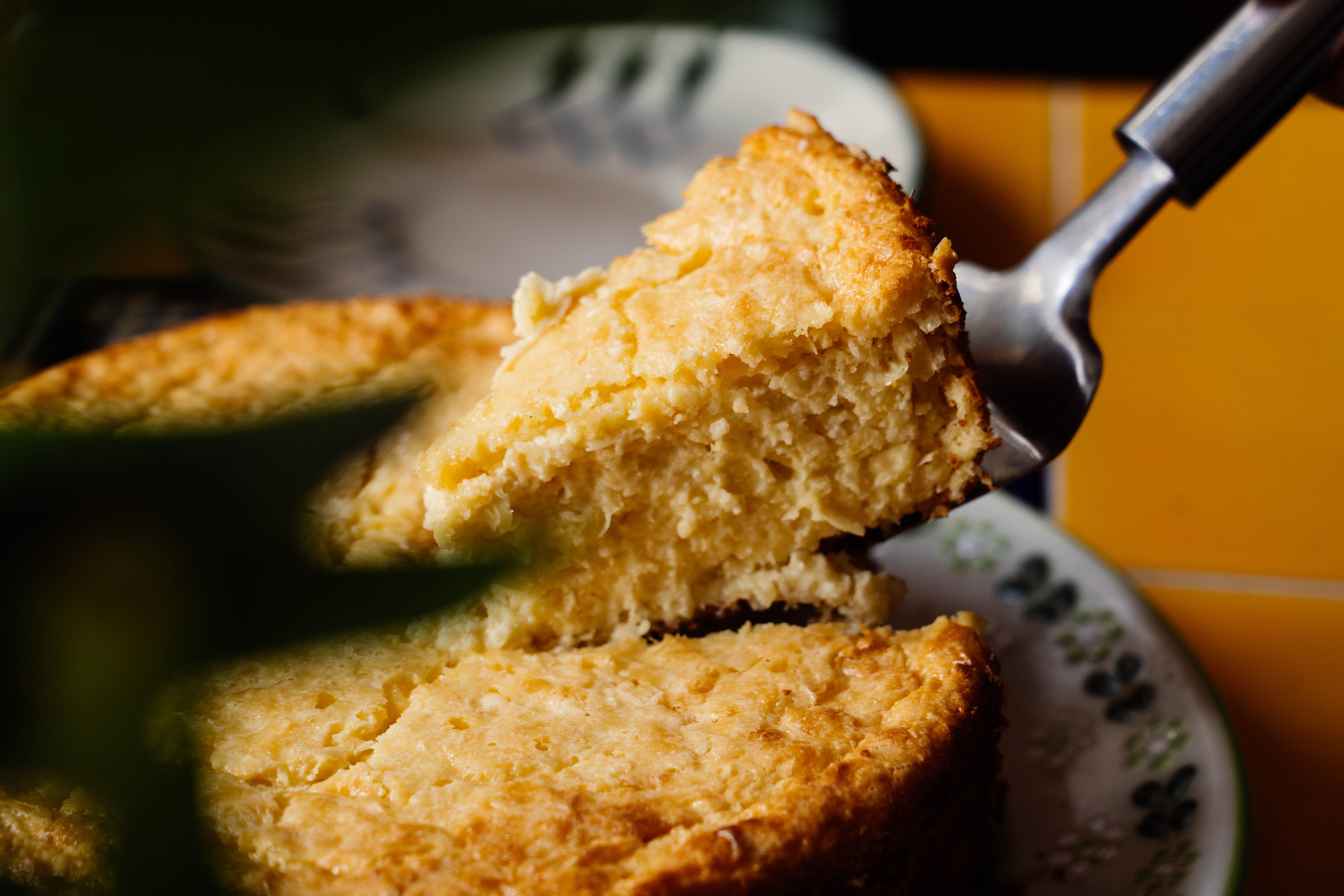
Photo: Alejandro JV / Pexels
Taiwanese
Pineapple Cake
The diets react (see scores below)
Common Ingredients
- flour
- butter
- eggs
- sugar
- pineapple
- baking powder
- salt
- vanilla
Specific recipes may vary.
Incompatible with 11 of 11 diets
Diet Ratings
Taiwanese Pineapple Cake is fundamentally incompatible with a ketogenic diet. It contains multiple high-carb ingredients that each independently disqualify it: wheat flour (a grain with very high net carbs), sugar (added sugar with zero tolerance on keto), and pineapple (a high-sugar tropical fruit). A single standard pineapple cake piece can easily contain 30-40g of net carbs, which alone exceeds or nearly exhausts the entire daily keto carb budget. There is no meaningful way to consume this in a portion that supports ketosis.
Taiwanese pineapple cake (鳳梨酥) as listed contains butter and eggs, both of which are animal-derived products that are explicitly excluded from a vegan diet. Butter is a dairy product made from cow's milk fat, and eggs are an animal product. These are core structural ingredients in this recipe — not trace contaminants — making this dish clearly non-vegan. The pineapple filling itself is plant-based, but the pastry shell is fundamentally built on animal ingredients. Vegan versions of pineapple cake can be made by substituting plant-based butter (e.g., coconut oil or vegan margarine) and flax eggs or aquafaba, but the traditional recipe as described here is not vegan-compliant.
Taiwanese Pineapple Cake contains multiple non-paleo ingredients that disqualify it entirely. Flour (wheat) is a grain and strictly excluded from the paleo diet. Butter is a dairy product, also excluded. Sugar is refined and excluded. Baking powder typically contains cornstarch (a grain derivative) and is a processed additive. Salt is excluded as an added ingredient. The only paleo-compliant ingredients in this dish are eggs, pineapple, and vanilla. The foundational structure of this cake — flour, butter, and sugar — represents the core of what paleo explicitly rejects, making this a clear avoid with high confidence across all paleo authorities.
Pineapple cake is a Taiwanese pastry that fundamentally contradicts Mediterranean diet principles. The base is refined white flour, a refined grain offering little nutritional value. Butter is the primary fat, directly opposing the Mediterranean principle of extra virgin olive oil as the primary fat source. Added sugar is a core ingredient, placing this firmly in the 'minimal added sugars' category to avoid. While pineapple itself is a fruit aligned with Mediterranean eating, it is used here as a sweetened filling within a highly processed pastry format. Eggs provide some nutritional value but cannot redeem the overall profile. This is a processed sweet snack with refined grains, added sugars, and saturated fat — all hallmarks of foods the Mediterranean diet discourages.
Pineapple Cake is fundamentally incompatible with the carnivore diet. The dish is composed almost entirely of plant-derived and processed ingredients: flour (grain), sugar (processed plant), pineapple (fruit), baking powder (plant-derived leavening), and vanilla (plant extract). While it does contain butter and eggs — both animal-derived — these are minor components in a baked good that is essentially a grain-and-fruit confection. There is no meaningful animal protein present, and the dominant macronutrient profile is carbohydrates from plant sources. This food is explicitly excluded under every tier of the carnivore diet, from the strictest Lion Diet to the most liberal animal-based approaches.
Pineapple Cake contains multiple excluded ingredients and also violates the 'no recreating baked goods' rule. Flour is a grain product (wheat), butter is dairy (not ghee), and sugar is an added sweetener — all explicitly excluded on Whole30. Even if these ingredients were substituted with compliant alternatives, the dish itself is a cake, which falls squarely into the category of baked goods that Whole30 prohibits recreating regardless of ingredient compliance.
Taiwanese pineapple cake contains wheat flour as a primary ingredient, which is high in fructans — a key FODMAP group that must be restricted during the elimination phase. Wheat flour is one of the clearest 'avoid' foods in the Monash system regardless of serving size. Additionally, pineapple becomes high-FODMAP at amounts exceeding approximately 140g (around 1 cup) due to excess fructose, and a typical pineapple cake filling contains a meaningful quantity of pineapple. The combination of wheat flour (high fructans, no safe threshold in standard servings) and potentially high pineapple content makes this dish unsuitable during elimination. Butter, eggs, sugar, salt, baking powder, and vanilla are all low-FODMAP and not a concern.
Taiwanese Pineapple Cake is a butter-rich, sugar-dense pastry that conflicts with core DASH principles on multiple fronts. The combination of butter (high in saturated fat), refined white flour (low fiber, not a whole grain), and significant added sugar makes this a food DASH explicitly discourages. While pineapple itself is a DASH-friendly fruit high in potassium and vitamin C, it is present in relatively small amounts as a filling and is typically cooked with added sugar into a jam-like paste, negating its nutritional benefit. The pastry shell is essentially a shortbread-style dough high in saturated fat. DASH guidelines directly limit saturated fat, refined grains, and added sugars — all of which are primary components of this snack. As a small, portion-controlled occasional treat it is not categorically forbidden, but as a food item it is firmly in the 'limit or avoid' category under DASH guidelines.
Taiwanese Pineapple Cake is a dense, sweet pastry that is fundamentally incompatible with Zone Diet principles. The macronutrient profile is dominated by high-glycemic carbohydrates (refined white flour, sugar, pineapple filling) and saturated fat (butter), with negligible protein content. This creates a macro ratio that is the near-opposite of the Zone's 40/30/30 target — likely closer to 65-70% carbs, 20-25% fat, and 5% protein by calories. The refined flour and sugar spike blood glucose rapidly, exactly the hormonal response Zone is designed to prevent. Butter contributes saturated fat rather than the preferred monounsaturated fats. There is no lean protein component to build Zone blocks around. While pineapple itself contains some beneficial polyphenols and enzymes (bromelain), in this application it typically appears as a sweetened jam filling, negating those benefits. Unlike a caution-rated food that can be portioned into a Zone-balanced meal, this pastry cannot be incorporated into any reasonable Zone block configuration without severely distorting the meal's macronutrient ratio. It scores a 2 rather than 1 only because eggs contribute a modest protein element and pineapple provides some micronutrients.
Taiwanese pineapple cake is a sweet pastry that combines several pro-inflammatory ingredients. The base is refined wheat flour, a refined carbohydrate that spikes blood sugar and can promote inflammatory markers. Butter contributes saturated fat, which is flagged as a limit/avoid ingredient in anti-inflammatory frameworks. Sugar is a significant ingredient both in the pastry shell and in the pineapple filling (which in traditional recipes is heavily sweetened, often with more sugar or corn syrup). While pineapple itself contains bromelain, a mildly anti-inflammatory enzyme, and some antioxidants, the small amount used in this context — surrounded by refined flour, butter, and added sugar — does not meaningfully offset the inflammatory load. Eggs and vanilla are neutral to mildly positive, and baking powder and salt are negligible. Overall, this is a refined-carbohydrate, saturated-fat, added-sugar snack with no meaningful anti-inflammatory profile. It should be treated as an occasional indulgence, not a regular dietary choice.
Taiwanese pineapple cake is a butter-rich, sugar-heavy pastry with refined flour and minimal protein or fiber. A standard serving (one cake, ~40-50g) delivers primarily refined carbohydrates and saturated fat from butter, with negligible protein and very little fiber despite the pineapple filling. This is the definition of empty calories in the GLP-1 context: high caloric density per small bite, no meaningful protein to support muscle retention, and a fat and sugar profile that can worsen nausea, bloating, and reflux — all common GLP-1 side effects. The refined flour and sugar also cause rapid blood sugar spikes followed by crashes, working against the metabolic goals of GLP-1 therapy. The pineapple component is nutritionally marginal in the quantities used and is typically processed with added sugar in traditional recipes. This food provides almost nothing that a GLP-1 patient needs from a limited calorie budget.
*See how scores were generated at our methodology page.
Nutritional profile
Six traits that cut across every diet.
Fiber & Plants
How much whole-plant food and fiber it delivers.
Healthy Fats
The quality of its fats (unsaturated, omega-3).
Whole / Unprocessed
How close it is to its natural, unprocessed form.
Gut Gentle
How easy it is on digestion (low FODMAP, few irritants).
Low Glycemic
How little it spikes your blood sugar.
Protein Density
How much protein it packs per calorie.
Controversy Index
Higher controversy = more disagreement between diets.