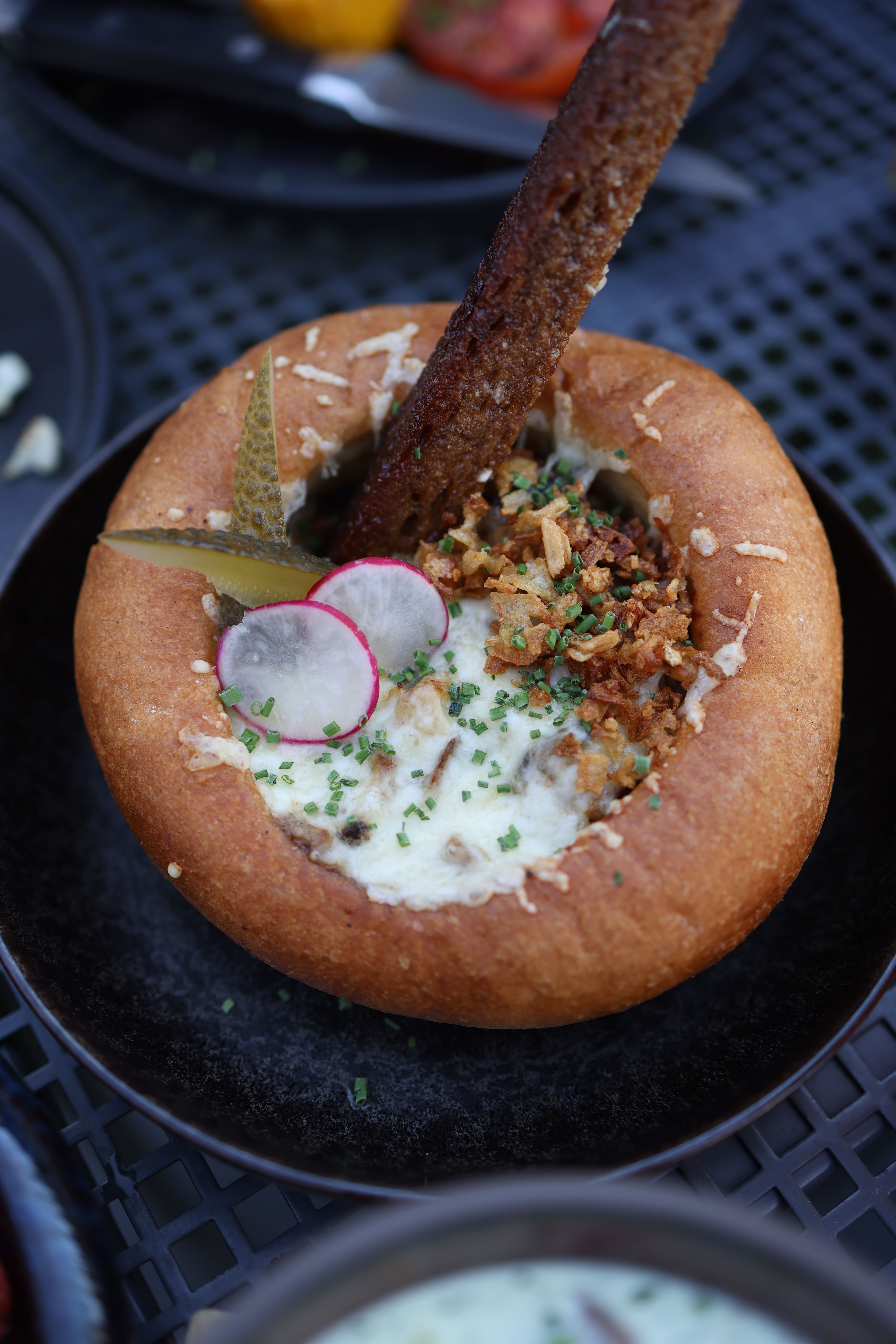
Photo: Valeria Boltneva / Pexels
The diets react (see scores below)
Common Ingredients
- rye flour
- kielbasa
- eggs
- garlic
- onion
- marjoram
- potatoes
- bay leaf
Specific recipes may vary.
Incompatible with 8 of 11 diets
Diet Ratings
Zurek is fundamentally incompatible with a ketogenic diet due to two major high-carb ingredients: rye flour (used as the souring base) and potatoes. Rye flour is a grain and contains significant net carbs, directly violating keto's zero-tolerance rule for grains. Potatoes are a starchy vegetable with very high net carbs — a standard serving can contain 15-30g of net carbs on its own. Together, these two ingredients would almost certainly push a single serving well beyond the 20-50g daily net carb limit. The kielbasa and eggs are keto-friendly, and garlic, onion, marjoram, and bay leaf are used in small enough quantities to be negligible, but they cannot offset the core carb problem. This dish would require such fundamental restructuring (removing both potatoes and rye flour) that it would no longer be recognizable as Zurek.
Zurek contains multiple animal-derived ingredients that make it entirely incompatible with a vegan diet. Kielbasa is a pork sausage (meat product), and eggs are explicitly excluded from vegan diets. Both ingredients are unambiguous animal products with no vegan debate around their status. While the base of the soup — rye flour sour starter, garlic, onion, marjoram, potatoes, and bay leaf — is plant-based, the dish as traditionally prepared and listed here cannot be considered vegan in any sense.
Zurek is a traditional Polish sour rye soup whose defining base is a rye flour starter — a grain product that is unambiguously excluded from the paleo diet. Rye is a cereal grain high in gluten and anti-nutrients (lectins, phytates), and it forms the foundational flavor and structure of the dish, meaning it cannot simply be omitted. Kielbasa is a processed sausage that typically contains added salt, preservatives, and often fillers, making it a processed meat by paleo standards. Potatoes are debated in paleo circles but are a secondary concern here. Eggs, garlic, onion, marjoram, and bay leaf are paleo-compliant ingredients, but the core of the dish — the rye sour base — makes Zurek incompatible with the paleo diet. With two major non-paleo violations (rye flour + processed kielbasa), this dish scores very low.
Zurek is a traditional Polish sour rye soup that significantly conflicts with Mediterranean diet principles. The primary protein driver is kielbasa, a processed pork sausage high in saturated fat and sodium, which falls squarely in the 'avoid' category as a processed red meat product. While some ingredients are benign or even favorable (garlic, onion, eggs, potatoes, rye flour as a fermented base), the kielbasa dominates the nutritional profile and dietary character of the dish. Processed meats are among the foods most strongly discouraged in Mediterranean eating patterns. The dish has no olive oil, no fish, no legumes, and no fresh vegetables as primary components. Even setting aside the kielbasa, this is not a plant-forward dish and has no meaningful Mediterranean heritage or alignment.
Zurek is a traditional Polish sour rye soup that is fundamentally incompatible with the carnivore diet. The base of the dish is a sour rye starter made from rye flour — a grain and a strictly prohibited plant food. Beyond the rye base, the dish contains multiple other plant-based ingredients: potatoes (starchy tuber), onion, garlic, marjoram (herb/spice), and bay leaf. While kielbasa and eggs are animal-derived components, they are entirely overshadowed by the dominant plant-based ingredients that define the dish. Even the most lenient carnivore practitioners would not consume this soup, as rye flour alone disqualifies it entirely. The dish is essentially a grain-based soup with meat garnish, not an animal-based meal.
Zurek is a traditional Polish sour rye soup whose defining characteristic is a rye flour starter (żur/zakwas) — rye is a grain and is explicitly excluded on Whole30. Additionally, kielbasa (Polish sausage) as commonly sold nearly always contains added sugar, nitrates, and sometimes soy or other non-compliant additives. The combination of a grain-based sourdough base and likely non-compliant sausage makes this dish incompatible with Whole30. The remaining ingredients — eggs, garlic, onion, marjoram, potatoes, bay leaf — are all Whole30-compliant, but they cannot rescue a dish whose foundational ingredient is an excluded grain.
Zurek contains multiple high-FODMAP ingredients that make it unsuitable during the elimination phase. Rye flour (the defining ingredient of the sour rye base) is high in fructans, as is garlic and onion — both of which are among the most significant FODMAP triggers and are used as foundational flavor components in this soup. Kielbasa (Polish sausage) often contains garlic and onion as ingredients, adding further fructan load. Even if potatoes, eggs, marjoram, and bay leaf are individually low-FODMAP, the combination of rye flour, onion, and garlic makes this dish clearly high-FODMAP at any standard serving. There is no realistic way to prepare traditional Zurek during the elimination phase without fundamentally altering its core identity.
Zurek is a traditional Polish sour rye soup that contains several ingredients problematic for the DASH diet. The primary concern is kielbasa (Polish sausage), which is a processed red meat extremely high in sodium and saturated fat — two nutrients DASH explicitly limits. A typical serving of kielbasa can contribute 600-1,000mg of sodium alone, pushing a single bowl of this soup dangerously close to or beyond the entire daily sodium budget on the low-sodium DASH plan. The rye flour fermented base (sour starter) adds additional sodium from fermentation. While several ingredients are DASH-friendly — eggs (in moderation), garlic, onion, marjoram, potatoes, and bay leaf are all acceptable or beneficial — the kielbasa is a disqualifying ingredient in its standard form. The combination of processed meat, high sodium, and saturated fat makes this soup incompatible with DASH goals as traditionally prepared.
NIH DASH guidelines clearly flag processed/cured meats like kielbasa as high-sodium, high-saturated-fat foods to limit. However, some DASH-oriented clinicians note that if kielbasa is replaced with a lean turkey or chicken sausage and the recipe is modified to reduce sodium, the underlying structure of Zurek — fermented rye, vegetables, eggs — could be adapted into a DASH-compatible dish. The verdict here applies strictly to the traditional preparation.
Zurek is a traditional Polish sour rye soup that presents significant Zone Diet challenges despite having some redeemable qualities. The dish contains eggs (acceptable Zone protein), garlic and onion (low-glycemic vegetables, favorable), and marjoram (spice, neutral). However, two ingredients create meaningful problems: potatoes and kielbasa. Potatoes are explicitly listed by Dr. Sears as a high-glycemic 'unfavorable' carbohydrate to avoid, alongside the rye flour base which drives glycemic load upward. Kielbasa is a processed, fatty sausage high in saturated fat and sodium — far from the lean protein ideal of Zone. The combination of high-GI starchy carbs (potatoes + rye), processed fatty meat (kielbasa), and relatively modest egg protein makes the macro ratio skewed toward unfavorable carbs and saturated fat with insufficient lean protein to balance. A traditional serving would be difficult to fit into a Zone block structure without significant modification (removing or drastically reducing potatoes, substituting leaner protein). The sour rye base itself has some polyphenol value and the fermentation process lowers effective glycemic impact somewhat, which prevents a lower score. As served traditionally, this soup requires major restructuring to approach Zone ratios.
Some Zone practitioners note that rye-based sours have a lower glycemic impact than regular wheat bread due to fermentation and acidity, and that the overall mixed-macro nature of a hearty soup could approximate Zone ratios if potatoes are minimized and kielbasa portioned very small. Additionally, Sears' later writings place more emphasis on overall anti-inflammatory load than strict GI exclusion, so a small-portioned Zurek with emphasis on the egg and garlic components might be more tolerable than the traditional preparation suggests.
Zurek is a traditional Polish sour rye soup with a mixed anti-inflammatory profile. On the positive side, it contains several beneficial ingredients: garlic and onion are well-established anti-inflammatory agents rich in allicin, quercetin, and polyphenols; marjoram and bay leaf provide antioxidant polyphenols; eggs contribute choline and selenium with a neutral-to-modest inflammatory profile; and the fermented rye base (sour rye starter/żur) offers some prebiotic and probiotic-adjacent benefits from lactic acid fermentation. Potatoes, while starchy, contain resistant starch and vitamin C. However, kielbasa (Polish smoked sausage) is a processed red meat product — high in saturated fat, sodium, and often containing nitrates/nitrites and artificial preservatives, all of which are pro-inflammatory by anti-inflammatory diet standards. Kielbasa is the primary drag on this dish's rating. The dish is also relatively high in sodium overall. The fermented rye base is a meaningful positive differentiator from typical processed soups, but it does not offset the processed meat load. As a traditional comfort food, Zurek is acceptable occasionally but is not aligned with regular anti-inflammatory eating due to the kielbasa component.
Some fermented food advocates (including those aligned with gut-health focused anti-inflammatory frameworks) would highlight the fermented rye starter as a meaningful pro-gut-microbiome element that could reduce systemic inflammation; from this perspective the dish deserves more credit. Conversely, stricter anti-inflammatory protocols (e.g., those emphasizing avoidance of all processed meats) would rate this closer to an 'avoid' due to kielbasa's nitrate content and saturated fat load.
Zurek is a traditional Polish sour rye soup made with fermented rye flour starter, kielbasa, hard-boiled eggs, potatoes, garlic, onion, marjoram, and bay leaf. It has some GLP-1-friendly qualities — eggs provide solid protein, the fermented rye base offers some fiber and probiotic-adjacent properties, and garlic and onion add micronutrient value. However, the dish is significantly held back by kielbasa, which is a processed fatty sausage high in saturated fat and sodium. High fat content per serving is a meaningful concern for GLP-1 patients because it worsens nausea, bloating, and reflux — already common side effects. Potatoes add digestible carbohydrates with modest fiber and some potassium, which is not inherently problematic but contributes to caloric density without much protein payoff. The soup format itself is a positive: liquid-based meals are generally easier to digest and portion-control friendly on GLP-1 medications. If prepared with a reduced amount of kielbasa (or substituted with a leaner sausage), extra eggs, and moderate potato portions, the dish could score higher. As typically prepared in traditional recipes, the kielbasa fat load is the primary concern.
Some GLP-1-focused dietitians may view Zurek more favorably as a warm, broth-based, portion-friendly meal that delivers eggs as a complete protein source and encourages hydration — arguing that the kielbasa quantity in a single bowl is small enough that fat load is manageable. Others hold a stricter line on processed meats due to their saturated fat and sodium content, particularly given that GLP-1 patients have slowed gastric emptying and may experience prolonged fat-related GI discomfort from even modest amounts of fatty processed meat.
*See how scores were generated at our methodology page.
Nutritional profile
Six traits that cut across every diet.
Fiber & Plants
How much whole-plant food and fiber it delivers.
Healthy Fats
The quality of its fats (unsaturated, omega-3).
Whole / Unprocessed
How close it is to its natural, unprocessed form.
Gut Gentle
How easy it is on digestion (low FODMAP, few irritants).
Low Glycemic
How little it spikes your blood sugar.
Protein Density
How much protein it packs per calorie.
Controversy Index
Higher controversy = more disagreement between diets.
Diet-Specific Tips
 Zone — 4/10
View tips
- Potatoes are explicitly 'unfavorable' high-glycemic carbs in Zone Diet methodology
- Kielbasa is a processed, fatty sausage — high saturated fat, far from lean protein ideal
- Rye flour base adds carbohydrate load; fermentation slightly reduces glycemic impact
- Eggs provide some Zone-appropriate protein but are insufficient to balance the heavy carb load
- Garlic, onion, and marjoram are favorable Zone ingredients (low-glycemic, anti-inflammatory)
- Traditional serving makes 40/30/30 macro ratio very difficult to achieve without major modifications
- High sodium content from kielbasa is a secondary concern in Zone's overall health framework
 Anti-Inflammatory — 4/10
View tips
- Kielbasa is a processed red meat high in saturated fat, sodium, and likely nitrates — a clear pro-inflammatory element
- Fermented rye base provides lactic acid fermentation benefits and some prebiotic fiber
- Garlic and onion are strong anti-inflammatory ingredients rich in allicin and quercetin
- Marjoram and bay leaf contribute antioxidant polyphenols
- Eggs are neutral to mildly positive in anti-inflammatory context
- High sodium content from kielbasa and overall preparation
- Potatoes are a neutral starchy carbohydrate — not harmful but not especially anti-inflammatory
 GLP-1 Friendly — 4/10
View tips
- Kielbasa is a high-fat processed meat — saturated fat worsens GLP-1 GI side effects (nausea, bloating, reflux)
- Eggs provide good complete protein but total protein per bowl may fall short of the 15–30g per meal target depending on portion
- Rye flour base adds some fiber, which is a positive for digestion and constipation prevention
- Soup format supports hydration and is portion-friendly — positive for GLP-1 patients
- Potatoes add carbohydrate bulk with modest fiber and potassium but low protein density
- High sodium from kielbasa is a secondary concern, especially if hydration is already compromised
- Dish can be improved significantly by reducing or replacing kielbasa with leaner protein