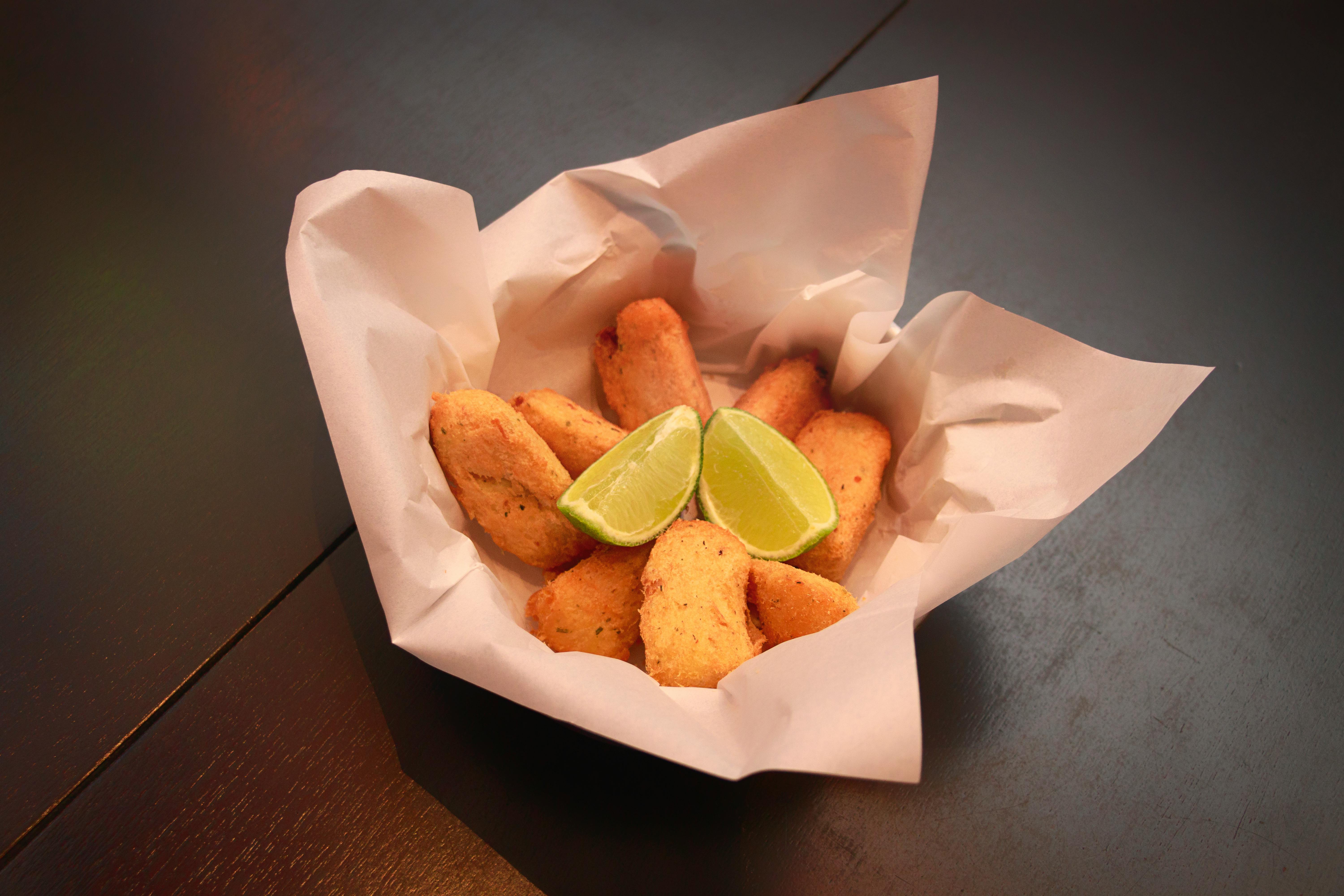
Photo: Victor Cayke / Pexels
Portuguese
Pastel de Bacalhau
The diets react (see scores below)
Common Ingredients
- salt cod
- potatoes
- eggs
- onion
- parsley
- flour
- olive oil
- salt
Specific recipes may vary.
Incompatible with 7 of 11 diets
Diet Ratings
Pastel de Bacalhau (Portuguese salt cod fritters) are fundamentally incompatible with ketogenic eating. The two primary carbohydrate offenders are potatoes and flour, both of which are high-net-carb ingredients that form the structural base of these fritters. Potatoes are a starchy vegetable strictly excluded from keto, contributing roughly 15-17g net carbs per 100g. Flour adds additional starch and is a grain-derived ingredient with zero place in keto. A single fritter (approximately 50-70g) would likely deliver 10-15g net carbs or more, making it nearly impossible to consume even one without a significant portion of the daily carb budget. While salt cod itself is an excellent keto protein, eggs and olive oil are also keto-friendly, those positives are completely overwhelmed by the carbohydrate load from potatoes and flour in this traditional recipe.
Pastel de Bacalhau (Portuguese salt cod fritters) contains multiple animal-derived ingredients that make it entirely incompatible with a vegan diet. Salt cod is dried, salted fish — a clear animal product. Eggs are also listed as an ingredient and are explicitly excluded under vegan rules as an animal product. There is no meaningful debate within the vegan community about fish or eggs; both are unambiguously non-vegan. The remaining ingredients (potatoes, onion, parsley, flour, olive oil, salt) are plant-based, but the presence of both fish and eggs renders the dish a firm 'avoid'.
Pastel de Bacalhau (Portuguese salt cod fritters) contains multiple non-paleo ingredients that disqualify it. Flour (wheat) is a grain and a clear paleo violation. Added salt is excluded from paleo. Salt cod itself is a heavily processed, salt-cured form of fish — the processing and sodium load conflict with paleo principles even though fresh cod would be approved. White potatoes are debated but even if accepted, the combination with flour and salt makes this dish incompatible. Olive oil is paleo-friendly, eggs are approved, and the base fish, onion, and parsley are fine, but the structural ingredients (flour, salt, salt-curing process) render the dish as a whole non-paleo.
Pastel de Bacalhau (salt cod fritters) contains several Mediterranean-friendly ingredients: salt cod (an excellent fish protein), olive oil, onion, parsley, and eggs. However, the dish is typically deep-fried, which significantly increases the fat content beyond what even generous olive oil use would suggest. The inclusion of refined flour and the frying method push this away from the Mediterranean ideal of minimally processed, simply prepared foods. The salt cod itself is a staple of Portuguese and broader Mediterranean cuisine, and the base ingredients are sound, but the preparation method and use of refined flour lower the score. As a snack, the portion size is typically small, which mitigates some concern.
Some Mediterranean diet authorities, particularly those rooted in traditional Portuguese and Southern European culinary practices, would note that bacalhau is a cornerstone ingredient and that frying in olive oil — rather than seed oils — preserves the dish's Mediterranean character. Traditional practitioners might classify this as an acceptable occasional treat rather than a food to approach with caution.
Pastel de Bacalhau is a traditional Portuguese salt cod fritter that is fundamentally incompatible with the carnivore diet. While salt cod and eggs are carnivore-approved ingredients, the dish contains multiple disqualifying plant-based components: potatoes (starchy vegetable), onion (vegetable), parsley (herb), flour (grain-derived binder), and olive oil (plant oil). These are not minor trace additives — they are structural ingredients that define the dish. The flour and potatoes alone are major carnivore violations, providing starch and plant compounds that carnivore explicitly excludes. This is a heavily plant-augmented fish dish, not a carnivore-compatible food.
Pastel de Bacalhau (Portuguese salt cod fritters) contains flour, which is a grain-based ingredient excluded on Whole30. Additionally, the dish is a fried fritter — a snack food that falls squarely into the 'no recreating junk food/snack foods' rule (chips, fritters, and similar fried snack items violate the spirit of the program). Even if the flour were substituted, the fritter format itself would be problematic. The remaining ingredients — salt cod, potatoes, eggs, onion, parsley, olive oil, and salt — are individually compliant, but the flour disqualifies the dish outright.
Pastel de Bacalhau contains two clear high-FODMAP ingredients that make it unsuitable during the elimination phase. Onion is one of the highest-fructan foods tested by Monash University and is high-FODMAP at any culinary amount — even small quantities cooked into a dish are problematic because fructans are water-soluble and leach into the food matrix. Wheat flour is also high in fructans and is a standard avoid during elimination. The remaining ingredients are low-FODMAP: salt cod (plain fish, no FODMAPs), potatoes (low-FODMAP at standard serves), eggs (low-FODMAP), parsley (low-FODMAP as a garnish), and olive oil (fat-soluble, no FODMAPs). However, the combination of onion and wheat flour makes this dish a clear avoid during elimination without significant recipe modification.
Pastel de Bacalhau (Portuguese salt cod fritters) presents a mixed DASH diet profile. The primary concern is salt cod, which is heavily cured in salt and retains very high sodium levels even after soaking and desalting — a single serving can contain 400–700mg+ of sodium, making it difficult to fit within DASH sodium targets. The dish is also deep-fried in oil, adding total fat and calories, though olive oil is a DASH-friendly fat. On the positive side, cod itself is an excellent lean protein source, and potatoes provide potassium and fiber. Onion and parsley contribute beneficial micronutrients. The eggs are acceptable in moderation under current DASH-aligned guidance. The flour coating and frying method reduce the overall nutritional quality. The sodium from salt cod is the dominant concern — even well-desalted bacalhau typically retains substantially more sodium than fresh fish. If made with fresh cod (or thoroughly desalted bacalhau), baked rather than fried, the score would improve to 6–7.
NIH DASH guidelines would flag salt cod's residual sodium as a significant concern, particularly for hypertensive individuals on the stricter 1,500mg/day target. However, some DASH-oriented clinicians note that traditional bacalhau preparation involves extensive soaking (24–48 hours with multiple water changes) that can reduce sodium by 60–80%, and argue that occasional consumption in controlled portions is compatible with a DASH-style pattern that emphasizes overall dietary pattern rather than exclusion of individual foods.
Pastel de Bacalhau (Portuguese salt cod fritters) presents a mixed Zone profile. The protein foundation is excellent — salt cod is a very lean, high-quality protein that fits Zone ideals well. Olive oil used for frying is a preferred monounsaturated fat. However, the dish is structurally problematic for Zone balance: potatoes are classified as an 'unfavorable' high-glycemic carbohydrate in Zone methodology, and flour adds additional high-glycemic carb load. Together, potatoes and flour dominate the carbohydrate profile and push the glycemic index high. As a fried snack, the macronutrient ratio is also skewed — these fritters are carb-and-fat heavy relative to protein, making it difficult to hit the 40/30/30 block target without significant portion restriction. Eggs contribute some protein but the overall protein density per fritter remains low relative to carb content. Onion and parsley are Zone-favorable. As a snack category item, the portion size is typically small, which limits total carb damage but also means the protein contribution is minimal — making it hard to form a proper Zone snack block. Occasional consumption of 1-2 fritters alongside a lean protein source could work, but standalone this dish doesn't represent a Zone-balanced choice.
Some Zone practitioners note that small portions of potato-containing dishes can be worked into a Zone meal plan using careful block counting — a single small fritter might represent roughly 1 carb block and less than 1 protein block. In Sears' later writings, the emphasis on anti-inflammatory eating somewhat softens the strict 'unfavorable carb' prohibition if omega-3-rich fish is the protein vehicle. The cod itself is one of the best Zone proteins available, and if portion is tightly controlled (1 fritter as part of a larger balanced meal), the glycemic impact is manageable.
Pastel de Bacalhau (Portuguese salt cod fritters) has a mixed anti-inflammatory profile. On the positive side, salt cod (bacalhau) is a lean white fish providing quality protein and some omega-3 fatty acids, though significantly less than fatty fish like salmon or sardines. Olive oil, parsley, and onion all contribute beneficial polyphenols and antioxidants — parsley is notably rich in flavonoids and vitamin C, and onion provides quercetin. These are genuinely anti-inflammatory ingredients. However, the dish is traditionally deep-fried in oil, and the inclusion of refined wheat flour and white potatoes pushes toward a higher glycemic load. The frying method can also introduce oxidized fats depending on the oil used. Salt cod is heavily salted in processing, raising sodium concerns (though not directly inflammatory, high sodium is associated with endothelial stress). If pan-fried or baked in olive oil rather than deep-fried in seed oils, the profile improves notably. The presence of flour and the frying process are the primary moderating factors keeping this from a higher approval score.
Some anti-inflammatory practitioners would score this higher if prepared with olive oil rather than industrial seed oils, noting that cod, eggs, onion, and parsley are all anti-inflammatory staples — Dr. Weil's framework would largely approve these ingredients. Conversely, stricter low-glycemic anti-inflammatory approaches (such as those emphasizing blood sugar control) would flag the refined flour and potato combination combined with frying as meaningfully pro-inflammatory.
Pastel de Bacalhau (Portuguese salt cod fritters) are deep-fried, which is the primary disqualifying factor for GLP-1 patients. Although the base ingredients include salt cod (a solid lean protein source), eggs (high protein, nutrient-dense), and olive oil (a preferred unsaturated fat), the preparation method — deep-frying in oil — overrides these positives. Frying dramatically increases the fat content per serving, particularly saturated and oxidized fats from the frying oil, which directly worsens GLP-1 side effects including nausea, bloating, reflux, and delayed gastric emptying. The potato and flour content adds refined starch with low fiber and low protein density per calorie. These are also small, easy-to-eat snack portions, which means overconsumption is likely. Sodium content from salt cod is also notably high, which can contribute to water retention and is a concern for patients with cardiometabolic comorbidities common in this population. The dish is fundamentally incompatible with GLP-1 dietary priorities in its traditional prepared form.
*See how scores were generated at our methodology page.
Nutritional profile
Six traits that cut across every diet.
Fiber & Plants
How much whole-plant food and fiber it delivers.
Healthy Fats
The quality of its fats (unsaturated, omega-3).
Whole / Unprocessed
How close it is to its natural, unprocessed form.
Gut Gentle
How easy it is on digestion (low FODMAP, few irritants).
Low Glycemic
How little it spikes your blood sugar.
Protein Density
How much protein it packs per calorie.
Controversy Index
Higher controversy = more disagreement between diets.
Diet-Specific Tips
 Mediterranean — 5/10
View tips
- Salt cod is a traditional Mediterranean fish protein and is strongly encouraged
- Olive oil used as the fat source aligns with Mediterranean principles
- Typically deep-fried, significantly increasing overall fat and caloric density
- Refined white flour is a minor ingredient but diverges from whole grain preference
- Eggs are acceptable in moderation and fit within Mediterranean guidelines
- Small snack portion size limits overall dietary impact
- Processing via frying contradicts the emphasis on minimally processed foods
 DASH — 4/10
View tips
- Salt cod retains high sodium even after desalting — primary DASH concern
- Deep-fried preparation adds total fat and calories
- Cod is a lean protein source compatible with DASH
- Olive oil used for frying is DASH-preferred fat
- Potatoes provide potassium
- Eggs acceptable in moderation under current DASH-aligned guidance
- Baked preparation with thoroughly desalted or fresh cod would significantly improve DASH compatibility
 Zone — 4/10
View tips
- Salt cod is an excellent lean Zone protein source
- Potatoes are classified as 'unfavorable' high-glycemic carbs in Zone methodology
- Flour adds additional high-glycemic carbohydrate load
- Olive oil frying medium aligns with monounsaturated fat preference
- Macro ratio in fritter form skews carb-and-fat heavy relative to protein
- Small snack portions limit absolute glycemic damage but also reduce protein block value
- Difficult to achieve 40/30/30 ratio as a standalone snack without pairing with additional protein
 Anti-Inflammatory — 5/10
View tips
- Salt cod provides lean protein and modest omega-3s, but less than fatty fish
- Olive oil and parsley contribute polyphenols and antioxidants
- Onion provides quercetin, a beneficial flavonoid
- Refined wheat flour raises glycemic load
- Traditional deep-frying method can introduce oxidized fats if non-olive oils are used
- High sodium content from salt-curing process
- Eggs contribute choline but also arachidonic acid in modest amounts