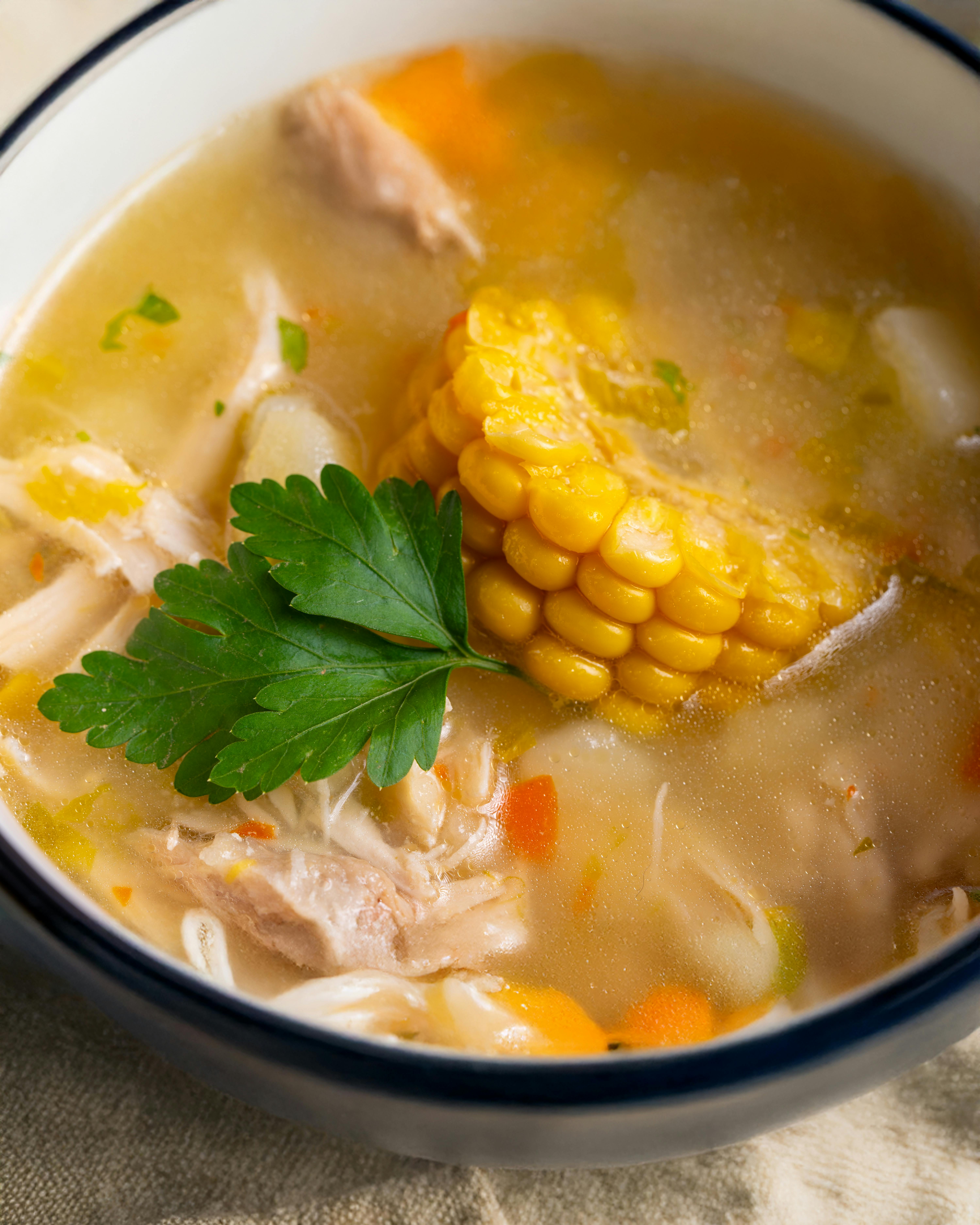
Photo: Nano Erdozain / Pexels
Puerto-Rican
Sancocho
The diets react (see scores below)
Common Ingredients
- beef
- cassava
- plantains
- yam
- corn
- potatoes
- sofrito
- cilantro
Specific recipes may vary.
Incompatible with 6 of 11 diets
Diet Ratings
Sancocho is fundamentally incompatible with ketogenic eating. The dish is built almost entirely on high-carbohydrate starchy ingredients: cassava (~38g net carbs per 100g), plantains (~26-31g net carbs per 100g), yam (~24g net carbs per 100g), corn (~17g net carbs per 100g), and potatoes (~15-17g net carbs per 100g). A single serving easily contains 80-150g of net carbohydrates, which is 2-7x the entire daily keto limit. While the beef and sofrito/cilantro base are keto-friendly, they are overwhelmed by the starch load from multiple root vegetables and corn. There is no portion size small enough to make this dish compatible with ketosis without fundamentally changing its character.
Sancocho in this preparation contains beef as the primary protein, which is an animal product and directly excluded under vegan dietary rules. There is no ambiguity here — beef is slaughtered animal flesh. The remaining ingredients (cassava, plantains, yam, corn, potatoes, sofrito, cilantro) are all plant-based, but the inclusion of beef renders the dish non-vegan regardless of the quality or quantity of the plant components.
Sancocho contains two significant paleo violations: corn is a grain and is clearly excluded from the paleo diet, and potatoes (white) are discouraged under strict paleo guidelines including The Paleo Diet's official position. Sofrito, while typically made from peppers, onions, garlic, tomatoes, and cilantro, often contains added salt and sometimes processed ingredients, adding another concern. The remaining ingredients — beef, cassava, plantains, yam, and cilantro — are paleo-compatible, but the corn alone is a definitive disqualifier under any paleo framework. The combination of a clear grain (corn) and the debated white potato pushes this dish firmly into avoid territory.
Some modern paleo practitioners, influenced by Mark Sisson or the Whole30 framework, would accept white potatoes and might treat corn on the cob as a vegetable in moderation, which could soften the verdict slightly — but corn is still widely classified as a grain and excluded by mainstream paleo authorities including Loren Cordain.
Sancocho is a hearty stew with a mixed Mediterranean diet profile. The vegetable base is genuinely strong — cassava, plantains, yam, corn, potatoes, and sofrito (typically a blend of peppers, onions, garlic, tomatoes, and cilantro) all align well with Mediterranean plant-forward principles. However, beef is the primary protein, and red meat is one of the clearest dietary components that the Mediterranean diet restricts to a few times per month. Using beef as the central, defining ingredient pushes this dish into 'avoid' territory despite its otherwise vegetable-rich composition. The dish is also not prepared with olive oil as a primary fat (sofrito is traditionally made with lard or vegetable oil in Puerto Rican cuisine), and the starchy tuber load is heavy with limited fiber-rich whole grains or legumes. The combination of red meat as the primary protein and absence of core Mediterranean fats tips the overall verdict toward avoid.
Some Mediterranean diet practitioners argue that a vegetable-forward stew like Sancocho, even with a modest amount of beef, can be acceptable occasionally if beef is used in small quantities as a flavoring rather than a main portion. If the beef quantity is small and sofrito is prepared with olive oil, some nutritionists would rate this as 'caution' rather than 'avoid.'
Sancocho is a plant-heavy stew that is fundamentally incompatible with the carnivore diet. While it does contain beef as the primary protein, the dish is dominated by plant-based ingredients: cassava, plantains, yam, corn, and potatoes are all starchy carbohydrate-rich tubers and vegetables that are strictly excluded from carnivore. Sofrito is a plant-based sauce (typically made from peppers, onions, garlic, tomatoes, and herbs), and cilantro is a plant herb — both are explicitly off-limits. The beef component itself would be carnivore-approved, but it is outnumbered and outweighed by disqualifying plant ingredients, making the overall dish a clear avoid.
Sancocho is largely Whole30-friendly in its base form — beef, cassava, plantains, yam, potatoes, cilantro, and sofrito are all compliant whole foods. The primary concern is corn, which is a grain and explicitly excluded from Whole30. Traditional Puerto Rican sancocho commonly includes corn on the cob as a key ingredient, which would make this dish non-compliant as described. However, corn could be omitted to make the dish fully compliant. The other concern is sofrito, which is typically a blend of herbs, peppers, onion, garlic, and tomatoes — all compliant — but store-bought sofrito may contain additives or non-compliant ingredients requiring label verification. If corn is removed and sofrito is homemade or verified compliant, this dish would be a solid Whole30 approve.
Some Whole30 practitioners might argue that even without corn, the starchy density of this dish (cassava + yam + plantains + potatoes all together) tests the program's spirit of moderating high-glycemic foods, though Melissa Urban and official Whole30 guidelines do not restrict any of these vegetables individually.
Sancocho is a hearty Puerto Rican stew that contains several high-FODMAP ingredients, making it problematic during the elimination phase. The primary concern is sofrito, a traditional Puerto Rican base that typically contains onion, garlic, and sometimes leek — all significant sources of fructans. Garlic and onion are among the highest-FODMAP foods and are essentially impossible to make low-FODMAP without specialized substitutions (garlic-infused oil, chives, or scallion greens). Beyond sofrito, plantains are moderate-FODMAP and become high-FODMAP at larger servings typical in a main dish. Yam (ñame) has limited Monash testing but may contain polyols. Cassava (yuca) is generally considered low-FODMAP at moderate portions. Beef, corn (at small servings), potatoes, and cilantro are low-FODMAP. However, the sofrito base alone is disqualifying during elimination — it is the foundational flavor component and cannot be omitted without fundamentally altering the dish. As traditionally prepared, this dish is not suitable for the elimination phase.
Monash University has not specifically tested traditional sofrito blends, and some clinical FODMAP dietitians suggest that garlic and onion cooked into a broth may leach fewer FODMAPs than eating them whole — however, this is not supported by current Monash evidence, and most practitioners advise strict avoidance of any onion or garlic during elimination regardless of preparation method. A modified sancocho made with garlic-infused oil and scallion greens instead of sofrito could potentially be low-FODMAP, but this represents a significant departure from the traditional recipe.
Sancocho is a hearty stew with a mixed DASH profile. On the positive side, it contains multiple DASH-friendly vegetables and starches — cassava, plantains, yam, corn, and potatoes all provide potassium, magnesium, and fiber. Sofrito and cilantro add flavor with minimal sodium when made fresh at home. However, the primary protein is beef, which DASH limits due to saturated fat content. The cut of beef matters significantly: lean cuts like round or sirloin are more acceptable, while fattier cuts like short ribs or chuck (commonly used in traditional sancocho) are problematic. Sodium is the other key concern — traditional preparations often use seasoning packets, bouillon cubes, or Sazón, which can push sodium well above DASH thresholds. The high starch load from multiple root vegetables also requires portion control. Overall, a home-prepared version using lean beef, fresh sofrito, and no added salt or bouillon can be a reasonable DASH meal, but the traditional restaurant or packaged-seasoning version warrants caution.
NIH DASH guidelines recommend limiting red meat and encourage substituting poultry or fish as primary proteins; from this strict view, sancocho with beef should be an infrequent choice. However, updated clinical interpretations note that when lean cuts are used and sodium is controlled, a vegetable-rich beef stew can fit within overall DASH dietary patterns without significantly elevating cardiovascular risk.
Sancocho is a hearty Puerto Rican stew that presents significant Zone Diet challenges but is not categorically off-limits. The primary issues are carbohydrate quality and density: cassava, plantains, yam, corn, and potatoes are all high-glycemic, starchy carbohydrates that Dr. Sears explicitly lists as 'unfavorable' in Zone terminology. Together they create a heavily starchy carb load that is very difficult to balance into a 40/30/30 ratio without radical portion reduction. The beef provides protein but is not a lean cut typically — beef in sancocho is often fatty stewing beef, adding saturated fat beyond the Zone's preference for monounsaturated sources. Sofrito and cilantro are Zone-positive ingredients (polyphenol-rich, anti-inflammatory). A Zone practitioner would need to dramatically reduce starchy vegetable portions, select a lean beef cut (top round, sirloin), and add a monounsaturated fat source like avocado on the side. The dish as traditionally prepared skews heavily toward the carbohydrate and fat macro with limited lean protein per serving, and the carb profile is almost entirely unfavorable high-GI starches. It can be adapted but not easily eaten as served.
Some Zone practitioners and later Sears anti-inflammatory writings acknowledge that whole-food starches like yam and cassava, while high-glycemic, carry polyphenols and fiber that partially moderate glycemic response. A small bowl of sancocho with emphasis on the broth, beef, and modest vegetable portions could be argued as a workable Zone meal — the sofrito base contains tomatoes, peppers, and onions which are favorable Zone carbs. The dish is not the same as eating pure sugar; real-food complexity matters.
Puerto Rican Sancocho is a mixed bag from an anti-inflammatory standpoint. On the positive side, the dish is loaded with vegetables and root vegetables — cassava, plantains, yam, corn, and potatoes — which provide fiber, resistant starch, vitamins, and some antioxidants. Sofrito is a standout: typically made with onions, garlic, peppers, tomatoes, cilantro, and herbs, it is rich in polyphenols, allicin (garlic), and anti-inflammatory compounds. Cilantro adds additional antioxidant and anti-inflammatory phytonutrients. The broth-based preparation (as opposed to fried) is a positive cooking method. However, the primary protein is beef, which falls in the 'limit' category on anti-inflammatory frameworks due to saturated fat content and arachidonic acid, which can promote inflammatory pathways. The overall dish is not heavily processed, contains no trans fats or refined sugars, and the high vegetable-to-meat ratio helps offset the beef's pro-inflammatory potential. The high glycemic load of multiple starchy vegetables (cassava, yam, plantains, corn, potatoes) in combination may also be worth noting, particularly for metabolic inflammation. Overall, this is a traditional whole-food dish that is far from the worst offender, but the beef and high starch load prevent a full approval.
Some anti-inflammatory practitioners, including those following Dr. Weil's broader principles, might rate this more favorably, arguing that a broth-based traditional whole-food stew with abundant vegetables and herb-rich sofrito outweighs the moderate beef content — especially if the beef is grass-fed (which improves the omega-3:omega-6 ratio). Conversely, stricter anti-inflammatory or AIP-aligned protocols would flag both the beef and nightshade-containing sofrito (peppers, tomatoes) as potential inflammatory triggers for sensitive individuals.
Puerto Rican sancocho is a hearty root vegetable and beef stew that has meaningful strengths and notable drawbacks for GLP-1 patients. On the positive side, it is a broth-based soup — which supports hydration, is easy to digest in moderate portions, and delivers good satiety from a small volume. The sofrito and cilantro add micronutrients with minimal caloric cost. The vegetables (cassava, yam, plantains, potatoes, corn) provide fiber, potassium, and vitamins, though they are all high-glycemic starchy carbohydrates with limited protein contribution. The primary concern is the beef: traditional sancocho uses fatty cuts (short ribs, chuck, bone-in beef) chosen for long simmering, which introduces significant saturated fat — a known trigger for GLP-1 side effects including nausea, bloating, and reflux due to slowed gastric emptying. Protein per serving is moderate but not high relative to the caloric load, which is dominated by starchy carbs. The starch-heavy vegetable profile with no lean protein counterbalance and no legumes or high-protein ingredients means this dish underdelivers on the #1 GLP-1 dietary priority. It is not an avoid — it is a real food, broth-based, and nutrient-present — but it needs modification (lean beef or chicken substitution, smaller starch portions, possibly added beans) to be well-suited for GLP-1 patients.
Some GLP-1-focused dietitians would rate this more favorably, noting that broth-based soups are among the most tolerable food formats for patients managing nausea and reduced appetite, and that the fiber and micronutrient load from the root vegetables is genuinely valuable. Others would rate it lower, emphasizing that the glycemic load from multiple simultaneous starchy vegetables combined with high-fat beef can worsen GI side effects and undercuts the protein-first principle that most obesity medicine physicians prioritize.
*See how scores were generated at our methodology page.
Nutritional profile
Six traits that cut across every diet.
Fiber & Plants
How much whole-plant food and fiber it delivers.
Healthy Fats
The quality of its fats (unsaturated, omega-3).
Whole / Unprocessed
How close it is to its natural, unprocessed form.
Gut Gentle
How easy it is on digestion (low FODMAP, few irritants).
Low Glycemic
How little it spikes your blood sugar.
Protein Density
How much protein it packs per calorie.
Controversy Index
Higher controversy = more disagreement between diets.
Diet-Specific Tips
 Whole30 — 5/10
View tips
- Corn is an excluded grain on Whole30 — its presence makes the dish non-compliant as listed
- Beef, cassava, plantains, yam, and potatoes are all Whole30-approved whole foods
- Sofrito requires label verification if store-bought; homemade versions are typically compliant
- Cilantro is fully compliant as a fresh herb
- Dish can be made fully compliant by omitting corn and using verified-compliant sofrito
 DASH — 5/10
View tips
- Beef is a red meat limited by DASH; saturated fat content depends heavily on cut used
- Rich array of vegetables and root starches (cassava, yam, plantains, corn, potatoes) provides potassium, fiber, and magnesium in alignment with DASH
- Traditional seasoning (Sazón, bouillon cubes) can dramatically increase sodium, potentially exceeding daily DASH limits in a single serving
- Fresh sofrito and cilantro-based seasoning without added salt is DASH-compatible
- High carbohydrate density from multiple starchy vegetables requires portion control
- Lean beef substitution or replacing beef with chicken or fish would improve DASH score significantly
- Low-sodium homemade version scores closer to 7; restaurant or traditionally seasoned version scores closer to 3-4
 Zone — 4/10
View tips
- Multiple high-glycemic starchy carbs (cassava, plantains, yam, corn, potatoes) dominate the carb profile — all 'unfavorable' Zone carbs
- Heavy starch load makes achieving 40/30/30 ratio very difficult without major portion control
- Beef may be fatty stewing cuts — not ideal lean Zone protein
- Sofrito and cilantro are Zone-positive polyphenol-rich ingredients
- No monounsaturated fat source present; would need avocado or olive oil addition
- Dish can be adapted (lean beef, smaller starch portions, larger broth/vegetable ratio) but is far from Zone-friendly as traditionally prepared
- Traditional serving size likely delivers too many carb blocks relative to protein blocks
 Anti-Inflammatory — 5/10
View tips
- Beef as primary protein is a 'limit' food due to saturated fat and arachidonic acid
- Sofrito provides significant anti-inflammatory benefit via garlic, onions, peppers, and herbs
- Cilantro adds antioxidant and anti-inflammatory phytonutrients
- High vegetable content (cassava, plantains, yam, corn, potatoes) provides fiber and micronutrients
- Broth-based preparation avoids pro-inflammatory frying
- No processed ingredients, trans fats, refined sugars, or artificial additives
- High combined glycemic load from multiple starchy vegetables may contribute to metabolic inflammation
- Traditional whole-food preparation is inherently more anti-inflammatory than processed alternatives
 GLP-1 Friendly — 5/10
View tips
- Broth-based format supports hydration and easy digestibility — a genuine GLP-1 advantage
- Beef cut is typically fatty (chuck, short rib) — high saturated fat worsens nausea and bloating
- Multiple high-glycemic starchy carbohydrates (cassava, yam, plantain, potato, corn) dominate the macronutrient profile
- Moderate protein per serving but low protein density relative to caloric load
- No legumes or high-protein additions — missed opportunity to boost protein and fiber
- Sofrito and cilantro are GLP-1-neutral positives — flavor without fat or sugar
- Modifiable: swapping to lean beef or chicken and reducing starch variety improves rating significantly
- Small portion tolerance is good given the broth base and vegetable bulk