Photo: neilstha firman / Pexels
American
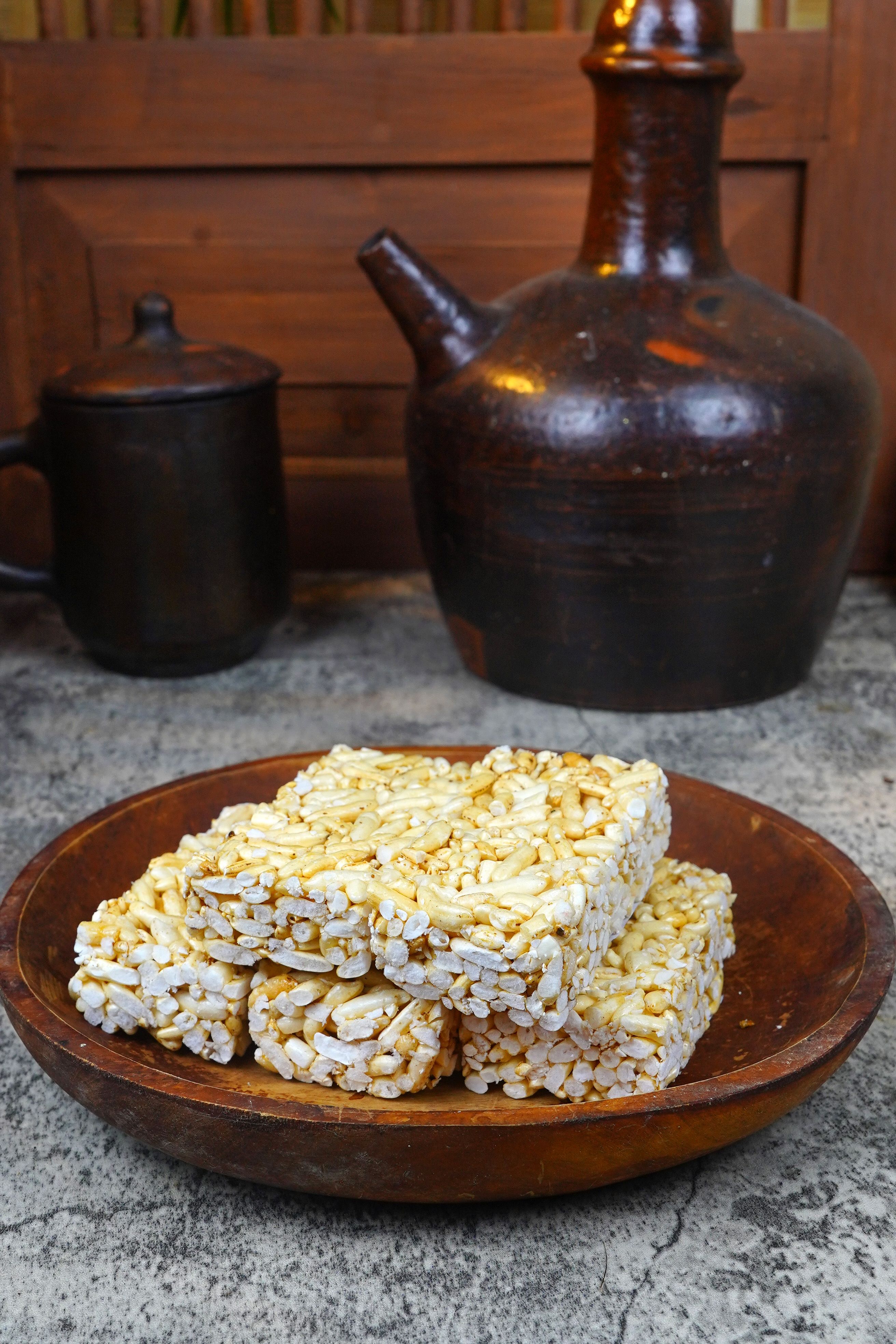
Rice Krispies Treats
The diets react (see scores below)
Common Ingredients
- rice cereal
- marshmallows
- butter
- salt
Specific recipes may vary.
Incompatible with 10 of 11 diets
Diet Ratings
Rice Krispies Treats are fundamentally incompatible with a ketogenic diet. A standard serving (one treat, ~40g) contains roughly 30-35g of net carbs, almost entirely from two highly problematic sources: puffed rice cereal (a refined grain) and marshmallows (pure sugar/corn syrup). Both ingredients are absolute no-gos on keto. The only keto-friendly ingredient is the butter. A single treat could consume or exceed an entire day's carb budget, and the sugar content would immediately spike blood glucose and break ketosis. There is no realistic portion size that makes this food workable on a ketogenic diet.
Rice Krispies Treats contain two clear animal-derived ingredients: butter (a dairy product) and marshmallows (which contain gelatin, an animal-derived protein made from boiled animal bones, skin, and connective tissue). Both ingredients are unambiguously non-vegan. While vegan versions of this dish can be made using plant-based butter and vegan marshmallows (such as Dandies brand, which use carrageenan instead of gelatin), the standard recipe as listed is not vegan-compatible.
Rice Krispies Treats are fundamentally incompatible with the paleo diet on multiple fronts. Rice cereal (puffed/processed rice grain) is both a grain and a heavily processed food — double disqualifying. Marshmallows are made from refined sugar, corn syrup, and gelatin with artificial additives. Butter is a dairy product excluded under strict paleo guidelines. Added salt is also discouraged. There is no single ingredient in this dish that passes paleo standards without objection. This is a processed, grain-based, sugar-laden snack with zero hunter-gatherer precedent.
Rice Krispies Treats are a highly processed American snack that fundamentally contradicts Mediterranean diet principles on multiple levels. The base is puffed refined rice cereal — a processed, refined grain with minimal nutritional value. Marshmallows are almost entirely added sugar and corn syrup, representing exactly the kind of highly processed, high-sugar ingredient the Mediterranean diet explicitly discourages. Butter, while a traditional fat in some culinary contexts, is a saturated animal fat that replaces the foundational Mediterranean fat — extra virgin olive oil. This dish has no redeeming Mediterranean diet qualities: no whole grains, no plant-based nutrition, no healthy fats, no fiber, no micronutrients. It is pure processed sugar, refined starch, and saturated fat.
Rice Krispies Treats are fundamentally incompatible with the carnivore diet. The primary ingredient is rice cereal, a grain-based processed food that is strictly excluded. Marshmallows contain sugar and gelatin (animal-derived, but heavily processed with sugar and corn starch), making them unacceptable. While butter is an animal product, it cannot redeem a dish that is overwhelmingly plant-based and sugar-laden. This is essentially a processed snack food built on grains and sugar — the antithesis of carnivore eating.
Rice Krispies Treats contain multiple excluded ingredients. Rice cereal is a grain product (rice is explicitly excluded on Whole30). Marshmallows contain added sugar, which is excluded. Butter is dairy and excluded (only ghee/clarified butter is permitted). Additionally, this dish is a classic junk food/dessert that Whole30 explicitly prohibits recreating even with compliant ingredients — it falls squarely into the 'no recreating sweets and treats' rule.
Rice Krispies Treats contain four ingredients, each requiring FODMAP consideration. Puffed rice cereal (like Rice Krispies) is generally low-FODMAP, though commercial varieties may contain small amounts of malt flavoring (barley malt), which introduces fructans in trace amounts. Butter is low-FODMAP at standard serving sizes (fat-based, negligible lactose). Salt is a non-issue. The key concern is marshmallows: standard commercial marshmallows (e.g., Kraft Jet-Puffed) contain either sucrose or high-fructose corn syrup, and critically, many contain sorbitol or other polyols as ingredients or are made with glucose-fructose syrup that can tip excess fructose. Monash has not extensively tested standard marshmallows, but the polyol and potential excess fructose content at realistic serving sizes (a full Rice Krispies Treat contains 40–50g of marshmallows) raises meaningful FODMAP concern. A small nibble may be tolerable, but a standard square treat likely pushes into moderate-to-high FODMAP territory depending on the brand of marshmallows used. Portion control and checking marshmallow ingredient labels for polyol sweeteners is essential.
Monash University has not definitively tested standard commercial marshmallows, so FODMAP practitioners vary in their guidance — some permit small servings of plain sucrose-based marshmallows (no polyols), while others advise avoidance during elimination due to uncertainty. The barley malt flavoring in Rice Krispies is also a point of contention; some practitioners consider it a meaningful fructan source while others regard the quantity as negligible.
Rice Krispies Treats are directly at odds with DASH diet principles. The dish is essentially a combination of refined puffed rice cereal (low in fiber, minimal nutrients), marshmallows (high added sugar, essentially pure glucose-corn syrup), butter (saturated fat), and salt (added sodium). DASH explicitly limits added sugars, saturated fat, and sodium while emphasizing whole grains, fiber, and nutrient-dense foods. This snack provides no meaningful potassium, calcium, magnesium, or fiber — the core DASH-supportive nutrients. The refined grain base lacks the fiber content of whole grains that DASH requires. The marshmallow component is pure added sugar, which DASH limits to 5 or fewer servings per week of sweets in total. The butter adds saturated fat, which DASH restricts. Overall, this is a classic processed snack that represents the opposite of DASH dietary priorities.
Rice Krispies Treats represent nearly everything the Zone Diet discourages in a single snack. The base ingredient — puffed rice cereal — is an extremely high-glycemic carbohydrate with essentially no fiber, causing rapid blood sugar spikes that would trigger the insulin surge Zone is specifically designed to prevent. Marshmallows are predominantly sugar (sucrose and corn syrup), adding another layer of high-glycemic, nutritionally empty carbohydrates with zero fiber, zero protein, and zero beneficial fat. Butter contributes saturated fat with no monounsaturated fat benefit. Critically, this snack contains no protein whatsoever, making it impossible to achieve the 40/30/30 Zone ratio even with creative portioning. There is no lean protein block to pair with it that could rescue the macronutrient balance within the treat itself. The glycemic load is extreme, the fat profile is unfavorable (saturated), and the food is nutritionally hollow. This is precisely the type of processed, high-glycemic snack Dr. Sears explicitly warns against throughout his published works, as it would spike insulin and promote the pro-inflammatory eicosanoid cascade the Zone Diet is designed to counteract.
Rice Krispies Treats are a textbook pro-inflammatory snack with essentially no redeeming anti-inflammatory qualities. Puffed rice cereal is a highly refined, high-glycemic carbohydrate that spikes blood glucose and insulin, driving inflammatory signaling. Marshmallows are primarily sugar and corn syrup — concentrated added sugars are among the most reliably pro-inflammatory dietary components, consistently associated with elevated CRP and IL-6. Butter contributes saturated fat, which is flagged for moderation in anti-inflammatory frameworks, and in this context it provides no offsetting benefits. Salt adds no inflammatory concern on its own but the dish offers nothing in the way of antioxidants, fiber, omega-3s, polyphenols, or phytonutrients. There is no meaningful protein, no healthy fat, no micronutrient density. This is essentially a delivery vehicle for refined starch and sugar — two of the clearest dietary drivers of systemic inflammation in the research literature.
Rice Krispies Treats are a textbook example of empty calories — nearly pure refined carbohydrates and sugar (puffed rice cereal + marshmallows) bound together with butter (saturated fat), with no meaningful protein, no fiber, and negligible micronutrient value. For GLP-1 patients eating significantly reduced calorie volumes, this food delivers almost zero nutritional return per bite. The high sugar content risks blood sugar spikes and energy crashes, the refined grain base offers no fiber to support digestion or prevent constipation, and the butter contributes saturated fat that can worsen GI side effects. With appetite already suppressed, eating a Rice Krispies Treat instead of a protein- and fiber-rich snack represents a significant missed nutritional opportunity that works directly against the goals of GLP-1 therapy.
*See how scores were generated at our methodology page.
Nutritional profile
Six traits that cut across every diet.
Fiber & Plants
How much whole-plant food and fiber it delivers.
Healthy Fats
The quality of its fats (unsaturated, omega-3).
Whole / Unprocessed
How close it is to its natural, unprocessed form.
Gut Gentle
How easy it is on digestion (low FODMAP, few irritants).
Low Glycemic
How little it spikes your blood sugar.
Protein Density
How much protein it packs per calorie.
Controversy Index
Higher controversy = more disagreement between diets.
Diet-Specific Tips
 Low-FODMAP — 4/10
View tips
- Marshmallows may contain sorbitol or other polyols depending on brand — check label carefully
- Excess fructose risk from glucose-fructose syrup in some marshmallow brands
- Rice Krispies cereal contains barley malt flavoring, a minor fructan source
- Butter is low-FODMAP (negligible lactose in fat-based product)
- Portion size is critical — a full treat involves a substantial quantity of marshmallows
- Monash has limited direct testing data on commercial marshmallows