Photo: Гульнара Михайлець / Pexels
Romanian
Zacusca
The diets react (see scores below)
Common Ingredients
- eggplant
- red peppers
- tomatoes
- onion
- sunflower oil
- bay leaf
- salt
Specific recipes may vary.
Incompatible with 3 of 11 diets
Diet Ratings
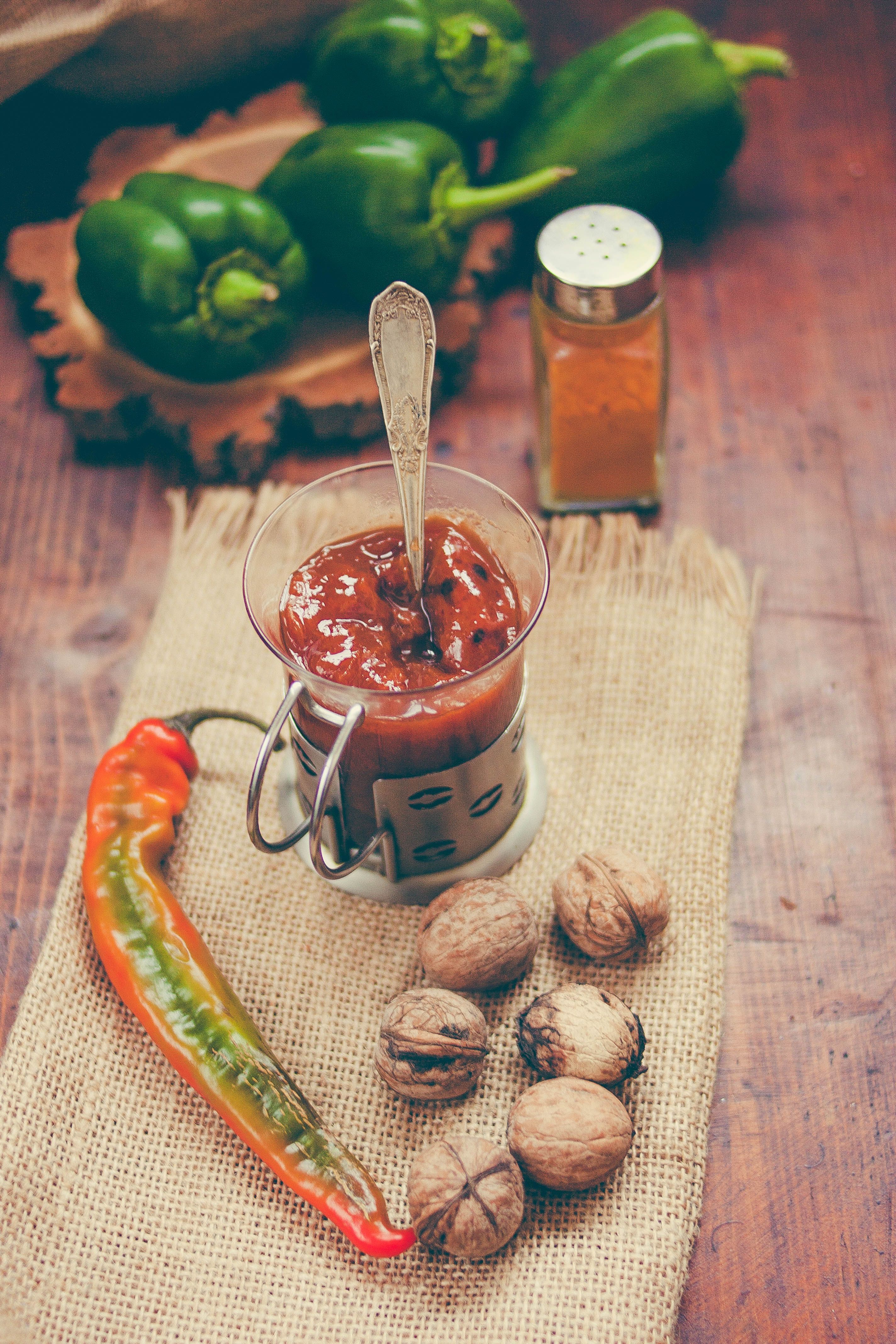
Zacusca is a Romanian roasted vegetable spread made primarily from eggplant, red peppers, tomatoes, and onion cooked down with sunflower oil. While the individual vegetables are not inherently off-limits, the combination and cooking-down process concentrates carbohydrates significantly. A typical 100g serving contains roughly 8-12g net carbs depending on the ratio of ingredients and reduction level. Red peppers and tomatoes contribute natural sugars, and onion adds further carbs. The sunflower oil is a keto-neutral to slightly negative fat (omega-6 heavy, not ideal but not disqualifying). Used as a small condiment (1-2 tablespoons, ~15-30g), it can fit within a daily keto budget, but it is very easy to over-consume given its spreadable nature. It does not contain grains or added sugar, which is a positive. Portion control is essential.
Strict keto practitioners argue that concentrated vegetable spreads like zacusca are a hidden carb trap — the reduction of tomatoes and peppers raises the glycemic load per spoonful compared to eating the raw vegetables, and the omega-6-heavy sunflower oil makes it doubly problematic. They would recommend avoiding it entirely and substituting with a fat-based spread like butter or olive oil-based options.
Zacusca is a traditional Romanian vegetable spread made entirely from whole plant foods. Every ingredient — eggplant, red peppers, tomatoes, onion, sunflower oil, bay leaf, and salt — is unambiguously plant-derived. There are no animal products, animal-derived additives, or ethically contested ingredients. The dish is minimally processed (roasted and slow-cooked vegetables), making it a strong whole-food plant-based choice that scores near the top of the approval range.
Zacusca is a Romanian roasted vegetable spread that contains two clear paleo violations: sunflower oil (a seed oil explicitly excluded from paleo due to its high omega-6 polyunsaturated fat content and industrial processing) and added salt (excluded from strict paleo). The base vegetables — eggplant, red peppers, tomatoes, onion — are all paleo-approved, and bay leaf is a fine herb. However, the combination of a prohibited seed oil and added salt disqualifies this dish. Without those two ingredients and substituted with olive oil or avocado oil, a homemade version could be paleo-compliant.
Zacusca is a Romanian vegetable spread made almost entirely from Mediterranean-diet-approved ingredients: eggplant, red peppers, tomatoes, and onion are all plant-based whole foods strongly encouraged in the Mediterranean pattern. The combination is rich in antioxidants, fiber, and vitamins. The only notable deviation is the use of sunflower oil rather than extra virgin olive oil, which is the canonical fat of the Mediterranean diet. Sunflower oil is a refined seed oil that, while not harmful in moderate amounts, lacks the polyphenols and oleic acid profile of EVOO. Everything else aligns excellently with Mediterranean principles.
Some modern Mediterranean diet authorities would score this slightly lower due to the use of sunflower oil instead of extra virgin olive oil. Traditional Romanian cuisine developed outside the Mediterranean olive-growing region, so sunflower oil is the regional norm; a strict Mediterranean diet interpretation would recommend substituting EVOO to fully align with the dietary pattern.
Zacusca is a Romanian vegetable spread made entirely from plant-based ingredients — eggplant, red peppers, tomatoes, onion, sunflower oil, and bay leaf. It contains zero animal products. Every single ingredient violates carnivore diet principles: all vegetables are excluded, plant oils (sunflower oil) are explicitly forbidden, and plant-based spices/aromatics like bay leaf are off-limits. There is no ambiguity here — this dish is incompatible with any tier of the carnivore diet, from the most permissive 'animal-based' approach to the strictest Lion Diet.
Zacusca is a traditional Romanian vegetable spread made from eggplant, roasted red peppers, tomatoes, onion, sunflower oil, bay leaf, and salt. All of these ingredients are fully compliant with Whole30 guidelines. Vegetables, natural plant-based oils, and basic seasonings like bay leaf and salt are explicitly allowed. There are no grains, legumes, dairy, added sugars, alcohol, or any other excluded ingredients in this formulation. As a whole-food vegetable condiment rather than a recreation of a junk food or baked good, it aligns well with the spirit of the program.
Zacusca contains two significant high-FODMAP ingredients that make it problematic during the elimination phase: onion and eggplant. Onion is one of the highest sources of fructans and is rated high-FODMAP at any reasonable culinary quantity — it is a core ingredient in zacusca and cannot be dismissed as a trace amount. Eggplant is high-FODMAP at servings above 75g (Monash rates it as high in GOS and fructans at larger serves), and as a primary bulk ingredient in zacusca, it will almost certainly exceed the safe threshold per serving. Red peppers are low-FODMAP at standard servings (Monash approves up to ~52g). Tomatoes are low-FODMAP in moderate amounts. Sunflower oil, bay leaf, and salt are all FODMAP-free. The combination of onion (unavoidable high-FODMAP trigger) and large quantities of eggplant makes this spread unsafe during the elimination phase for most people. A FODMAP-friendly version would need to omit onion entirely (or use only the green tops of scallions) and carefully portion the eggplant.
Monash University rates eggplant as low-FODMAP at small serves (up to 75g), so some clinical FODMAP practitioners might suggest that a very small portion of zacusca (1-2 teaspoons) could be tolerable if the onion content per serving is minimal — however, onion FODMAPs (fructans) are water-soluble and leach throughout the dish during cooking, meaning no portion of onion-containing zacusca is truly safe during strict elimination.
Zacusca is a Romanian roasted vegetable spread made primarily from eggplant, red peppers, tomatoes, and onion — all DASH-approved vegetables rich in potassium, fiber, and antioxidants. The base ingredients are excellent for DASH. However, two factors temper the rating: (1) Sunflower oil is used in meaningful quantities during cooking, adding calories and fat — though sunflower oil is a vegetable oil acceptable in DASH, it is calorie-dense and portion control matters. (2) Salt content is the primary concern. Commercially prepared or home-made zacusca used as a condiment/spread is typically moderately to significantly salted, and as a condiment it can contribute meaningfully to daily sodium intake. The vegetable profile is outstanding, but sodium levels in practice vary widely and can be high enough to warrant caution, especially for those following the stricter 1,500mg/day low-sodium DASH variant. Homemade versions with minimal salt would score 7-8, but the standard preparation as a salted condiment lands in caution territory.
NIH DASH guidelines would highlight the high vegetable content (eggplant, peppers, tomatoes, onion) as clearly beneficial, and some DASH-oriented clinicians would approve zacusca if sodium is controlled and oil quantity is modest — updated interpretations emphasize overall dietary pattern over individual ingredients, suggesting a low-salt homemade version could be fully DASH-compatible.
Zacusca is a Romanian roasted vegetable spread made from eggplant, red peppers, tomatoes, and onion — all of which are Zone-favorable, low-glycemic vegetables rich in polyphenols and antioxidants. The vegetable base aligns well with Zone principles, supporting the anti-inflammatory focus Dr. Sears emphasizes. However, the primary fat source is sunflower oil, which is high in omega-6 polyunsaturated fatty acids. Sears explicitly discourages omega-6-heavy seed oils due to their pro-inflammatory arachidonic acid pathway effects, which conflicts with Zone's anti-inflammatory core. Additionally, as a condiment with no protein, zacusca cannot stand alone as a Zone-balanced component — it provides primarily carbohydrates and omega-6 fat, requiring careful pairing with lean protein and a monounsaturated fat source to build a proper Zone meal. In practice, a small portion (2-3 tablespoons) used as a vegetable-rich spread alongside lean protein is workable, but the sunflower oil is a genuine Zone concern.
Some Zone practitioners and Sears' later writings (particularly 'The Zone Diet' updates focusing on polyphenols) would view zacusca's dense concentration of roasted vegetables — especially the lycopene-rich tomatoes, capsaicin-bearing red peppers, and polyphenol-rich eggplant — as a highly favorable polyphenol delivery vehicle. In this view, the omega-6 concern is mitigated by using a small serving as a condiment, where the absolute fat quantity is modest. If homemade with olive oil substituted for sunflower oil, this dish would score notably higher.
Zacusca is a Romanian roasted vegetable spread featuring several genuinely anti-inflammatory ingredients. Eggplant contains nasunin (a potent anthocyanin antioxidant) and chlorogenic acid; roasting concentrates its polyphenols. Red peppers are rich in vitamin C, carotenoids (beta-carotene, capsanthin), and quercetin — all with documented anti-inflammatory effects. Tomatoes provide lycopene, which is enhanced by cooking. Onions contribute quercetin and prebiotic fiber. Bay leaf adds modest anti-inflammatory aromatics. These vegetable components are genuinely strong from an anti-inflammatory perspective. The main concern is the sunflower oil, which is high in omega-6 linoleic acid and is flagged by most anti-inflammatory protocols for regular use — particularly when heated during the long simmering process typical of zacusca preparation, which can promote oxidation of polyunsaturated fats. Extra virgin olive oil would be a superior substitute. The sunflower oil prevents a full 'approve' rating, but the overwhelmingly vegetable-forward, antioxidant-rich base keeps this out of 'avoid' territory. As a condiment used in modest amounts, the oil concern is somewhat mitigated by portion size. Nightshades (eggplant, peppers, tomatoes) are a secondary consideration for autoimmune-sensitive individuals.
Most anti-inflammatory authorities (including Dr. Weil's framework) would embrace the vegetable base enthusiastically and might consider sunflower oil in cooking quantities tolerable, especially given strong evidence that the polyphenol-rich vegetables dominate the inflammatory profile — some researchers note that food-matrix context modulates how individual ingredients behave. However, strict anti-inflammatory and AIP protocols flag both the omega-6-heavy sunflower oil (which most anti-inflammatory guidelines say should not be used regularly) and the nightshade vegetables (eggplant, peppers, tomatoes), with AIP advocates like Dr. Tom O'Bryan arguing these can trigger inflammation in autoimmune-sensitive individuals, contrasted with mainstream anti-inflammatory nutrition which strongly endorses nightshades for their antioxidant content.
Zacusca is a Romanian roasted vegetable spread made from eggplant, red peppers, tomatoes, and onion cooked down in sunflower oil. As a condiment, it is nutrient-dense relative to many spreads — it provides meaningful fiber from vegetables, is low in saturated fat, and contains antioxidants from roasted peppers and tomatoes. However, it carries no meaningful protein, which is the top priority for GLP-1 patients, and sunflower oil adds calories that must be weighed carefully given reduced appetite and the need for every calorie to be nutritionally justified. The oil content also means fat per serving can be moderate depending on preparation. As a condiment paired with a high-protein base (e.g., spread on whole grain bread with cottage cheese or alongside grilled chicken), it is a reasonable choice. Used as a standalone food or in large quantities, it contributes little to protein or satiety goals. Portion sensitivity is significant here — a small serving (2–3 tablespoons) is acceptable; larger portions tip the fat-to-nutrient ratio unfavorably.
Some GLP-1-focused dietitians view vegetable-based spreads like zacusca favorably as a lower-fat, whole-food alternative to cheese-based or mayonnaise-based condiments, accepting the oil content as preferable to saturated fat sources. Others flag the oil volume typical in traditional recipes as a concern given GLP-1 patients' sensitivity to fat-heavy foods and the risk of worsening nausea or reflux, particularly when consumed in more than small amounts.
*See how scores were generated at our methodology page.
Nutritional profile
Six traits that cut across every diet.
Fiber & Plants
How much whole-plant food and fiber it delivers.
Healthy Fats
The quality of its fats (unsaturated, omega-3).
Whole / Unprocessed
How close it is to its natural, unprocessed form.
Gut Gentle
How easy it is on digestion (low FODMAP, few irritants).
Low Glycemic
How little it spikes your blood sugar.
Protein Density
How much protein it packs per calorie.
Controversy Index
Higher controversy = more disagreement between diets.
Diet-Specific Tips
 Keto — 4/10
View tips
- Concentrated net carbs from reduced tomatoes, red peppers, and onion — roughly 8-12g per 100g
- Portion-dependent: small condiment use (1-2 tbsp) may be acceptable, larger servings will likely break ketosis
- No added sugars or grains — a positive distinguishing factor
- Sunflower oil is high in omega-6 fatty acids, not ideal for keto fat quality
- Easy to overconsume due to spreadable, palatable nature
- Natural sugars in red peppers and tomatoes concentrate during cooking
 Vegan — 9/10
View tips
- All ingredients are whole plant foods
- No animal products or animal-derived ingredients
- Minimal processing — roasted vegetables cooked down into a spread
- Sunflower oil is a plant-based fat with no vegan concerns
- Traditional recipe contains no hidden non-vegan additives such as anchovies or dairy
 Mediterranean — 8/10
View tips
- All primary vegetables (eggplant, red peppers, tomatoes, onion) are core Mediterranean foods
- No meat, refined grains, or added sugars
- Sunflower oil used instead of extra virgin olive oil — primary concern
- Rich in antioxidants, fiber, and plant nutrients
- Minimally processed whole-food condiment
- Bay leaf and salt as seasonings are unproblematic
 Whole30 — 8/10
View tips
- All ingredients are whole, unprocessed vegetables
- Sunflower oil is a compliant natural fat
- Bay leaf and salt are permitted seasonings
- No excluded ingredients present
- Functions as a compliant whole-food condiment, not a junk food recreation
- Store-bought versions should be label-checked for added sugar or non-compliant oils
 DASH — 5/10
View tips
- Excellent vegetable base: eggplant, red peppers, tomatoes, onion are all DASH-approved
- Rich in potassium, fiber, and antioxidants from multiple vegetables
- Sodium content is variable but often elevated in standard preparations — key limiting factor
- Sunflower oil is DASH-acceptable but adds caloric density; quantity matters
- No saturated fat, no animal products, no added sugar — strong positives
- Low-sodium homemade versions would score significantly higher (7-8)
 Zone — 5/10
View tips
- Sunflower oil is high in omega-6 fatty acids, conflicting with Zone's anti-inflammatory and monounsaturated fat preference
- Vegetable base (eggplant, red peppers, tomatoes, onion) is Zone-favorable and polyphenol-rich
- No protein content — cannot balance a Zone meal on its own
- As a condiment, portions are small, which limits but does not eliminate the omega-6 concern
- Olive oil substitution would significantly improve Zone compatibility
- Low-glycemic carbohydrate profile from the vegetables is a positive attribute
 Anti-Inflammatory — 5/10
View tips
- Eggplant provides nasunin and chlorogenic acid — potent antioxidants
- Red peppers are rich in vitamin C, carotenoids, and quercetin
- Cooked tomatoes offer bioavailable lycopene
- Onions contribute quercetin and prebiotic fiber
- Sunflower oil is high in omega-6 and flagged by most anti-inflammatory protocols for regular use
- Heat processing of sunflower oil during long cooking raises oxidation concerns
- Nightshades may be problematic for autoimmune-sensitive individuals (AIP concern)
- Small condiment portion size partially mitigates oil concern
- No processed additives, refined sugars, or trans fats
 GLP-1 Friendly — 5/10
View tips
- No meaningful protein content — does not support the #1 GLP-1 dietary priority
- Moderate fiber from eggplant, peppers, tomatoes, and onion — supports GI health and constipation prevention
- Sunflower oil is an unsaturated fat (acceptable type) but adds calories with limited satiety benefit
- Whole-food vegetable ingredients are nutrient-dense relative to processed condiments
- Highly portion-sensitive — small serving acceptable, larger portions worsen fat-to-nutrient ratio
- No saturated fat, no refined sugars, no artificial additives — cleaner profile than most condiments
- Best used as an accompaniment to high-protein foods, not as a standalone item