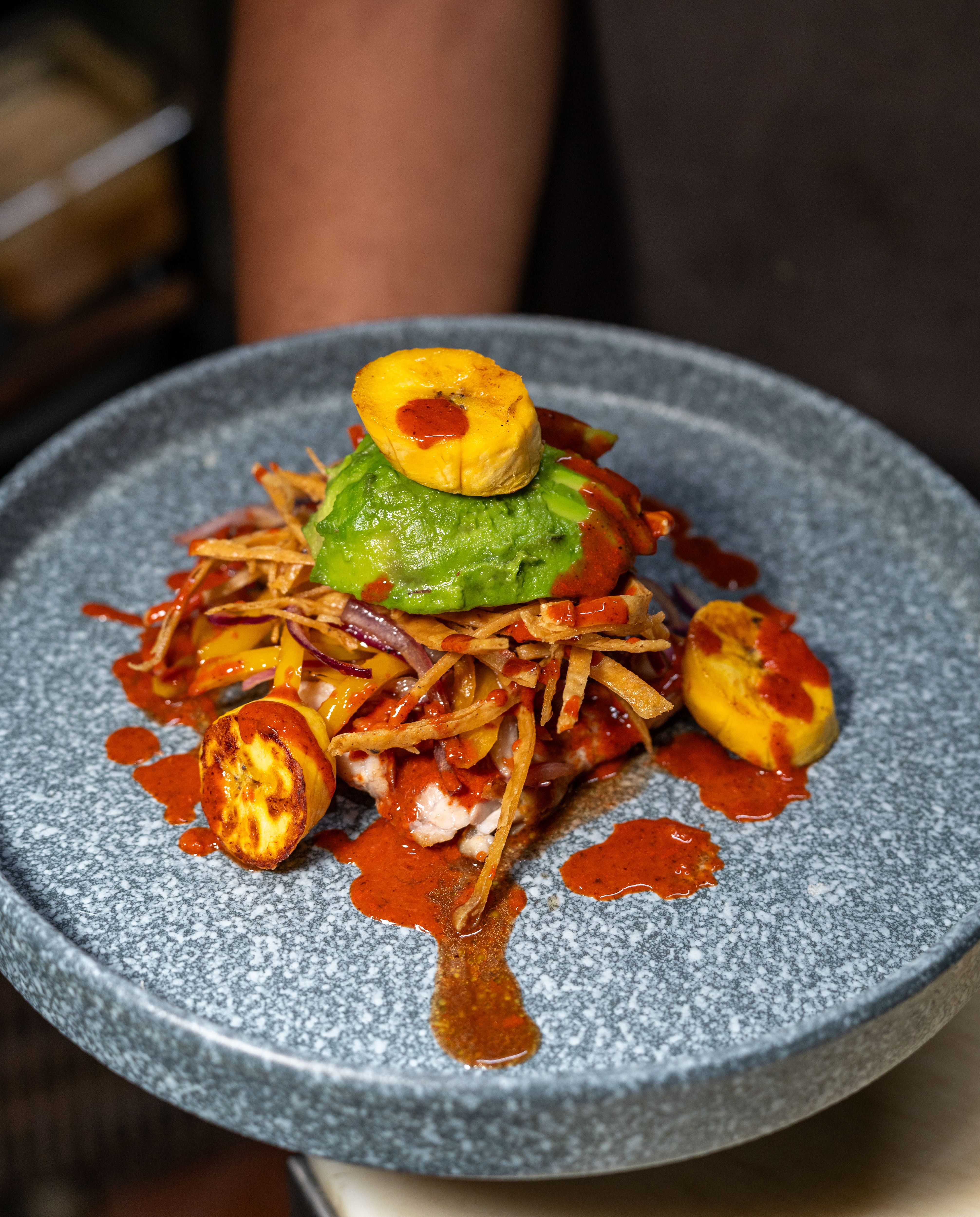
Photo: Israel Torres / Pexels
Salvadoran
Gallo en Chicha
The diets react (see scores below)
Common Ingredients
- rooster
- chicha
- panela
- tomatoes
- onion
- garlic
- prunes
- spices
Specific recipes may vary.
Incompatible with 7 of 11 diets
Diet Ratings
Gallo en Chicha is fundamentally incompatible with a ketogenic diet due to multiple high-carb ingredients. Chicha is a fermented corn or fruit-based alcoholic beverage that contributes significant carbohydrates. Panela (unrefined whole cane sugar) is pure sugar and completely off-limits on keto. Prunes are high in natural sugars and net carbs. Together, these three ingredients alone would likely push a single serving well beyond the 20-50g daily net carb limit. The rooster, tomatoes, onion, garlic, and spices are relatively acceptable in moderation, but the sugar-heavy braising liquid and dried fruit make this dish a keto non-starter in its traditional form.
Gallo en Chicha is a traditional Salvadoran dish built around rooster (gallo), a direct animal product. Poultry is unambiguously excluded from a vegan diet. No substitution or interpretation makes this dish vegan-compatible in its standard form. The remaining ingredients — chicha (fermented corn drink), panela (unrefined cane sugar), tomatoes, onion, garlic, prunes, and spices — are plant-based, but the central protein is animal-derived and non-negotiable.
Gallo en Chicha is a traditional Salvadoran dish where rooster is braised in chicha (a fermented corn-based alcoholic beverage) with panela (unrefined whole cane sugar), tomatoes, onion, garlic, prunes, and spices. The rooster itself is fully paleo-approved as an unprocessed animal protein. Tomatoes, onion, garlic, prunes, and most spices are paleo-compliant. However, two ingredients create significant concern: (1) Chicha is traditionally made from fermented corn — corn is a grain and strictly excluded from paleo; some chicha variants use fruit or yuca, but the Salvadoran version (chicha de maíz) is corn-based, making it a direct grain derivative used as a primary cooking liquid. (2) Panela is unrefined whole cane sugar — while less processed than white sugar, it is still a concentrated added sugar that most paleo frameworks discourage. Alcohol itself occupies a gray area in paleo (sometimes permitted in moderation). The combination of a corn-derived fermented beverage as a central ingredient and added sugar pushes this dish out of approval territory. It is not a straightforward avoid because the protein base and vegetables are compliant, but the chicha fundamentally compromises the dish's paleo status.
Some paleo practitioners following a more ancestral or flexible framework may argue that small amounts of fermented foods — even grain-derived ones — have historical precedent and may be tolerated; similarly, panela in small cooking quantities might be accepted by those who permit natural unrefined sugars similar to honey or maple syrup. Fruit-based chicha variants would reduce the grain concern significantly.
Gallo en Chicha is a traditional Salvadoran dish featuring rooster (lean poultry) braised in chicha (fermented corn beverage) with panela (unrefined cane sugar), tomatoes, onion, garlic, prunes, and spices. The poultry base aligns with Mediterranean diet principles as an acceptable moderate protein source. The vegetables, garlic, and prunes add plant-based value consistent with the diet. However, the dish presents two notable concerns: chicha is a fermented alcoholic beverage made from corn, introducing alcohol and refined carbohydrates from corn in a non-traditional Mediterranean form; and panela (raw cane sugar) adds significant sugar, which the Mediterranean diet discourages. The overall dish is not plant-forward, uses no olive oil, and contains added sugars, pulling it toward the lower end of acceptable moderation.
Some Mediterranean diet interpretations would treat this more favorably, noting that the core protein is lean poultry, the dish is rich in aromatics and whole fruits (prunes), and the small amounts of panela used for balance in slow-cooked braises parallel traditional sweet-savory preparations found in Moroccan and Levantine Mediterranean cuisines. The alcohol in chicha is comparable in principle to wine-braised dishes common in Mediterranean cooking.
Gallo en Chicha is heavily incompatible with the carnivore diet. While the rooster (poultry) itself would be acceptable, virtually every other ingredient violates carnivore principles. Chicha is a fermented corn or fruit-based alcoholic beverage — a plant-derived, fermented carbohydrate drink. Panela is unrefined cane sugar. Tomatoes, onions, and garlic are all vegetables/alliums explicitly excluded from the carnivore diet. Prunes are dried fruit, high in sugar and entirely plant-derived. Spices are also plant-based. The dish is fundamentally a plant-heavy braise with a small amount of animal protein; the sauce base is entirely non-carnivore. There is no version of this dish that could be considered carnivore-compatible without completely reconstructing it.
Gallo en Chicha is a traditional Salvadoran dish where the defining ingredient — chicha — is a fermented corn-based alcoholic beverage. This creates two separate Whole30 violations: (1) alcohol, which is explicitly excluded for the 30 days, and (2) corn/grains, which are also excluded. Panela (unrefined cane sugar) is a third violation as an added sugar. The rooster, tomatoes, onion, garlic, prunes, and spices would all be compliant on their own, but the foundational cooking liquid (chicha) and the sweetener (panela) make this dish incompatible with Whole30. There is no straightforward substitution that would preserve the identity of this dish while making it compliant, as chicha is the dish's namesake and defining characteristic.
Gallo en Chicha contains multiple high-FODMAP ingredients that make it unsuitable during the elimination phase. Onion and garlic are among the highest-FODMAP foods (fructans) and are core to this dish, not optional garnishes. Prunes (dried plums) are high-FODMAP polyol sources (sorbitol) and are a defining ingredient in this preparation. Chicha is a fermented corn or fruit beverage — if corn-based it may be lower FODMAP, but traditional Salvadoran chicha for this dish is often fruit-based or sweetened, adding fructose risk; regardless, the combination with other high-FODMAP ingredients is the primary concern. Panela (unrefined cane sugar) is generally low-FODMAP in small amounts. Tomatoes are low-FODMAP at standard servings (up to 65g). The rooster/chicken itself is FODMAP-free. However, the combination of onion, garlic, and prunes — all used in meaningful quantities as flavor-defining ingredients — makes this dish high-FODMAP with no straightforward modification path without fundamentally changing the recipe.
Monash University has not specifically tested this traditional dish as a whole. Some clinical FODMAP practitioners note that slow-cooked dishes may allow garlic and onion to be removed before serving if cooked whole, but FODMAPs leach into the cooking liquid, meaning the broth/sauce itself would still contain fructans — making this substitution ineffective for a stew-based preparation like this.
Gallo en Chicha is a traditional Salvadoran braised rooster dish cooked in chicha (a fermented corn beverage) with panela (unrefined cane sugar), tomatoes, onion, garlic, prunes, and spices. Several components align well with DASH principles: the rooster provides lean protein (similar to chicken), tomatoes, onion, and garlic are DASH-approved vegetables rich in potassium and antioxidants, and prunes contribute fiber and potassium. However, two ingredients raise caution: chicha adds fermented sugars and some alcohol content, and panela is an added sugar — both of which DASH limits. The dish is unlikely to be excessively high in sodium if home-prepared with minimal salt, but the added sugar from panela and chicha creates a concern. Rooster meat, while lean, may have slightly higher fat content than commercial chicken breast but is still a reasonable protein source. Overall, this is a borderline dish — nutritious core ingredients undermined by moderate added sugar from panela and chicha. Portion control and reducing panela would improve its DASH compatibility.
NIH DASH guidelines explicitly limit added sugars and sweets, which would flag panela and chicha as concerns in this dish. However, some updated clinical interpretations note that unrefined sugars like panela have a lower glycemic impact than refined sugar and are used in small quantities in traditional recipes, and that the fermentation process in chicha may reduce its net sugar load — leading some DASH-oriented dietitians to permit traditional dishes like this in moderation within an otherwise compliant diet.
Gallo en Chicha is a traditional Salvadoran braised rooster dish that presents a mixed Zone Diet profile. On the positive side, the primary protein (rooster/chicken) is lean and Zone-favorable, and the aromatics (tomatoes, onion, garlic, spices) are low-glycemic vegetables aligned with Zone principles. However, several ingredients raise Zone concerns: chicha (fermented corn beverage) contributes alcohol and high-glycemic corn-based carbohydrates; panela (unrefined cane sugar) is a concentrated sugar source that raises glycemic load significantly; and prunes, while not the worst fruit choice, are high in natural sugars and considered an 'unfavorable' Zone carb in larger quantities. The dish can technically fit a Zone meal framework if portions are carefully controlled — a modest serving with the sauce used sparingly would limit exposure to the chicha and panela, while the lean rooster meat provides good protein blocks. The fat content from rooster skin (if eaten) would add saturated fat. This dish requires meaningful portion discipline and ideally reducing the chicha/panela in preparation to be Zone-compatible.
Some Zone practitioners would rate this more leniently, noting that the total sugar from chicha and panela is distributed across multiple servings and the dish's overall macro ratio may still be protein-forward. Dr. Sears' later anti-inflammatory writing focused more on omega-3/omega-6 balance and polyphenols than rigid sugar exclusion — the garlic, tomatoes, and spices contribute beneficial polyphenols that align with this philosophy. A strict early-Zone reading (Enter the Zone) would flag panela and chicha more harshly as unfavorable high-glycemic carbohydrate sources.
Gallo en Chicha is a traditional Salvadoran braised rooster dish with a genuinely mixed anti-inflammatory profile. On the positive side: tomatoes provide lycopene and antioxidants; onion and garlic contribute quercetin, allicin, and other anti-inflammatory organosulfur compounds; prunes are rich in polyphenols and fiber; and aromatic spices (likely cumin, bay leaf, pepper, etc.) add modest anti-inflammatory benefit. Rooster/chicken is a lean poultry protein, which sits in the 'moderate' tier of anti-inflammatory frameworks. The critical concern is chicha — a fermented corn beverage that functions as the braising liquid. Chicha introduces fermented alcohol into the dish, which most updated anti-inflammatory guidelines flag as pro-inflammatory (alcohol, other than moderate red wine, is in the 'limit to avoid' category). Panela (unrefined whole cane sugar) is significantly better than refined sugar or HFCS — it retains trace minerals and molasses — but it still represents added sugar, which is cautioned against. The traditional preparation likely cooks off much of the alcohol, but the fermented corn base and added sugar content prevent this dish from reaching 'approve' status. Net assessment: a nutrient-diverse traditional dish elevated by its vegetable and spice components, but moderated by alcohol-based braising liquid and added sweetener.
Some anti-inflammatory practitioners would view chicha more charitably: traditional fermentation produces beneficial organic acids and probiotics, and cooking burns off most alcohol — reducing the net inflammatory burden considerably. Additionally, Dr. Weil's framework is permissive of moderate alcohol, and the cultural/whole-food nature of unrefined panela versus processed sugar is a meaningful distinction. A strict-protocol follower (e.g., AIP or Dr. Perlmutter's approach) would rate this more harshly, flagging the alcohol, the corn base (lectin concerns), and the added sugar as triple strikes.
Gallo en Chicha is a traditional Salvadoran braised rooster dish cooked in chicha, a fermented corn-based alcoholic beverage, sweetened with panela (unrefined cane sugar). The two dominant concerns for GLP-1 patients are the alcohol content from chicha and the significant added sugar from panela, both of which fall squarely in the avoid category. Alcohol delivers empty calories; fermented chicha retains meaningful alcohol content even after cooking, though some evaporates. Panela contributes concentrated sugar with negligible nutritional value. Rooster meat itself is a reasonable protein source but is fattier and tougher than chicken breast, and slower to digest — problematic given GLP-1-slowed gastric emptying. Prunes add some fiber and micronutrients but also concentrated sugar. The tomatoes, onion, garlic, and spices are GLP-1-friendly, but they cannot offset the core concerns. The braised preparation is at least not fried, and the dish is not especially spicy, which are minor positives. Overall, the alcohol and sugar content make this dish a poor fit for GLP-1 patients in its traditional form.
Some GLP-1-informed dietitians may argue that prolonged cooking burns off enough alcohol from the chicha to reduce the concern meaningfully, and that a small portion could be tolerated by patients without significant GI or metabolic impact. However, the panela-derived sugar load and the fatty, tough profile of rooster meat remain largely non-negotiable drawbacks regardless of preparation, keeping this dish in the avoid range for most practitioners.
*See how scores were generated at our methodology page.
Nutritional profile
Six traits that cut across every diet.
Fiber & Plants
How much whole-plant food and fiber it delivers.
Healthy Fats
The quality of its fats (unsaturated, omega-3).
Whole / Unprocessed
How close it is to its natural, unprocessed form.
Gut Gentle
How easy it is on digestion (low FODMAP, few irritants).
Low Glycemic
How little it spikes your blood sugar.
Protein Density
How much protein it packs per calorie.
Controversy Index
Higher controversy = more disagreement between diets.
Diet-Specific Tips
 Mediterranean — 5/10
View tips
- Rooster/poultry is an acceptable moderate protein in Mediterranean diet
- Chicha (fermented corn alcohol) is non-traditional and introduces refined carbohydrates
- Panela adds significant sugar, contradicting Mediterranean diet guidelines on minimal added sugars
- Tomatoes, onion, garlic, and prunes provide positive plant-based nutritional value
- No olive oil present as the primary fat source
- Dish is not plant-forward overall; protein-centric preparation
 DASH — 5/10
View tips
- Rooster/chicken is a lean DASH-compatible protein
- Tomatoes, onion, and garlic are core DASH vegetables rich in potassium
- Panela (unrefined cane sugar) adds calories from added sugar, which DASH limits
- Chicha (fermented corn beverage) contributes additional sugars and alcohol, not aligned with DASH
- Prunes contribute beneficial fiber and potassium
- Dish is likely low in sodium if home-prepared without added salt
- No high saturated fat ingredients; no processed or high-sodium components
- Moderate portion of this dish within a DASH meal plan is acceptable
 Zone — 5/10
View tips
- Rooster/chicken is a lean, Zone-favorable protein source
- Chicha (fermented corn drink) contributes high-glycemic carbs and alcohol — unfavorable in Zone
- Panela (raw cane sugar) is a concentrated sugar source that raises glycemic load — unfavorable
- Prunes are higher in natural sugars and classified as 'unfavorable' Zone carbs in quantity
- Tomatoes, onion, garlic, and spices are low-glycemic, polyphenol-rich, and Zone-approved
- Rooster skin adds saturated fat — removing it improves Zone compatibility
- Dish can be portioned into Zone blocks but requires careful serving size control to limit sugar exposure
 Anti-Inflammatory — 5/10
View tips
- Chicha (fermented corn alcohol) is the primary braising liquid — alcohol is cautioned or avoided in most anti-inflammatory frameworks
- Rooster/chicken is lean poultry — acceptable in the 'moderate' tier
- Tomatoes, onion, and garlic provide antioxidants, lycopene, quercetin, and organosulfur anti-inflammatory compounds
- Prunes contribute polyphenols, fiber, and anti-inflammatory sorbitol
- Panela is unrefined added sugar — better than refined white sugar but still contributes to glycemic load
- Spices (garlic, cumin, bay, etc.) add modest anti-inflammatory benefit
- Alcohol content likely reduced by cooking, but corn-fermented base and sweetener remain concerns