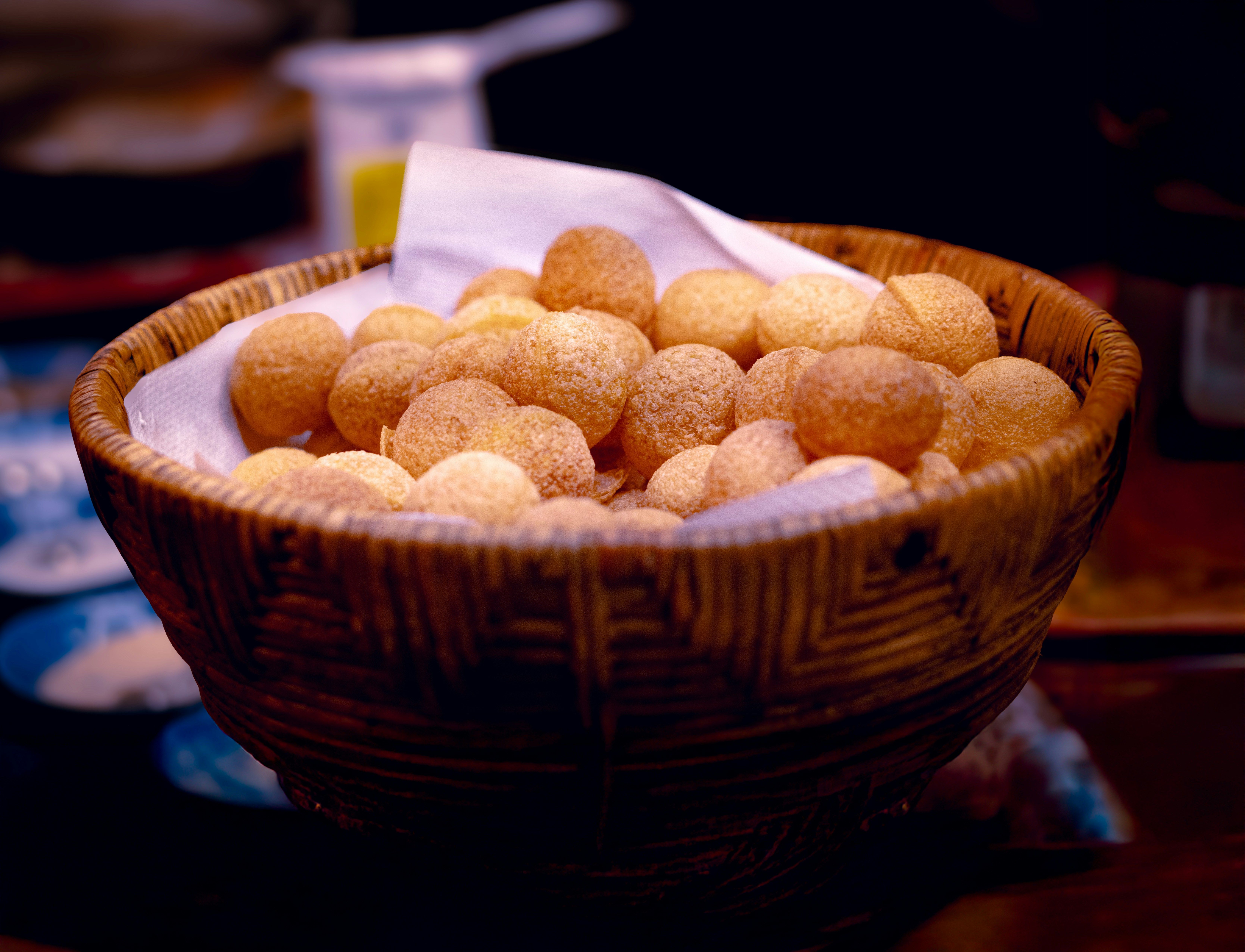
Photo: Litoon dev / Pexels
The diets react (see scores below)
Common Ingredients
- flour
- banana
- sugar
- eggs
- baking powder
- milk
- vanilla
- salt
Specific recipes may vary.
Incompatible with 8 of 11 diets
Diet Ratings
Pani Keke (Samoan fried pancake/donut balls) is fundamentally incompatible with a ketogenic diet. The dish is built on a base of wheat flour, which is a high-carb grain, and includes banana and added sugar — two additional major carbohydrate sources. A single serving would likely contain 30-60g of net carbs, easily exceeding the entire daily keto carb budget. There are no meaningful fat or fiber offsets. Every core ingredient except eggs, salt, and vanilla violates keto principles.
Pani Keke (Samoan banana pancakes/fried dough) contains two clear animal-derived ingredients: eggs and milk. Both are animal products explicitly excluded under vegan dietary rules. There is no debate within the vegan community about either of these ingredients — they are unambiguously non-vegan. While the base structure of the dish (flour, banana, sugar, baking powder, vanilla, salt) is entirely plant-based, the eggs and milk are integral to the traditional recipe's structure and cannot be ignored. Vegan versions could be made by substituting flax eggs or commercial egg replacers and using plant-based milk (oat, soy, coconut), but the traditional dish as described is not vegan-compliant.
Pani Keke (Samoan banana pancakes/donuts) contains multiple core non-paleo ingredients that are firmly excluded from the diet. Flour (wheat) is a grain and one of the most clearly prohibited foods in paleo. Sugar is refined and excluded. Milk is dairy, excluded. Baking powder typically contains corn starch, also excluded. Salt is added and discouraged. While eggs and banana are paleo-approved, they are minor components overwhelmed by several hard-avoid ingredients. This dish is fundamentally incompatible with the paleo diet.
Pani Keke is a Samoan fried or baked banana pancake/donut that relies primarily on refined white flour and added sugar as its base, which directly contradicts Mediterranean diet principles emphasizing whole grains and minimal added sugars. While eggs, banana, and milk are individually acceptable in moderation, the dish's foundation is refined grain with significant added sugar — placing it firmly in the 'avoid' category. The banana provides some fruit-based natural sweetness and nutrients, but this does not offset the refined flour and sugar load. There is no olive oil, no whole grains, no legumes, and no meaningful plant-forward nutrition density. It is essentially a sweetened refined-grain baked good, similar to a muffin or pancake, which Mediterranean diet guidelines discourage.
Pani Keke (Samoan pancake/fried dough balls) is almost entirely plant-derived and processed. The dominant ingredients — flour, banana, and sugar — are all strictly excluded on the carnivore diet. Baking powder and vanilla are plant-based additives. While eggs and milk are animal-derived, they are minor components in a dish that is fundamentally a grain-and-sugar-based baked good. This food is incompatible with carnivore principles at every level.
Pani Keke (Samoan banana pancakes/donuts) contains multiple excluded ingredients: flour (a grain), sugar (added sugar), and milk (dairy). Even if those were substituted, this dish is explicitly the type of 'recreated baked good/pancake' that Whole30 Rule 4 prohibits — it is literally a pancake/fritter analog, which is named on the excluded list. This dish fails on both ingredient grounds and the spirit-of-the-program rule simultaneously.
Pani Keke (Samoan banana pancakes/donuts) contains multiple high-FODMAP ingredients that make it unsuitable during the elimination phase. Wheat flour is the primary ingredient and is high in fructans, which are a major FODMAP trigger. Banana is FODMAP-dependent on ripeness — ripe bananas (which are typically used in this recipe for sweetness) are high in excess fructose and polyols at a standard serving (one medium ripe banana). Milk contains lactose and is high-FODMAP at typical recipe quantities. These three ingredients together make this dish clearly high-FODMAP at any standard serving size. The remaining ingredients (sugar, eggs, baking powder, vanilla, salt) are low-FODMAP, but they cannot offset the primary FODMAP sources.
Pani Keke (Samoan banana pancakes/fried dough balls) contains some DASH-friendly ingredients — banana provides potassium and fiber, eggs offer lean protein, and milk contributes calcium. However, these are typically deep-fried or pan-fried in oil, adding significant saturated/total fat not reflected in the ingredient list but standard in preparation. The refined white flour lacks the fiber of whole grains emphasized by DASH, added sugar contributes empty calories, and salt adds sodium. The combination of refined carbohydrates, added sugar, and frying method places this dish in 'caution' territory — acceptable occasionally in small portions but not a core DASH breakfast option. If baked rather than fried and made with whole wheat flour, the score would improve.
NIH DASH guidelines emphasize whole grains, limited added sugar, and low-fat preparation, which this dish does not fully meet. However, some DASH-oriented dietitians note that banana-based dishes with eggs and milk can fit within DASH when portioned appropriately and prepared with minimal oil, as the micronutrient contributions (potassium from banana, calcium from milk) align with DASH nutrient targets.
Pani Keke (Samoan pancake/donut balls) is a fried or pan-cooked sweet dough made from white flour, banana, and added sugar — a triple combination of high-glycemic carbohydrates with virtually no lean protein, no favorable fat, and no low-glycemic vegetables. The macronutrient profile is overwhelmingly carbohydrate-dominant (white flour + banana sugar + added sugar), with whatever protein comes from eggs and milk being negligible relative to the carb load. There is no realistic portioning strategy that brings this into Zone balance without stripping it down to near-nothing. White flour is a high-glycemic 'unfavorable' carb in Zone terminology, bananas are explicitly listed as an unfavorable carb by Dr. Sears due to high sugar content, and added sugar is a Zone 'avoid.' The combination produces a rapid insulin spike with no protein or fat offset. Even eating one or two pieces alongside a lean protein source and monounsaturated fat would still leave the carb block heavily dominated by unfavorable, high-glycemic sources — contrary to Zone principles favoring low-glycemic, high-fiber carbs.
Pani Keke (Samoan banana pancakes/drop donuts) is a refined carbohydrate-heavy breakfast with a mixed anti-inflammatory profile. The banana provides potassium, vitamin B6, and some antioxidants, and eggs contribute choline and selenium with modest anti-inflammatory value. However, the foundation of the dish is white flour and added sugar — both refined carbohydrates that spike blood glucose, promote insulin response, and are associated with elevated inflammatory markers (CRP, IL-6) when consumed regularly. Milk adds small amounts of saturated fat. The dish lacks meaningful omega-3s, polyphenols, fiber, or other anti-inflammatory compounds. It is not a heavily processed or trans fat-laden food, which keeps it out of 'avoid' territory, but it offers little anti-inflammatory benefit and has notable pro-inflammatory characteristics typical of refined flour + sugar breakfast items. Occasional consumption is unlikely to be harmful, but it should not be a dietary staple on an anti-inflammatory eating plan.
Pani Keke are Samoan fried banana pancake balls — essentially a sweet fried dough made primarily from refined flour, sugar, and banana, with eggs providing modest protein. The dominant macronutrient profile is refined carbohydrates and sugar, with low protein density per serving and minimal fiber. The traditional preparation involves frying, which adds significant fat and makes them poorly tolerated on GLP-1 medications (worsened nausea, bloating, reflux, and slowed gastric emptying compounded by high fat content). Even setting aside frying, the base recipe is built on refined flour and added sugar — two categories GLP-1 patients should limit. Eggs contribute some protein, but the ratio of protein to total calories is low in this dish. The banana adds natural sugar and trace fiber but not enough to offset the refined carbohydrate and fat load. Portion sensitivity is high — it is easy to overconsume these as they are small individual pieces. Scored at 4 rather than lower because the dish does contain eggs (some protein), banana (some micronutrients and potassium), and is not an ultra-processed packaged product. A baked version with reduced sugar and a protein addition (e.g., added egg whites or protein powder) would score higher, but the traditional fried version is a poor fit for GLP-1 dietary priorities.
*See how scores were generated at our methodology page.
Nutritional profile
Six traits that cut across every diet.
Fiber & Plants
How much whole-plant food and fiber it delivers.
Healthy Fats
The quality of its fats (unsaturated, omega-3).
Whole / Unprocessed
How close it is to its natural, unprocessed form.
Gut Gentle
How easy it is on digestion (low FODMAP, few irritants).
Low Glycemic
How little it spikes your blood sugar.
Protein Density
How much protein it packs per calorie.
Controversy Index
Higher controversy = more disagreement between diets.
Diet-Specific Tips
 DASH — 4/10
View tips
- Banana provides DASH-valued potassium and fiber
- Typically deep-fried — adds significant fat not shown in ingredient list
- Refined white flour rather than DASH-preferred whole grains
- Added sugar contributes empty calories contrary to DASH guidance
- Milk and eggs contribute calcium and lean protein, supporting DASH goals
- Salt adds sodium; overall sodium moderate but not negligible
- Portion control critical — small servings reduce impact of refined carbs and sugar
 Anti-Inflammatory — 4/10
View tips
- Refined white flour is a high-glycemic refined carbohydrate linked to increased inflammatory markers
- Added sugar contributes to glycemic load and pro-inflammatory insulin spikes
- Banana provides modest antioxidants and potassium but not enough to offset the refined carb base
- Eggs offer some anti-inflammatory micronutrients (choline, selenium) but in limited quantity
- No omega-3 fatty acids, polyphenols, or significant anti-inflammatory compounds present
- Not fried or processed with seed oils, which prevents a lower score
- Whole grain flour substitution would meaningfully improve the anti-inflammatory profile
 GLP-1 Friendly — 4/10
View tips
- Traditional preparation is fried — high fat content worsens GLP-1 side effects including nausea, reflux, and bloating
- Refined flour and added sugar are the dominant ingredients — low nutrient density per calorie
- Protein contribution from eggs is diluted by the high carbohydrate and fat load — poor protein-to-calorie ratio
- Minimal fiber from banana — insufficient to meet GLP-1 fiber priorities
- Small bite-sized format increases risk of overconsumption
- Banana provides potassium and some micronutrients — minor positive
- A baked, lower-sugar modification would be more compatible but still not a high-priority GLP-1 food