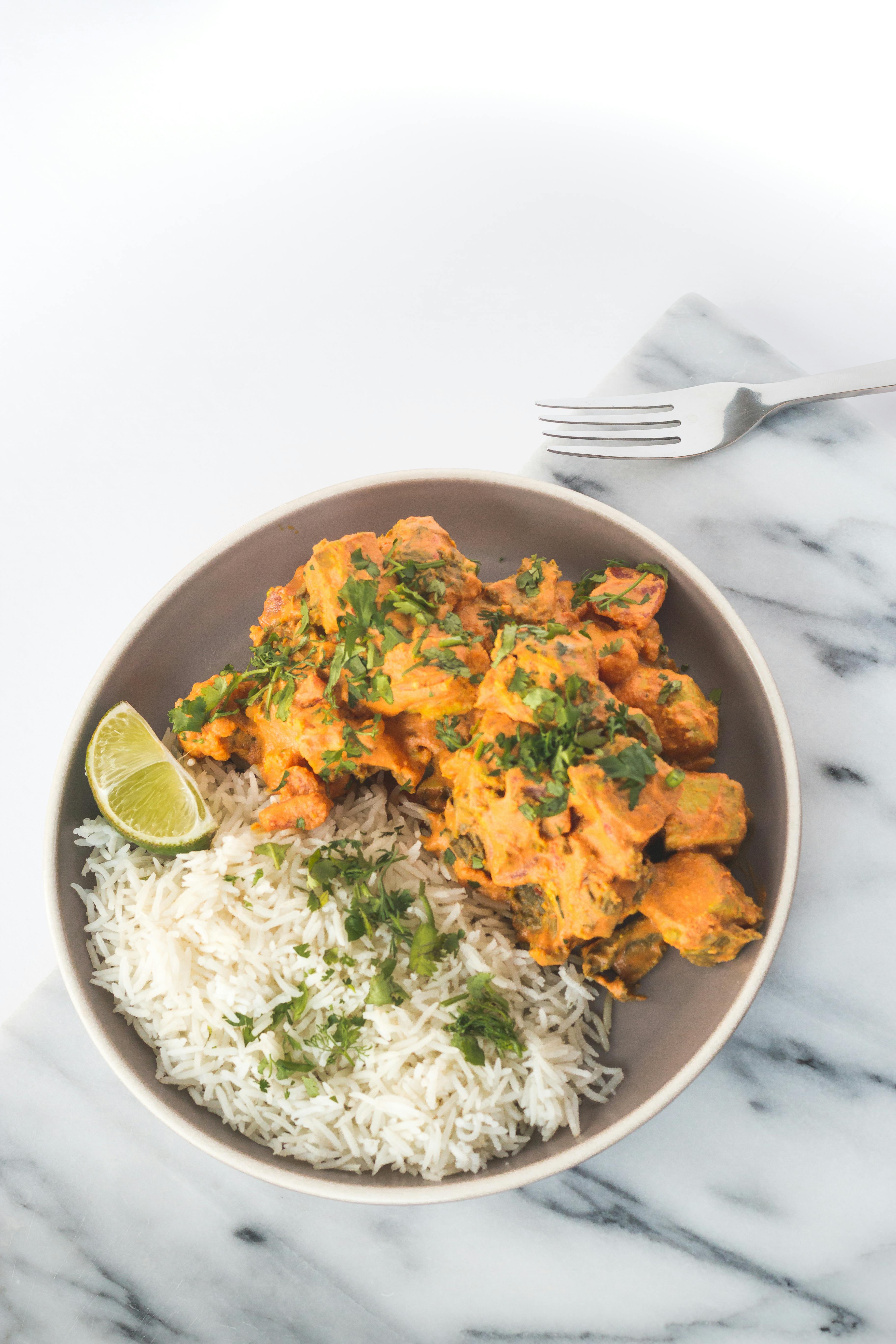
Photo: Loren Castillo / Pexels
The diets react (see scores below)
Common Ingredients
- beef
- peanut butter
- tomatoes
- onion
- carrots
- cassava
- garlic
- scotch bonnet peppers
Specific recipes may vary.
Incompatible with 8 of 11 diets
Diet Ratings
Mafe is fundamentally incompatible with ketogenic eating due to the inclusion of cassava, a starchy root vegetable with extremely high net carbs (roughly 35-40g per 100g). A standard serving of this dish would almost certainly exceed the entire daily keto carb budget from the cassava alone. Carrots add moderate additional carbs. While several ingredients are keto-friendly — beef provides quality protein and fat, peanut butter offers fat (though it carries some carbs), tomatoes and onions are manageable in small amounts, and garlic and scotch bonnet peppers are negligible — the cassava is a dealbreaker. This is a traditional starchy stew that cannot be made keto-compatible without fundamentally replacing its core starch component.
Mafe is a West African peanut stew that in this preparation is explicitly built around beef as its primary protein. Beef is an animal product and is categorically excluded from a vegan diet. The remaining ingredients — peanut butter, tomatoes, onion, carrots, cassava, garlic, and scotch bonnet peppers — are all fully plant-based, meaning the dish could theoretically be made vegan by substituting or omitting the beef, but as presented it is not vegan-compatible.
Mafe is a West African peanut stew that is fundamentally incompatible with the paleo diet. The dish's defining ingredient — peanut butter — is a legume-based product explicitly excluded from paleo. Peanuts are legumes (Arachis hypogaea), not nuts, and are among the clearest 'avoid' foods in paleo due to their lectin, phytate, and aflatoxin content. No major paleo authority permits peanuts or peanut butter. The remaining ingredients (beef, tomatoes, onion, carrots, cassava, garlic, scotch bonnet peppers) are largely paleo-compatible — cassava is a tuber and generally accepted, and the vegetables and proteins are unproblematic. However, peanut butter is so central to Mafe that removing it would make the dish unrecognizable. The dish as traditionally prepared cannot be considered paleo.
Mafe is a West African peanut stew that diverges from Mediterranean diet principles in several important ways. Beef is the primary protein, which the Mediterranean diet restricts to only a few times per month due to its saturated fat content. Peanut butter, while plant-based and containing beneficial fats, is not a traditional Mediterranean ingredient and adds significant calories and fat in a form (processed nut paste) that is less favored than whole nuts or olive oil. The dish also notably lacks olive oil as the primary fat source. On the positive side, the dish contains several Mediterranean-friendly vegetables (tomatoes, onions, carrots, garlic) and the legume-adjacent peanut base does provide plant protein. However, the combination of red meat as the core protein with peanut butter as the primary fat makes this a poor fit for Mediterranean dietary principles.
Some Mediterranean diet interpreters with a broader plant-fat framework might view the peanut butter component more favorably, noting that peanuts are legumes rich in monounsaturated fats, and could suggest simply substituting chicken or fish for the beef to make the dish more compatible. The vegetable-rich profile of the stew has structural similarities to some North African tagines that are considered Mediterranean-adjacent.
Mafe is a Senegalese peanut stew that is fundamentally incompatible with the carnivore diet. While it does contain beef as the primary protein, the dish is built around peanut butter (a legume, strictly excluded), and is loaded with multiple plant-based ingredients: tomatoes, onion, carrots, cassava, garlic, and scotch bonnet peppers. The only carnivore-compatible ingredient is the beef itself. Peanut butter alone disqualifies this dish — peanuts are legumes, a category universally rejected by all carnivore practitioners. The remaining vegetables, root vegetables, and alliums compound the exclusion. This dish cannot be adapted to carnivore without removing every ingredient except the beef, at which point it is no longer Mafe.
Mafe is a traditional Senegalese peanut stew that is fundamentally built around peanut butter as its primary flavor base. Peanuts are legumes, and peanuts and peanut butter are explicitly excluded on the Whole30 program — there is no exception for them. All other ingredients (beef, tomatoes, onion, carrots, cassava, garlic, scotch bonnet peppers) are individually Whole30-compliant, but the peanut butter is a disqualifying ingredient with no compliant substitute that would preserve the identity of this dish.
Mafe contains multiple high-FODMAP ingredients that make it unsuitable during the elimination phase. Onion is one of the highest-FODMAP foods due to fructans and is problematic at any cooking amount. Garlic is similarly high in fructans and a primary trigger even in small quantities. These two ingredients alone would disqualify the dish. Additionally, peanut butter contains GOS (galacto-oligosaccharides) and is only low-FODMAP at 2 tablespoons (32g) per Monash — in a stew where peanut butter is a primary sauce ingredient, the per-serving amount will almost certainly exceed this threshold significantly. Cassava has limited Monash testing data but is generally considered moderate to high FODMAP. The remaining ingredients (beef, tomatoes, carrots, scotch bonnet peppers) are low-FODMAP. However, the combination of onion, garlic, and high-dose peanut butter makes this dish a clear avoid during the elimination phase with no practical modification that preserves the dish's character.
Mafe is a West African peanut-based stew with a mixed DASH profile. On the positive side, it features several DASH-friendly components: tomatoes, onions, carrots, garlic, and scotch bonnet peppers are all vegetables rich in potassium, fiber, and antioxidants; cassava provides complex carbohydrates and fiber. However, two ingredients create significant concerns. First, beef is a red meat that DASH limits due to saturated fat content — lean cuts used sparingly can fit, but beef is not the preferred DASH protein. Second, peanut butter, while a legume-based food that DASH generally supports (nuts and seeds are included), adds substantial calories and fat when used in the quantities typical of mafe. Peanut butter is high in monounsaturated fat (favorable) but also contains saturated fat and is calorie-dense, requiring strict portion control. The dish as a whole is not high in sodium from processed sources, which is favorable. The combination of red meat and high-fat peanut butter in a rich stew format tips this dish toward caution rather than approval. Substituting chicken or fish for beef and moderating peanut butter quantity would substantially improve the DASH score.
NIH DASH guidelines limit red meat and do not specifically endorse peanut butter in large quantities as part of a main dish, favoring it only as a small portion (1–2 tbsp) within the nuts/seeds/legumes group. However, some DASH-oriented nutritionists note that peanut butter's unsaturated fat profile and protein content align reasonably well with DASH principles when portion-controlled, and that a vegetable-rich stew base with lean protein modifications could make mafe an acceptable DASH meal.
Mafe is a rich West African peanut stew that presents a mixed Zone Diet profile. The dish has several Zone-compatible elements but also significant challenges. On the positive side, beef provides lean protein (though it's often fattier cuts in traditional preparation), tomatoes and peppers are favorable low-glycemic vegetables, onion and garlic are Zone-friendly aromatics, and peanut butter provides monounsaturated fat alongside some protein. However, the core issues are: (1) Cassava is a very high-glycemic starch (GI ~70-90), similar to white potato, and is explicitly unfavorable in Zone methodology — it will spike insulin and throw off the 40/30/30 ratio significantly. (2) Peanut butter, while a source of monounsaturated fat, is relatively high in omega-6 fatty acids and adds substantial calories, making it harder to hit the fat target without overshooting. (3) The fat content of peanut butter combined with potentially fatty beef cuts could produce a meal heavily skewed toward fat calories. (4) Traditional Mafe portions lean carb-heavy due to cassava. A Zone-adapted version could substitute cassava with lower-GI vegetables (turnips, cauliflower) and use lean beef, making it more workable. As prepared traditionally, it requires significant modification to fit Zone ratios.
Some Zone practitioners would argue that cassava, while high-glycemic, can be included in very small portions as a single carb block, and that the vegetable base (tomatoes, onions, carrots, peppers) helps moderate the overall glycemic load of the dish. Peanut butter is borderline in Zone — Sears' earlier work favored almonds and macadamia nuts over peanuts due to higher omega-6 content, but later anti-inflammatory Zone writing acknowledges peanut butter as an acceptable fat source in moderation. The protein and fat content of this stew could make it zone-balanced if cassava is reduced drastically or omitted.
Mafe is a West African peanut stew with a genuinely mixed anti-inflammatory profile. On the positive side, tomatoes and onions deliver lycopene, quercetin, and other polyphenols; garlic is a well-established anti-inflammatory ingredient; scotch bonnet peppers are rich in capsaicin, which has documented anti-inflammatory effects; and carrots provide beta-carotene. Peanut butter contains monounsaturated fats, resveratrol, and some anti-inflammatory polyphenols, though it also contributes omega-6 fatty acids (arachidonic acid pathway) and is technically a legume rather than a tree nut — most anti-inflammatory frameworks accept it in moderation. Cassava is a high-glycemic starchy root with minimal anti-inflammatory value, adding to the carbohydrate load. The main concern is beef as the primary protein: anti-inflammatory guidelines consistently recommend limiting red meat due to saturated fat content and its role in promoting arachidonic acid synthesis and elevating inflammatory markers like CRP. The quantity and cut of beef matter significantly — a lean cut in modest portions shifts this dish closer to acceptable, while a fatty cut in a large serving tips it more pro-inflammatory. Overall, the dish has meaningful anti-inflammatory ingredients but is held back by red meat and high-glycemic cassava. Substituting chicken or fish and reducing portion size would substantially improve the profile.
Some anti-inflammatory practitioners, including those aligned with Dr. Weil's broader dietary philosophy, would argue that peanuts' omega-6 load combined with red meat makes this dish more problematic than a score of 5 suggests. Conversely, whole-food, traditional diet advocates note that Mafe uses no processed ingredients, refined sugars, or seed oils, and that minimally processed red meat in the context of a vegetable-rich, spice-forward dish is meaningfully different from processed meat consumption — the primary driver of meat-associated inflammation in epidemiological studies.
Mafe is a traditional Senegalese peanut butter stew that presents multiple significant concerns for GLP-1 patients. Peanut butter is the base of the sauce, making this dish very high in fat per serving — primarily from peanuts, which are calorie-dense and can worsen nausea, bloating, and reflux due to slowed gastric emptying. Beef, typically a fattier cut used in stews, adds saturated fat on top of the peanut fat load. Scotch bonnet peppers are among the hottest chili peppers commonly used in cooking and are very likely to worsen GLP-1-associated reflux, nausea, and gastric discomfort. Cassava is a high-glycemic, low-fiber, low-protein starchy root that contributes empty carbohydrate calories — problematic when nutrient density per bite is critical. On the positive side, the dish does contain tomatoes, onions, carrots, and garlic, which provide some fiber, micronutrients, and antioxidants, and beef contributes protein. However, the combination of high fat (peanut butter + beef), very spicy peppers, and a low-fiber starchy base makes this dish poorly suited for GLP-1 patients in its standard form. Modification — swapping beef for chicken breast, significantly reducing peanut butter quantity, omitting scotch bonnet, and replacing cassava with a higher-fiber vegetable — could bring it into caution range, but the traditional preparation as described scores low.
Some GLP-1-focused dietitians note that peanuts provide unsaturated fats and that small portions of peanut-based dishes can be acceptable for patients who tolerate fats well and have advanced past the early side-effect phase; individual spice tolerance also varies considerably, with some patients having no scotch bonnet sensitivity. However, the high caloric density and fat load of a peanut-butter-based sauce makes portion control extremely difficult and risky for most GLP-1 patients.
*See how scores were generated at our methodology page.
Nutritional profile
Six traits that cut across every diet.
Fiber & Plants
How much whole-plant food and fiber it delivers.
Healthy Fats
The quality of its fats (unsaturated, omega-3).
Whole / Unprocessed
How close it is to its natural, unprocessed form.
Gut Gentle
How easy it is on digestion (low FODMAP, few irritants).
Low Glycemic
How little it spikes your blood sugar.
Protein Density
How much protein it packs per calorie.
Controversy Index
Higher controversy = more disagreement between diets.
Diet-Specific Tips
 DASH — 5/10
View tips
- Beef is a red meat limited by DASH guidelines due to saturated fat
- Peanut butter adds significant saturated fat and calories; portion control critical
- Rich vegetable base (tomatoes, carrots, onion, garlic, peppers) strongly DASH-aligned
- Cassava provides fiber and complex carbohydrates
- No high-sodium processed ingredients present — sodium profile favorable
- Dish can be improved for DASH by substituting chicken or fish for beef
- Peanut butter's monounsaturated fat content is a partial positive within DASH principles
 Zone — 4/10
View tips
- Cassava is high-glycemic (GI 70-90) and classified as an unfavorable Zone carbohydrate
- Peanut butter provides monounsaturated fat but is omega-6 heavy, which conflicts with Zone's anti-inflammatory emphasis
- Tomatoes, peppers, onions, and garlic are Zone-favorable low-glycemic vegetables
- Beef protein source may be fatty cuts in traditional preparation — leaner cuts would improve Zone compatibility
- Traditional portion ratios are heavily carb-skewed due to cassava content
- Dish could be Zone-adapted by substituting cassava with low-GI vegetables and using lean beef
 Anti-Inflammatory — 5/10
View tips
- Beef (red meat) is a limited food in anti-inflammatory guidelines due to saturated fat and pro-inflammatory arachidonic acid pathway
- Peanut butter provides monounsaturated fats and polyphenols but adds omega-6 load
- Garlic, scotch bonnet peppers, onions, and tomatoes contribute significant anti-inflammatory polyphenols, capsaicin, and quercetin
- Cassava is a high-glycemic starch with minimal anti-inflammatory benefit
- Carrots add beta-carotene (anti-inflammatory carotenoid)
- No processed ingredients, refined sugars, seed oils, or artificial additives — a meaningful positive
- Cut and quantity of beef strongly influence the dish's net inflammatory impact