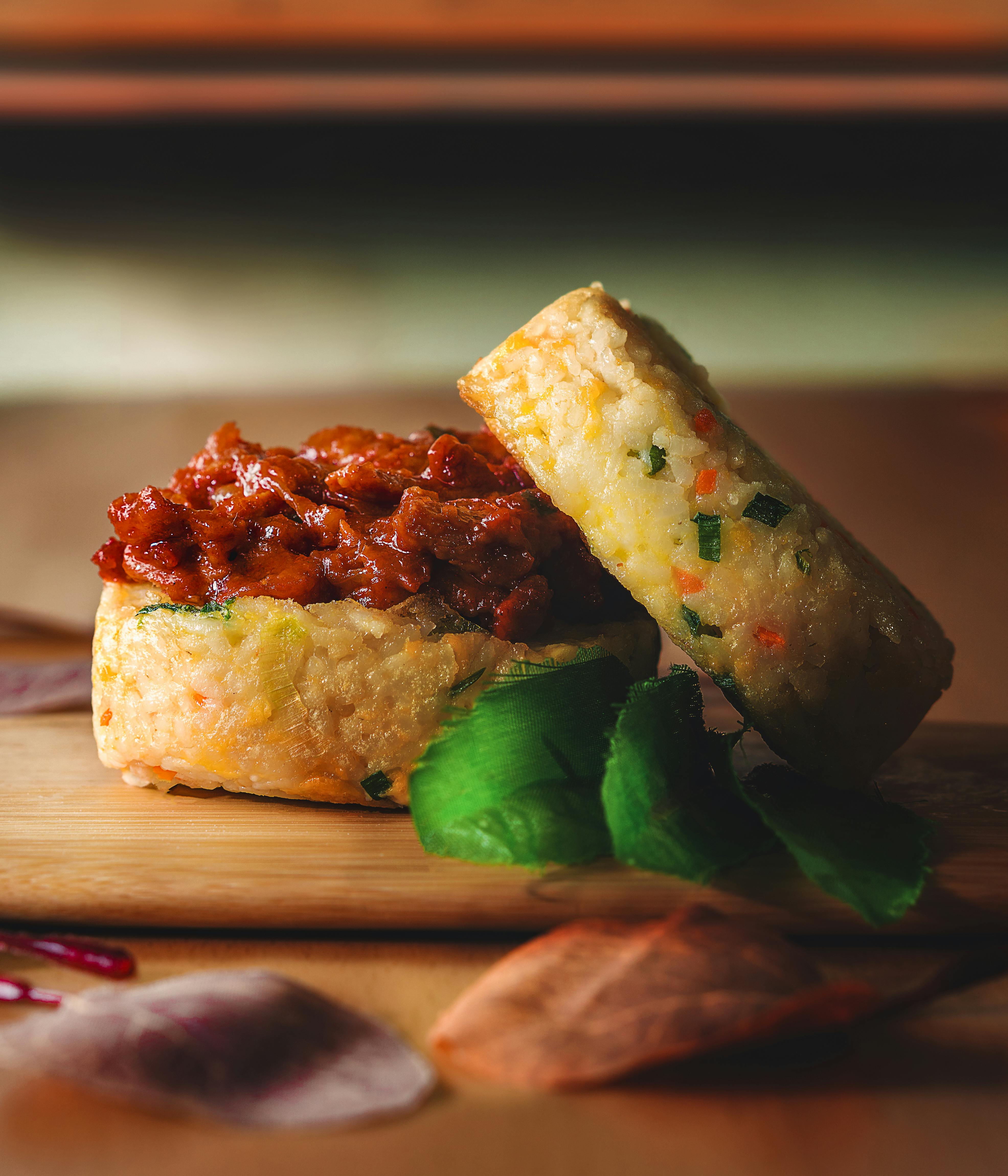
Chinese
Ci Fan Tuan
The diets react (see scores below)
Common Ingredients
- glutinous rice
- youtiao
- pork floss
- pickled vegetables
- sugar
- sesame
Specific recipes may vary.
Incompatible with 11 of 11 diets
Diet Ratings
Ci Fan Tuan is fundamentally incompatible with a ketogenic diet. The dish is built almost entirely on glutinous rice, one of the highest glycemic-index grains available, which alone can deliver 40-60g of net carbs per serving. Youtiao (fried dough sticks) adds additional wheat-based refined carbohydrates. Added sugar further compounds the carbohydrate load. Even the incidental ingredients like pork floss often contain added sugar and starch. There is no meaningful fat or protein base to offset the carbohydrate density, and no reasonable portion size would bring this dish within keto-compatible net carb limits. This is a grain-and-starch-centric food with zero viable keto modification.
Ci Fan Tuan as described contains pork floss (肉松), which is a dried shredded pork product — a clear animal ingredient that disqualifies this dish from vegan compliance. Youtiao (fried dough sticks) may also contain eggs in some recipes, adding a secondary concern. The remaining ingredients — glutinous rice, pickled vegetables, sugar, and sesame — are all plant-based, but the presence of pork floss alone is sufficient to render this dish non-vegan. A vegan version could theoretically be made by substituting pork floss with mushroom floss or soy-based floss, which are available in Chinese cuisine.
Ci Fan Tuan is fundamentally incompatible with the Paleo diet. The dish is built on glutinous rice, a grain that is strictly excluded from Paleo eating. Youtiao (fried dough sticks) adds a second grain violation in the form of wheat flour, and is also deep-fried in seed oils. Pork floss, while pork-based, is a heavily processed product typically containing added sugar, soy sauce, and preservatives. Pickled vegetables often contain added salt and may include vinegar-based additives. Refined sugar is listed as a direct ingredient. Sesame seeds are technically Paleo-compliant, but they cannot redeem a dish where nearly every other component is a core Paleo exclusion. This dish has no meaningful Paleo elements to offset its multiple disqualifying ingredients.
Ci Fan Tuan is a Chinese glutinous rice roll that conflicts with Mediterranean diet principles on multiple fronts. Glutinous rice is a refined, high-glycemic starch with negligible fiber, far removed from the whole grains emphasized in the Mediterranean pattern. Youtiao is a deep-fried dough stick — highly processed, made from refined flour, and cooked in large amounts of oil (typically not olive oil). Pork floss is a processed meat product with added sugar and sodium, falling into the red/processed meat category that the Mediterranean diet discourages. Added sugar is explicitly minimized in the Mediterranean diet. Pickled vegetables and sesame seeds are the only mildly favorable elements, but they cannot offset the overall profile. There is no olive oil, no legumes, no fresh vegetables, no whole grains, and no fish — none of the core pillars of Mediterranean eating are represented.
Ci Fan Tuan is a Chinese glutinous rice ball that is almost entirely plant-based and grain-based. The primary ingredient is glutinous rice, a grain that is strictly excluded on the carnivore diet. Youtiao is a deep-fried wheat dough stick — another grain-based food. Pickled vegetables are plant-derived. Sesame seeds are plant-derived. Sugar is excluded. Even the pork floss, which is the only animal-derived component, is typically prepared with sugar, soy sauce, and other plant-based additives, making it non-compliant. This dish has no meaningful animal-product base and is dominated by excluded plant foods and grains. It represents one of the clearest possible violations of carnivore principles.
Ci Fan Tuan is fundamentally incompatible with Whole30 due to multiple excluded ingredients. Glutinous rice is a grain and explicitly excluded. Youtiao (Chinese fried dough sticks) is also a grain-based food (wheat flour), making it doubly excluded. Sugar is an added sweetener, which is excluded. Pork floss typically contains soy sauce and sugar. Pickled vegetables may contain sulfites or sugar. This dish fails on several core Whole30 exclusions simultaneously.
Ci Fan Tuan (sticky rice roll) contains several high-FODMAP concerns. Glutinous rice itself is low-FODMAP, but the youtiao (Chinese fried dough stick) is made from wheat flour, making it high in fructans — a significant FODMAP problem. Pickled vegetables are a major concern: commonly made with garlic, onion, or high-FODMAP brassicas (like cabbage in large amounts), they are very likely high-FODMAP unless confirmed to be free of these ingredients. Pork floss is generally low-FODMAP in small amounts but may contain soy sauce (wheat-based) or added sugars including high-fructose sweeteners. Sugar (sucrose) in small amounts is typically low-FODMAP. Sesame seeds are low-FODMAP. The combination of wheat-containing youtiao and likely high-FODMAP pickled vegetables makes this dish a high-FODMAP risk during the elimination phase.
Monash University has not specifically tested Ci Fan Tuan as a dish, and FODMAP levels depend heavily on the specific recipe and brand of pickled vegetables used. Some clinical FODMAP practitioners may allow it if the youtiao is substituted with a gluten-free alternative and the pickled vegetables are confirmed garlic- and onion-free, but this is not standard guidance during strict elimination.
Ci Fan Tuan (Chinese sticky rice roll) presents multiple significant concerns for DASH compliance. Glutinous rice is a refined, low-fiber starch with a high glycemic index — not a whole grain as DASH emphasizes. Youtiao (deep-fried dough sticks) are high in sodium, refined carbohydrates, and fat from deep frying. Pickled vegetables are a major sodium contributor, often containing 400–800mg+ sodium per small serving. Pork floss is a processed meat product high in sodium (typically 600–900mg per 30g serving) and often contains added sugar. The combination of these high-sodium, processed, and refined-carbohydrate ingredients in a single dish makes it very difficult to reconcile with DASH targets. A single serving could easily exceed 1,000–1,500mg sodium — a substantial portion of even the standard DASH daily limit, let alone the low-sodium target. Added sugar is a further DASH concern. Sesame seeds are DASH-friendly but insufficient to offset the other negatives.
NIH DASH guidelines clearly limit sodium-heavy processed and pickled foods and refined grains. However, some DASH-oriented clinicians following updated dietary pattern research note that occasional culturally significant meals can be accommodated within an otherwise adherent DASH pattern — particularly if low-sodium pickled vegetables and reduced portions are used — though this remains a minority view and does not change the food's inherent profile.
Ci Fan Tuan is a Chinese sticky rice ball that presents multiple significant challenges for Zone Diet compatibility. The primary ingredient — glutinous rice — is one of the highest-glycemic carbohydrate sources available, with a glycemic index exceeding that of white rice due to its near-100% amylopectin starch composition. This makes it a deeply 'unfavorable' carbohydrate in Zone terminology. The youtiao (deep-fried dough stick) adds more high-glycemic refined carbohydrates along with likely omega-6-heavy seed oils used in frying — directly contradicting Zone's anti-inflammatory principles. Added sugar further compounds the glycemic load. The macro profile is overwhelmingly carbohydrate-dominant with almost no protein (pork floss provides minimal lean protein) and fats skewed toward inflammatory omega-6 sources from frying oil. There is no meaningful protein block equivalent present, no monounsaturated fat source, and no low-glycemic vegetables or fruits. The dish cannot be portion-adjusted into Zone balance without fundamentally changing its character — even a small portion would deliver a disproportionate glycemic carbohydrate load relative to any protein or fat. This is one of the rare cases where the food is structurally incompatible with Zone ratios.
Ci Fan Tuan (sticky rice roll) presents a notably pro-inflammatory profile from an anti-inflammatory diet perspective. The base is glutinous rice — a refined, high-glycemic starch with minimal fiber, bran, or germ, quite different from the whole grains emphasized in anti-inflammatory frameworks. The central filling is youtiao (Chinese fried dough stick), which is deep-fried in high-heat vegetable oils, creating oxidized lipids and potentially trans fats depending on the oil used — a category explicitly flagged as inflammatory. Pork floss is a processed meat product — heavily processed red/pork meat with added sugar, salt, and sometimes MSG, combining multiple cautionary and avoid-tier elements. Pickled vegetables offer the one genuinely positive note: fermented foods can support gut health and may have mild anti-inflammatory effects, and they provide some micronutrients. Sugar as an added ingredient adds to the inflammatory load. Sesame seeds (especially if sesame oil is used) are relatively neutral to mildly positive, containing lignans and some antioxidants, though sesame has a moderate omega-6 content. Overall, this dish combines high-glycemic refined starch, deep-fried ingredients, processed meat with added sugar, and minimal fiber or phytonutrient density — making it a poor fit for anti-inflammatory eating patterns.
Some anti-inflammatory-leaning practitioners in traditional Chinese medicine contexts argue that fermented/pickled vegetables and sesame provide meaningful benefits, and that occasional consumption of traditional whole-food cultural dishes should not be pathologized — context, portion size, and overall dietary pattern matter more than any single meal. However, by ingredient-level anti-inflammatory criteria as defined by frameworks like Dr. Weil's pyramid, the fried dough, processed pork floss, and refined glutinous rice collectively place this dish in avoid territory.
Ci Fan Tuan is a glutinous rice ball wrapped around youtiao (deep-fried dough), pork floss, pickled vegetables, sugar, and sesame. It is a poor fit for GLP-1 patients on nearly every key criterion. Glutinous rice is a refined, sticky, low-fiber starch that is slow and difficult to digest — particularly problematic given GLP-1-induced delayed gastric emptying, which already extends food transit time. Youtiao is deep-fried, adding significant saturated fat and grease that directly worsen GLP-1 side effects including nausea, bloating, and reflux. The dish has no meaningful primary protein source — pork floss contributes a modest amount but is heavily processed, high in sodium, and often contains added sugar. Added sugar further reduces its nutritional value per calorie. The overall macronutrient profile is dominated by refined carbohydrates and fat, with very low fiber and poor protein density. The combination of fried dough encased in glutinous rice represents exactly the type of heavy, greasy, low-nutrient-density meal that clinical GLP-1 dietary guidance consistently flags as likely to trigger or worsen GI side effects.
Some GLP-1 nutrition practitioners in clinical practice note that cultural food context matters and that a small portion of ci fan tuan — particularly versions made with less youtiao or substituting a boiled egg — may be tolerated by patients with stabilized GI side effects. The disagreement centers on individual tolerance and cultural adherence rather than the food's nutritional profile, which is broadly considered suboptimal for GLP-1 patients regardless of portion size.
*See how scores were generated at our methodology page.
Nutritional profile
Six traits that cut across every diet.
Fiber & Plants
How much whole-plant food and fiber it delivers.
Healthy Fats
The quality of its fats (unsaturated, omega-3).
Whole / Unprocessed
How close it is to its natural, unprocessed form.
Gut Gentle
How easy it is on digestion (low FODMAP, few irritants).
Low Glycemic
How little it spikes your blood sugar.
Protein Density
How much protein it packs per calorie.
Controversy Index
Higher controversy = more disagreement between diets.