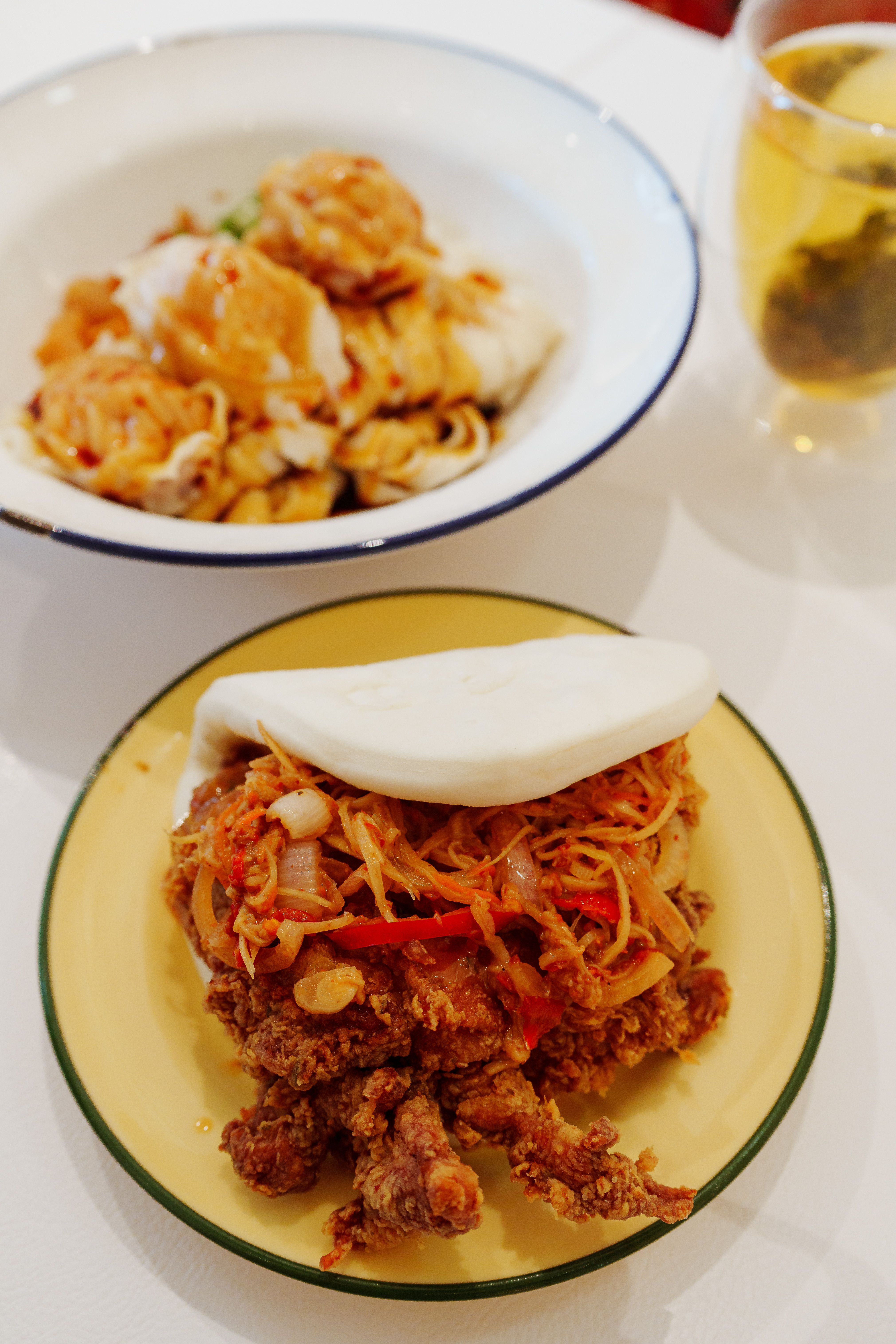
Chinese
Gong Bao Xia Qiu
The diets react (see scores below)
Common Ingredients
- shrimp
- peanuts
- dried chilies
- sichuan peppercorns
- scallions
- garlic
- ginger
- soy sauce
- vinegar
- sugar
Specific recipes may vary.
Incompatible with 5 of 11 diets
Diet Ratings
Gong Bao Xia Qiu (Kung Pao Shrimp) has a fundamentally keto-friendly protein base — shrimp is lean, very low carb, and excellent for keto. Peanuts, dried chilies, Sichuan peppercorns, scallions, garlic, and ginger are all manageable in typical cooking quantities. However, the classic sauce contains sugar and often a starch thickener, which directly conflicts with ketogenic principles. The sugar alone can add 5-10g+ of carbs per serving, and restaurant or traditional preparations often use multiple teaspoons. Soy sauce contributes minor carbs. The vinegar is fine. With sugar as a listed ingredient, this dish as traditionally prepared is problematic for strict keto. A home-prepared version substituting sugar with a keto sweetener (erythritol, monk fruit) and omitting any starch would be approvable, but as presented — with sugar explicitly listed — this warrants caution rather than approval. A small portion with awareness of the sugar content might fit within a daily carb budget, but it requires meaningful modification to be truly keto-compatible.
Strict keto practitioners would argue that any added sugar, even in small sauce quantities, should disqualify this dish entirely and move it to 'avoid,' particularly for those tracking net carbs closely or in the induction phase. Lazy keto adherents, on the other hand, might argue the sugar quantity per serving is small enough to remain within a 20-50g daily limit and conditionally approve it.
Gong Bao Xia Qiu (Kung Pao Shrimp) is a seafood-based dish with shrimp as the primary protein. Shrimp is an animal product — specifically a crustacean — and is unambiguously excluded from a vegan diet. All other ingredients (peanuts, dried chilies, Sichuan peppercorns, scallions, garlic, ginger, soy sauce, vinegar, sugar) are plant-based, but the presence of shrimp makes this dish wholly incompatible with vegan eating. There is no meaningful debate within the vegan community about whether shellfish qualifies as an animal product.
Gong Bao Xia Qiu contains multiple non-paleo ingredients that disqualify it outright. Soy sauce is a processed legume-and-grain-derived condiment (containing both soy and wheat), making it strictly off-limits. Sugar is refined and excluded. Vinegar in its commercial form often contains additives, and when combined with soy sauce and sugar it forms a processed sauce blend incompatible with paleo principles. Peanuts are legumes, not nuts, and are explicitly excluded from the paleo diet. While shrimp, dried chilies, Sichuan peppercorns, scallions, garlic, and ginger are all paleo-approved, the dish as traditionally prepared cannot be considered paleo-compliant due to soy sauce, sugar, and peanuts.
Gong Bao Xia Qiu features shrimp as the primary protein, which is excellent from a Mediterranean diet perspective — seafood is strongly encouraged 2-3 times weekly. Peanuts, garlic, ginger, scallions, and chilies are plant-forward ingredients that align well with Mediterranean principles. However, several elements introduce friction: soy sauce is a processed, high-sodium condiment absent from the Mediterranean tradition; sugar is an added sweetener that the diet minimizes; and the dish is cooked in a non-olive-oil fat base typical of Chinese cuisine (implied by the stir-fry technique). The overall dish is not a Mediterranean staple but contains many individually compatible components. The added sugar and soy sauce keep this out of the 'approve' tier, though the shrimp-and-nut core is genuinely close to Mediterranean ideals.
Some modern Mediterranean diet practitioners argue that the overall nutrient profile — seafood protein, plant aromatics, legume-adjacent nuts — matters more than culinary tradition or condiment choice, and would rate this dish more favorably if prepared with minimal sugar and low-sodium soy sauce. Conversely, strict traditionalists (following the original Ancel Keys or Oldways model) would emphasize the complete absence of olive oil and the use of processed sauces as disqualifying for anything above a caution rating.
Gong Bao Xia Qiu is almost entirely incompatible with the carnivore diet. While shrimp is an approved animal protein, it is completely overwhelmed by a long list of excluded ingredients. Peanuts are legumes (plant-derived, strictly forbidden). Dried chilies, Sichuan peppercorns, scallions, garlic, and ginger are all plant foods explicitly excluded from carnivore. Soy sauce is a fermented legume/grain product — one of the most anti-carnivore condiments possible. Vinegar (typically plant-derived) and sugar are also forbidden. This dish is essentially a plant-forward, sauce-heavy Chinese stir-fry that happens to contain shrimp. The shrimp itself is the only carnivore-compatible ingredient, and it represents a small fraction of the overall dish profile.
Gong Bao Xia Qiu (Kung Pao Shrimp) contains three excluded ingredients: (1) soy sauce, which is a soy-based product and therefore excluded as a legume derivative; (2) sugar, which is explicitly excluded as an added sugar; and (3) peanuts, which are legumes and explicitly excluded on Whole30. The shrimp, dried chilies, Sichuan peppercorns, scallions, garlic, ginger, and vinegar are all compliant, but the combination of three hard exclusions makes this dish clearly off-program. A compliant version could substitute coconut aminos for soy sauce, omit sugar or use compliant date paste sparingly, and omit peanuts entirely or substitute with compliant nuts like cashews.
Gong Bao Xia Qiu (Kung Pao Shrimp) contains garlic as a primary flavoring ingredient, which is high-FODMAP due to fructans and must be avoided entirely during the elimination phase — even small amounts of garlic are problematic. The scallion bulb (white part) is also high in fructans; only the green tops are low-FODMAP. These two ingredients alone disqualify the dish during elimination. Soy sauce in typical restaurant quantities may also contribute excess fructans. The remaining ingredients — shrimp (approved, low-FODMAP protein), peanuts (low-FODMAP at ~32g/a small handful), dried chilies (low-FODMAP in small amounts), Sichuan peppercorns (low-FODMAP), ginger (low-FODMAP), vinegar (low-FODMAP), and sugar (low-FODMAP) — are individually acceptable, but the presence of garlic and likely scallion bulb make the dish unsuitable as traditionally prepared.
Gong Bao Xia Qiu (Kung Pao Shrimp) has several DASH-friendly components — shrimp is a lean protein, peanuts provide healthy fats and magnesium, and aromatics like garlic, ginger, and scallions are nutrient-rich with negligible sodium. However, the dish is anchored by soy sauce, which is a high-sodium ingredient (standard soy sauce contains ~900-1,000mg sodium per tablespoon). The added sugar also runs counter to DASH guidance on limiting sweets. Vinegar is benign, and the chilies/Sichuan peppercorns contribute flavor without sodium. The overall sodium load from soy sauce in a restaurant or standard home preparation is likely to be significant, potentially contributing 600-1,200mg or more per serving — a meaningful portion of the DASH daily sodium budget. Peanuts are DASH-approved in moderation. This dish can be made more DASH-compatible by substituting low-sodium soy sauce and reducing sugar, but as commonly prepared it warrants caution rather than approval.
NIH DASH guidelines emphasize limiting sodium and would flag standard soy sauce-based dishes as problematic. However, some DASH-oriented clinicians note that shrimp-based dishes with healthy fats (peanuts), lean protein, and anti-inflammatory aromatics can fit within a DASH pattern if low-sodium soy sauce is used and portion sizes are controlled — arguing that the overall dietary pattern matters more than any single ingredient.
Gong Bao Xia Qiu (Kung Pao Shrimp) has several Zone-favorable elements but also notable concerns that require careful portioning. On the positive side, shrimp is an excellent lean protein source — very low fat, high protein, fitting neatly into Zone protein blocks. The aromatics (garlic, ginger, scallions, dried chilies, Sichuan peppercorns) are essentially free foods with anti-inflammatory polyphenol benefits that Sears would enthusiastically endorse. Peanuts, while technically a legume, provide monounsaturated fats (Zone-favorable fat source), though portions need control. The concerns center on the sauce: sugar is a direct high-glycemic carb that disrupts Zone ratios, soy sauce adds sodium and hidden carbs, and vinegar-sugar combinations in Chinese cooking typically create a higher-glycemic sauce than Zone prefers. Restaurant portions often use significantly more sugar than home preparation. Additionally, peanuts are relatively high in omega-6 fatty acids compared to Zone-preferred almonds or macadamia nuts — a concern given Sears' anti-inflammatory emphasis. At home, this dish can be Zone-adapted by reducing sugar dramatically (or substituting a small amount), controlling peanut portions to 1 fat block (~6 peanuts), and ensuring the shrimp portion aligns with 3 protein blocks (~90g cooked). As restaurant-prepared, the sugar content makes precise Zone block management difficult.
Some Zone practitioners consider peanuts a 'caution' fat due to their omega-6 content, while others accept them as a reasonable monounsaturated fat source in small portions. Sears' later anti-inflammatory writings (The Anti-Inflammation Zone) place greater emphasis on the omega-6/omega-3 ratio, which would make peanuts less favorable than almonds or macadamias. However, the foundational Zone books categorize peanuts as an acceptable fat block. The sugar in the sauce is the clearest unfavorable element — the degree to which this disqualifies the dish depends on total sauce volume consumed.
Gong Bao Xia Qiu (Kung Pao Shrimp) has a broadly favorable anti-inflammatory profile. Shrimp provides lean protein and contains astaxanthin, a potent antioxidant carotenoid, along with some omega-3 fatty acids. Garlic, ginger, dried chilies, and Sichuan peppercorns are all well-established anti-inflammatory spices — garlic contains allicin, ginger contains gingerols and shogaols, and chili peppers contain capsaicin, all of which have demonstrated anti-inflammatory activity. Peanuts offer resveratrol, polyphenols, and healthy fats. Scallions contribute quercetin and sulfur compounds. Soy sauce adds sodium (a concern in excess) but is fermented and used in small culinary quantities. Vinegar is neutral to mildly beneficial. The main concern is the sugar, which is pro-inflammatory and contributes to the dish's characteristic sweet-savory profile — though in traditional preparation quantities it is modest rather than excessive. The dish is not cooked in seed oils per the listed ingredients, which is a positive. Overall, the combination of anti-inflammatory spices, seafood protein, and antioxidant-rich aromatics outweighs the modest sugar content, placing this dish in the approve category. However, restaurant versions often add more sugar and use refined cooking oils (corn, soybean), which would shift the profile toward caution.
Most anti-inflammatory frameworks would approve of this dish as prepared from scratch given its spice profile and shrimp base. However, practitioners following stricter protocols — such as those focused on blood sugar regulation — would flag the added sugar and the frequent use of high-omega-6 oils in restaurant or commercial preparations as reasons to treat this as a caution food rather than an approved one.
Gong Bao Xia Qiu (Kung Pao Shrimp) has a genuinely mixed profile for GLP-1 patients. On the positive side, shrimp is an excellent lean protein source — high protein density, low fat, easy to digest, and nutrient-dense per calorie. The aromatics (garlic, ginger, scallions) are GLP-1-friendly and may even support digestion. Peanuts contribute healthy unsaturated fats and some protein, though they add fat load per serving. The primary concerns are the dried chilies and Sichuan peppercorns, which create significant spice and heat that can worsen nausea, reflux, and GI discomfort — side effects already common on GLP-1 medications. The sugar in the sauce adds modest empty calories. Soy sauce contributes high sodium, which matters for fluid retention and blood pressure. The dish is not fried, which is a meaningful advantage over many Chinese-American takeout equivalents. In a restaurant version, oil quantity is highly variable and often substantial, which could push fat load into problematic territory. A home-prepared version with reduced chili, controlled oil, and light sauce would score higher (6-7); a typical restaurant preparation scores lower (4-5).
Some GLP-1-focused dietitians would approve a home-cooked, chili-reduced version outright, emphasizing shrimp's exceptional protein-to-calorie ratio and the dish's lack of refined grains or frying. Others would flag the spice level as a near-disqualifying factor for patients in early GLP-1 titration phases when GI sensitivity is highest, recommending avoidance until side effects stabilize.
*See how scores were generated at our methodology page.
Nutritional profile
Six traits that cut across every diet.
Fiber & Plants
How much whole-plant food and fiber it delivers.
Healthy Fats
The quality of its fats (unsaturated, omega-3).
Whole / Unprocessed
How close it is to its natural, unprocessed form.
Gut Gentle
How easy it is on digestion (low FODMAP, few irritants).
Low Glycemic
How little it spikes your blood sugar.
Protein Density
How much protein it packs per calorie.
Controversy Index
Higher controversy = more disagreement between diets.
Diet-Specific Tips
 Keto — 4/10
View tips
- Sugar is explicitly listed as an ingredient — a direct keto violation in traditional preparation
- Shrimp is an excellent keto protein: zero carbs, high protein, moderate fat
- Peanuts add healthy fats and fiber but contribute some net carbs — portion-sensitive
- Soy sauce adds minimal carbs but is generally accepted in small amounts
- Traditional Kung Pao sauce often includes cornstarch as a thickener — not listed here but common
- Dish is highly modifiable at home: swap sugar for keto sweetener to shift verdict to approve
- Restaurant versions are almost certainly incompatible with strict keto due to sugar and possible starch
 Mediterranean — 5/10
View tips
- Shrimp is an ideal Mediterranean protein source (seafood 2-3x/week)
- Peanuts provide plant-based fat and protein consistent with Mediterranean principles
- Garlic, scallions, ginger, and chilies are whole plant ingredients
- Soy sauce is a processed, high-sodium condiment not part of Mediterranean tradition
- Added sugar contradicts Mediterranean dietary guidelines
- Olive oil is absent; stir-fry fat source is unspecified and likely non-olive
- Dish is not Mediterranean in origin but can be partially compatible
 DASH — 5/10
View tips
- Shrimp is a lean protein, well-aligned with DASH guidelines
- Soy sauce contributes high sodium — primary concern for DASH compliance
- Peanuts are DASH-approved healthy fat and magnesium source (in moderation)
- Added sugar from the sauce is discouraged under DASH
- Garlic, ginger, scallions, and chilies are DASH-friendly flavor enhancers
- Low-sodium soy sauce substitution would significantly improve DASH compatibility
- No saturated fat or red meat concerns — a relative strength of this dish
 Zone — 6/10
View tips
- Shrimp is an ideal Zone lean protein — low fat, high protein, fits protein blocks cleanly
- Sugar in the sauce is a high-glycemic carb that disrupts Zone macronutrient ratios
- Peanuts provide monounsaturated fat but are higher in omega-6 than Zone-preferred fat sources
- Aromatics (garlic, ginger, chilies, Sichuan peppercorn) are Zone-neutral with polyphenol anti-inflammatory benefits
- Soy sauce contributes sodium and small hidden carbs — less concern than sugar but notable
- Home preparation allows Zone adaptation; restaurant version likely uses excess sugar and oil
- Portion control on peanuts is essential — easy to over-consume fat blocks
- No vegetables in this dish reduces Zone favorability — pairing with stir-fried greens would improve Zone balance
 Anti-Inflammatory — 7/10
View tips
- Shrimp: lean protein with astaxanthin (antioxidant) and modest omega-3 content — anti-inflammatory
- Garlic and ginger: strong anti-inflammatory compounds (allicin, gingerols, shogaols)
- Dried chilies and Sichuan peppercorns: capsaicin and polyphenols with anti-inflammatory activity
- Peanuts: resveratrol, polyphenols, healthy fats — generally favorable
- Added sugar: pro-inflammatory; modest in home preparation but potentially higher in restaurant versions
- Soy sauce: high sodium — acceptable in small culinary quantities but worth noting
- No seed oils listed — avoids a common pro-inflammatory concern in stir-fry dishes
- Fermented ingredients (soy sauce, vinegar) offer mild gut-supportive properties
 GLP-1 Friendly — 5/10
View tips
- Shrimp is a high-quality lean protein — strong positive for GLP-1 patients
- Dried chilies and Sichuan peppercorns create significant spice load — risk of worsening nausea, reflux, and GI distress
- Peanuts add healthy unsaturated fats but increase total fat per serving — portion-sensitive
- Not fried — meaningful advantage over many comparable dishes
- Sugar in sauce adds modest empty calories with low nutritional value
- High sodium from soy sauce — relevant for fluid balance
- Restaurant oil quantity is highly variable and often excessive
- Low fiber content — no whole grains or legumes; vegetables minimal
- Home-prepared with reduced chili and oil would score meaningfully higher