Photo: Collab Media / Pexels
The diets react (see scores below)
Common Ingredients
- chicken
- dried chilies
- sichuan peppercorns
- garlic
- ginger
- scallions
- soy sauce
- sugar
- cornstarch
Specific recipes may vary.
Incompatible with 6 of 11 diets
Diet Ratings
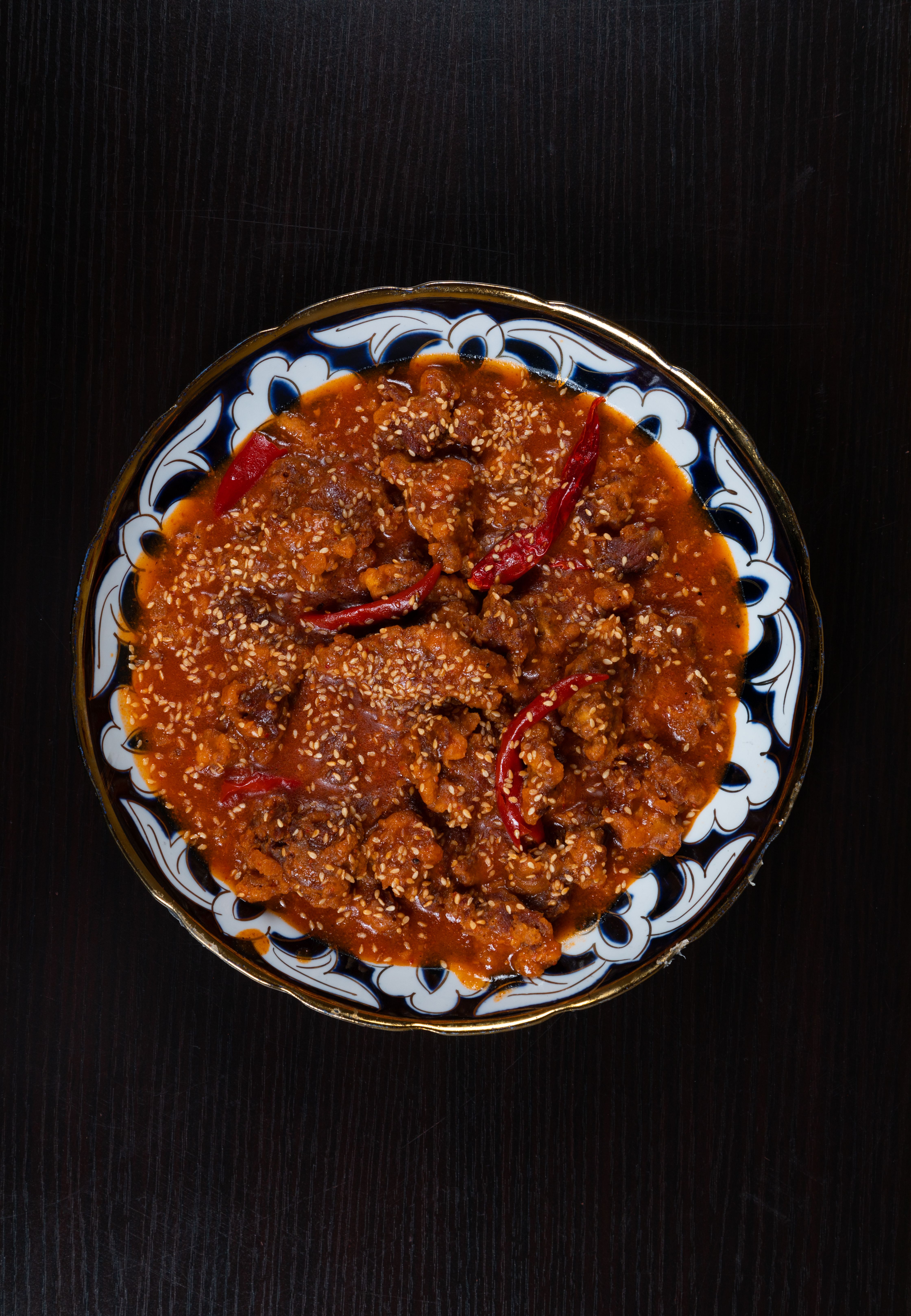
Laziji (Chongqing-style crispy chili chicken) contains several keto-problematic ingredients. Cornstarch is used as a coating and thickener, adding digestible carbs with no fiber benefit. Sugar is explicitly added, directly conflicting with keto zero-sugar rules. Soy sauce typically contains a small amount of carbs but is manageable in small quantities. The chicken, dried chilies, Sichuan peppercorns, garlic, and ginger are keto-compatible. However, the combination of cornstarch and added sugar makes the standard preparation incompatible with strict keto. With modifications — substituting cornstarch with allulose or omitting it, and replacing sugar with erythritol or monk fruit — this dish could be made keto-friendly. As prepared traditionally, it warrants caution rather than outright avoidance because the problematic ingredients (cornstarch, sugar) are used in relatively small quantities per serving of a protein-heavy dish, potentially keeping net carbs borderline manageable at small portions.
Laziji is a Sichuan stir-fried chicken dish with its primary protein being chicken, a direct animal product. There is no ambiguity here — chicken is meat and is categorically excluded from a vegan diet. The remaining ingredients (dried chilies, Sichuan peppercorns, garlic, ginger, scallions, soy sauce, sugar, cornstarch) are all plant-based, but the dish as defined cannot be considered vegan due to the chicken.
Laziji contains multiple non-paleo ingredients that disqualify it outright. Soy sauce is a fermented soy and wheat product — both legume and grain derivatives — making it firmly off-limits. Sugar is refined and excluded from paleo. Cornstarch is derived from corn, a grain, and is also excluded. While the base ingredients (chicken, dried chilies, Sichuan peppercorns, garlic, ginger, scallions) are paleo-compliant, the sauce components fundamentally undermine the dish. This is not a borderline case — three distinct non-paleo ingredients are present, each individually sufficient to trigger an 'avoid' verdict.
Laziji is a Sichuan stir-fried chicken dish with aromatics (garlic, ginger, scallions, dried chilies) that are broadly compatible with Mediterranean principles. Chicken is an acceptable moderate protein in the Mediterranean diet. However, several elements diverge from Mediterranean norms: soy sauce is a processed, high-sodium condiment not part of the Mediterranean tradition; added sugar contradicts minimal-sugar guidelines; cornstarch is a refined starch used for coating; and the dish is typically cooked in neutral vegetable oil rather than extra virgin olive oil. The aromatic vegetables and spices are positives, but the overall preparation style and ingredient list places this in cautious territory rather than a clear approve.
Some Mediterranean diet interpreters take a broader view, noting that the core principle is a whole-food, plant-forward pattern with lean protein — under this lens, the abundant garlic, ginger, and chili aromatics plus lean chicken could be seen as compatible if prepared with olive oil and low-sodium soy sauce. However, mainstream Mediterranean diet frameworks (e.g., Oldways, PREDIMED guidelines) would flag the soy sauce, added sugar, and refined starch as departures from the traditional pattern.
Laziji is fundamentally incompatible with the carnivore diet. While chicken is an acceptable animal protein, this dish is dominated by plant-based ingredients and processed additives that are strictly excluded. Dried chilies, Sichuan peppercorns, garlic, ginger, and scallions are all plant foods. Soy sauce is a fermented legume/grain product. Sugar is a refined plant-derived sweetener. Cornstarch is a grain-derived thickener. The only carnivore-compatible ingredient in this entire dish is the chicken itself. This is essentially a plant-spice and sauce dish with chicken as a secondary component — the opposite of what carnivore requires.
Laziji contains three excluded ingredients: soy sauce (soy is a legume and explicitly excluded), sugar (added sugar is excluded), and cornstarch (corn-derived starch is explicitly excluded). Any one of these alone would make the dish non-compliant, and all three are present here. Coconut aminos could substitute for soy sauce, and arrowroot or tapioca starch could replace cornstarch, but as the dish is described with these ingredients, it is not Whole30 compatible.
Laziji contains two high-FODMAP ingredients that make it unsuitable during the elimination phase: garlic (very high in fructans — one of the highest-FODMAP foods tested by Monash) and scallions/green onions used in significant quantity including the white bulb portion (high in fructans). These two ingredients alone disqualify the dish. While chicken, dried chilies, Sichuan peppercorns, ginger, soy sauce (in small amounts), sugar, and cornstarch are all low-FODMAP, garlic is a core flavor component of Laziji and cannot be omitted without fundamentally changing the dish. Scallions in the white part are high-FODMAP; only the green tops are safe. The dish as traditionally prepared is not compatible with the elimination phase.
Laziji (Chongqing-style spicy chicken) features several DASH-friendly components — lean chicken protein, garlic, ginger, scallions, and spices — but soy sauce is a significant concern. A typical Laziji preparation uses 2-4 tablespoons of regular soy sauce, contributing 500-1,000mg+ of sodium per serving, which competes directly with DASH's 1,500-2,300mg/day sodium limit. The small amount of added sugar and cornstarch are minor concerns. Dried chilies, Sichuan peppercorns, garlic, and ginger are actually DASH-neutral to positive (anti-inflammatory, no sodium, no saturated fat). The dish is low in saturated fat given the lean chicken base, which is a positive. The primary limiting factor is sodium from soy sauce. Using low-sodium soy sauce (reduces sodium by ~40%) or tamari in reduced quantities would substantially improve the DASH compatibility of this dish.
NIH DASH guidelines focus broadly on limiting sodium and emphasize lean proteins, which would flag soy sauce-heavy dishes as problematic. However, some DASH-oriented dietitians note that when portion-controlled and prepared with low-sodium soy sauce, dishes like Laziji can fit within daily sodium budgets while delivering lean protein and beneficial phytonutrients from spices — particularly relevant for individuals without severe hypertension on the standard 2,300mg threshold.
Laziji is a Sichuan dish centered on chicken, which is a favorable Zone protein. However, several ingredients require attention for Zone compatibility. The chicken itself scores well as a lean protein source. The aromatics (garlic, ginger, scallions, dried chilies, Sichuan peppercorns) are all Zone-favorable — low-glycemic, anti-inflammatory, and polyphenol-rich. Soy sauce adds sodium but minimal macronutrient concerns. The problematic elements are cornstarch (a high-glycemic thickener that adds unfavorable carb blocks) and sugar (directly unfavorable — high-glycemic, empty calories). Traditional Laziji preparations also often use significant amounts of oil, potentially omega-6-heavy vegetable oils rather than monounsaturated fats, which conflicts with Zone's anti-inflammatory priorities. Restaurant versions typically have unknown oil quantities and ratios, making block calculation difficult. With modifications — minimizing sugar, replacing cornstarch with a smaller amount or omitting, and using a favorable oil — this dish can fit Zone principles reasonably well. As traditionally prepared, the sugar and cornstarch tip it into caution territory, though it remains far more Zone-compatible than most Chinese restaurant dishes due to its protein focus and vegetable aromatics.
Some Zone practitioners would argue this dish is relatively straightforward to adapt: the sugar and cornstarch quantities in Laziji are typically small (used for light coating and minimal sweetening), meaning the unfavorable carb impact per serving is modest. In that interpretation, a controlled portion of Laziji could count as a protein block with minimal carb adjustment needed, pushing the score toward a moderate approve (7). Sears' later anti-inflammatory writings also emphasize the benefits of polyphenol-rich spices like chili and ginger, which are prominent here.
Laziji (Chongqing-style crispy chili chicken) has a genuinely mixed anti-inflammatory profile. On the positive side, the dish features a remarkable concentration of anti-inflammatory spices: dried chilies are rich in capsaicin, which has well-documented anti-inflammatory effects on NF-κB pathways; Sichuan peppercorns contain hydroxy-alpha-sanshool and other bioactive compounds with anti-inflammatory and antioxidant properties; garlic (allicin), ginger (gingerols/shogaols), and scallions all have meaningful anti-inflammatory activity. Lean chicken is an acceptable moderate-tier protein. However, several factors pull the score down: the dish typically involves deep- or shallow-frying the chicken in a seed oil (most commonly soybean, corn, or vegetable oil), which introduces significant omega-6 fatty acids and oxidation concerns — the recipe as listed doesn't specify oil, but the preparation method is nearly universal. Sugar is added (pro-inflammatory in excess), cornstarch contributes refined carbohydrates, and soy sauce adds sodium. The oil-frying question is the pivotal issue: prepared with a neutral refined seed oil at high heat, this dish becomes notably more inflammatory. Prepared with a smaller quantity of a better oil (e.g., avocado oil), the spice profile could tip the balance more favorably. Moderate, occasional consumption is reasonable for most people.
Some anti-inflammatory practitioners, particularly those following AIP or functional medicine frameworks (e.g., Dr. Tom O'Bryan), would flag the nightshade-derived dried chilies as potentially problematic for individuals with autoimmune conditions, despite capsaicin's well-documented anti-inflammatory benefits in the general population. Conversely, those emphasizing culinary spice synergy (as Dr. Weil does) would view the dense concentration of chili, garlic, ginger, and Sichuan peppercorn as a significant anti-inflammatory advantage that partially offsets the refined carbohydrate and frying-oil concerns.
Laziji (Chongqing Spicy Chicken) is characterized by an overwhelming quantity of dried chilies and Sichuan peppercorns — the dish is defined by extreme heat and the numbing tingle of hydroxy-alpha-sanshool. While the primary protein (chicken) is GLP-1-friendly, the preparation method is typically deep-fried before stir-frying, adding significant fat content that worsens nausea and bloating. Capsaicin and Sichuan peppercorns are known GI irritants that can trigger or worsen nausea, reflux, and stomach upset — side effects already elevated by the medication. The small amount of sugar and cornstarch add modest refined carbohydrate with minimal nutritional value. Soy sauce contributes high sodium. Despite the chicken providing a reasonable protein base, the overall dish profile — fried, extremely spicy, high-sodium, moderate-fat — makes it a poor choice for most GLP-1 patients, particularly those in the early dose-escalation phase when GI side effects are most pronounced.
Some GLP-1 clinicians note that individual spice tolerance varies considerably, and patients who were habitual consumers of very spicy food prior to starting medication may tolerate dishes like Laziji better than naive consumers. A small number of dietitians argue that if the chicken is prepared without deep-frying (e.g., air-fried or wok-tossed with minimal oil) and chili quantity is reduced, the dish's protein contribution could redeem it to a 'caution' rating — but this represents a significant departure from the authentic preparation that most restaurant versions follow.
*See how scores were generated at our methodology page.
Nutritional profile
Six traits that cut across every diet.
Fiber & Plants
How much whole-plant food and fiber it delivers.
Healthy Fats
The quality of its fats (unsaturated, omega-3).
Whole / Unprocessed
How close it is to its natural, unprocessed form.
Gut Gentle
How easy it is on digestion (low FODMAP, few irritants).
Low Glycemic
How little it spikes your blood sugar.
Protein Density
How much protein it packs per calorie.
Controversy Index
Higher controversy = more disagreement between diets.
Diet-Specific Tips
 Keto — 4/10
View tips
- Cornstarch coating/thickener adds digestible net carbs with no fiber offset
- Added sugar directly violates keto zero-sugar rule
- Chicken is an excellent lean keto protein source
- Dried chilies and Sichuan peppercorns are negligible in carbs at typical quantities
- Soy sauce adds minimal carbs but is generally accepted in keto in small amounts
- Dish is modifiable to be keto-compliant by swapping cornstarch and sugar
- Standard restaurant portions may push net carbs too high for strict keto
 Mediterranean — 4/10
View tips
- Chicken is acceptable in moderation as a Mediterranean protein source
- Garlic, ginger, scallions, and dried chilies are whole-food aromatics aligned with Mediterranean principles
- Soy sauce is a high-sodium processed condiment not part of Mediterranean tradition
- Added sugar contradicts Mediterranean low-sugar guidelines
- Cornstarch is a refined grain product
- Dish is not prepared with extra virgin olive oil
- No vegetables beyond aromatics, limiting plant-forward profile
 DASH — 5/10
View tips
- High sodium from soy sauce is the primary DASH concern
- Lean chicken is an approved DASH protein source
- Garlic, ginger, and aromatic spices are DASH-neutral to positive
- Small amount of added sugar is a minor concern
- Low-sodium soy sauce substitution would significantly improve DASH compatibility
- No saturated fat or tropical oils present
- Cornstarch adds minimal calories and negligible nutritional concern
 Zone — 6/10
View tips
- Chicken is a favorable Zone lean protein source
- Dried chilies, Sichuan peppercorns, garlic, and ginger are polyphenol-rich and anti-inflammatory — Zone positive
- Sugar is a high-glycemic, unfavorable Zone carbohydrate
- Cornstarch is a high-glycemic carb thickener, unfavorable in Zone
- Oil type used in cooking is unknown — potential omega-6 concern if seed oils are used
- Dish is protein-forward, which aligns with Zone block structure
- Restaurant preparation makes portion control and macro tracking difficult
 Anti-Inflammatory — 5/10
View tips
- Capsaicin in dried chilies — potent anti-inflammatory effect via NF-κB suppression
- Sichuan peppercorns — antioxidant and anti-inflammatory bioactive compounds
- Garlic, ginger, and scallions — strong anti-inflammatory spice trio
- Lean chicken — acceptable moderate-tier protein, not pro-inflammatory
- High-heat frying in seed oil (likely omega-6-rich, oxidized) — significant concern not visible in ingredient list but implied by preparation
- Added sugar and cornstarch — refined carbohydrate and glycemic load concern
- High sodium from soy sauce — not directly inflammatory but a health modifier