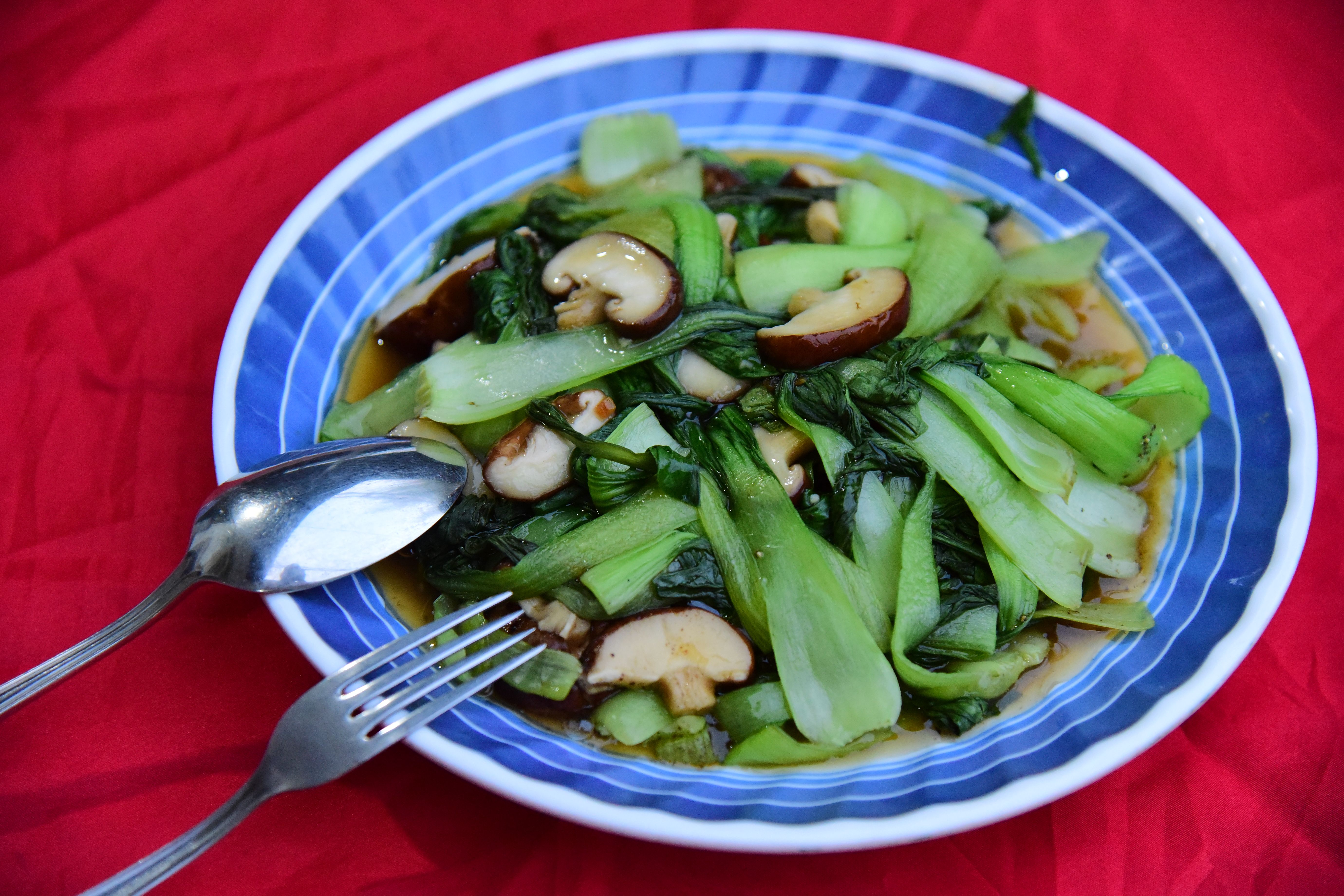
Photo: Sóc Năng Động / Pexels
Chinese
Suan Cai Yu
The diets react (see scores below)
Common Ingredients
- fish fillets
- pickled mustard greens
- pickled chilies
- garlic
- ginger
- sichuan peppercorns
- egg white
- scallions
- chicken stock
Specific recipes may vary.
Incompatible with 3 of 11 diets
Diet Ratings
Suan Cai Yu (Sichuan pickled fish soup) is predominantly keto-friendly in its protein and fat profile — white fish is lean but acceptable, and the broth-based preparation avoids heavy starches. However, the pickled mustard greens (suan cai) are a moderate concern: commercial versions often contain added sugar and salt, contributing a small but non-trivial carb load. Pickled chilies may also carry added sugars. The egg white coating is minimal carbs. Chicken stock is generally fine. A typical restaurant serving could push 8–15g net carbs depending on the brand of pickled vegetables and portion size, which is manageable but requires caution. Homemade versions with unsweetened pickled greens would score higher (7–8). The dish lacks significant fat content, relying on a lean protein in a broth, which also makes it less ideal for hitting keto macros without supplementation.
Some strict keto practitioners flag all commercial pickled and fermented vegetables with unknown ingredient lists as incompatible due to hidden sugars, while lazy keto adherents with higher carb ceilings (up to 50g/day) would likely approve this dish outright given its overall low-starch profile.
Suan Cai Yu contains multiple animal-derived ingredients that disqualify it from a vegan diet. Fish fillets are the primary protein and a direct animal product. Egg white, used to velvet the fish, is an animal-derived ingredient. Chicken stock is made from poultry, another clear animal product. The presence of three distinct animal-derived components makes this dish unambiguously non-vegan with no meaningful debate within the vegan community.
Suan Cai Yu is a Sichuan fish soup with several paleo-compliant ingredients — fish fillets, garlic, ginger, Sichuan peppercorns, scallions, and egg white are all clearly approved. However, two ingredients create meaningful concerns. Pickled mustard greens are a fermented vegetable, which is technically paleo in principle, but commercial versions almost universally contain added salt, vinegar, sugar, and preservatives, making them a processed food by strict paleo standards. Similarly, pickled chilies carry the same concern — fermentation itself is fine, but the pickling process typically involves added salt and other additives. Chicken stock is paleo when homemade but often contains added salt, yeast extract, or other additives when store-bought. The dish's core concept (fish in a broth with aromatics) is paleo-friendly, but as typically prepared with commercial pickled ingredients, it falls into caution territory.
Strict Cordain-school paleo would flag all commercially pickled and salted ingredients outright, pushing this dish toward avoid. Conversely, more permissive paleo practitioners (such as those following the Primal Blueprint or AIP-adjacent protocols) may fully approve if homemade fermented vegetables and clean stock are used, as fermentation is considered an ancestral food preservation technique.
Suan Cai Yu is a fish-based soup, which aligns well with the Mediterranean diet's emphasis on fish as a primary protein source. The dish features whole fish fillets, garlic, ginger, and scallions — wholesome, minimally processed ingredients. However, several factors temper a full approval: the pickled mustard greens and pickled chilies are likely high in sodium, which is a concern even if fermented/pickled vegetables have some precedent in traditional diets. The chicken stock may be processed or high in sodium. Sichuan peppercorns and the overall flavor profile are non-Mediterranean but not nutritionally problematic. The egg white is a minor caution item. The dish lacks olive oil as the fat source, and the cooking method (often using a significant amount of neutral oil poured over to finish) can involve refined vegetable oils rather than extra virgin olive oil. Overall, the fish base is a strong positive, but sodium content and non-olive oil fats prevent a full approval.
Some Mediterranean diet interpreters would score this higher, arguing that the core principle of fish as a primary protein is well-satisfied, and that whole-food aromatics like garlic and ginger are nutritionally compatible — the geographic origin of a dish matters less than its nutritional composition. Others would caution more strongly, noting that high-sodium pickled ingredients run counter to the Mediterranean dietary pattern's reliance on fresh vegetables and herbs rather than heavily preserved ones.
Suan Cai Yu is fundamentally incompatible with the carnivore diet. While fish fillets and egg white are carnivore-approved animal products, the dish is dominated by plant-derived ingredients that are strictly excluded: pickled mustard greens (fermented plant), pickled chilies, garlic, ginger, Sichuan peppercorns, and scallions. These are not minor seasonings — they are core structural components of the dish defining its flavor profile. The chicken stock may be acceptable if pure, but the overall dish cannot be adapted to carnivore without completely reconstructing it into an entirely different meal.
Suan Cai Yu (Fish with Pickled Mustard Greens) is a classic Sichuan soup with mostly Whole30-compliant ingredients: fish fillets, garlic, ginger, Sichuan peppercorns, scallions, egg white, and chicken stock are all fine. The two problem areas requiring careful label-reading are: (1) Pickled mustard greens — commercial versions often contain added sugar, vinegar blends, or preservatives that may be non-compliant; however, if made without sugar or with only compliant ingredients, they are acceptable. (2) Pickled chilies — similarly, commercial pickled chilies (like Pixian doubanjiang or paojiao) frequently contain added sugar, fermented bean paste (a legume), or other non-compliant additives. Plain pickled chilies in brine without sugar or non-compliant additives would be fine. The chicken stock also needs to be homemade or from a Whole30-compliant brand (many commercial stocks contain sugar, MSG historically, or other additives). The dish itself is conceptually sound for Whole30, but the commercially available versions of the pickled ingredients are very likely to contain excluded ingredients, making this a 'caution' requiring significant label scrutiny or homemade substitutes.
Some Whole30 practitioners would argue this dish can be fully approved if made with homemade or carefully sourced compliant pickled vegetables and stock, as the core dish structure is entirely whole-food based. Others note that the pickled/fermented condiments typical of this dish as commonly prepared in restaurants or using store-bought ingredients almost certainly contain non-compliant additives, effectively making the as-served dish an 'avoid' in practice.
Suan Cai Yu contains multiple significant high-FODMAP ingredients that make it unsuitable during the elimination phase. Garlic is a major fructan source and is high-FODMAP at any meaningful quantity — it is one of the highest-FODMAP foods tested by Monash. Scallions (green onions) are high-FODMAP in their white bulb portions due to fructans, though the green tops are low-FODMAP. Pickled mustard greens are a primary concern: fermented/pickled vegetables can vary significantly in FODMAP content, and pickled mustard greens lack reliable Monash testing data — they are likely high in fructans given the mustard green base. Chicken stock is another variable — commercial stocks frequently contain onion and garlic as ingredients, making them high-FODMAP unless specifically low-FODMAP certified. The fish fillets, egg white, ginger, Sichuan peppercorns, and pickled chilies are generally low-FODMAP, but the garlic alone is sufficient to classify this dish as avoid during elimination. The combination of garlic plus uncertain pickled vegetables plus likely high-FODMAP stock creates a compounding risk.
If the dish were modified — using garlic-infused oil instead of garlic cloves, green tops of scallions only, homemade low-FODMAP stock, and if pickled mustard greens were confirmed low-FODMAP at the served portion — a modified version could potentially be tolerated. However, as traditionally prepared, Monash University's clear guidance on garlic and the uncertainty around pickled mustard greens means most clinical FODMAP practitioners would advise avoidance during elimination without significant substitutions.
Suan Cai Yu (Sichuan pickled fish soup) features fish fillets as its primary protein, which is excellent for DASH — lean, rich in potassium and protein, and heart-healthy. However, the dish's sodium load is the central concern. Pickled mustard greens (suan cai) and pickled chilies are both high-sodium fermented/preserved ingredients, and chicken stock adds further sodium. Together, a single serving of this dish can easily contain 1,000–2,000mg of sodium, which poses a serious challenge even under the standard DASH threshold of 2,300mg/day and more so under the low-sodium DASH target of 1,500mg/day. The fish, garlic, ginger, egg white, and scallions are all DASH-compatible, but the pickled components dominate the nutritional profile in ways that conflict with DASH's sodium restriction. The dish is not inherently high in saturated fat, cholesterol, or added sugars, so it avoids those concerns. With sodium-reduced versions — using rinsed, low-sodium pickled greens and low-sodium stock — the score would improve significantly. As commonly prepared in restaurants or traditional recipes, however, it lands in the caution zone.
NIH DASH guidelines explicitly restrict sodium without accounting for the overall mineral-rich context of a dish; some DASH-oriented clinicians note that fish-based soups with fermented vegetables can still fit within a daily DASH plan if sodium is carefully managed across all other meals, and that the potassium and magnesium from fish and aromatics may partially offset sodium's blood pressure impact for some individuals.
Suan Cai Yu (Sichuan pickled fish soup) is a strong Zone Diet candidate. The primary protein is fish — a lean, favorable Zone protein source rich in omega-3 fatty acids, aligning perfectly with Sears' anti-inflammatory emphasis. Egg white is used as a coating/binder, adding additional lean protein. The carbohydrate load is low and low-glycemic: pickled mustard greens contribute minimal net carbs and act as a fermented food with polyphenol benefits, while garlic, ginger, scallions, and chilies are all favorable Zone carbohydrate sources. Chicken stock adds minimal macronutrient impact. There are no high-glycemic carbohydrates (no rice, noodles, or starch thickeners listed), no added sugars, and no heavy saturated fats or seed oils. The dish is naturally close to the Zone's 40/30/30 macro ratio when portioned appropriately — protein-forward with low-glycemic vegetables and minimal fat. The sodium from pickled ingredients is the primary nutritional concern, but Zone methodology does not penalize sodium. To complete a balanced Zone meal, a small side of additional low-glycemic vegetables or a modest serving of monounsaturated fat (e.g., a few drops of sesame oil or avocado on the side) would round out fat blocks, as the soup itself is relatively low in fat.
Suan Cai Yu (酸菜鱼) is a Sichuan fish soup with a genuinely favorable anti-inflammatory profile. The primary protein — white fish fillets — provides lean protein and some omega-3 fatty acids (less than fatty fish like salmon, but still beneficial). Garlic and ginger are well-documented anti-inflammatory spices with significant research backing (gingerols, allicin). Sichuan peppercorns contain antioxidant compounds including hydroxy-alpha-sanshool. Egg white adds protein without arachidonic acid concerns. Scallions contribute quercetin and flavonoids. The problematic elements are the pickled mustard greens and pickled chilies, which tend to be high in sodium — chronic high sodium intake is associated with endothelial inflammation and can be a concern, though salt itself is not classified as 'pro-inflammatory' in the traditional sense. Chicken stock quality varies; commercial versions often contain additives and excess sodium. The dish contains no refined carbohydrates, seed oils, trans fats, or added sugars. Overall, this is a whole-food, vegetable-forward fish soup with multiple anti-inflammatory spices, making it a net positive — tempered slightly by sodium concerns from fermented/pickled components.
The high sodium content from pickled mustard greens and pickled chilies is a genuine concern; some anti-inflammatory practitioners (including functional medicine approaches) flag excess sodium as contributing to vascular inflammation and would rate this more cautiously. Conversely, fermented vegetables like pickled mustard greens may offer probiotic and short-chain fatty acid benefits that support gut-mediated anti-inflammatory pathways, a nuance that mainstream anti-inflammatory guidance does not fully resolve.
Suan Cai Yu (pickled mustard green fish soup) has a genuinely strong nutritional profile for GLP-1 patients in several respects: white fish fillets are lean, high-quality protein with excellent protein density per calorie; egg white adds additional low-fat protein; chicken stock provides a light, hydrating broth base; and garlic and ginger may actually support digestion. However, two ingredients introduce meaningful concern. Pickled mustard greens and pickled chilies are high in sodium, which can be problematic given that GLP-1 patients are often advised to maintain electrolyte balance and avoid unnecessary fluid retention, and high sodium is a general caution for many obesity medicine protocols. The pickled chilies and Sichuan peppercorns introduce significant spice and heat, which can worsen nausea, reflux, and GI discomfort — side effects already common with GLP-1 medications. The dish is broth-based and therefore easy to digest and portion-friendly, and the fat content is low, which is a genuine positive. The verdict lands at caution rather than approve primarily because of the spice load and high sodium from pickling, both of which are meaningful triggers for GLP-1 side effects in many patients. A modified version with reduced chili quantity and rinsed pickled greens to lower sodium could push this toward approve territory.
Some GLP-1-focused dietitians would rate this more favorably, noting that fish-based broths are among the most recommended meal formats for patients struggling with nausea and reduced appetite, and that individual spice tolerance varies widely — patients who tolerated spicy food well pre-medication may continue to do so. Others would rate it more cautiously, pointing out that the combination of pickling acids, capsaicin from chilies, and Sichuan peppercorn numbing compounds represents a meaningful GI risk profile that is difficult to predict at the individual level.
*See how scores were generated at our methodology page.
Nutritional profile
Six traits that cut across every diet.
Fiber & Plants
How much whole-plant food and fiber it delivers.
Healthy Fats
The quality of its fats (unsaturated, omega-3).
Whole / Unprocessed
How close it is to its natural, unprocessed form.
Gut Gentle
How easy it is on digestion (low FODMAP, few irritants).
Low Glycemic
How little it spikes your blood sugar.
Protein Density
How much protein it packs per calorie.
Controversy Index
Higher controversy = more disagreement between diets.
Diet-Specific Tips
 Keto — 5/10
View tips
- Pickled mustard greens may contain added sugar — carb content varies significantly by brand
- Fish is a clean, low-carb protein source fully compatible with keto
- Broth-based preparation avoids grains and starchy thickeners
- Egg white coating adds negligible carbs
- Dish is relatively low in fat, requiring additional fat sources to meet keto macro ratios
- Homemade with sugar-free suan cai significantly improves keto compatibility
 Paleo — 5/10
View tips
- Fish fillets are clearly paleo-approved as primary protein
- Egg white used as a marinade is paleo-compliant
- Garlic, ginger, Sichuan peppercorns, and scallions are all approved aromatics
- Pickled mustard greens typically contain added salt, sugar, and preservatives — a processed ingredient
- Pickled chilies carry the same concerns as pickled mustard greens
- Chicken stock is clean if homemade, but commercial versions often contain additives
- No grains, legumes, dairy, or seed oils present in the core recipe
 Mediterranean — 5/10
View tips
- Fish is the primary protein — strongly aligned with Mediterranean principles
- High sodium from pickled mustard greens and pickled chilies is a concern
- Likely uses refined neutral oil rather than extra virgin olive oil
- Garlic, ginger, and scallions are wholesome aromatic ingredients
- Chicken stock may add additional sodium and processing
- No refined grains or added sugars
- Egg white is a minor moderation item
 Whole30 — 5/10
View tips
- Pickled mustard greens often contain added sugar — must verify or make compliant
- Commercial pickled chilies (especially doubanjiang) frequently contain fermented soy/bean paste — a legume exclusion
- Chicken stock must be Whole30-compliant (no added sugar, compliant ingredients)
- Fish, egg white, garlic, ginger, Sichuan peppercorns, and scallions are all fully compliant
- Plain pickled chilies in brine (no sugar, no soy) would be acceptable
- Restaurant versions of this dish are very likely non-compliant due to condiment ingredients
 DASH — 4/10
View tips
- Fish fillets are a DASH-approved lean protein rich in potassium and omega-3s
- Pickled mustard greens are very high in sodium, the primary DASH concern
- Pickled chilies add additional sodium load
- Chicken stock contributes further sodium unless low-sodium variety is used
- No significant saturated fat, trans fat, or added sugar concerns
- Garlic, ginger, scallions, and egg white are all DASH-compatible ingredients
- Low-sodium preparation (rinsed pickled greens, homemade or low-sodium stock) would score 6–7
- As commonly prepared, a single serving likely exceeds 1,000mg sodium
 Zone — 8/10
View tips
- Fish is a top-tier Zone protein — lean, high-quality, and rich in omega-3 fatty acids supporting Sears' anti-inflammatory framework
- No high-glycemic carbohydrates present — no rice, noodles, starch, or sugar listed
- Pickled mustard greens are low net-carb and provide polyphenols and beneficial fermented food properties
- Garlic, ginger, scallions, and chilies are all favorable Zone carbohydrate blocks
- Egg white contributes additional lean protein, consistent with Zone protein sourcing
- Dish is naturally low in fat — may need supplemental monounsaturated fat to complete Zone fat blocks
- High sodium from pickled ingredients is a general health caution but not a Zone Diet disqualifier
 Anti-Inflammatory — 7/10
View tips
- White fish provides lean protein and modest omega-3 fatty acids
- Garlic and ginger are well-researched anti-inflammatory spices (allicin, gingerols)
- Sichuan peppercorns contribute antioxidant compounds
- No refined carbohydrates, seed oils, trans fats, or added sugars
- High sodium from pickled mustard greens and pickled chilies is a limiting factor
- Pickled/fermented vegetables may offer probiotic benefits but vary widely by preparation
- Chicken stock quality is variable — homemade is preferable to commercial versions
 GLP-1 Friendly — 6/10
View tips
- Lean white fish is an excellent low-fat, high-protein GLP-1 food
- Egg white adds additional protein with zero fat
- Broth-based format supports hydration and easy digestibility
- Pickled chilies and Sichuan peppercorns pose significant spice risk for GLP-1 GI side effects (nausea, reflux)
- Pickled mustard greens are high in sodium, a concern for fluid balance
- Low fat content is a strong positive
- Portion-friendly as a soup — works well in small servings
- No refined carbohydrates or added sugars
- Fiber content is low — pickled greens offer minimal fiber benefit