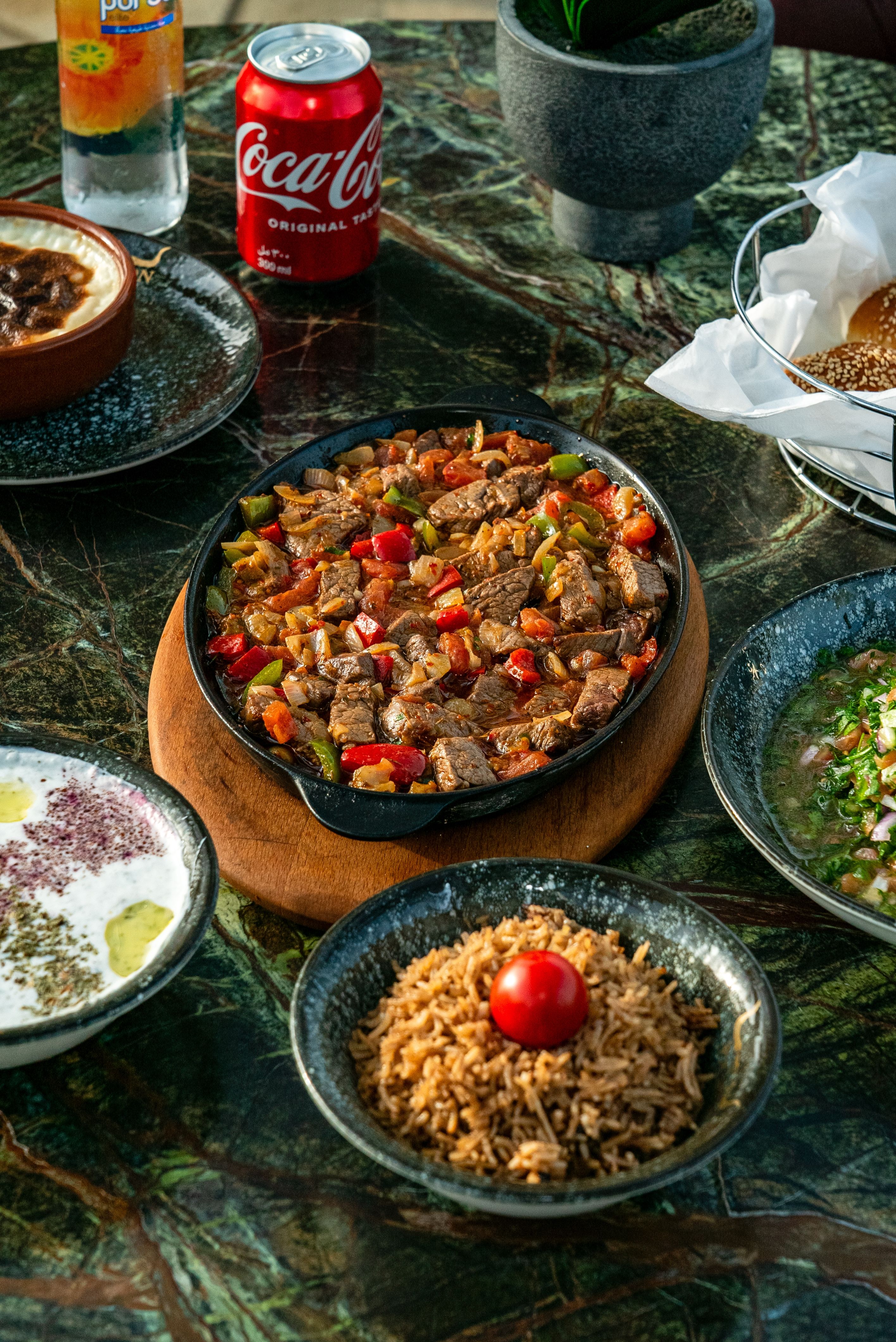
Photo: Mohamed Olwy / Pexels
The diets react (see scores below)
Common Ingredients
- beef
- ghee
- cumin
- cardamom
- salt
- garlic
Specific recipes may vary.
Incompatible with 6 of 11 diets
Diet Ratings
Muqmad is a Somali preserved beef dish — essentially slow-cooked, dried beef stored in ghee, seasoned with cumin, cardamom, salt, and garlic. This is essentially a keto dream food: high-fat (ghee), moderate high-quality protein (beef), and virtually zero net carbs. The spices used (cumin, cardamom, garlic) contribute negligible carbs at typical culinary quantities. The preservation in ghee adds substantial healthy saturated fat, perfectly aligned with keto macros. There are no grains, sugars, starchy vegetables, or other keto-incompatible ingredients. This dish is structurally similar to carnivore/keto-approved foods like pemmican or confit meats.
Muqmad is a traditional Somali preserved meat dish made by slow-cooking beef in ghee (clarified butter). Both beef and ghee are animal-derived products — beef is meat and ghee is a dairy fat — making this dish entirely incompatible with a vegan diet. There is no ambiguity here: every primary ingredient (beef, ghee) violates the core vegan principle of excluding all animal products.
Muqmad is a traditional Somali preserved beef dish — essentially sun-dried or slow-cooked beef stored in ghee, seasoned with cumin, cardamom, garlic, and salt. The beef itself is a clear paleo staple, and cumin, cardamom, and garlic are all approved herbs and spices. Two ingredients create pause: ghee and salt. Ghee is a dairy derivative and is discouraged by strict Cordain-school paleo, though widely accepted in modern paleo practice since casein and lactose are removed. Salt (added salt) is explicitly excluded under paleo rules as a non-ancestral additive, and it is a core ingredient in this preservation method — not incidental seasoning. The combination of these two debated/excluded ingredients prevents a clean approval, pulling the dish into caution territory despite its otherwise whole-food, ancestral profile.
Strict Cordain-school paleo excludes all dairy derivatives including ghee, and added salt is broadly discouraged across paleo frameworks as a processed, non-ancestral additive. From this perspective, Muqmad's reliance on both ghee as the preservation medium and salt as a curing agent makes it non-compliant. Conversely, practitioners like Mark Sisson and the Primal Blueprint allow ghee and are more permissive on mineral-rich salts, which would push this dish closer to approval.
Muqmad is a Somali preserved beef dish — essentially cured, dried red meat cooked and stored in ghee. It conflicts with Mediterranean diet principles on multiple fronts: red meat is the primary protein (limited to a few times per month), ghee is a saturated animal fat that directly contradicts the Mediterranean principle of extra virgin olive oil as the primary fat source, and the preservation/curing process adds to the processed nature of the dish. While the spices (cumin, cardamom, garlic) are Mediterranean-friendly, they cannot offset the core incompatibility of the dish's protein and fat sources.
Muqmad is a Somali preserved beef dish — essentially a carnivore-friendly concept at its core (dried beef cooked and stored in fat). However, the ingredient list includes several problematic elements for carnivore. Ghee is a debated dairy derivative. Cumin, cardamom, and garlic are all plant-derived spices/alliums that strict carnivore excludes entirely. Salt is acceptable. The beef itself is ideal. The dish is fundamentally animal-based but is compromised by multiple plant-derived additives, placing it firmly in caution territory. The spices and garlic are the primary disqualifiers for strict practitioners.
Strict carnivore and Lion Diet adherents (following Baker's or Mikhaila Peterson's protocols) would reject this dish outright due to cumin, cardamom, and garlic — all plant compounds with antinutrient potential. Additionally, ghee, while widely tolerated, is debated by the 'meat-only' camp. A fully compliant version would use only beef, tallow or butter, and salt.
Muqmad is a traditional Somali preserved beef dish (similar to confit or beef jerky preserved in fat) made with beef, ghee, and spices. Every ingredient is explicitly compliant with Whole30 rules: beef is an allowed protein, ghee is the one dairy exception explicitly approved by the program, and cumin, cardamom, salt, and garlic are all permitted herbs, spices, and seasonings. There are no excluded ingredients whatsoever. This is a whole, minimally processed food preparation that aligns well with the spirit of the Whole30 program.
Muqmad is a Somali preserved/dried beef dish cooked and stored in ghee. The ingredients are largely low-FODMAP (beef, ghee, cumin, cardamom, salt) with one critical exception: garlic. Garlic is one of the highest-FODMAP foods known, rich in fructans, and even tiny amounts — such as a clove used to season a dish — are sufficient to trigger symptoms in FODMAP-sensitive individuals. There is no safe serving threshold for garlic during the elimination phase. Since garlic is a named, integral ingredient in this preparation rather than an optional garnish, the dish must be rated as avoid. The remaining ingredients are all safe: plain beef (protein, no FODMAPs), ghee (fat-soluble, lactose-free), cumin (low-FODMAP at culinary amounts), cardamom (low-FODMAP at culinary amounts), and salt.
Muqmad is a traditional Somali preserved meat dish — essentially beef that is slow-cooked and then submerged and stored in ghee (similar to confit). This preparation is problematic for DASH diet on multiple fronts. First, ghee is a clarified butter and a saturated fat-dense ingredient; DASH explicitly limits saturated fat, and submerging/cooking meat in ghee significantly raises the saturated fat load per serving. Second, red meat (beef) is itself limited on DASH due to its saturated fat content and is categorized among foods to reduce. Third, as a preserved/cured meat snack, salt is used in meaningful quantities for both flavor and preservation, contributing to elevated sodium intake. The combination of red meat + ghee + salt preservation makes this a triple concern for DASH adherents. The spices (cumin, cardamom, garlic) are DASH-friendly, but they do not offset the core nutritional concerns of this dish.
Muqmad is a traditional Somali preserved meat dish — essentially beef jerky or confit-style beef cooked and stored in ghee (clarified butter). From a Zone perspective, it presents a mixed profile. The beef provides lean protein but is typically made from fattier cuts to enhance preservation, and the generous ghee bath adds substantial saturated fat rather than the preferred monounsaturated fats (olive oil, avocado, almonds). The spices (cumin, cardamom, garlic) are Zone-friendly and even anti-inflammatory. As a snack, Muqmad has no carbohydrate component, meaning it cannot by itself form a balanced Zone block meal — it would need to be paired with low-glycemic vegetables or fruit to achieve the 40/30/30 ratio. The primary concerns are: (1) saturated fat from ghee and potentially fatty beef cuts rather than preferred monounsaturated sources, and (2) absence of carbohydrates making it incomplete as a Zone snack without accompaniments. The protein component is genuinely useful. In small, controlled portions paired with the right carbs, it can fit into a Zone plan, but it requires deliberate effort to balance.
Dr. Sears' earlier Zone writings strictly limited saturated fat from all sources including ghee. However, his later work (Zone Omega Rx, The Mediterranean Zone) adopted a more nuanced view of traditional food preparation fats, acknowledging that minimally processed animal fats in controlled quantities are less harmful than trans fats or omega-6-heavy seed oils. Some Zone practitioners in later iterations accept ghee in small quantities as part of the fat block, which would improve Muqmad's Zone compatibility if portions are tightly controlled.
Muqmad is a traditional Somali preserved meat dish — essentially beef that is slow-cooked, dried, and stored in rendered fat (ghee/suqaar). The spice profile is favorable: garlic is well-established as anti-inflammatory, and cumin and cardamom both carry meaningful antioxidant and anti-inflammatory properties. However, the dish's core ingredients undermine these benefits from an anti-inflammatory standpoint. Red meat is already in the 'limit' category, and muqmad uses it in a concentrated, preservation-style preparation that emphasizes fat retention rather than lean cuts. More critically, ghee — clarified butter — is high in saturated fat, which anti-inflammatory guidelines consistently flag as pro-inflammatory at regular consumption levels. Muqmad is not merely cooked in ghee; the meat is submerged and stored in it, making the saturated fat load substantial per serving. The combination of red meat + high saturated fat (ghee) places this dish firmly in the 'avoid' tier for regular consumption under anti-inflammatory principles. As an occasional food, it is less concerning, but as a snack — implying more frequent, habitual consumption — the verdict leans toward avoid. The spices partially redeem the dish but cannot offset the concentrated saturated fat profile.
Some anti-inflammatory practitioners and ancestral health advocates (e.g., those aligned with Paul Saladino or carnivore-adjacent frameworks) argue that ruminant fat, including ghee and beef tallow, contains conjugated linoleic acid (CLA) and butyrate, which may have anti-inflammatory effects — and that saturated fat's inflammatory role is overstated in whole-food contexts. However, mainstream anti-inflammatory diet authorities including Dr. Andrew Weil and the IF Rating system consistently recommend limiting saturated fat and red meat, making this a medium-confidence 'avoid' rather than a high-confidence one.
Muqmad is a traditional Somali preserved meat dish made by slow-cooking beef in ghee until the fat renders and the meat is submerged and stored in it — essentially a confit preparation. The result is extremely high in saturated fat from both the fatty beef cuts typically used and the substantial quantity of ghee. While beef does contribute protein, the fat-to-protein ratio is unfavorable for GLP-1 patients: high dietary fat significantly worsens GLP-1 medication side effects including nausea, bloating, and reflux, because slowed gastric emptying means fatty foods sit in the stomach for an extended period. Ghee is nearly pure saturated fat with no fiber, no water content, and very low nutrient density per calorie. The dish is also a poor fit for small-portion eating — the fat load per small serving remains high even if quantity is reduced. Spices (cumin, cardamom, garlic) are benign and even beneficial, but they cannot offset the core fat problem. This dish falls clearly into the avoid category for GLP-1 patients.
Some GLP-1-focused dietitians note that beef does provide complete protein and, in very small portions, muqmad could theoretically contribute to protein targets; a minority view holds that highly satiating traditional preserved meats have a place in culturally responsive care. However, the dominant clinical position among obesity medicine practitioners is that the saturated fat load and ghee content make this preparation inappropriate regardless of protein contribution, particularly given how severely high-fat foods exacerbate GI side effects on GLP-1 medications.
*See how scores were generated at our methodology page.
Nutritional profile
Six traits that cut across every diet.
Fiber & Plants
How much whole-plant food and fiber it delivers.
Healthy Fats
The quality of its fats (unsaturated, omega-3).
Whole / Unprocessed
How close it is to its natural, unprocessed form.
Gut Gentle
How easy it is on digestion (low FODMAP, few irritants).
Low Glycemic
How little it spikes your blood sugar.
Protein Density
How much protein it packs per calorie.
Controversy Index
Higher controversy = more disagreement between diets.
Diet-Specific Tips
 Keto — 9/10
View tips
- Beef provides high-quality protein with natural fat content
- Ghee is one of the most keto-approved fats — pure clarified butter fat, zero carbs
- Cumin, cardamom, garlic, and salt contribute negligible net carbs
- No grains, sugars, or starchy ingredients present
- Preservation in ghee increases fat ratio, improving keto macros further
- Effectively a high-fat, moderate-protein snack with near-zero net carbs
 Paleo — 5/10
View tips
- Beef is a core paleo-approved protein
- Ghee is debated — excluded by strict Cordain-school paleo but widely accepted in modern paleo practice
- Added salt is explicitly discouraged under paleo rules and is a structural ingredient in this dish
- Cumin, cardamom, and garlic are fully paleo-approved spices
- Preservation method (drying + fat storage) is ancestrally plausible but salt dependence is a concern
- No grains, legumes, seed oils, or refined sugars present
 Carnivore — 4/10
View tips
- Beef is carnivore-approved and the primary protein
- Ghee is a debated dairy derivative — accepted by many but not strict carnivore purists
- Cumin and cardamom are plant-derived spices excluded on strict carnivore
- Garlic is a plant allium, excluded on all carnivore tiers
- Salt is universally accepted
- Preservation-in-fat concept is carnivore-aligned in principle but execution uses plant additives
 Whole30 — 9/10
View tips
- Beef is a fully approved Whole30 protein
- Ghee is the one explicit dairy exception permitted by Whole30
- Cumin, cardamom, and garlic are all compliant spices and aromatics
- Salt is explicitly allowed, including iodized salt
- No excluded ingredients (no grains, legumes, sugar, alcohol, or non-compliant dairy)
- Traditional preservation method (fat-confit style) is consistent with whole-food philosophy
 Zone — 4/10
View tips
- High saturated fat from ghee — not the preferred monounsaturated fat source in Zone methodology
- Beef protein is usable but potentially higher in saturated fat depending on cut used
- No carbohydrate component — cannot form a complete Zone block snack without pairing with low-GI vegetables or fruit
- Spices (cumin, cardamom, garlic) are Zone-friendly and provide anti-inflammatory polyphenols
- Traditional preservation method results in calorie-dense, fat-heavy food requiring strict portion control
- Ghee is classified as a saturated fat in early Zone writings, though later Sears work is more permissive