Photo: Marcelo Verfe / Pexels
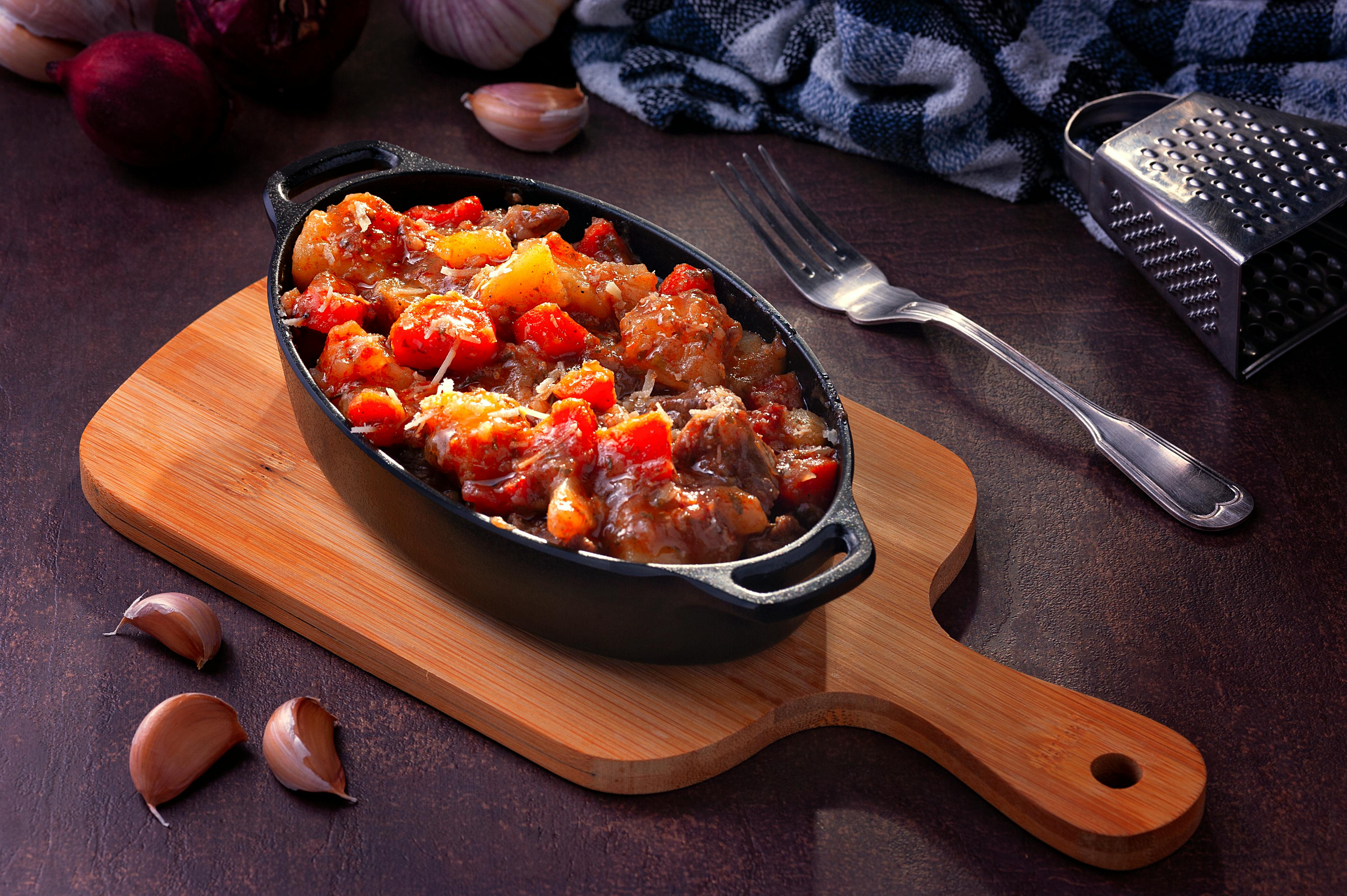
South-African
Bredie
The diets react (see scores below)
Common Ingredients
- lamb
- tomato
- onion
- potatoes
- garlic
- chili
- cinnamon
- cardamom
Specific recipes may vary.
Incompatible with 6 of 11 diets
Diet Ratings
Bredie is a traditional South African lamb stew that is fundamentally incompatible with ketogenic eating due to the inclusion of potatoes as a core ingredient. Potatoes are a starchy vegetable with approximately 15-17g net carbs per 100g, and a standard serving of bredie would likely contain enough potato to exceed the entire daily keto carb budget in one dish. The lamb itself is keto-friendly (high fat, high protein), and the aromatics (garlic, onion, chili, cinnamon, cardamom) and tomato contribute only modest carbs, but the potatoes are a deal-breaker. Without potatoes, a modified version of this dish could potentially be keto-friendly, but the traditional recipe as described cannot be accommodated.
Bredie is a traditional South African stew with lamb as its primary protein. Lamb is unambiguously an animal product — specifically the flesh of a young sheep — making this dish entirely incompatible with a vegan diet. The remaining ingredients (tomato, onion, potatoes, garlic, chili, cinnamon, cardamom) are all plant-based, but the presence of lamb as the central, defining ingredient means this dish cannot be considered vegan in any interpretation.
Bredie is a South African slow-cooked stew featuring lamb as its primary protein alongside tomatoes, onion, garlic, chili, cinnamon, and cardamom — all of which are solidly paleo-approved. The problematic ingredient is white potatoes, which occupy a well-known gray area in the paleo community. Loren Cordain's original framework excluded white potatoes due to their glycemic load and glycoalkaloid content, but many modern paleo practitioners and protocols now accept them, especially when cooked (which reduces glycoalkaloids). The dish has no grains, legumes, dairy, seed oils, or refined sugars, so aside from the potatoes the foundation is very clean. The overall dish lands in 'caution' territory primarily because of the white potato debate, not because of any clearly non-paleo ingredient.
Mark Sisson (Primal Blueprint) and the Whole30 protocol both permit white potatoes, and many modern paleo practitioners consider them acceptable whole-food starches. Conversely, strict Cordain-school paleo (The Paleo Diet book) discourages white potatoes due to higher glycemic index and glycoalkaloid content, which would push this dish closer to avoid.
Bredie is a slow-cooked South African lamb stew featuring lamb as the primary protein. In the Mediterranean diet, red meat (including lamb) is limited to a few times per month, making this dish a poor regular choice. The other ingredients — tomato, onion, potatoes, garlic, chili, and aromatic spices — are all Mediterranean-friendly and nutrient-rich whole foods. However, the central role of lamb as the primary protein overrides these positives. The dish lacks olive oil as a featured fat and contains no legumes, fish, or other core Mediterranean staples to offset the red meat concern. Occasional consumption would be acceptable, but as a regular main it conflicts with Mediterranean principles.
Some Mediterranean diet interpretations, particularly those rooted in traditional Greek and Middle Eastern culinary traditions, do include occasional lamb dishes as culturally significant celebrations of whole, minimally processed meat. Proponents note that lamb is less processed than cured or fast-food meats, and the vegetable-rich broth base partially aligns with plant-forward principles.
Bredie is a traditional South African lamb stew that contains numerous plant-based ingredients incompatible with the carnivore diet. While the primary protein — lamb — is an excellent ruminant meat and would score highly on its own, the dish is built around tomato, onion, potatoes, garlic, chili, cinnamon, and cardamom. Tomatoes and potatoes are plant vegetables, onion and garlic are plant aromatics, and cinnamon and cardamom are plant-derived spices. Virtually every non-lamb component violates carnivore principles. Only the lamb itself is carnivore-compliant; the overall dish as prepared is firmly off-plan.
Bredie is a traditional South African slow-cooked stew featuring lamb, tomatoes, onions, potatoes, garlic, chili, cinnamon, and cardamom — all of which are fully compliant with Whole30 guidelines. Lamb is an approved protein, tomatoes, onions, potatoes, and garlic are compliant vegetables, chili is an allowed spice, and cinnamon and cardamom are explicitly permitted herbs and spices. There are no grains, legumes, dairy, added sugars, or other excluded ingredients in this dish. Potatoes (including white potatoes) have been explicitly approved by Whole30 since a 2014 rule update. This is a whole-food, minimally processed dish that aligns well with the spirit of the program.
Bredie contains two well-established high-FODMAP ingredients that make it unsuitable during the elimination phase: onion (high in fructans at any typical cooking quantity) and garlic (high in fructans even at very small amounts). Both are among the most problematic FODMAP sources and are core flavour-building ingredients in this dish, not incidental garnishes — they cannot be reduced to a safe threshold without fundamentally altering the recipe. Lamb itself is low-FODMAP (plain protein), tomatoes are low-FODMAP at standard servings (up to ~65g per serve), potatoes are low-FODMAP at moderate portions (~75g), chili (fresh red) is low-FODMAP in small amounts, and the spices (cinnamon, cardamom) are low-FODMAP at culinary quantities. However, the presence of onion and garlic as key ingredients is disqualifying. The dish would require a significant reformulation — replacing onion and garlic with the green tops of spring onions and garlic-infused oil respectively — to become elimination-phase safe.
Bredie is a South African slow-cooked stew featuring lamb as its primary protein, combined with DASH-friendly vegetables (tomato, onion, potatoes, garlic) and aromatic spices (cinnamon, cardamom, chili). The vegetable and spice components align well with DASH principles — tomatoes provide potassium and lycopene, potatoes offer potassium and fiber, and the spices add flavor without sodium. However, lamb is classified as red meat, which DASH guidelines explicitly limit due to its saturated fat and cholesterol content. The cut of lamb used matters significantly: lamb shoulder or leg (common in bredie) contains moderate-to-high saturated fat. Traditional preparation often uses fattier cuts and may not trim visible fat. The stew format can also concentrate fat in the cooking liquid. On the positive side, the dish contains no added salt listed in ingredients, the spice-forward flavor profile reduces sodium dependency, and the vegetable-to-meat ratio can be favorable. Portion control (small lamb serving alongside generous vegetables) would be key to making this acceptable within DASH guidelines.
NIH DASH guidelines categorize red meat (including lamb) as a food to limit, recommending no more than 2 servings per week of lean cuts. However, updated clinical DASH interpretations note that if lean lamb cuts are used, visible fat is trimmed, and the dish is prepared without added salt, an occasional serving can fit within a DASH eating plan — particularly given the dish's high vegetable content and potassium-rich ingredients.
Bredie is a traditional South African slow-cooked stew with several Zone Diet challenges. The primary protein, lamb, is not inherently off-limits in the Zone, but it is a fatty red meat rather than a lean protein source — it carries more saturated fat than the preferred skinless chicken, fish, or lean beef, making it an 'unfavorable' protein. The carbohydrate base includes potatoes, which Dr. Sears explicitly flags as a high-glycemic, unfavorable carbohydrate to avoid in Zone meals. Tomatoes and onions are fine, low-glycemic Zone-friendly vegetables, and the spices (garlic, chili, cinnamon, cardamom) are anti-inflammatory polyphenol-rich additions that Sears would appreciate. However, the combination of fatty lamb and starchy potatoes as the structural backbone of this dish makes it difficult to construct a proper 40/30/30 block meal without significant modification. A Zone-adapted version would substitute potatoes with lower-GI vegetables (e.g., zucchini, green beans, or cauliflower) and use a leaner cut of lamb or trim visible fat aggressively. As traditionally prepared, the dish skews toward excess saturated fat and high-glycemic carbohydrates.
Some Zone practitioners would argue that Bredie can be portioned into Zone blocks if the lamb is trimmed and the potato quantity is kept very small — essentially treating potatoes as a minor carb block contributor alongside the tomatoes and onions. In Sears' later writings, he relaxed somewhat on saturated fat concerns, acknowledging that quality animal fats in moderate amounts are not catastrophic in an otherwise anti-inflammatory diet. If the stew is prepared with a lean lamb cut (e.g., leg of lamb, well-trimmed) and potatoes are kept to a minimum or partially substituted, some Zone coaches would rate this dish as a workable 'caution' meal rather than approaching 'avoid' territory.
Bredie is a South African slow-cooked stew with a genuinely mixed anti-inflammatory profile. On the positive side, the dish is rich in anti-inflammatory ingredients: garlic provides allicin and organosulfur compounds; chili contains capsaicin, a known anti-inflammatory compound; cinnamon and cardamom are both recognized anti-inflammatory spices with antioxidant properties; tomatoes supply lycopene (bioavailability enhanced by cooking); and onions offer quercetin. The slow-cooking method in a tomato base can actually concentrate beneficial polyphenols. Potatoes are a neutral starch — not anti-inflammatory, but not particularly pro-inflammatory either. The central concern is lamb, which is red meat with notable saturated fat content. Anti-inflammatory guidelines consistently recommend limiting red meat due to its arachidonic acid, heme iron, and saturated fat content — all of which are associated with elevated inflammatory markers like CRP and IL-6. However, lamb is less processed than many red meats and is not as high in saturated fat as beef cuts like ribeye. Grass-fed lamb in particular has a better omega-6 to omega-3 ratio than grain-fed alternatives. The overall dish sits in 'caution' territory: a vegetable and spice foundation with genuine anti-inflammatory value, offset by a red meat primary protein that anti-inflammatory frameworks recommend limiting. Enjoyed occasionally rather than regularly, and ideally with smaller lamb portions and grass-fed sourcing, this dish is an acceptable part of an anti-inflammatory diet.
Some anti-inflammatory practitioners, particularly those following stricter autoimmune or Paleo-adjacent protocols, would flag both the lamb (arachidonic acid, saturated fat) and the nightshade ingredients (tomatoes, chili/peppers) as potentially pro-inflammatory for sensitive individuals — placing this dish closer to 'avoid.' Conversely, researchers focused on the Mediterranean or whole-foods framework note that red meat consumed in moderation within a spice-rich, vegetable-heavy preparation like this is unlikely to drive systemic inflammation meaningfully, and some grass-fed lamb advocates (including proponents of nutrient density approaches) argue its CLA and omega-3 content partially offset concerns.
Bredie is a South African slow-braised lamb stew with tomatoes, onions, potatoes, garlic, and warm spices. The dish has genuine nutritional positives — lamb provides complete protein (roughly 25-28g per 150g serving), tomatoes and onions contribute antioxidants and some fiber, and the braising liquid is relatively easy to digest compared to fried preparations. However, lamb is a fatty red meat with significant saturated fat content (traditional bredie cuts like shoulder or neck can be 15-25g fat per serving), which directly conflicts with GLP-1 dietary priorities: high saturated fat worsens nausea, slows gastric emptying further on top of the medication's effect, and increases risk of reflux and bloating. Potatoes add starchy carbohydrates with moderate fiber but limited protein density. The chili component may aggravate reflux or nausea in GLP-1 patients who are already GI-sensitive. The dish is not fried and contains whole-food ingredients, which keeps it out of the avoid category, but the fatty lamb base and chili make it a cautious choice rather than an approved one. A modified version using lean lamb leg, trimmed of visible fat, with reduced chili and smaller portion size could improve the rating.
Some GLP-1-focused dietitians accept red meat including lamb in moderation, arguing that the high protein content and iron density make it a worthwhile trade-off in patients struggling to meet protein targets — particularly since slow braising renders fat into the liquid, which can be partially skimmed. Others maintain that the saturated fat load and gastric-emptying interaction make lamb a consistent GI risk and recommend substituting leaner proteins entirely.
*See how scores were generated at our methodology page.
Nutritional profile
Six traits that cut across every diet.
Fiber & Plants
How much whole-plant food and fiber it delivers.
Healthy Fats
The quality of its fats (unsaturated, omega-3).
Whole / Unprocessed
How close it is to its natural, unprocessed form.
Gut Gentle
How easy it is on digestion (low FODMAP, few irritants).
Low Glycemic
How little it spikes your blood sugar.
Protein Density
How much protein it packs per calorie.
Controversy Index
Higher controversy = more disagreement between diets.
Diet-Specific Tips
 Paleo — 5/10
View tips
- Lamb is a fully paleo-approved protein — unprocessed and nutrient-dense
- Tomato, onion, garlic, chili, cinnamon, and cardamom are all paleo-compliant whole foods
- White potatoes are the sole contested ingredient — excluded by strict Cordain-school paleo but accepted by many modern paleo frameworks
- No grains, legumes, dairy, seed oils, refined sugar, or processed ingredients present
- Dish is otherwise a straightforward whole-food stew with strong paleo credentials
 DASH — 4/10
View tips
- Lamb is red meat — DASH guidelines recommend limiting red meat intake
- Saturated fat content varies significantly by lamb cut; fattier cuts (shoulder, ribs) are problematic
- No added sodium listed in ingredients — favorable for DASH sodium targets
- Tomatoes, onions, and potatoes are DASH-approved vegetables providing potassium and fiber
- Spice-forward preparation (cinnamon, cardamom, chili) supports low-sodium flavor strategy
- Garlic is a DASH-friendly ingredient with potential blood pressure benefits
- Portion size and lean cut selection are critical for DASH compatibility
- Stew preparation may concentrate saturated fat — skimming fat before serving recommended
 Zone — 4/10
View tips
- Lamb is a fatty red meat high in saturated fat — an unfavorable Zone protein compared to skinless poultry or fish
- Potatoes are explicitly listed by Dr. Sears as a high-glycemic 'unfavorable' carbohydrate to avoid
- Tomatoes and onions are Zone-favorable, low-glycemic carbohydrate sources
- Spices (garlic, chili, cinnamon, cardamom) provide anti-inflammatory polyphenols aligned with Sears' later Zone philosophy
- Dish lacks monounsaturated fat (e.g., olive oil) as the primary fat source
- Traditional preparation makes it difficult to hit 40/30/30 ratio without significant ingredient substitution
- As a stew, portion control is feasible but the macro profile of the base ingredients is unfavorable
 Anti-Inflammatory — 5/10
View tips
- Lamb is red meat — anti-inflammatory guidelines recommend limiting due to saturated fat and arachidonic acid content
- Grass-fed lamb has improved omega-6:omega-3 ratio compared to grain-fed, partially mitigating concerns
- Garlic, chili, cinnamon, and cardamom are all recognized anti-inflammatory spices
- Tomatoes (cooked) provide bioavailable lycopene — an antioxidant carotenoid
- Onions contribute quercetin, a flavonoid with anti-inflammatory properties
- Slow cooking concentrates polyphenols from vegetables and spices
- Potatoes are a neutral starch — not beneficial, but not strongly pro-inflammatory
- No refined oils, added sugars, or processed additives in the ingredient list
- Nightshade ingredients (tomato, chili) may be a consideration for autoimmune-sensitive individuals
 GLP-1 Friendly — 4/10
View tips
- Lamb is a high-saturated-fat red meat — worsens nausea and reflux risk on GLP-1 medications
- Fatty cuts used in traditional bredie (shoulder, neck) can deliver 15-25g fat per serving
- Chili ingredient may aggravate GLP-1-related GI sensitivity and reflux
- Protein content is meaningful (~25-28g per serving) — a genuine positive
- Potatoes add starchy carbs with modest fiber but low protein density
- Braised preparation is easier to digest than fried — a relative positive
- Whole-food ingredient list with no ultra-processed components — a positive
- Portion size is critical — smaller servings reduce fat load and GI risk
- Fat skimming after braising can partially mitigate saturated fat concerns